
The Ancient Roots of Bonsai: More Than Just Small Trees
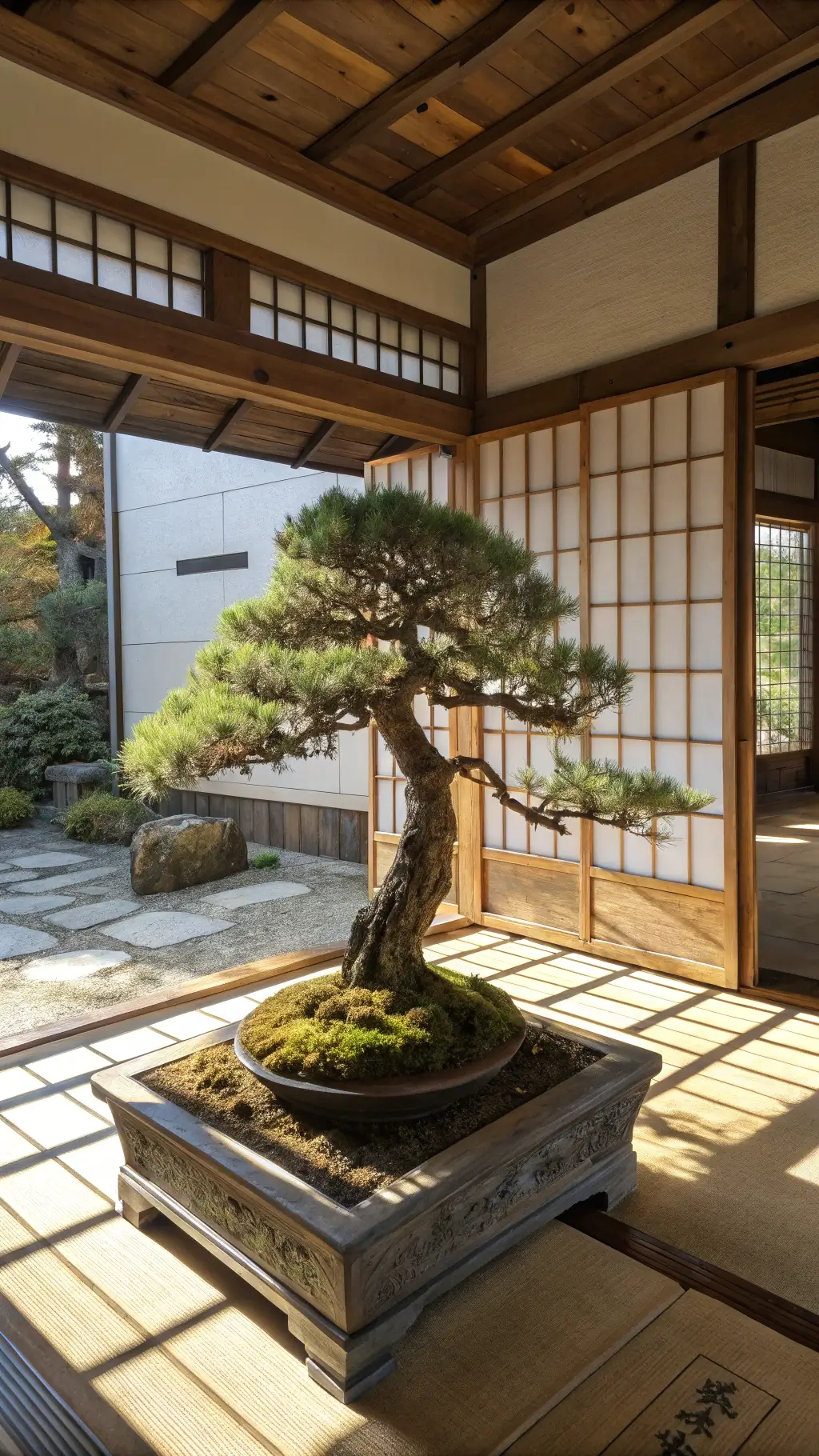
I started studying bonsai history after realizing my juniper had been in training longer than I had been alive. The practice of growing miniature trees in containers dates back over a thousand years, and each major style carries cultural meaning that is easy to overlook.
Quick History Bite:
- Originated in China around 1,000 years ago as “penjing”
- Introduced to Japan by Buddhist monks in the 6th century
- Literally means “planted in a container” in Japanese
The Artistic Philosophy Behind Every Miniature Masterpiece
Imagine capturing an entire forest’s essence in a small pot. That’s the magic of bonsai.
Core Artistic Principles:
- Reflect nature’s raw beauty
- Create perfect proportions
- Tell a story without words
- Demonstrate incredible patience and skill
Techniques That Transform Trees
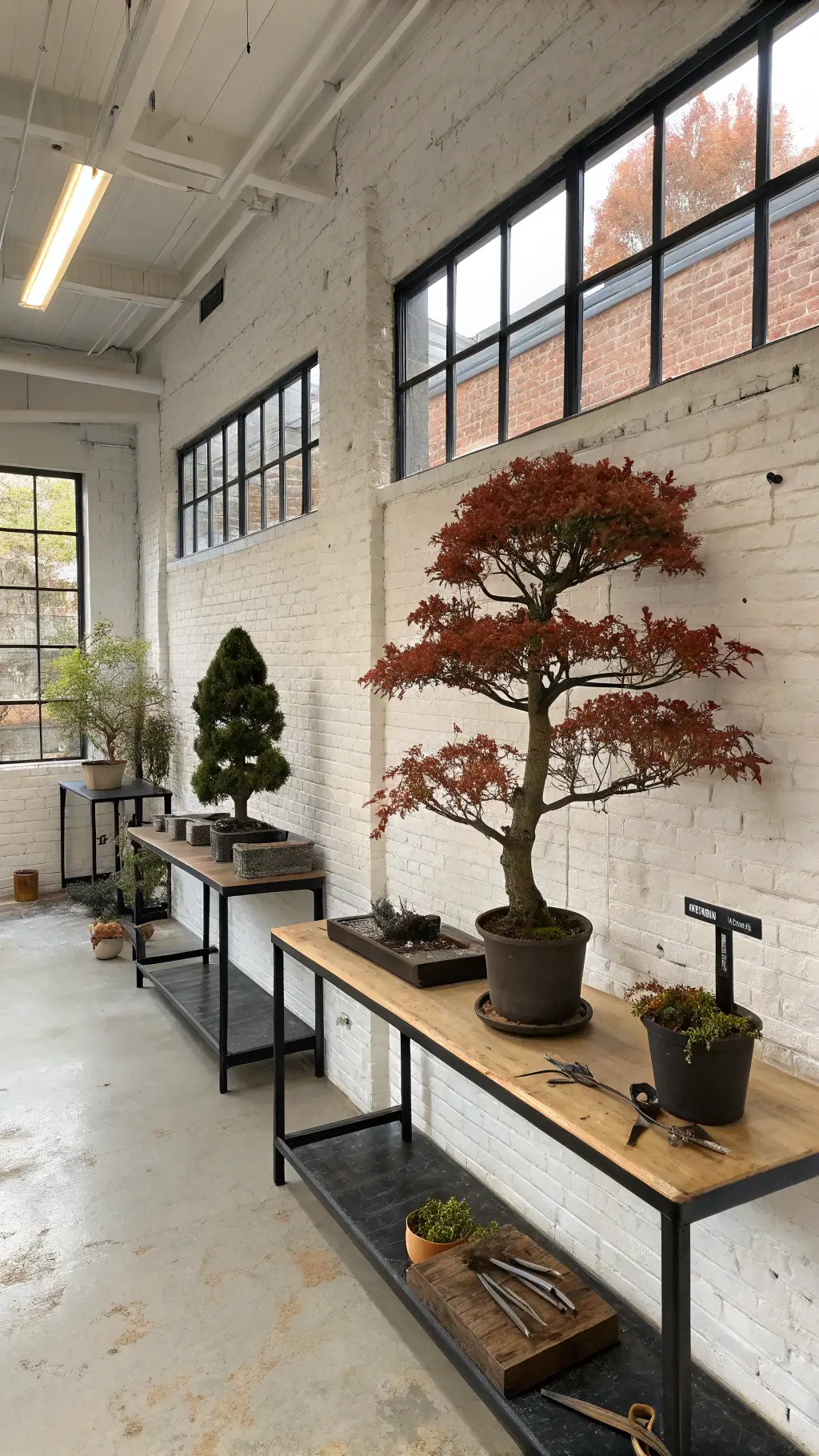
Bonsai artists are like sculptors, but their medium is living, breathing vegetation:
- Pruning: Carefully removing branches to shape growth
- Wiring: Guiding branches into elegant, natural-looking positions
- Root Trimming: Controlling size and encouraging compact growth
- Container Selection: Choosing pots that complement the tree’s character
Cultural Significance: More Than Just a Plant
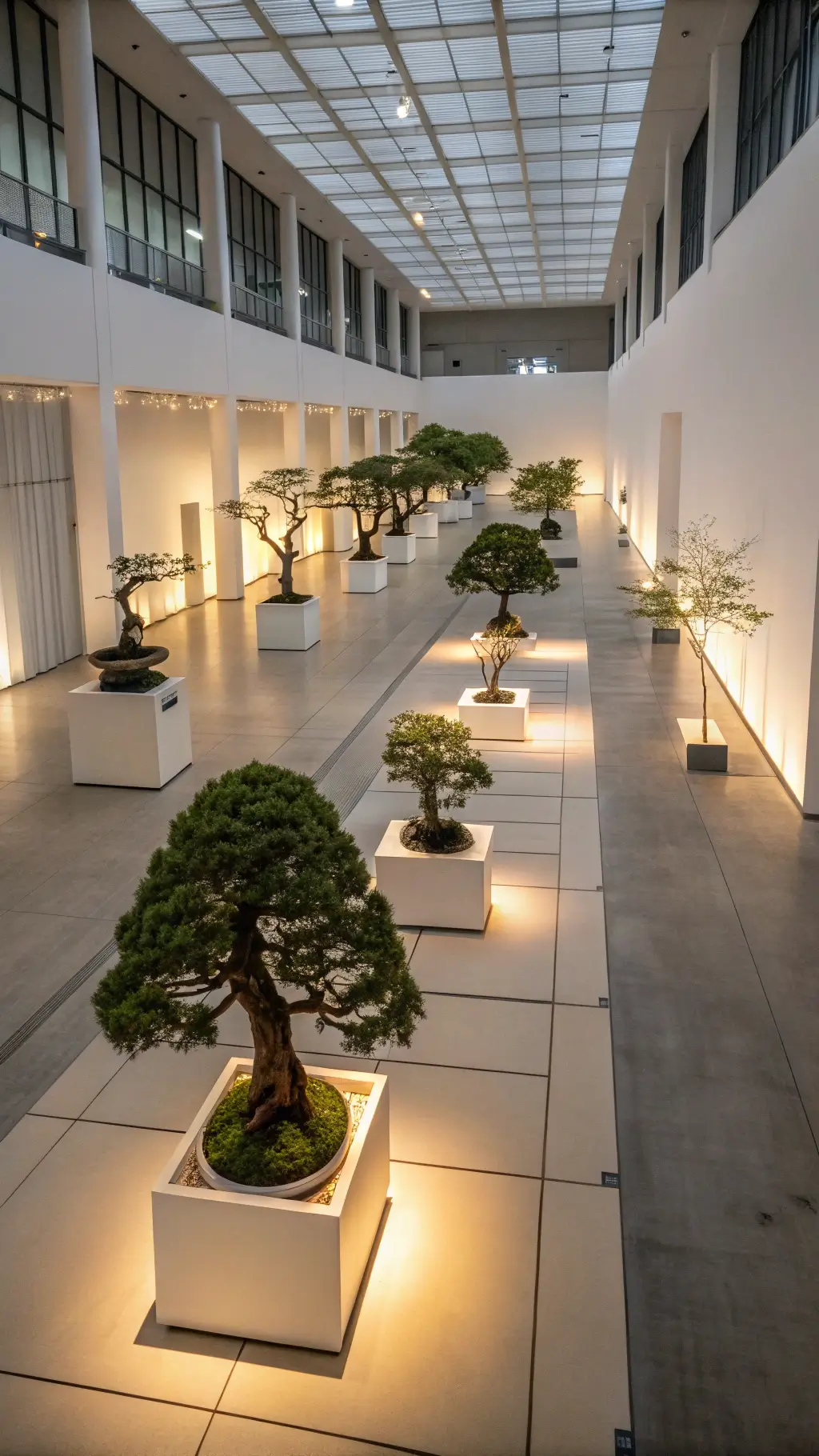
In Japanese philosophy, bonsai represents something profound – a dialogue between humans and nature.
Spiritual Dimensions:
- Embodies harmony between human and natural worlds
- Teaches meditation through plant care
- Represents life’s impermanence (wabi-sabi philosophy)
- A practice of mindfulness and respect
Modern Bonsai: A Global Art Form
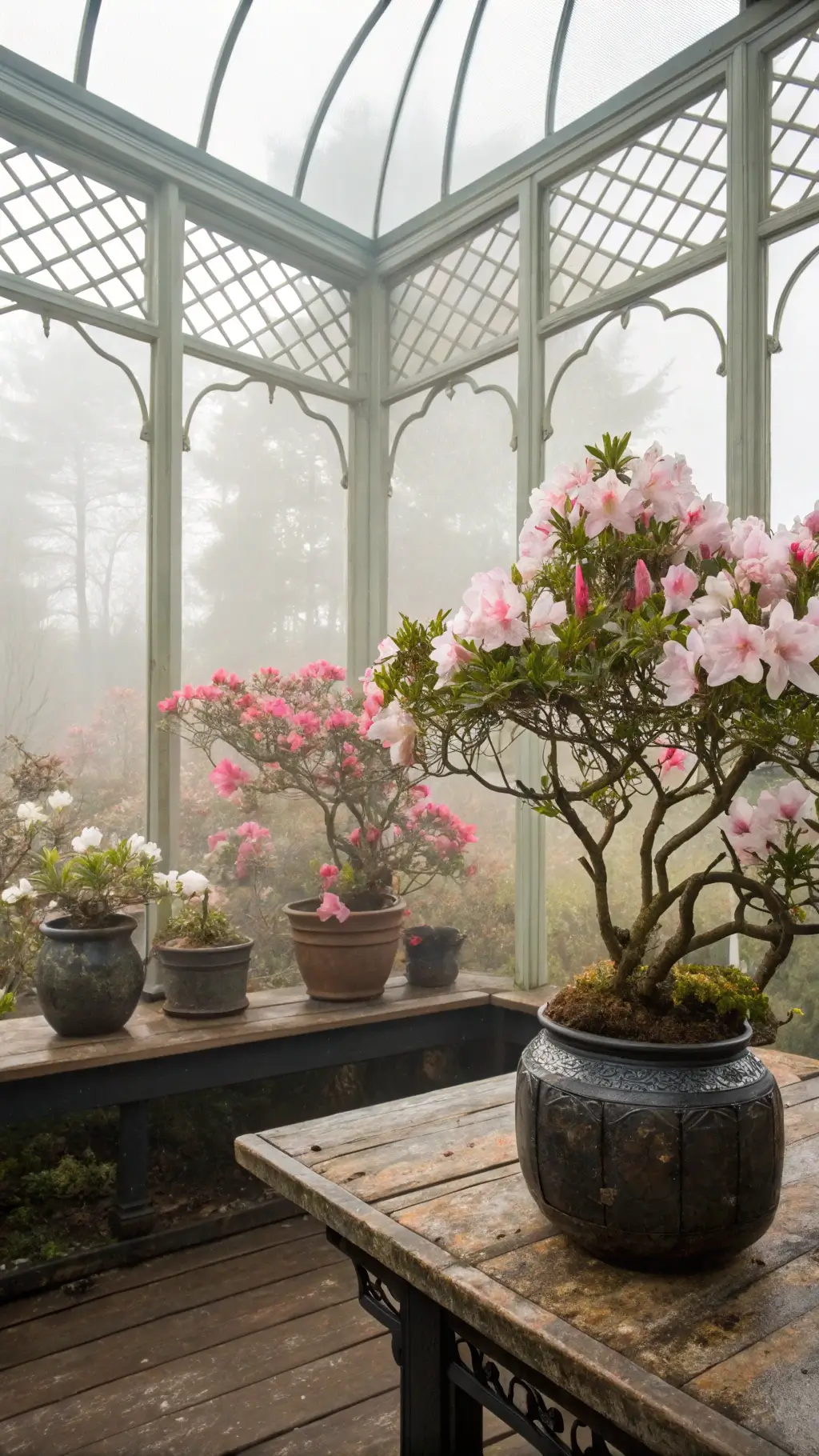
Today, bonsai has transcended its traditional Japanese origins:
- Practiced worldwide by enthusiasts and professionals
- Competitions and exhibitions celebrate this living art
- Techniques adapted to local plant species
- Growing community of passionate practitioners
Who Can Practice Bonsai?
Surprising fact: Anyone can start! You don’t need:
- Professional training
- Expensive equipment
- Years of experience
What You Need:
- Patience
- Curiosity
- Basic gardening knowledge
- Love for nature
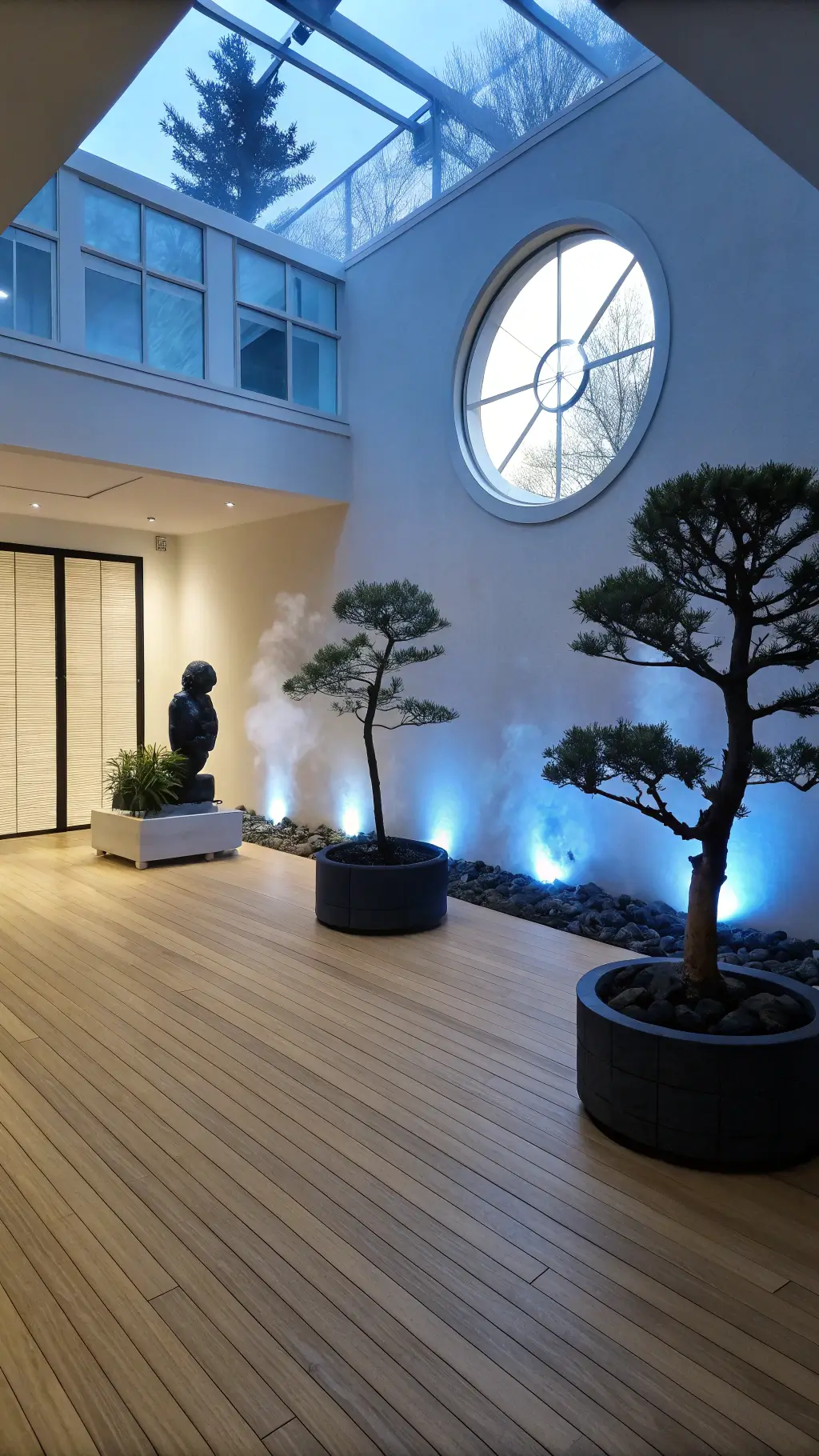
Getting Started: Your Bonsai Journey
Pro Tips for Beginners:
- Start with forgiving species like Juniper or Ficus
- Invest in quality, basic tools
- Join local bonsai clubs
- Watch online tutorials
- Practice, practice, practice!
The Living Legacy of Bonsai
Bonsai is more than an art form – it’s a conversation between human creativity and nature’s magnificent design. Each tiny tree tells a story of patience, dedication, and profound respect for the natural world.
Remember: Every bonsai is a living sculpture, evolving with time, just like the artist who shapes it.
Quick Disclaimer
Bonsai is both horticulture and art form, shaped by centuries of tradition across Asia. Understanding the history behind each style helps you make better design decisions with your own trees.