Pitcher Plants

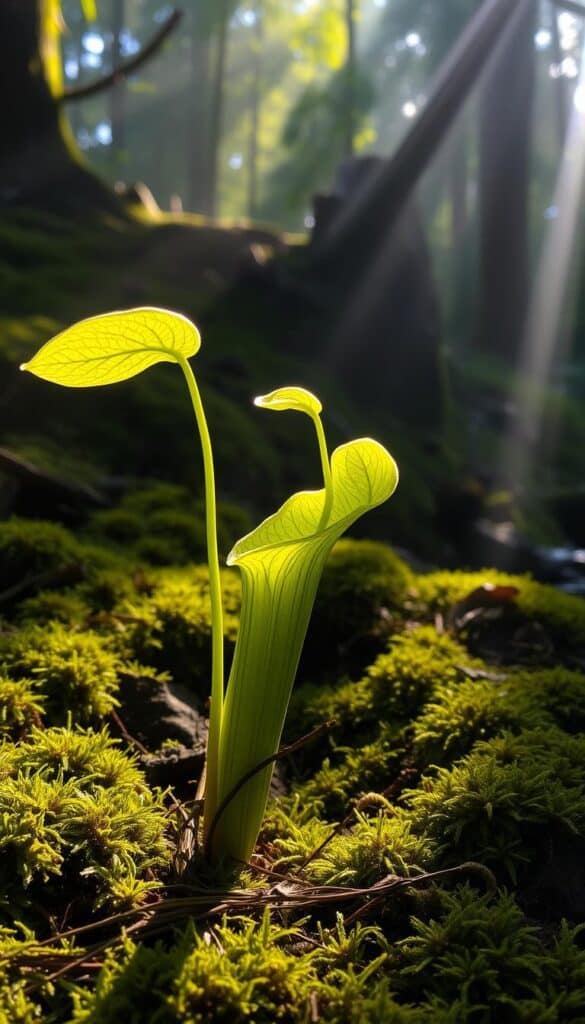
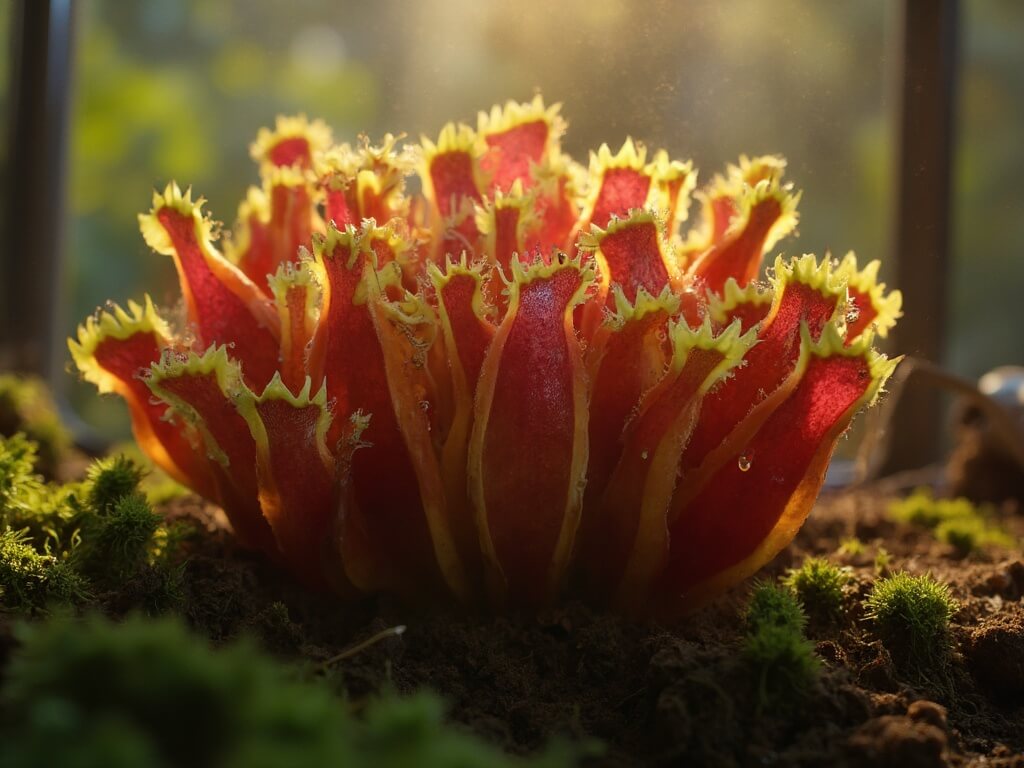
"Macro shot of a Cephalotus follicularis pitcher plant in a terrarium, with morning golden light illuminating dewdrops and highlighting the burgundy-red, lime green structure surrounded by sphagnum moss"

Cephalotus Follicularis: The Mysterious Albany Pitcher Plant of Australia

Cephalotus Follicularis: The Mysterious Albany Pitcher Plant of Australia I ordered a Cephalotus follicularis from a specialty grower because the small pitcher traps looked completely different from any other carnivorous plant I owned. The traps are barely the size of a fingernail but perfectly formed. What Makes the Albany Pitcher Plant So Special? Let me […]

Cephalotus Follicularis: The Mysterious Albany Pitcher Plant of Australia Read More »
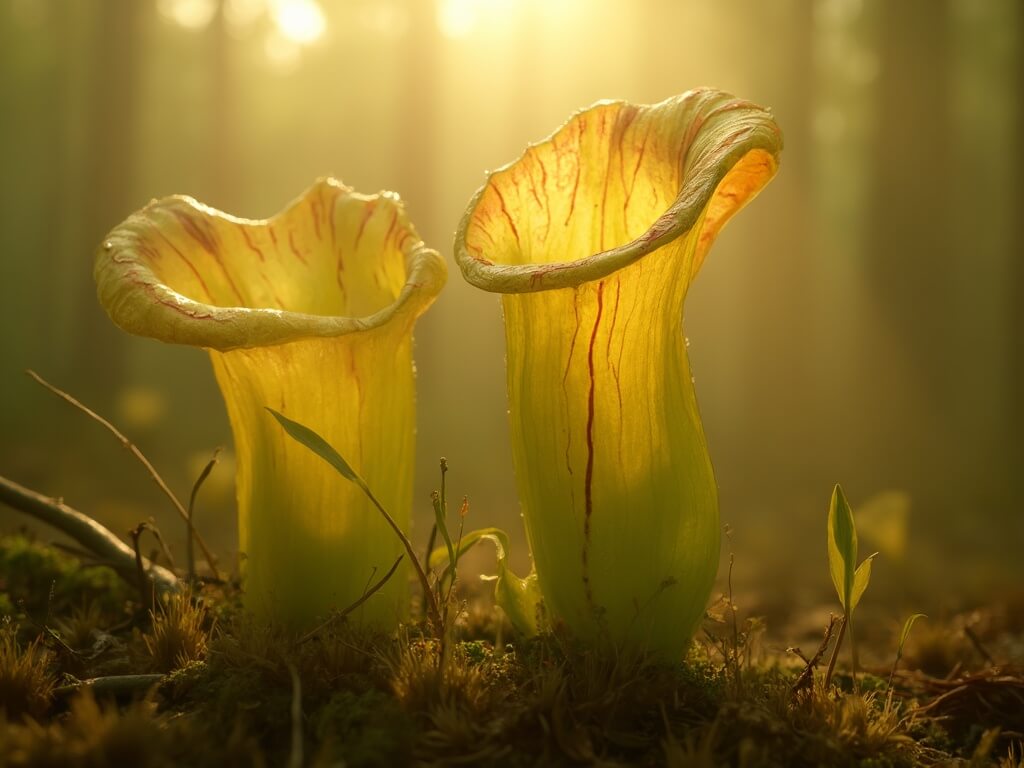
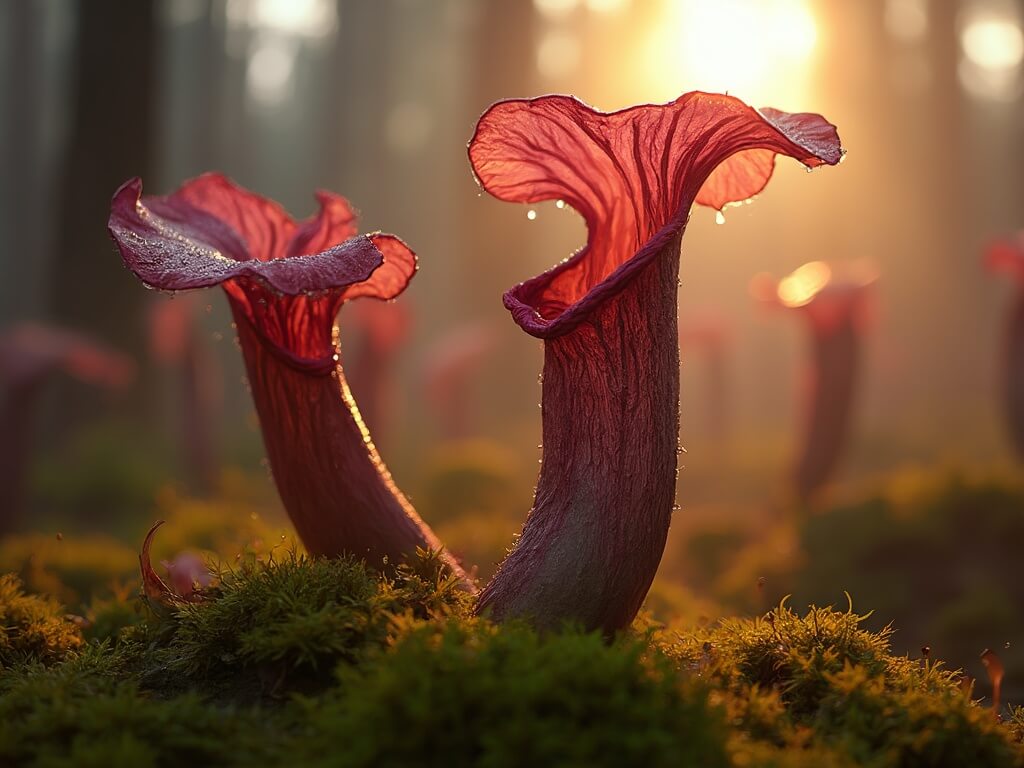
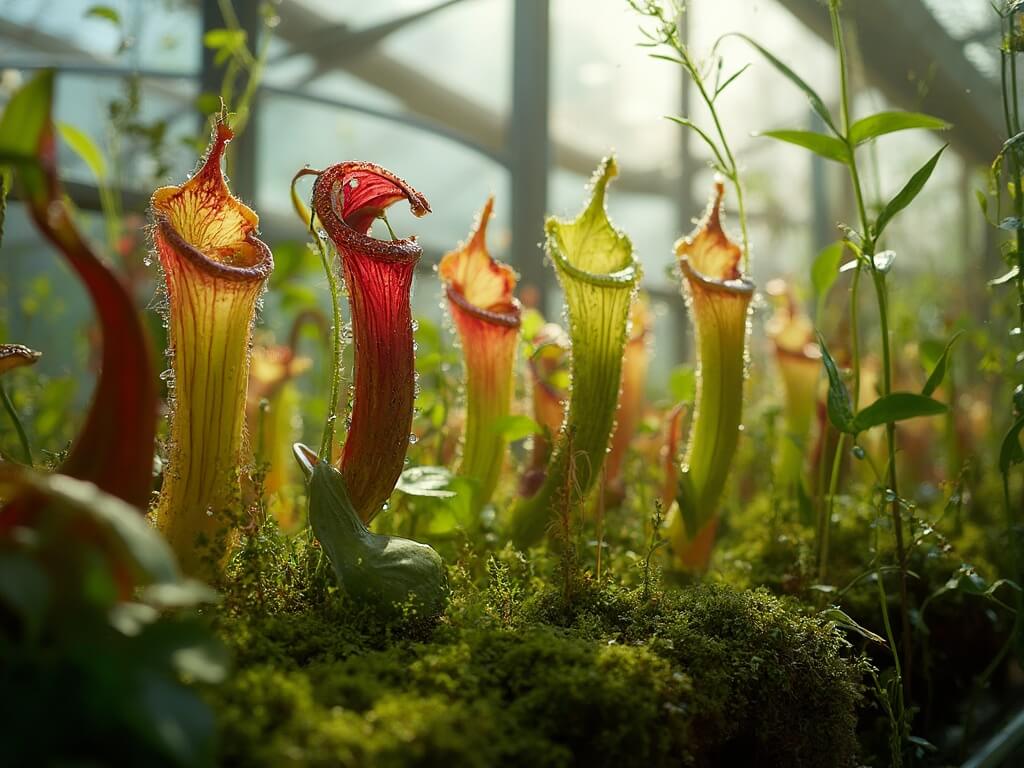
"Close-up of Sarracenia alata pitcher plants in natural habitat with dew drops on rims, illuminated by dramatic golden backlight at dawn."

Sarracenia Alata: The Fascinating Yellow Trumpet Pitcher Plant Guide

Sarracenia Alata: The Fascinating Yellow Trumpet Pitcher Plant Guide I found Sarracenia alata at a native plant sale where the pale green pitchers with red veining stood out. The traps are tall and narrow, and unlike some hybrids, the species remains true to form with consistent pitcher shape. What Exactly is Sarracenia Alata? The Pale

Sarracenia Alata: The Fascinating Yellow Trumpet Pitcher Plant Guide Read More »

"Macro shot of a dew-speckled Sarracenia purpurea pitcher plant in a natural bog habitat during morning golden hour"

Sarracenia Purpurea: The Carnivorous Marvel of North American Wetlands

What Makes the Purple Pitcher Plant So Special? I bought my first Sarracenia purpurea from a hardware store in spring, already showing three dark purple pitchers. I placed it outside in a plastic saucer filled with rainwater, and by midsummer it had doubled its pitcher count. A Unique Plant with a Killer Appetite Key Characteristics:

Sarracenia Purpurea: The Carnivorous Marvel of North American Wetlands Read More »

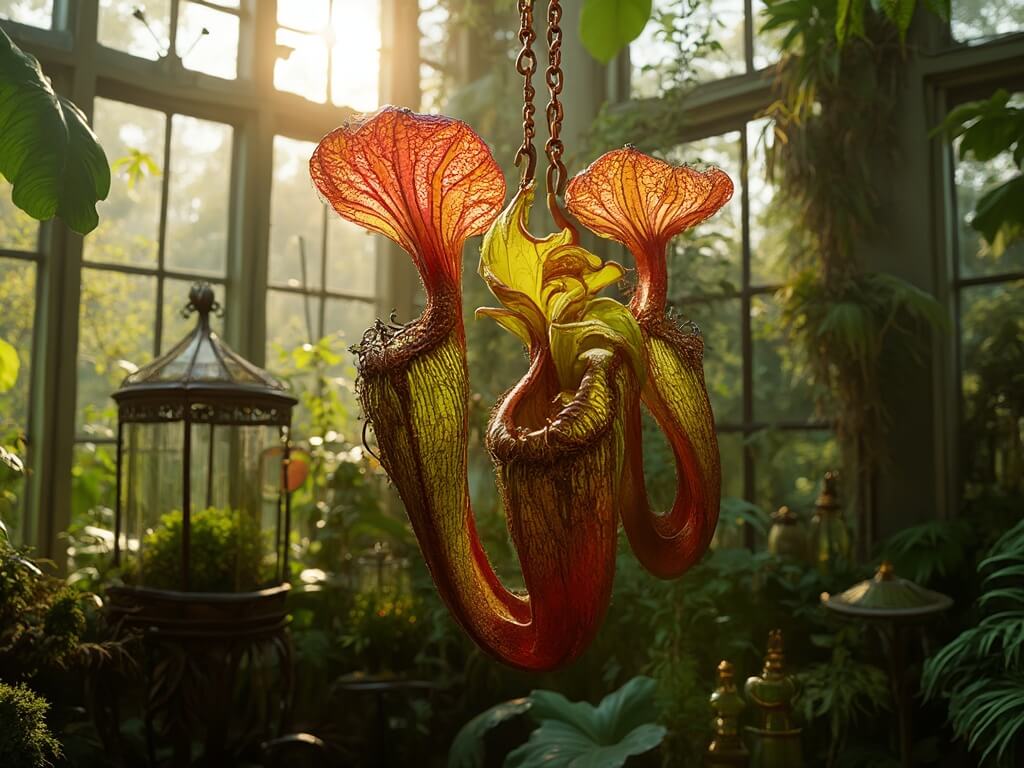
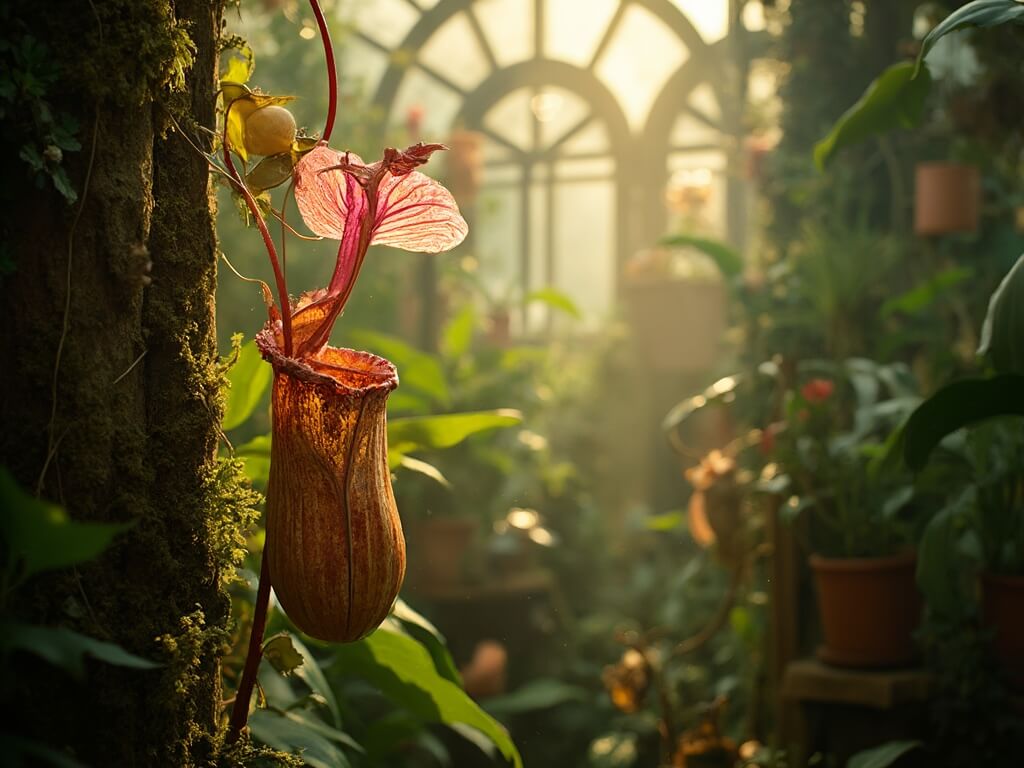
"Nepenthes splendiana pitcher plant hanging in a Victorian-style conservatory with golden hour sunlight illuminating the scene"

Nepenthes Splendiana: The Stunning Hybrid Pitcher Plant That Will Transform Your Collection

Nepenthes Splendiana: The Stunning Hybrid Pitcher Plant That Will Transform Your Collection I bought Nepenthes splendiana because the nursery had it hanging in a basket with three mature pitchers visible. The pitchers are large and colorful, with deep red speckles on a cream background that look almost hand-painted. What Makes Nepenthes Splendiana So Special? Let

Nepenthes Splendiana: The Stunning Hybrid Pitcher Plant That Will Transform Your Collection Read More »

sarracenia oreophila

Sarracenia oreophila: A Fascinating Carnivorous Wonder

I found Sarracenia oreophila at a native plant sale where the tall, greenish-yellow pitchers with red veins stood out. The species is native to a small area in the southeastern United States and is considered endangered in the wild. Also known as Sarracenia oreophila, this plant has evolved remarkable strategies to thrive in nutrient-poor environments.

Sarracenia oreophila: A Fascinating Carnivorous Wonder Read More »

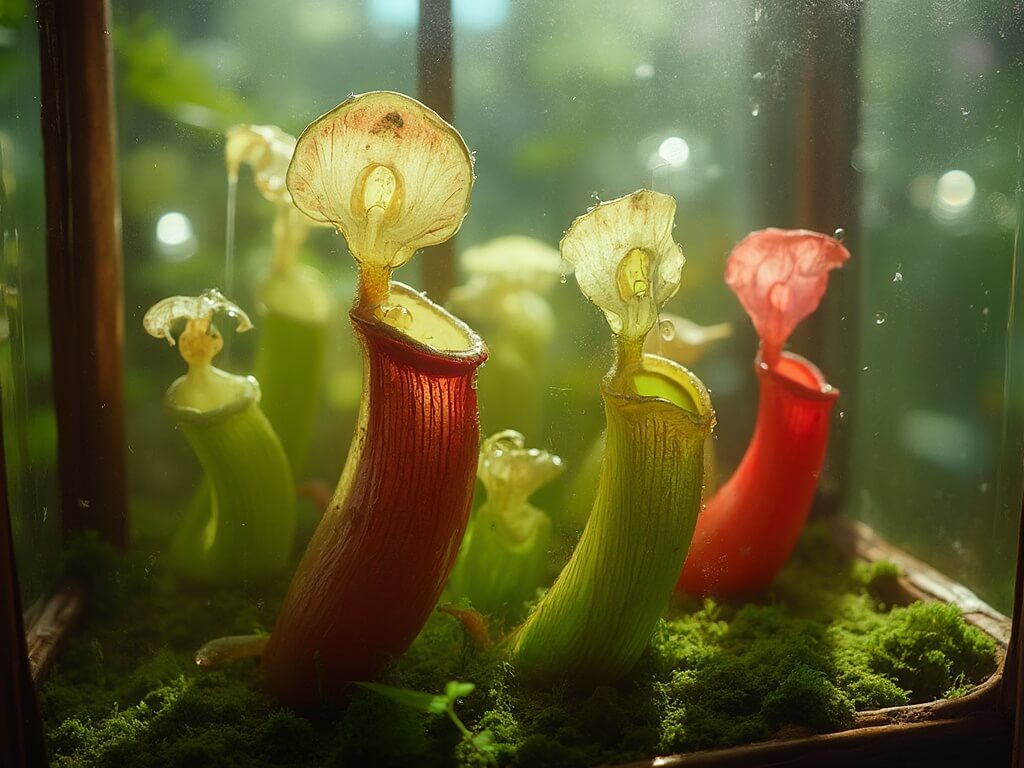
"Hyperrealistic macro photography of a Sarracenia psittacina in a Victorian-style copper terrarium, exhibiting mature and developing pitchers surrounded by sphagnum moss and partially submerged in water."

Parrot Pitcher Plant: Nature’s Underwater Carnivorous Marvel

Parrot Pitcher Plant: Nature’s Underwater Carnivorous Marvel I found my Sarracenia psittacina at a native plant sale where it was labeled as parrot pitcher plant. The short, bulbous pitchers lie almost flat against the ground and have a mottled red and green pattern that is easy to miss from above. What Makes the Parrot Pitcher

Parrot Pitcher Plant: Nature’s Underwater Carnivorous Marvel Read More »

"A close-up image of a mature Nepenthes veitchii pitcher plant with candy-cane striped pattern in a sunlit Victorian greenhouse"

Nepenthes veitchii: The Fascinating Climbing Pitcher Plant of Borneo

Nepenthes veitchii: The Fascinating Climbing Pitcher Plant of Borneo What Makes Nepenthes veitchii So Special? I bought my Nepenthes veitchii as a tiny seedling because I had always wanted the striped peristome form. The pitchers are still small, but the newest one already shows the bold yellow and red banding around the lid. Nepenthes veitchii

Nepenthes veitchii: The Fascinating Climbing Pitcher Plant of Borneo Read More »

"Collection of diverse carnivorous pitcher plants in a professional greenhouse, detailed with water droplets and visible mist"

Pitcher Plants: A Complete Guide to Nature’s Most Fascinating Carnivorous Wonders

Hey there, plant enthusiasts! I started with a Sarracenia from a garden center and later added Nepenthes and Heliamphora. Each genus traps insects differently, and watching the pitchers fill with prey is more interesting than any flytrap I have grown. Have you ever wondered how a plant can actually eat insects? Well, buckle up because

Pitcher Plants: A Complete Guide to Nature’s Most Fascinating Carnivorous Wonders Read More »

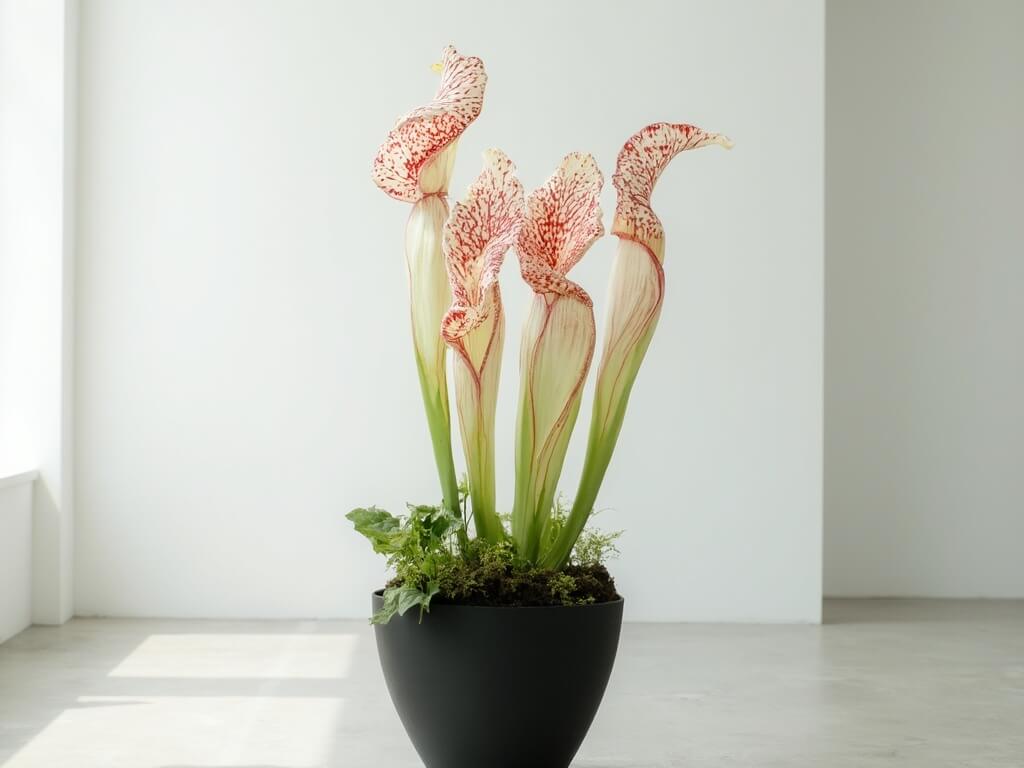
"Studio portrait of Sarracenia leucophylla pitcher plant in matte black ceramic vessel with polished concrete floor, soft morning light, detailed focus, fresh sphagnum moss base, and visible condensation detail."

Sarracenia Leucophylla: The Mesmerizing Crimson Pitcherplant of the Southeastern Wetlands

Sarracenia Leucophylla: The Mesmerizing Crimson Pitcherplant of the Southeastern Wetlands I ordered my Sarracenia leucophylla in late winter as a dormant rhizome with no pitchers. By May it had produced tall white-top pitchers that stood nearly two feet above the pot, each one veined with red and green. What Makes the White Pitcherplant So Special?

Sarracenia Leucophylla: The Mesmerizing Crimson Pitcherplant of the Southeastern Wetlands Read More »

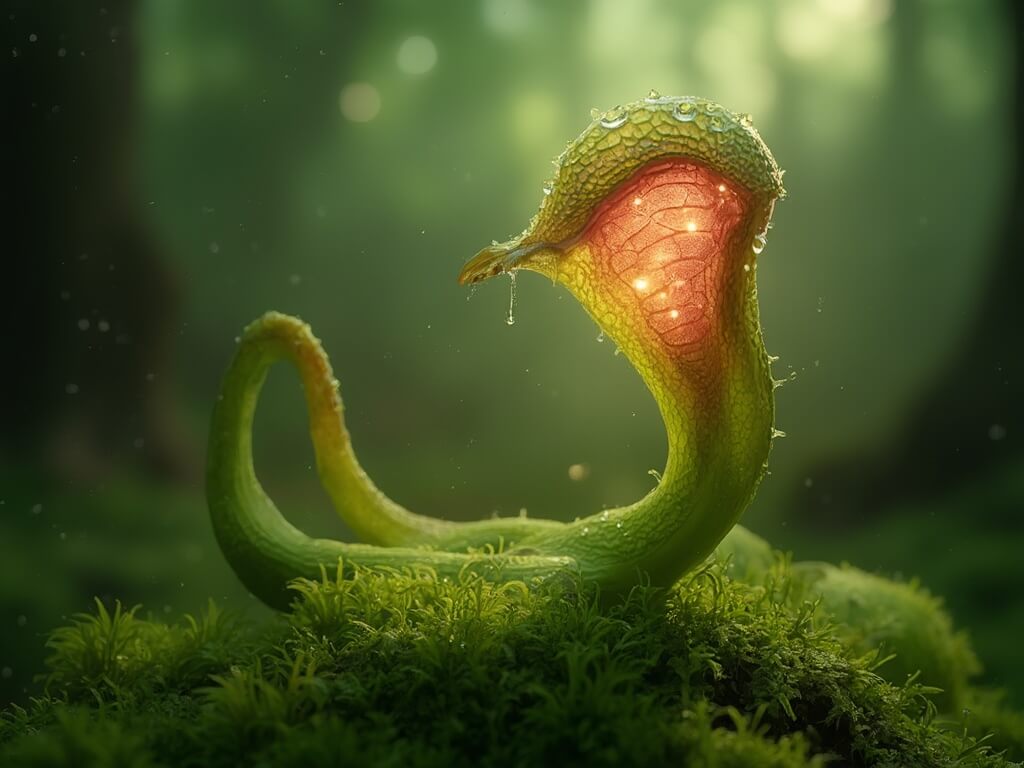
"Translucent Darlingtonia californica (Cobra Lily) pitcher glowing in backlit, showing gradient color and intricate patterns in high-resolution macro photograph"

The Fascinating Cobra Lily: Nature’s Masterpiece of Carnivorous Adaptation

Meet the Cobra Lily: A Plant Like No Other I saw Darlingtonia californica growing in a seep at a botanical garden where the curved hoods and translucent windows looked like something from a science fiction film. The plant is native to the Pacific Northwest and needs cool roots to survive. Let me introduce you to

The Fascinating Cobra Lily: Nature’s Masterpiece of Carnivorous Adaptation Read More »

Scroll to Top