
Parrot Pitcher Plant: Nature’s Underwater Carnivorous Marvel
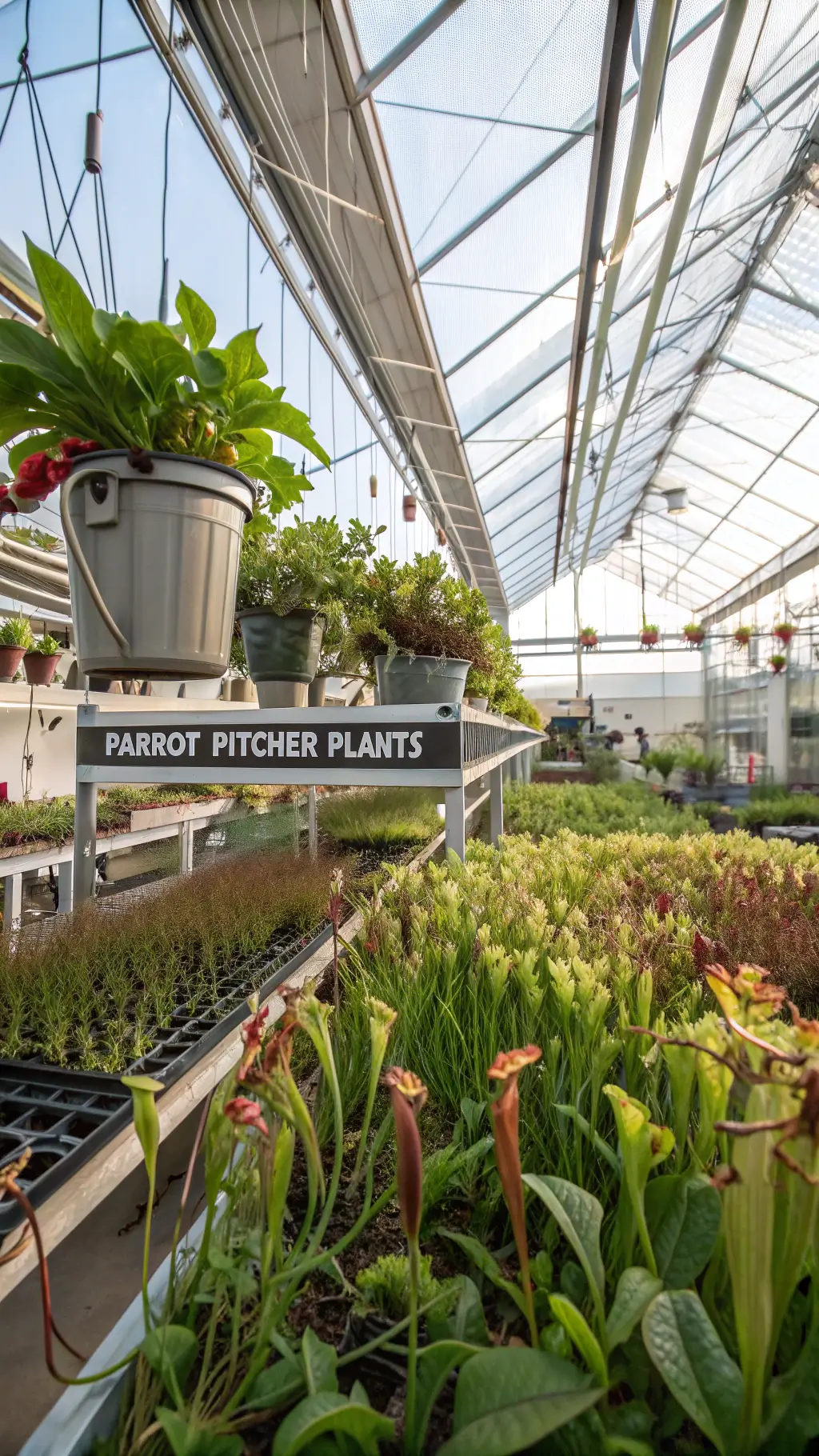
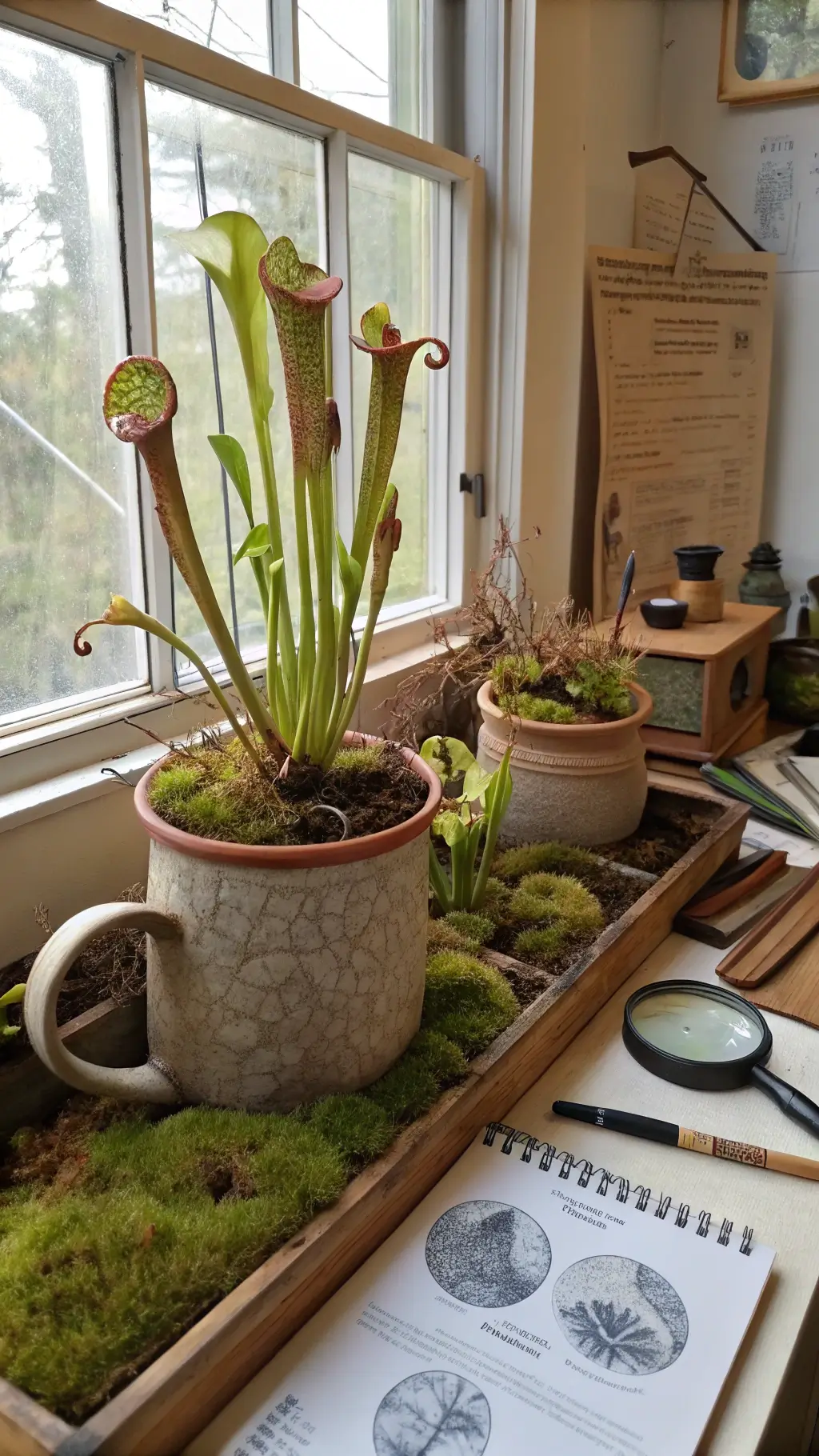
I found my Sarracenia psittacina at a native plant sale where it was labeled as parrot pitcher plant. The short, bulbous pitchers lie almost flat against the ground and have a mottled red and green pattern that is easy to miss from above.
What Makes the Parrot Pitcher Plant So Special?
Imagine a plant that looks like a parrot’s beak, lives in swamps, and catches prey underwater. That’s the Parrot Pitcher Plant in a nutshell. This isn’t your average houseplant – it’s a carnivorous superhero of the plant world!
Physical Characteristics That Blow Your Mind
Key Features:
- Grows up to 60 cm tall
- Hooded pitchers that look exactly like a parrot’s beak
- Stunning color palette of green and red
- Unique white “windows” on the hood that trick unsuspecting prey
The Ultimate Survival Machine: Trapping Mechanism
The Parrot Pitcher Plant doesn’t just sit around waiting for food – it actively hunts! Here’s how its genius “lobster pot” trapping mechanism works:
Prey Capture Strategy:
- Tiny entrance tempts insects with hidden nectar
- False exit “windows” confuse potential victims
- Downward-facing hairs create a one-way trip into the pitcher
- Can capture aquatic prey like tiny tadpoles and water arthropods
Habitat: Where Do These Amazing Plants Live?
This botanical wonder calls the southeastern United States home, specifically:
- Wet savannahs along the Gulf Coast
- Seepage slopes
- Depression marshes
- Swampy environments
Survival Skills That Will Amaze You
Environmental Adaptations:
- Survives underwater (how cool is that?)
- Thrives in extremely wet conditions
- Tolerates brief flooding
- Requires high humidity
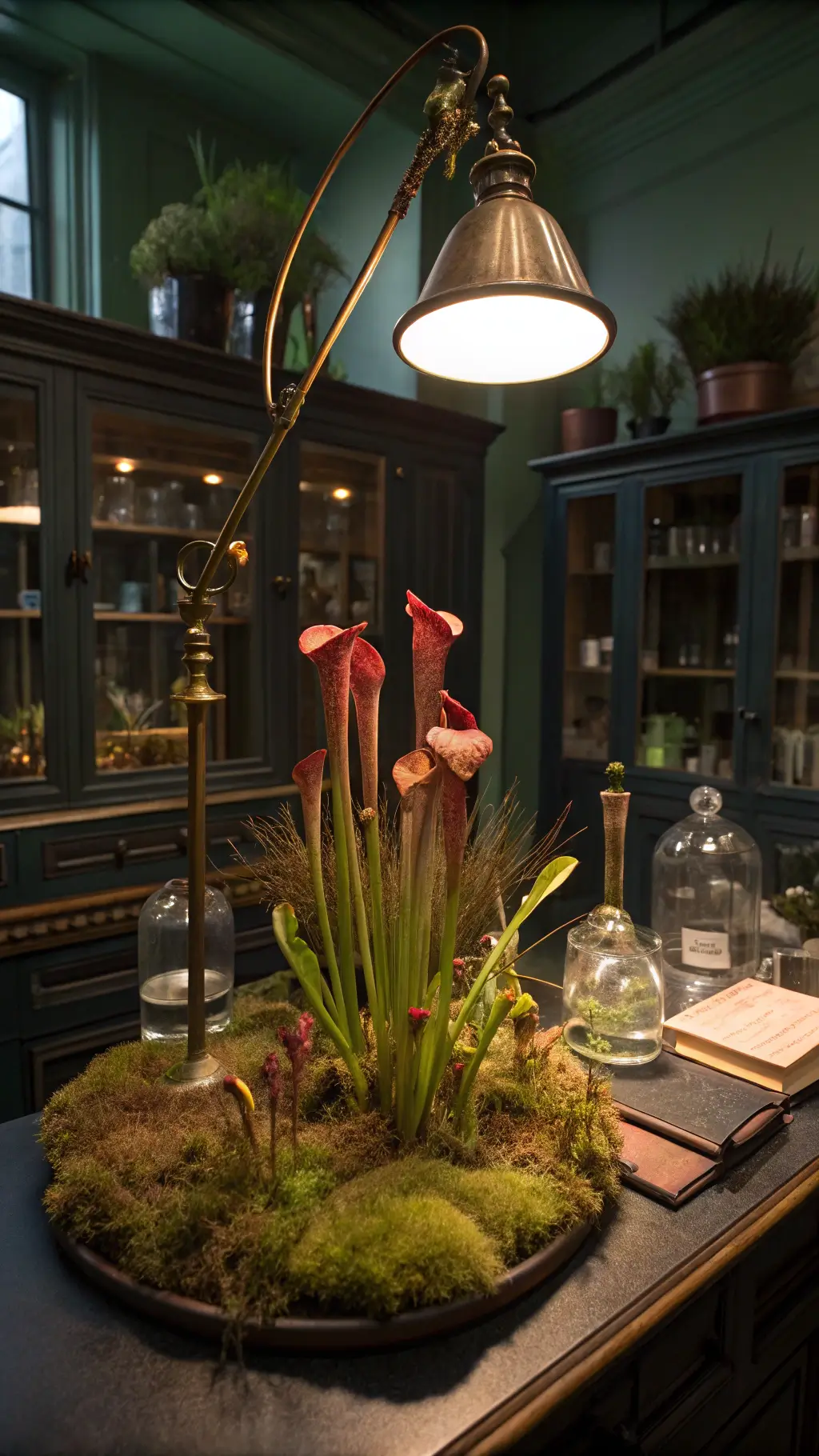
Growing Your Own Parrot Pitcher Plant
Pro Tips for Cultivation:
- Use pure water (distilled or rainwater)
- Provide high humidity
- Choose partial shade locations
- Plant in sphagnum moss or specialized carnivorous plant mix
Conservation: A Plant in Danger
Sadly, these incredible plants are facing serious challenges:
- 97.5% of their natural habitat has been destroyed
- Listed as threatened in Florida
- Require active conservation efforts
Fun Botanical Trivia
- The name “psittacina” means “parrot-like“
- Pitchers can last up to 2 years
- Produces small, dark red, fragrant flowers
- Blooms from March to May
Why You Should Care About the Parrot Pitcher Plant
This isn’t just another plant. It’s a living, breathing testament to nature’s incredible design. A carnivorous wonder that can survive underwater, trick its prey, and look absolutely stunning while doing it.
Final Thoughts:
Sarracenia psittacina needs full sun and a constant supply of distilled water. Plant it in a mix of peat and perlite, keep the tray filled with water, and it will produce pitchers reliably through the growing season.