
What Makes the Yellow Pitcher Plant So Extraordinary?
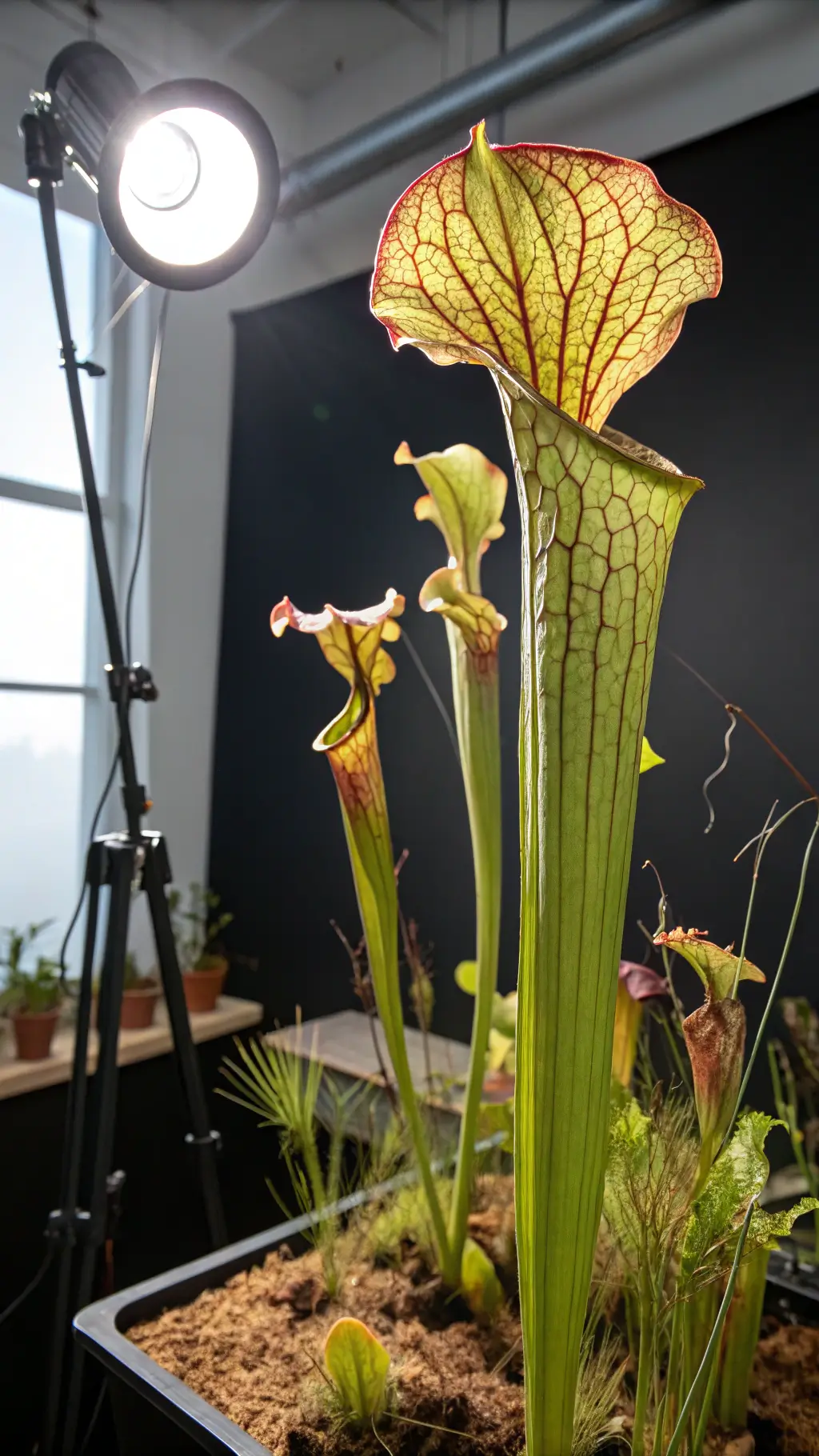
My Sarracenia flava was the first carnivorous plant I grew from seed, and it took two full years before the first tall yellow tube appeared. The pitcher was nearly eighteen inches tall with a flared lid, exactly like the photos I had studied.
Physical Characteristics: More Than Just a Pretty Plant
Let’s break down what makes this plant a true botanical marvel:
Key Physical Features:
- Towering pitchers up to 3 feet tall
- Stunning yellow-green coloration
- Dramatic red veining on some varieties
- Large, flared mouth with a clever hood design
The Hunting Mechanism: How Sarracenia flava Catches Its Prey
This isn’t your average photosynthesizing plant. The yellow pitcher plant has evolved a sophisticated insect-trapping system that would make any nature documentary proud.
Carnivorous Strategies:
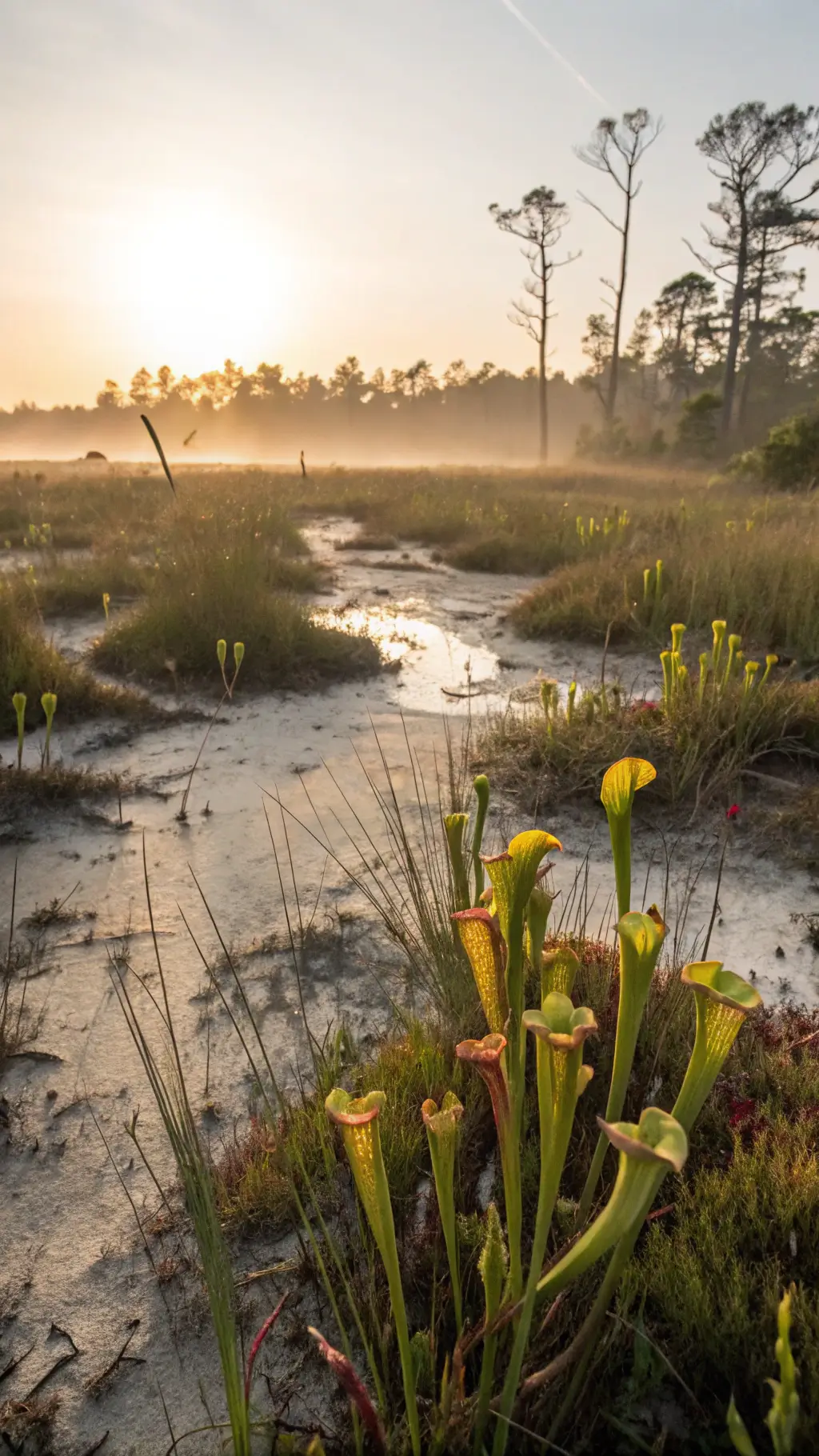
- Nectar-coated rim attracts unsuspecting insects
- Slippery interior walls prevent escape
- Downward-pointing hairs guide prey deeper
- Digestive enzymes at the bottom break down captured insects
Habitat: Where Does This Botanical Hunter Thrive?
The Sarracenia flava isn’t picky but has specific environmental preferences:
Ideal Growing Conditions:
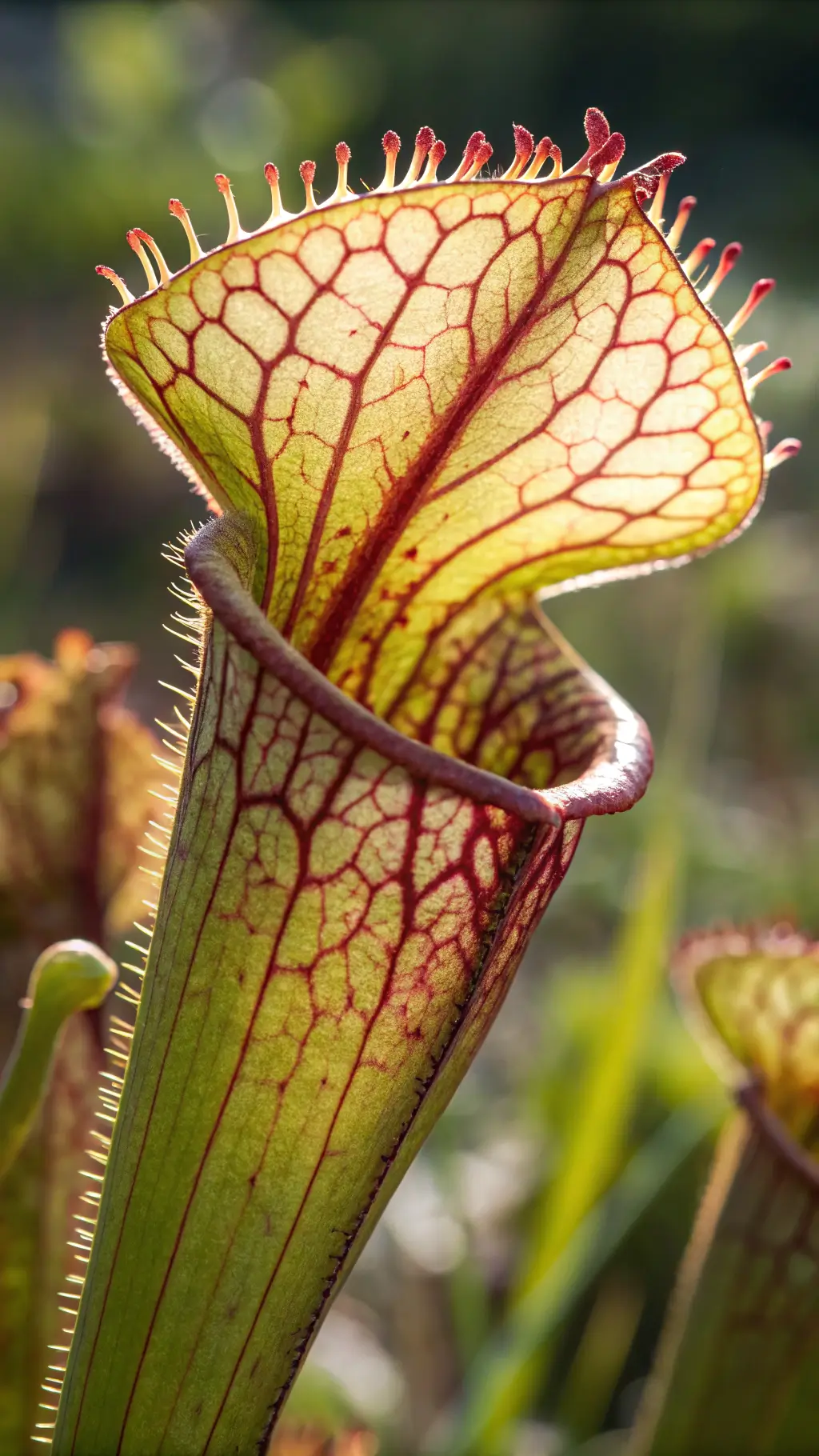
- Sandy bog environments
- Coastal plain regions
- Southeastern United States (Virginia to Alabama)
- Full sun exposure
- Consistently moist, acidic soil
Growing Your Own Yellow Pitcher Plant: Pro Tips
Want to bring this botanical wonder into your garden? Here’s what you need to know:
Cultivation Essentials:
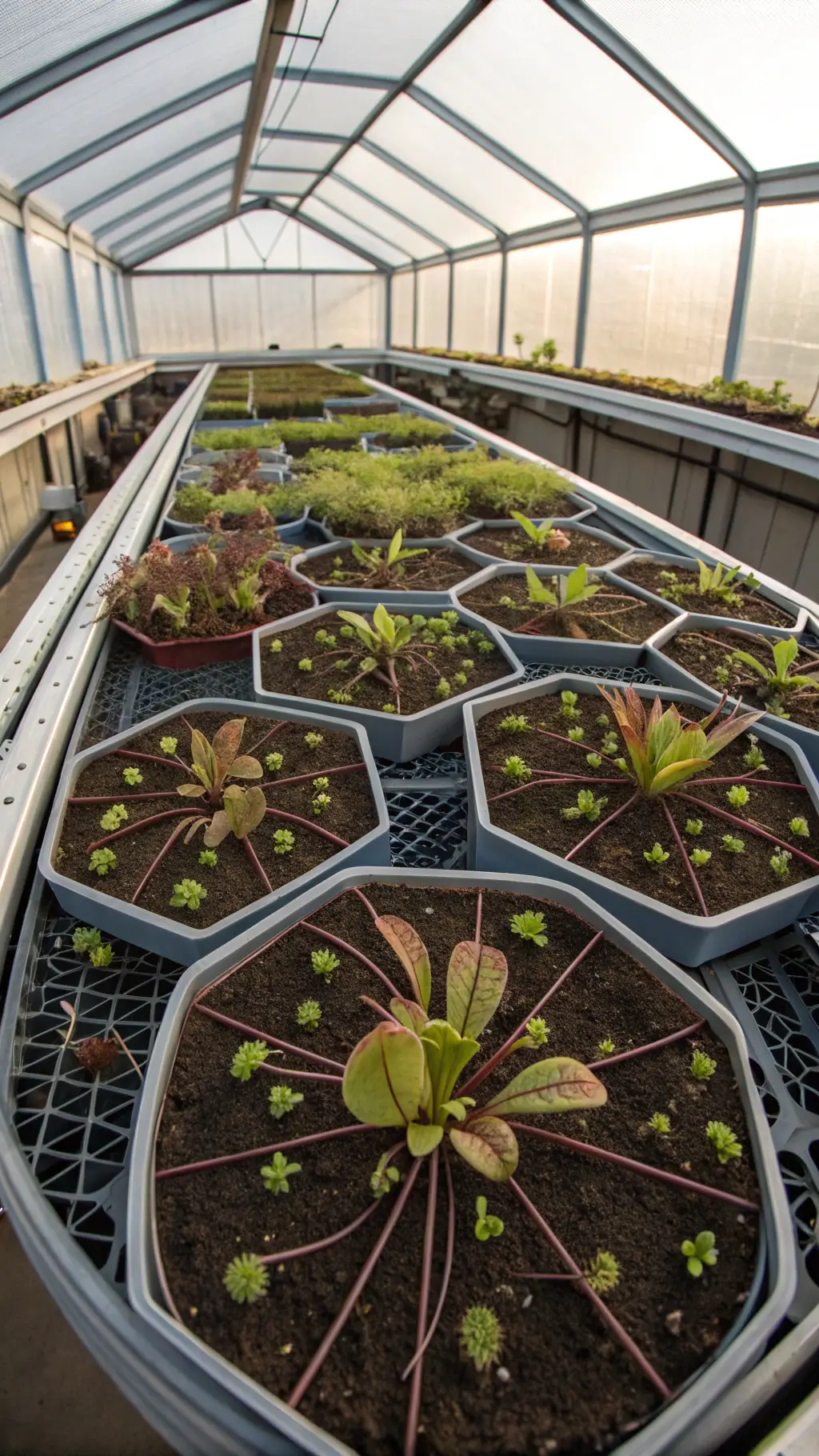
- Use only distilled or rainwater
- Provide constant moisture
- Ensure acidic soil conditions
- Place in full sunlight
- Expect winter dormancy
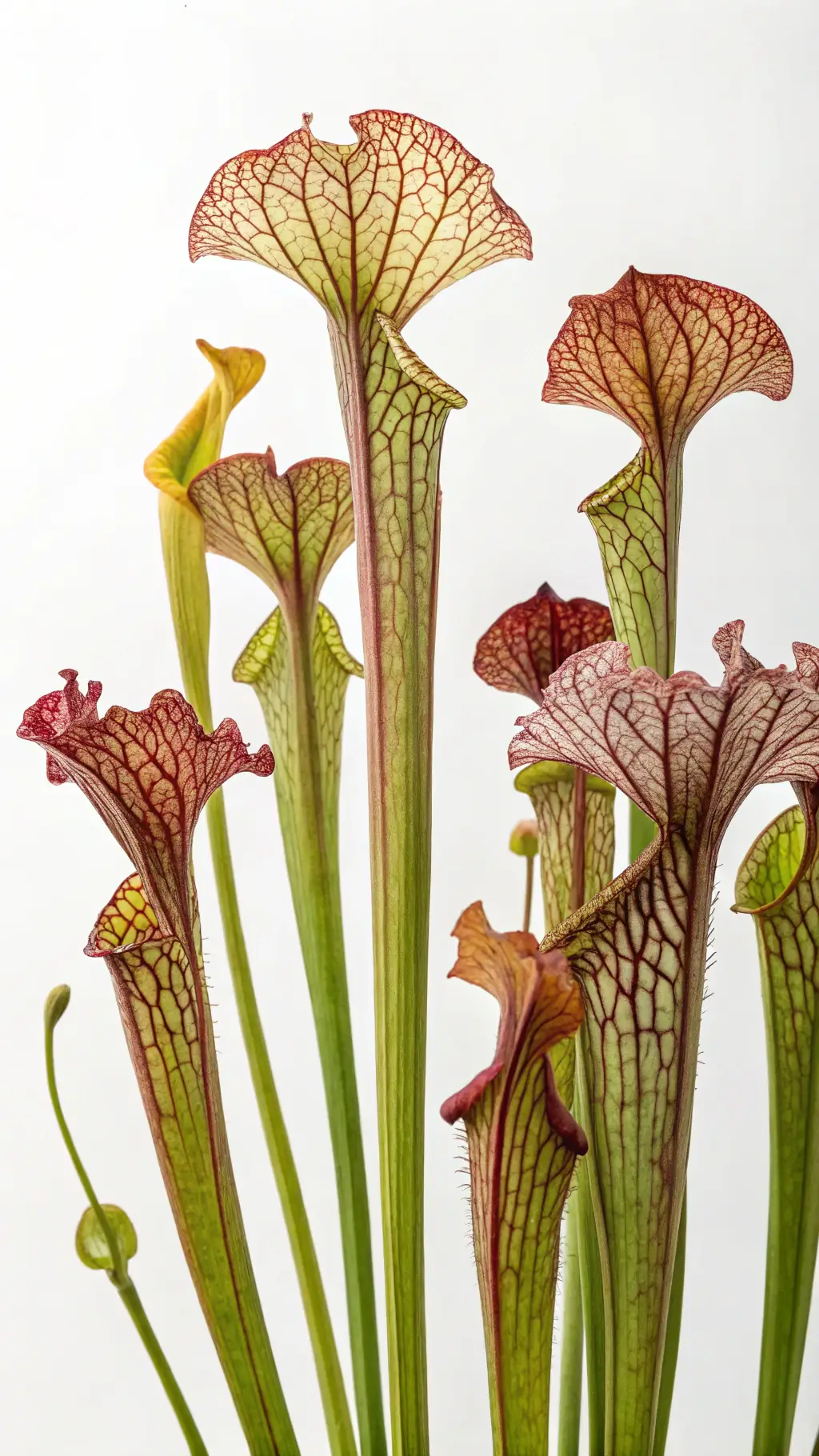
Varieties: A Spectrum of Stunning Colors
Sarracenia flava isn’t a one-size-fits-all plant. It offers multiple varieties:
- Classic yellow-green (var. flava)
- Deep red-purple (var. atropurpurea)
- Copper-toned (var. cuprea)
- Ornate patterned versions
Conservation and Ecological Importance
Beyond its stunning appearance, the yellow pitcher plant plays a crucial role in maintaining biodiversity in challenging ecosystems. By thriving in nutrient-poor environments, it demonstrates nature’s incredible adaptability.
Quick Care Guide Cheat Sheet
- 🌞 Light: Full sun
- 💧 Water: Distilled/rainwater only
- 🌡️ Temperature: Tolerates wide range
- ❄️ Winter: Goes dormant
Final Thoughts: A Plant That Defies Expectations
Sarracenia flava produces tall, straight yellow pitchers in spring before the summer heat arrives. Give it full sun and a water tray filled with distilled water, and it will pitcher reliably every season.
Sarracenia flava produces tall, straight yellow pitchers in spring before the summer heat arrives. Give it full sun and a water tray filled with distilled water, and it will pitcher reliably every season.