
Bonsai Display Tables: The Perfect Stage for Your Living Artwork
I built my first bonsai display table from a single oak board I found at a salvage yard. It was uneven and slightly warped, but the imperfections made each tree look like it was growing on an actual cliff edge.
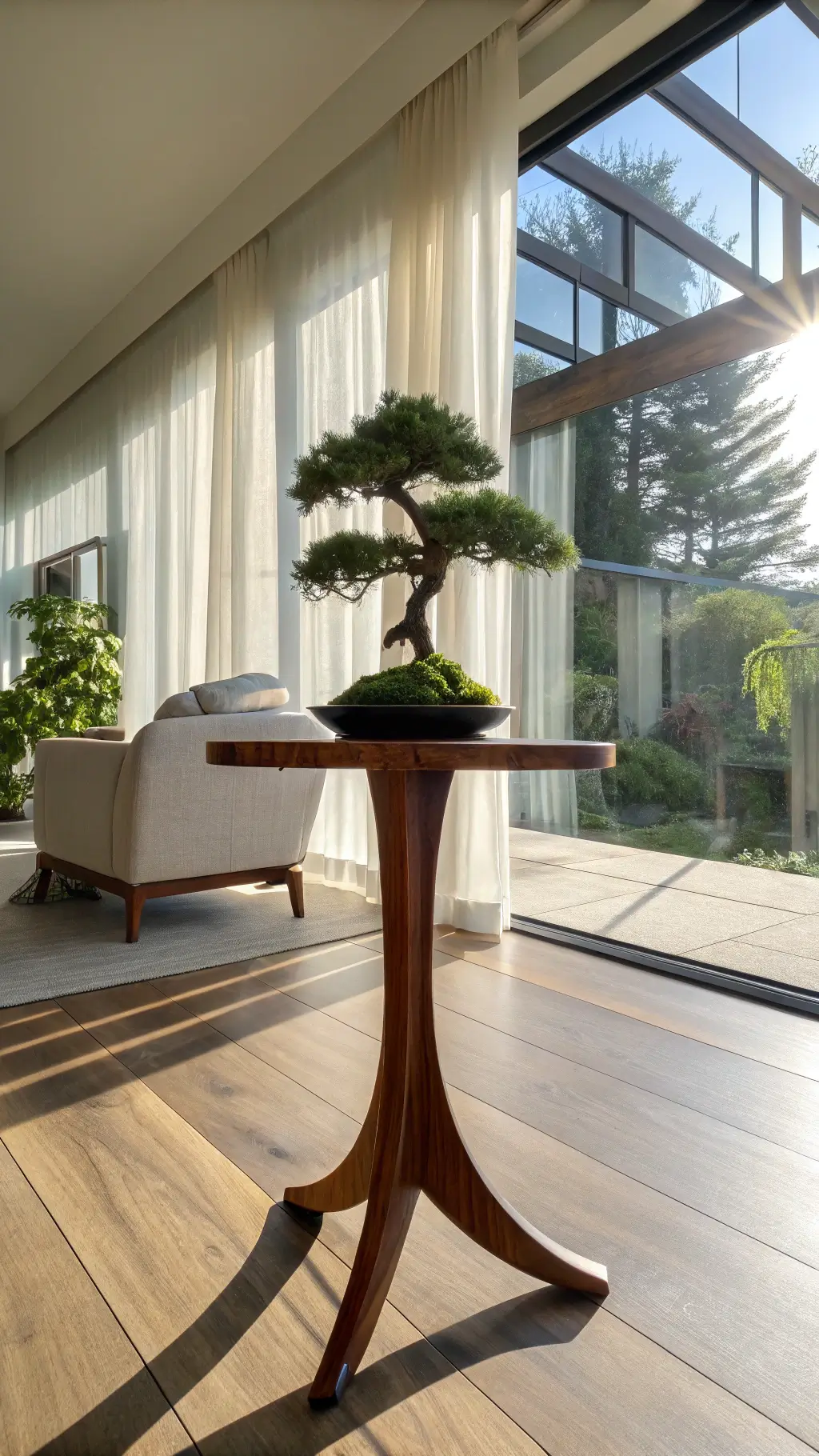
What Makes Bonsai Display Tables So Special?
I’ve been a bonsai enthusiast for years, and let me tell you – a great display table is like the perfect picture frame for a masterpiece.
Types of Bonsai Display Tables: Finding Your Perfect Match
Not all bonsai are created equal, and neither are their display tables. Here’s what you need to know:
1. Shohin Bonsai Tables
- Compact and petite
- Perfect for miniature trees (6-8 inches tall)
- Ideal for small spaces and delicate specimens
2. Cascade Bonsai Stands
- Designed with unique angles
- Allows cascading trees to drape elegantly
- Highlights the tree’s dramatic downward flow
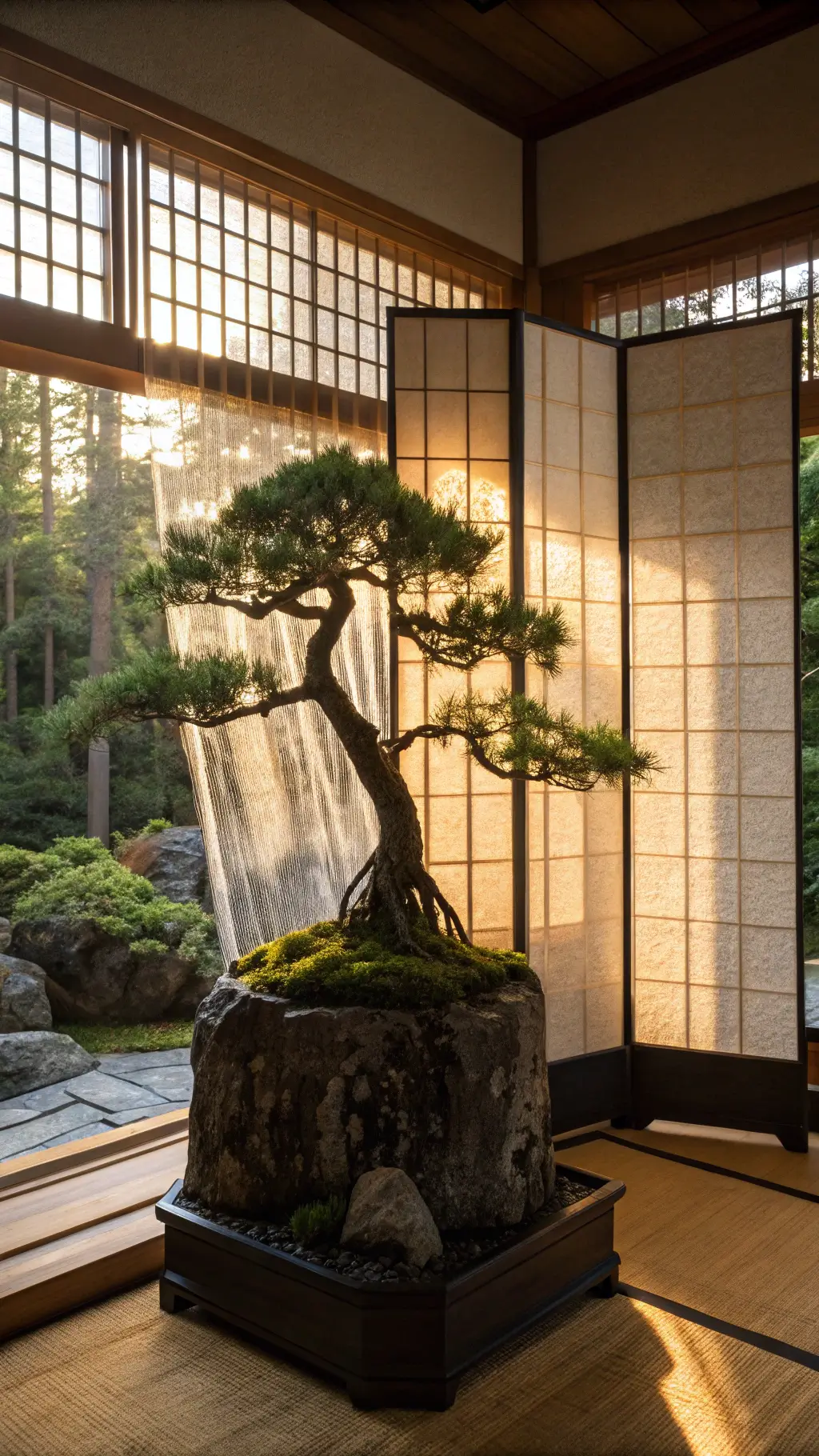
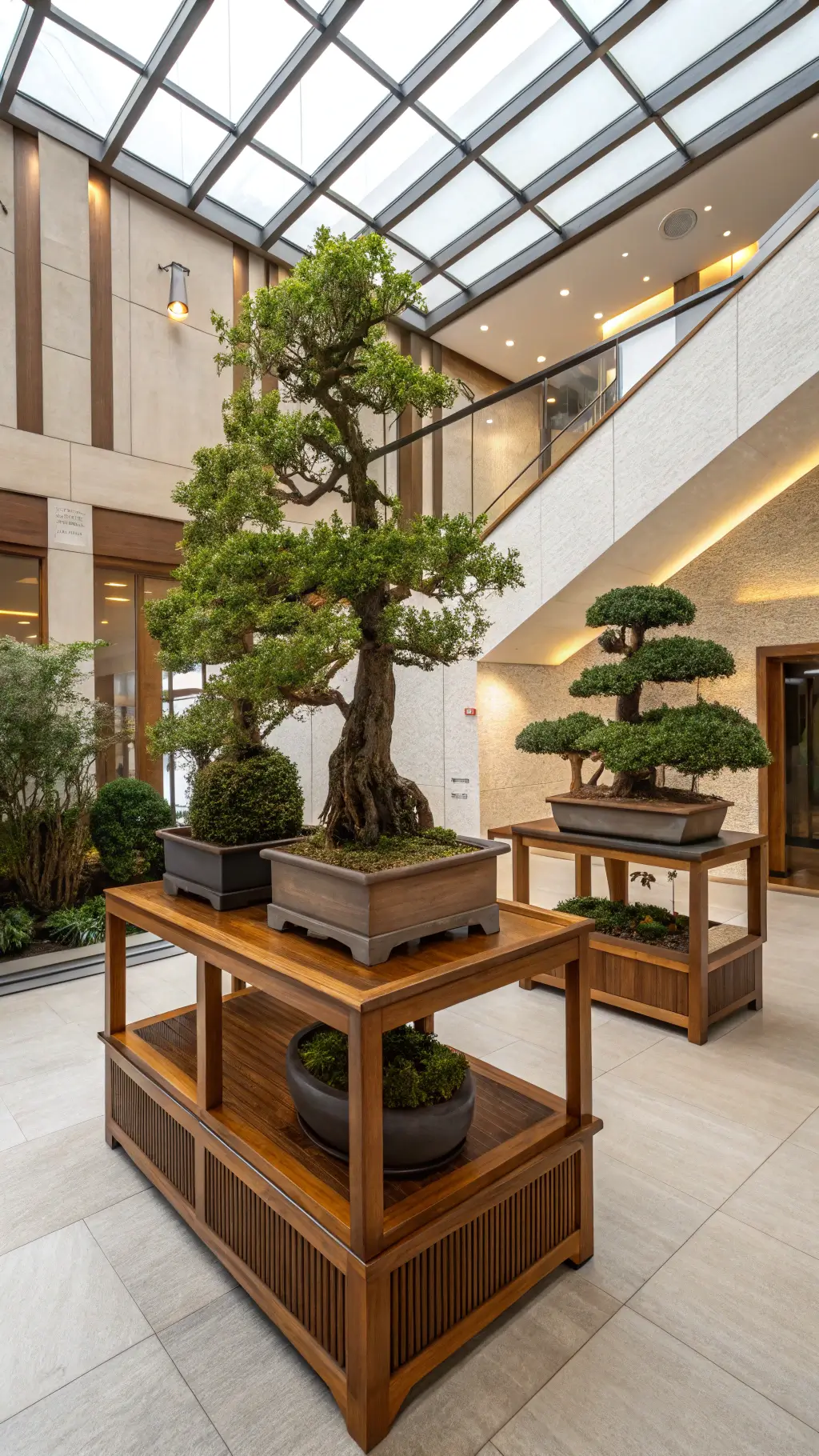
3. Multi-Level Tables
- Multiple height options
- Creates visual interest
- Great for displaying several bonsai simultaneously
Craftsmanship Matters: Materials That Make a Difference
Wood Selection: The Foundation of Beauty
Most high-quality bonsai display tables are crafted from:
- Redwood
- Mahogany
- Teak
- Cedar
Pro Tip: Look for handcrafted tables with wooden fittings for an authentic, elegant touch.
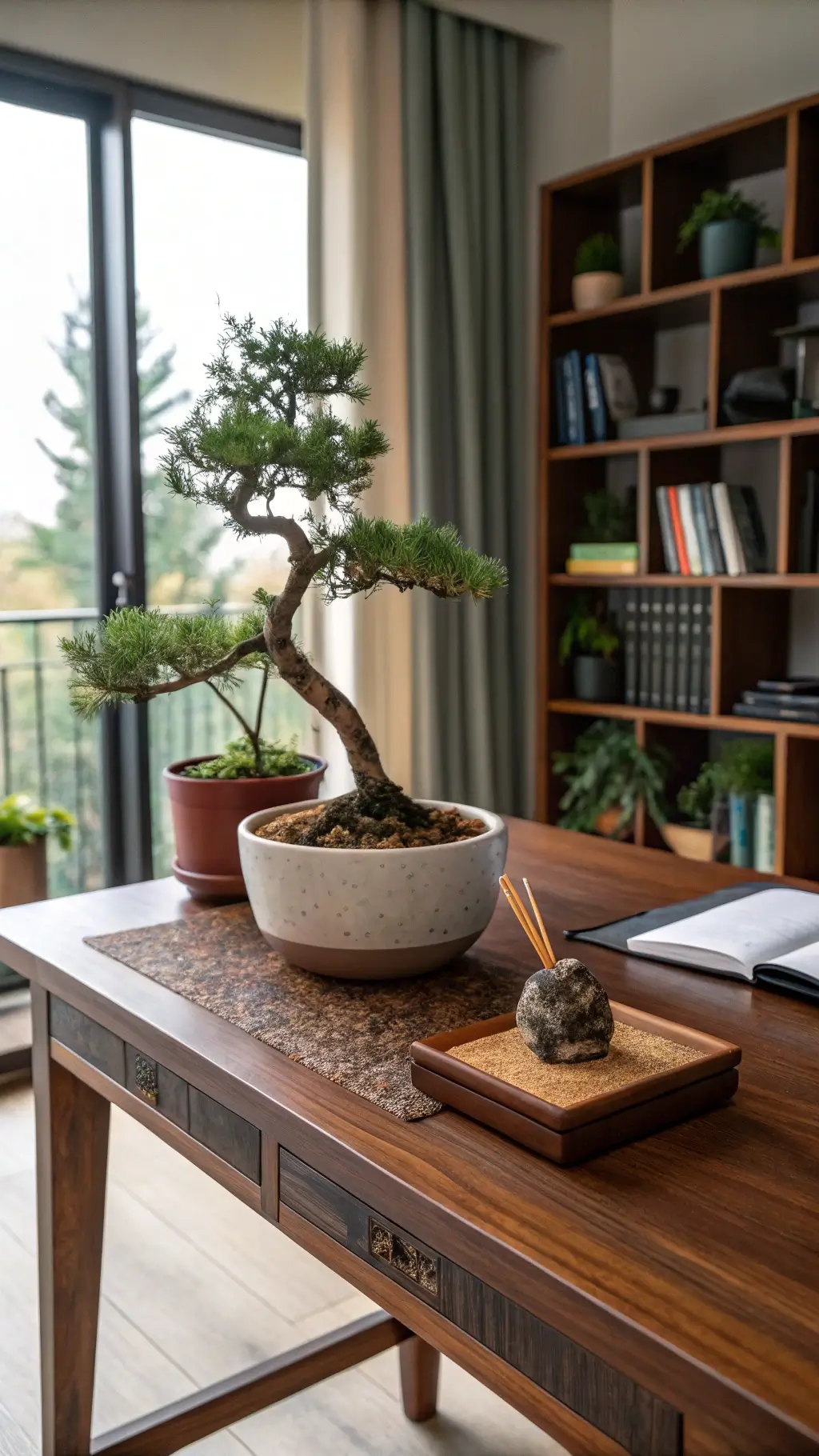
Key Considerations When Choosing Your Display Table
Height and Positioning
The Golden Rule: Your table should place the bonsai at eye level.
- Optimal viewing height: Around 33 inches
- Allows viewers to appreciate intricate details
- Creates a museum-like presentation
Versatility Is Key
Modern bonsai display tables aren’t just for trees:
- Can display ceramics
- Perfect for flower arrangements
- Adaptable to different decor styles
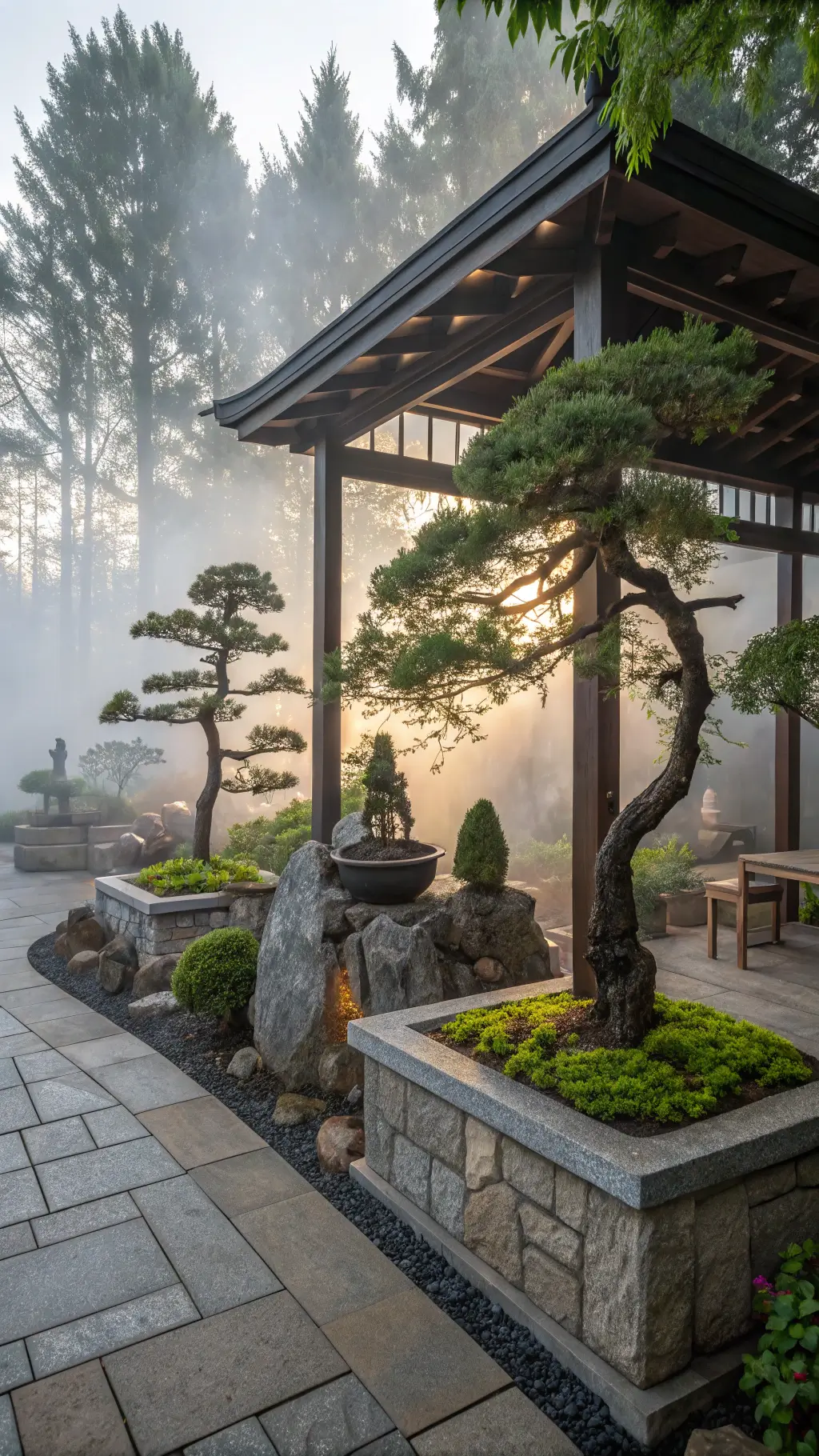
Budget-Friendly Options vs. Luxury Investments
Price Range Breakdown
- Basic stands: $20 – $40
- Mid-range tables: $50 – $150
- Custom, handcrafted tables: $200 – $500+
Budget Tip
Don’t break the bank! Sometimes a simple, well-constructed table can be more impressive than an expensive, overly ornate one.
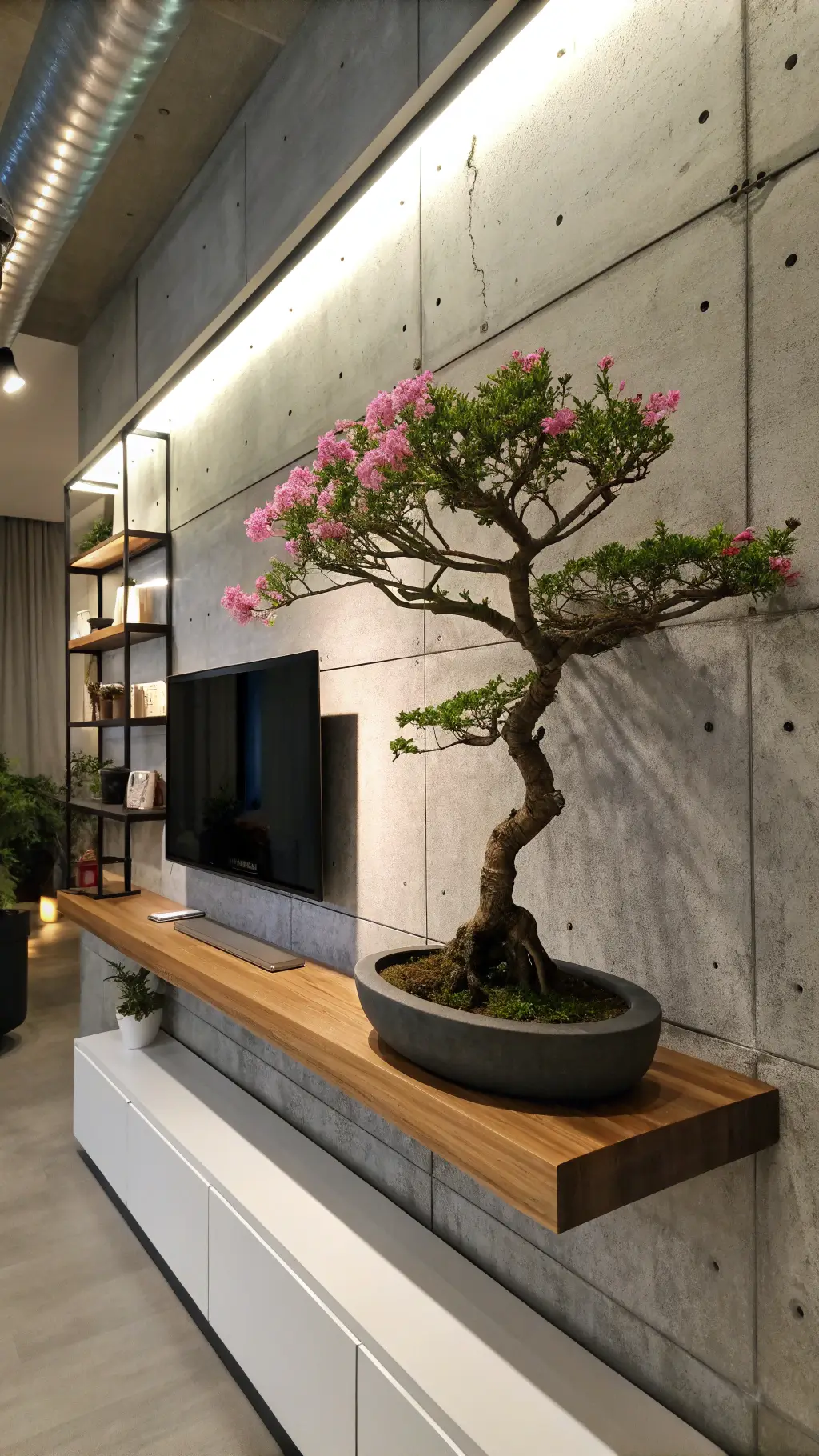
Placement Considerations
Indoor vs. Outdoor
- Indoor tables: Sleeker, more refined designs
- Outdoor tables: Weatherproof materials
- Consider your specific environment
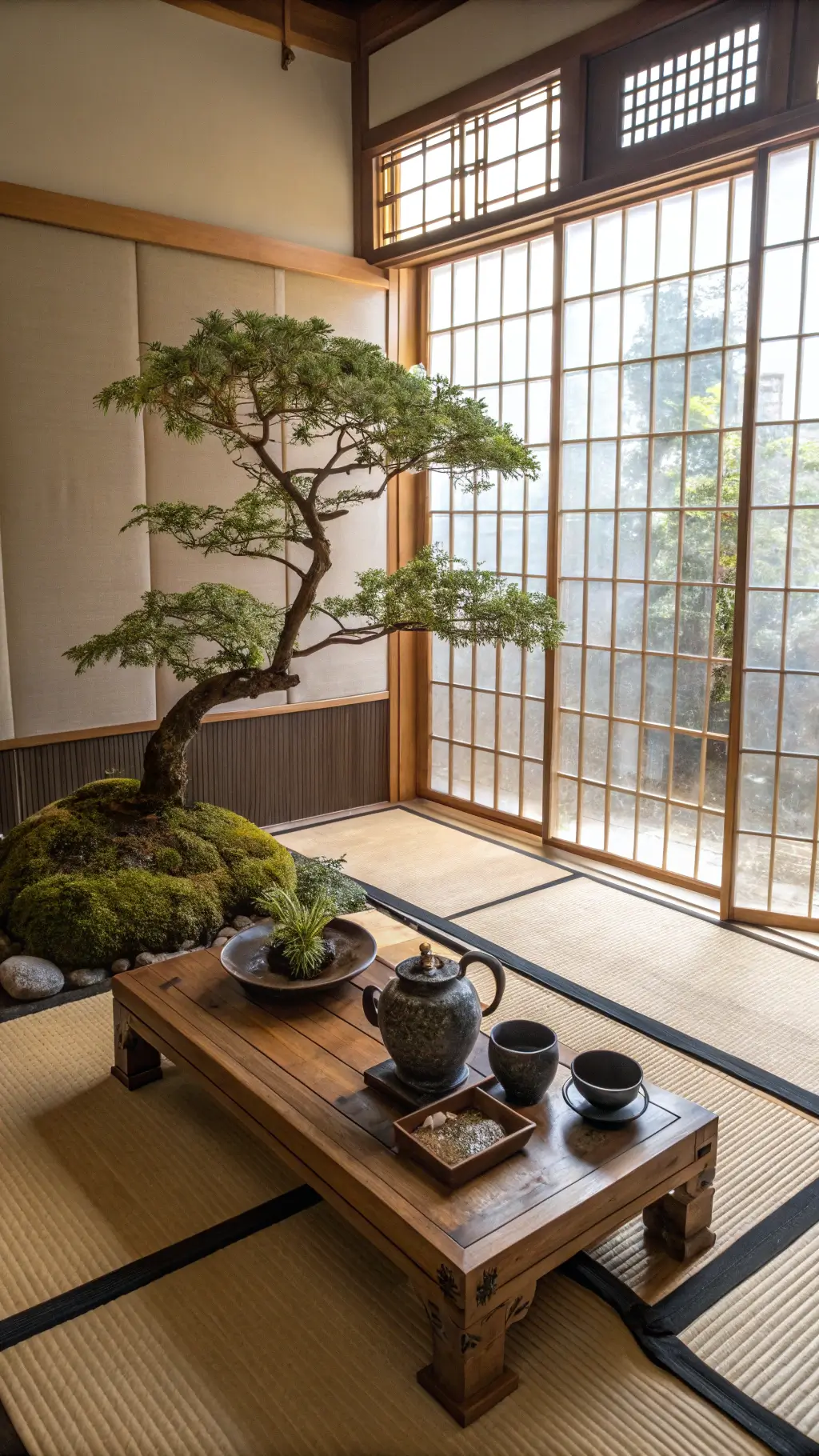
Final Thoughts: More Than Just a Stand
A bonsai display table isn’t just a piece of furniture – it’s a stage that elevates your living artwork.
Quick Checklist Before Buying
- Measure your bonsai
- Check room aesthetics
- Consider table material
- Evaluate your budget
Remember: The right display table doesn’t just hold your bonsai – it tells its story.
Expert Advice
Choose display tables that complement the tree without competing for attention. Wood with visible grain works well for traditional styles, while stone or ceramic suits more modern compositions.