
Mastering Bonsai Display: The Art of Stands and Accents
I learned the hard way that a bonsai isn’t “done” the day you pot it. Mine sat on the kitchen counter for a month before I built a simple walnut stand to lift my ficus to eye level — and suddenly the whole tree made sense. Raising it up changed how the branching read, and tucking a little flowering accent beside the pot gave it a sense of place. If you’ve been leaving your tree on a windowsill and calling it a day, stick with me. Display is half the art, and it’s the fun half. 🙂
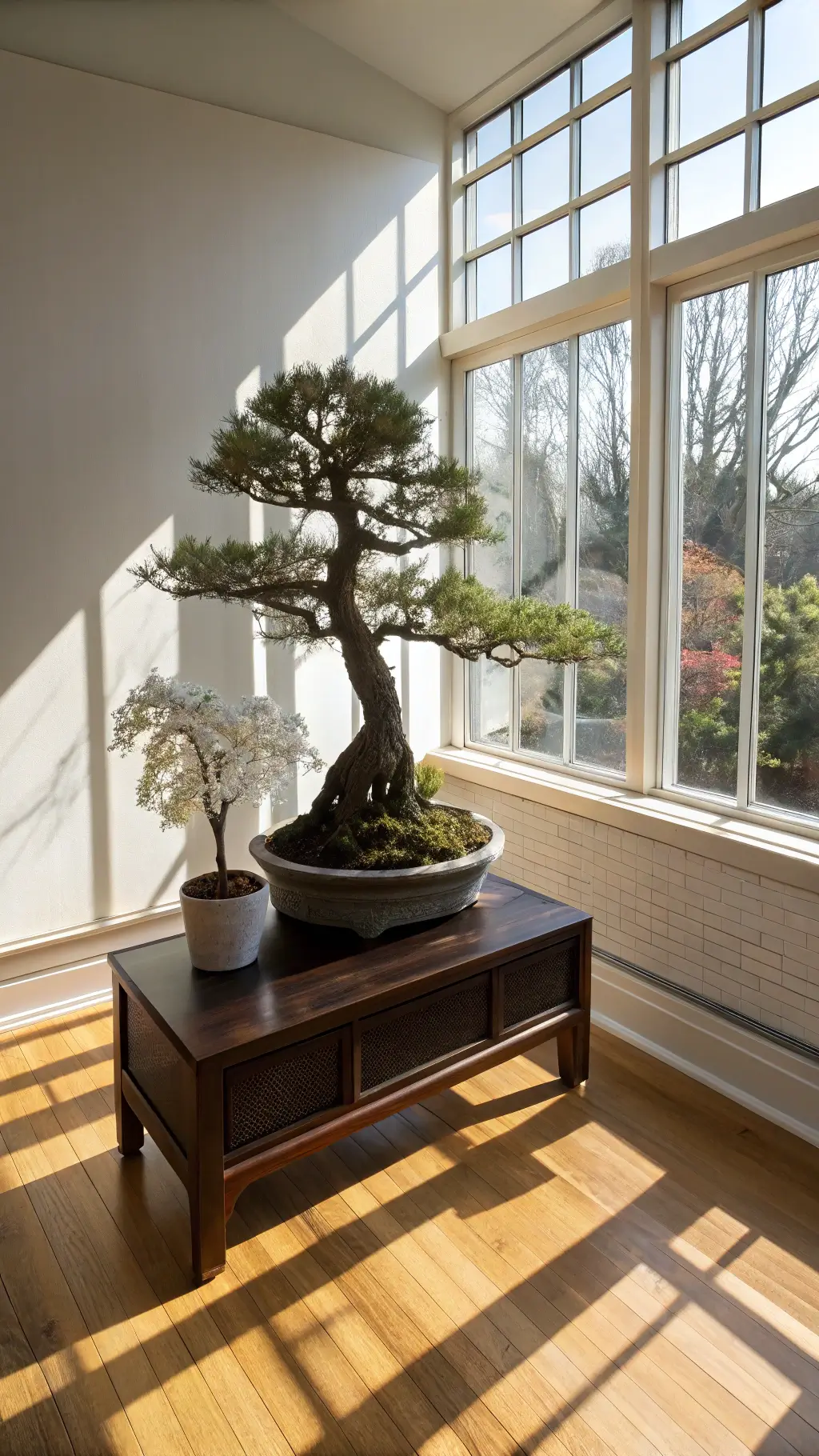
Why Your Bonsai Display Matters
A bonsai is a tiny tree pretending to be a giant landscape, and your job is to sell the illusion. The right stand and a well-chosen accent do the heavy lifting — they tell the viewer “this is a scene, not a houseplant.” Get it right and even a modest tree looks like it belongs in a museum. Get it wrong and you’ve got a shrub on a saucer.
Think of display as the frame around the painting. The tree does the talking, but the stand sets the tone, controls the height, and decides whether people lean in or walk past. If you’re just starting your bonsai journey, this is the step that turns “nice plant” into “wait, let me look at that again.”
Choosing the Perfect Bonsai Stand
The stand is the foundation of the whole composition, so don’t treat it like an afterthought you grab from the garage. Pick with intention and your tree will look planted in its own little world.
Size and Proportion Are Everything
Match the stand to the tree, not the other way around. A chunky, heavy base under a delicate shohin looks like the tree is wearing concrete boots. Aim for a stand roughly one-third to one-half the tree’s height — enough to lift it into view, never so tall it towers. If you want the deeper “why” behind bonsai on stands that elevate the tree, that’s where the magic of miniaturization really clicks.
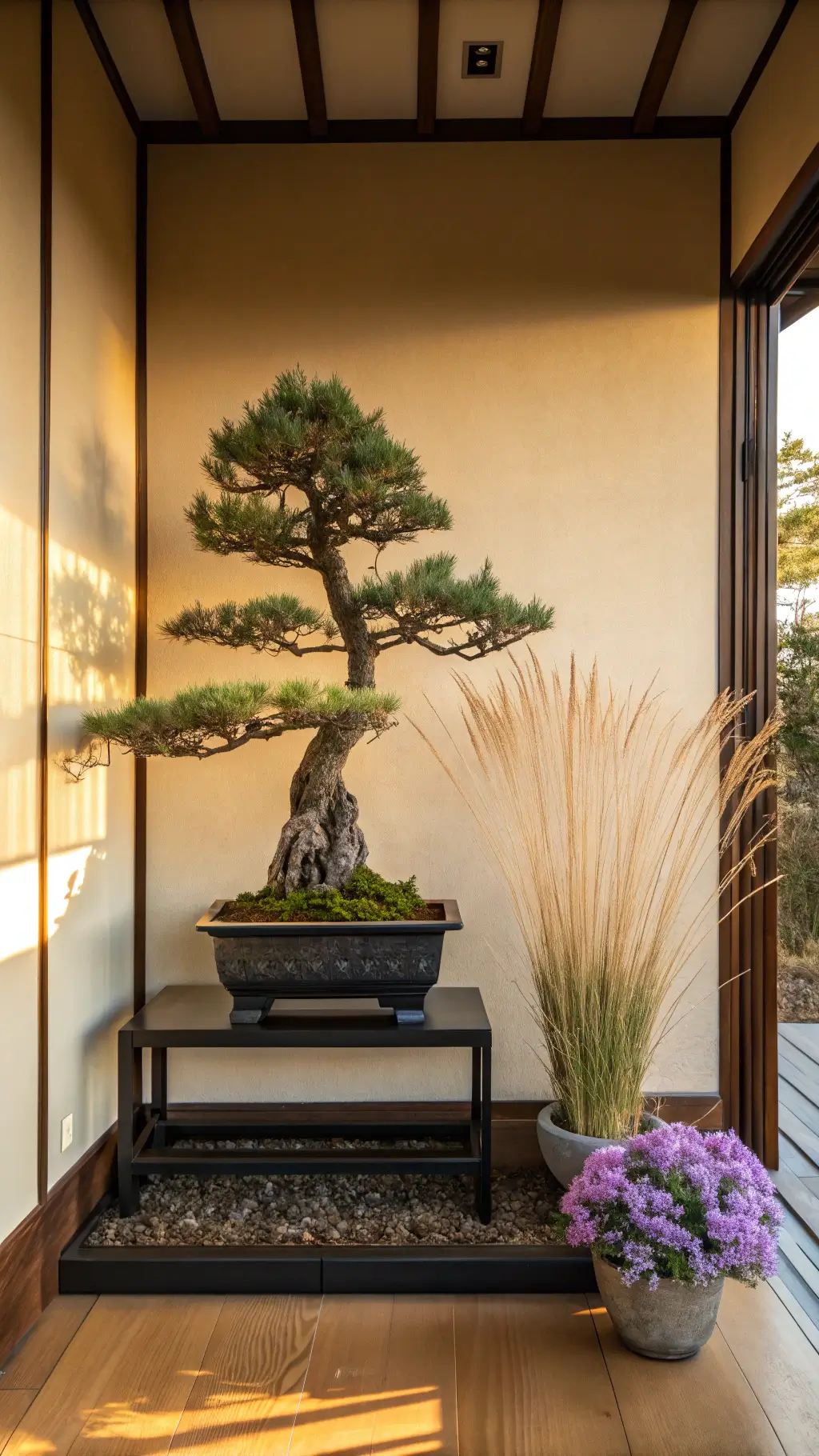
Stand Material Matters
Wood reads warm and natural; slate and stone feel grounded and ancient; lacquered black turns a formal upright into pure drama. There’s no “correct” material — only what flatters your tree and your room. A rustic maple in a loft wants weathered wood, while a tidy juniper in a tokonoma practically begs for lacquer. Let the tree’s personality pick the finish.
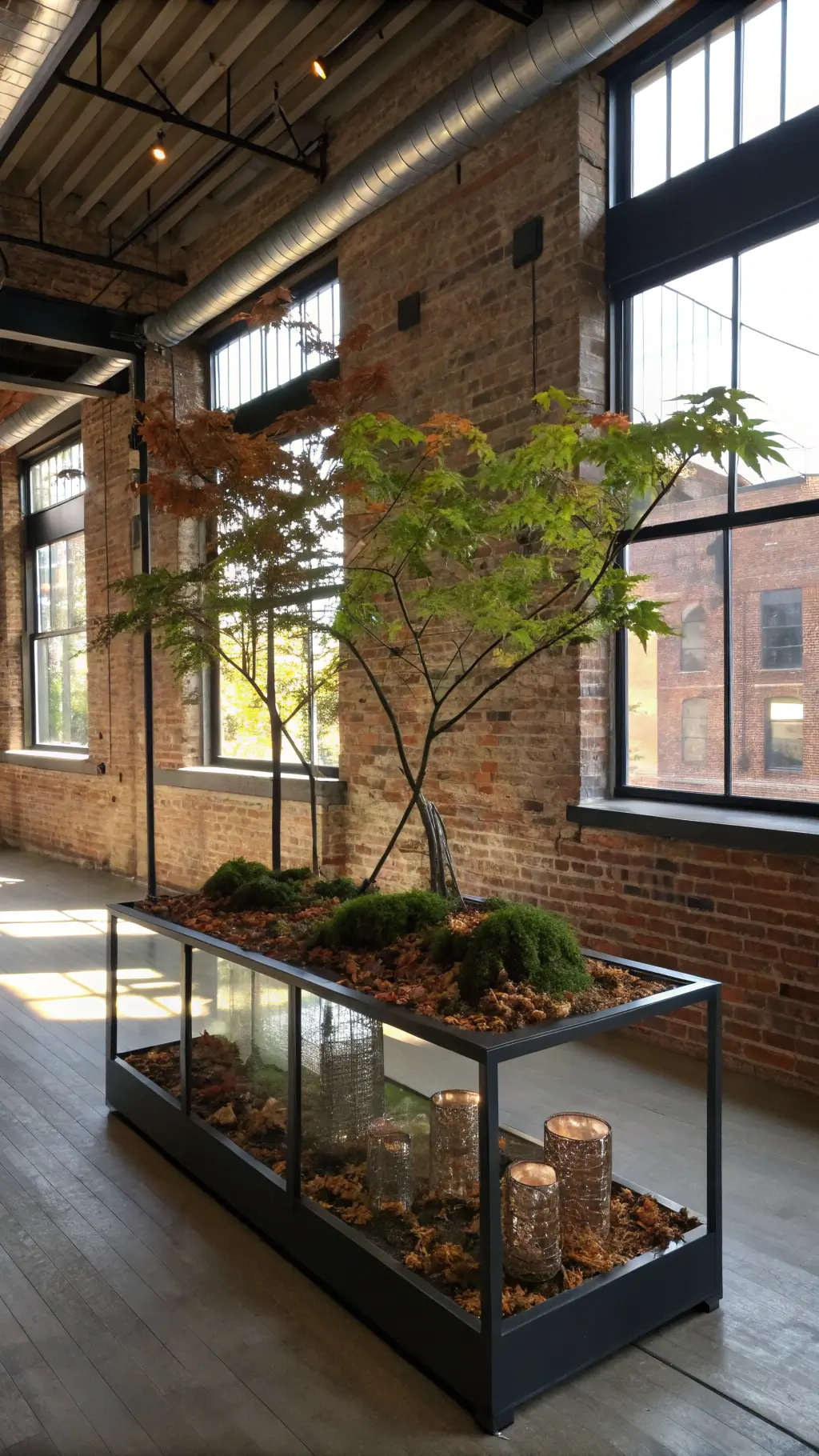
Accent Selection: The Supporting Cast
Accents are the side characters that make your bonsai the star. A small rock, a grassy companion planting (kusamono), or a tiny ceramic dish of moss adds scale and story without stealing the show. The trick is restraint — one accent, placed with care, beats a clutter of knickknacks every time.
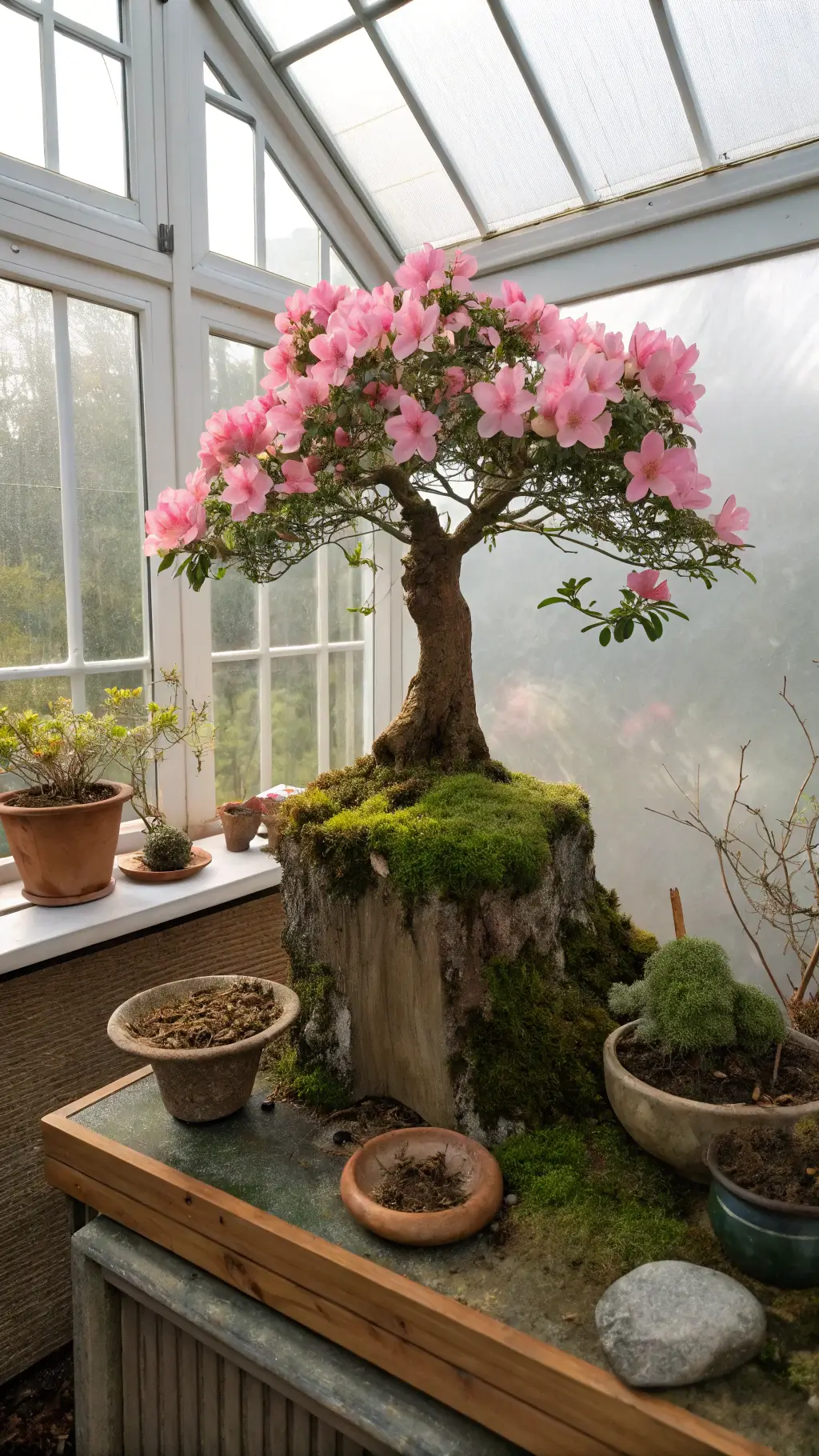
What Makes a Great Accent?
The best accents echo the tree without copying it. A flowering accent next to a somber evergreen adds a spark of life; a weathered stone under a cascading style suggests a cliff edge. Browse our bonsai display ideas when you want to see how different accents shift the whole mood of a setup.
Positioning Is Key
Put the accent off to the side, slightly forward, and lower than the tree’s base — never dead-center, never competing. You’re building a little landscape with a focal point and a supporting player. Nudge it an inch and the whole thing either sings or falls flat, so play with placement before you commit. IMO the “almost right” spot is usually one inch to the left. 🙂
Creating Visual Harmony
Harmony is the quiet goal behind every choice above. When stand, tree, and accent agree, the eye settles and stays. When they fight, you feel it even if you can’t name why.
The Holistic Approach
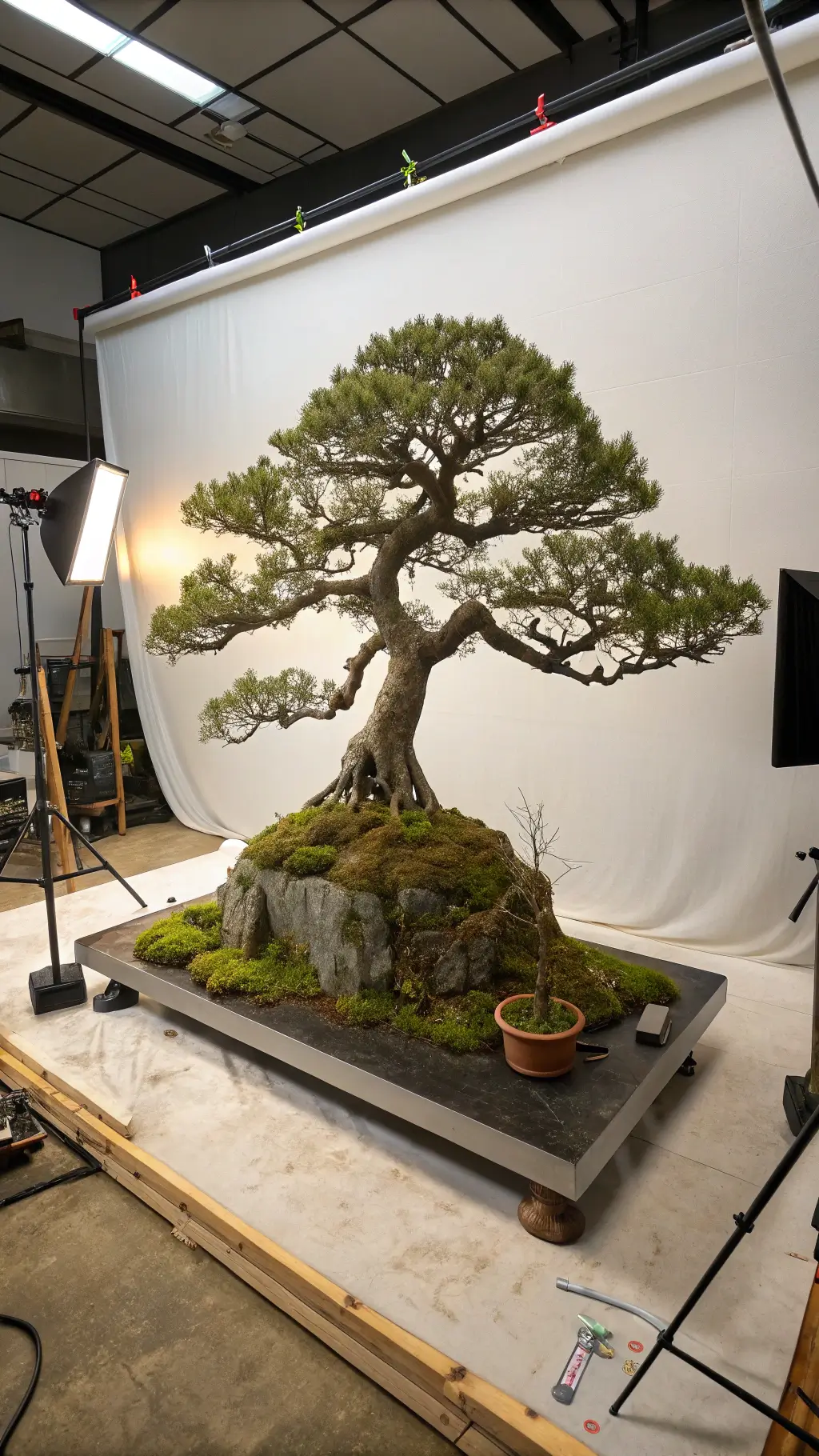
Step back and read the whole scene the way a stranger would. Same color family in pot, stand, and accent? Good. A clear front and a clear “floor” the tree grows from? Better. You’re aiming for “I could stare at this for an hour,” not “I notice the stand is crooked.”
Pro Tips for Stunning Displays
- Light from the side. Raking light throws shadows that make a flat tree look sculptural.
- Negative space is your friend. Don’t crowd the base — let the tree breathe.
- Rotate seasonally. Swap accents with the weather; a spring bloom in July looks confused.
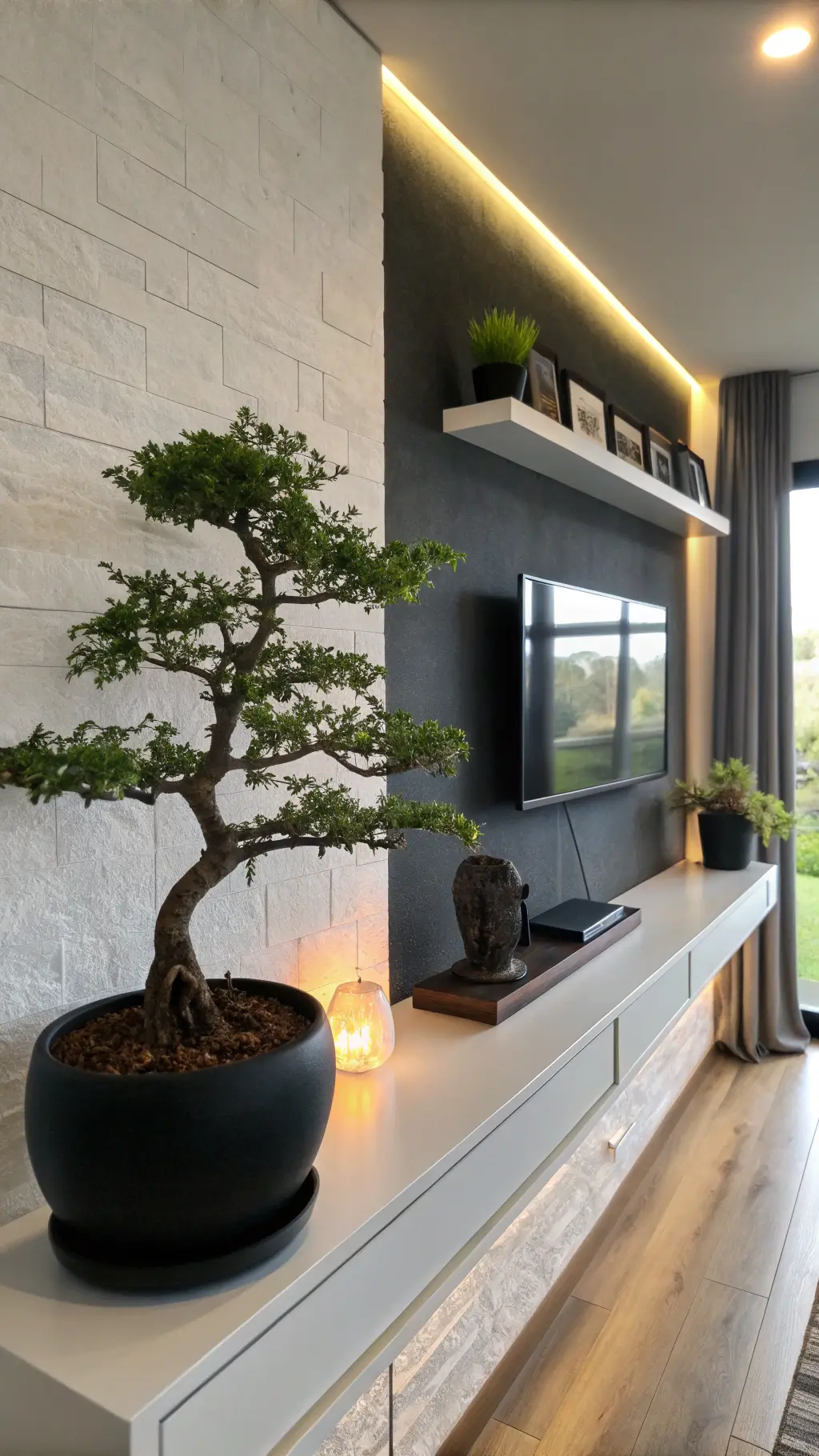
- Match the pot to the stand. Glazed pottery loves wood; bare root balls love stone.
Common Mistakes to Avoid
We’ve all done at least three of these, so don’t feel bad — feel warned:
- The invisible shelf. Plopping a tree at table height hides its best branching. Lift it up.
- Accent overload. Three figurines, two rocks, and a lantern = a yard sale, not a display.
- Clashing scales. A towering stand under a thumb-sized tree looks like a circus act.
- Forgetting the viewer. If the “good side” faces the wall, nobody sees your work. Angle it toward the room.
For a deeper walkthrough on Displaying a bonsai is an art, that guide breaks down angles and sightlines I’m only skimming here.
The Bottom Line
Displaying a bonsai is where the tree stops being a plant and starts being a story. Grab a stand that fits, pick one accent that complements, and angle the whole thing toward the light and the room. You don’t need a tokonoma or a studio cyclorama — my first great display was a walnut board and a $4 pot of white flowers. So give it a shot, trust your eye, and tweak until it feels right. Your tree deserves more than a windowsill. 😉