
What Makes the Purple Pitcher Plant So Special?
The purple pitcher plant is the chill cousin of the carnivorous world, squat red-purple traps that sit like little vases and quietly deal with your fungus gnats.
A Unique Plant with a Killer Appetite
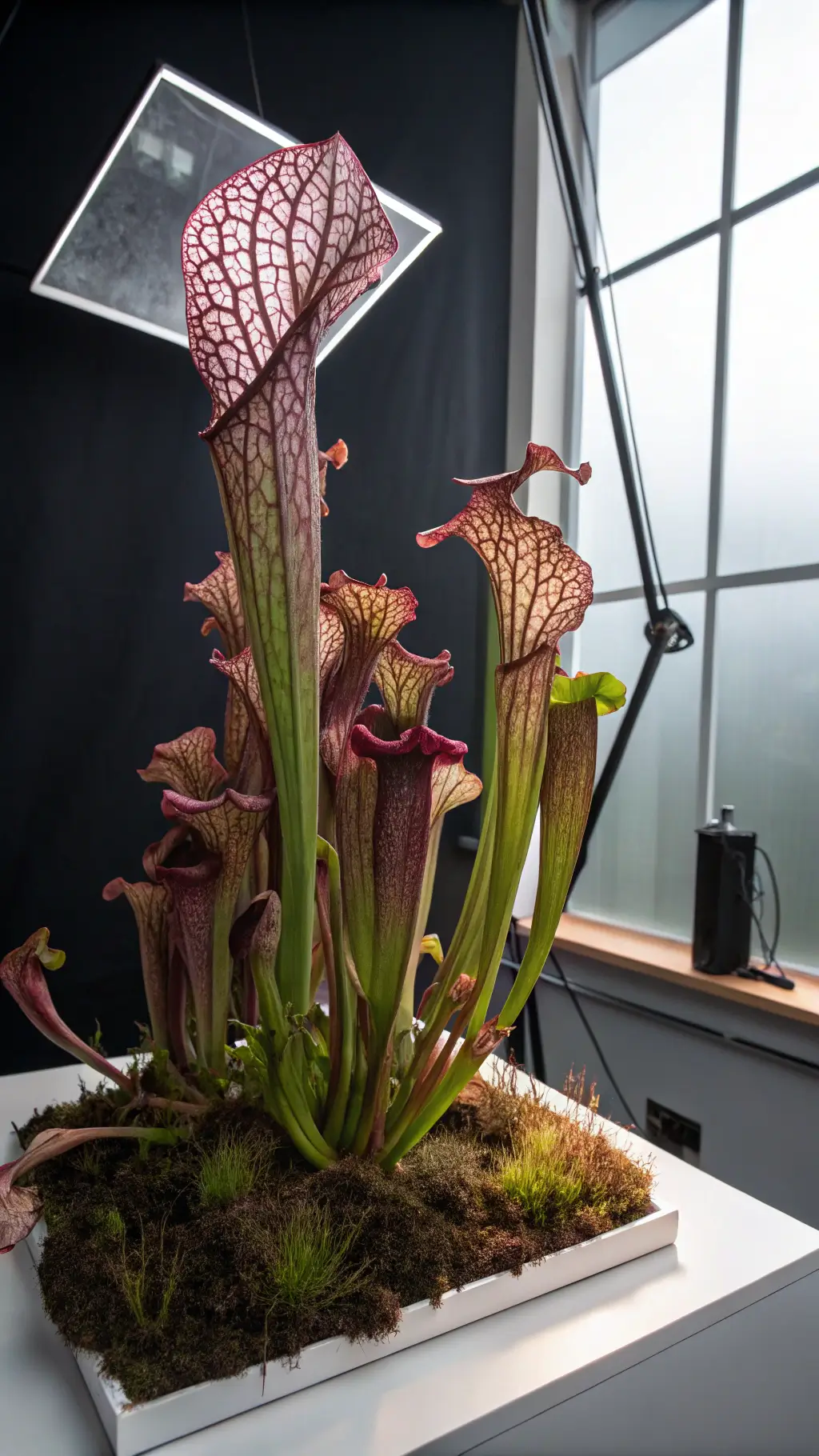
Those short, fat pitchers flush purple in strong light and fill with rain. They look decorative and are absolutely not.
The Incredible Hunting Mechanism
Downward hairs and a slick interior make escape impossible. The plant lets gravity and chemistry do the hunting.
How It Catches Its Prey
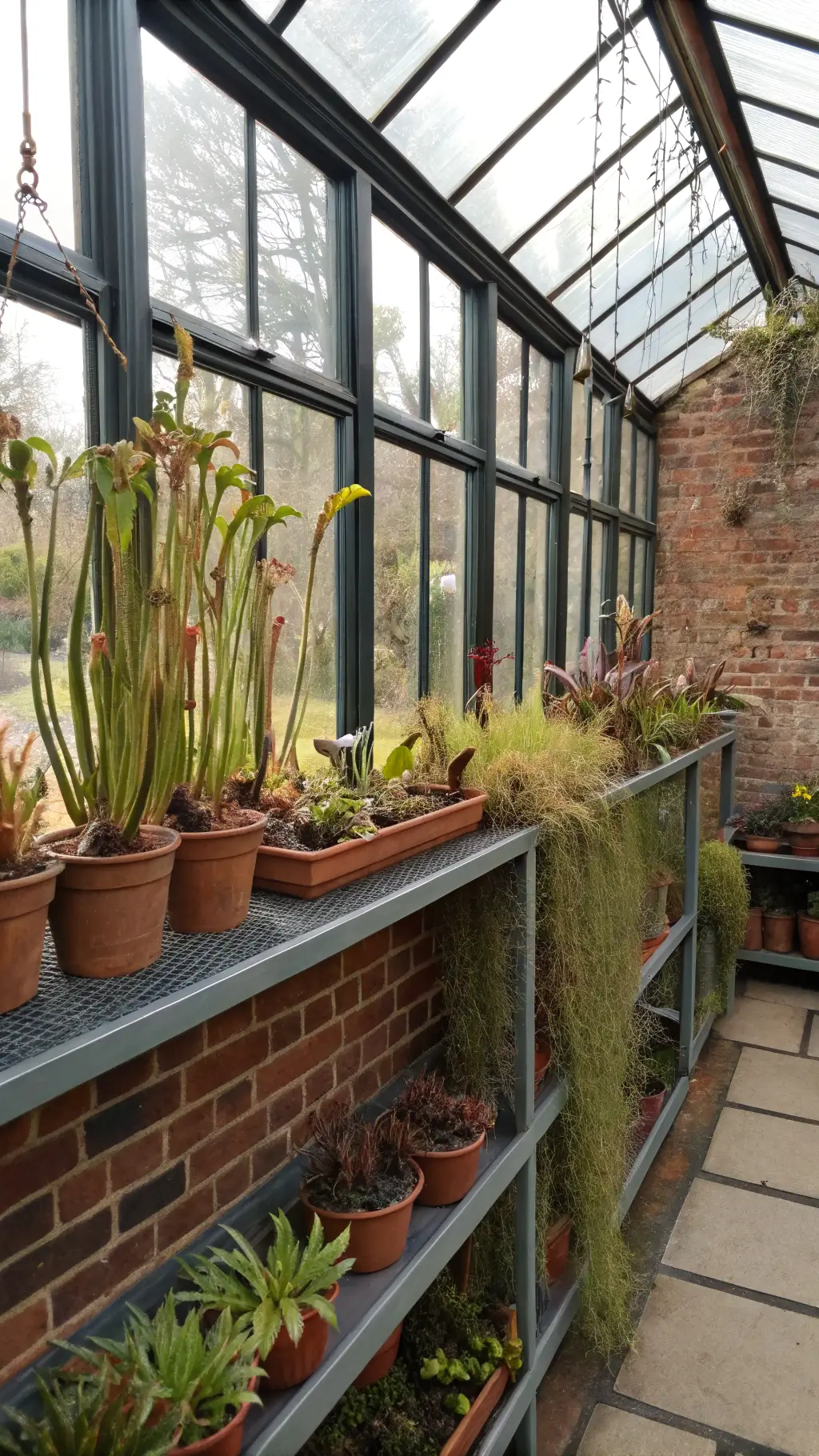
Nectar at the rim lures insects in, then the hairs force them downward into the digestive pool. No effort required from you.
Where You’ll Find These Botanical Predators
Bogs from Canada to the Gulf. It’s the cold-hardy pitcher, happy even where most carnivores sulk.
Growing Your Own Carnivorous Companion
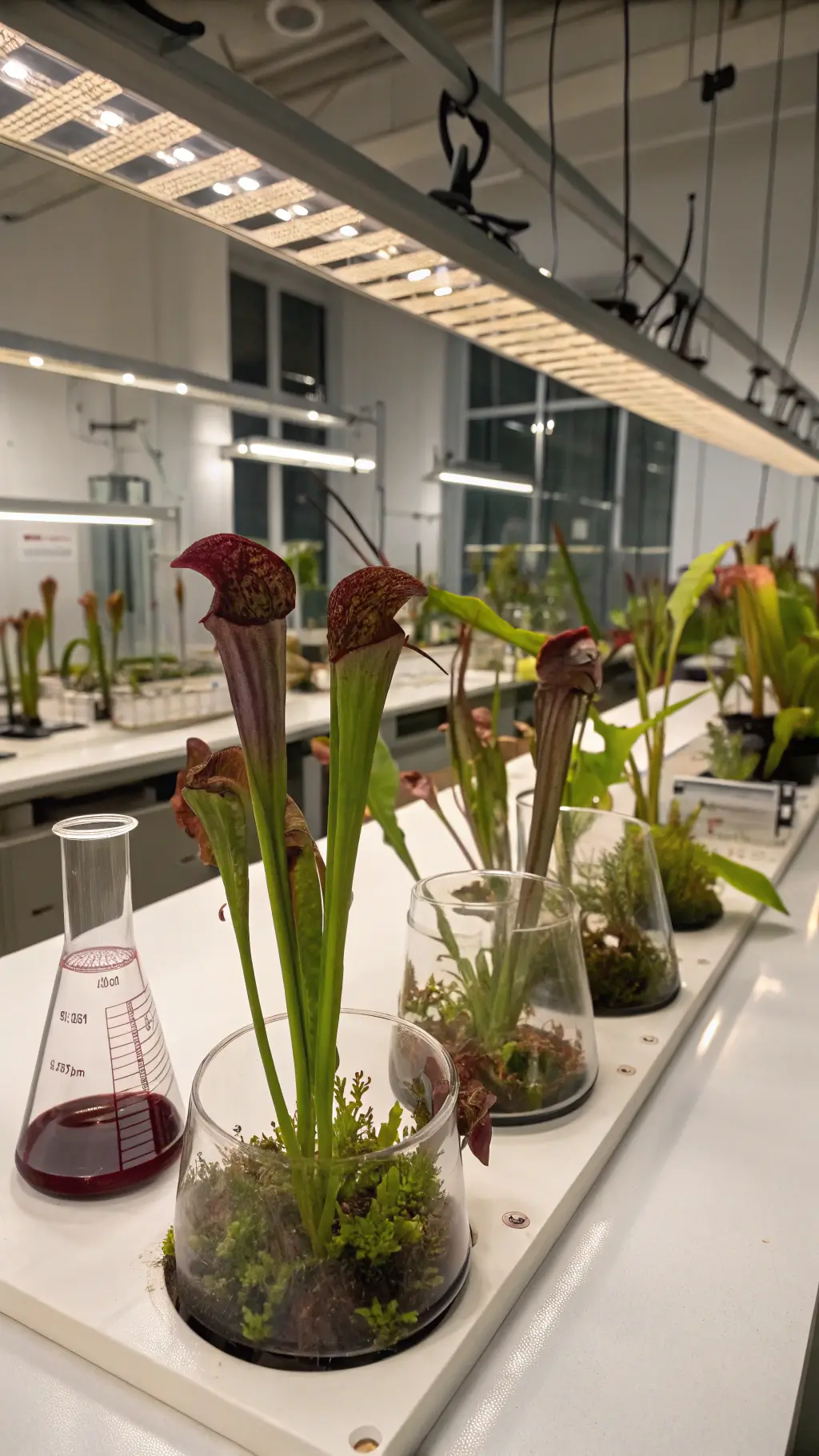
Sphagnum and a water tray, that’s the recipe. It tolerates cooler temps than its southern relatives, a real plus.
Perfect Growing Conditions
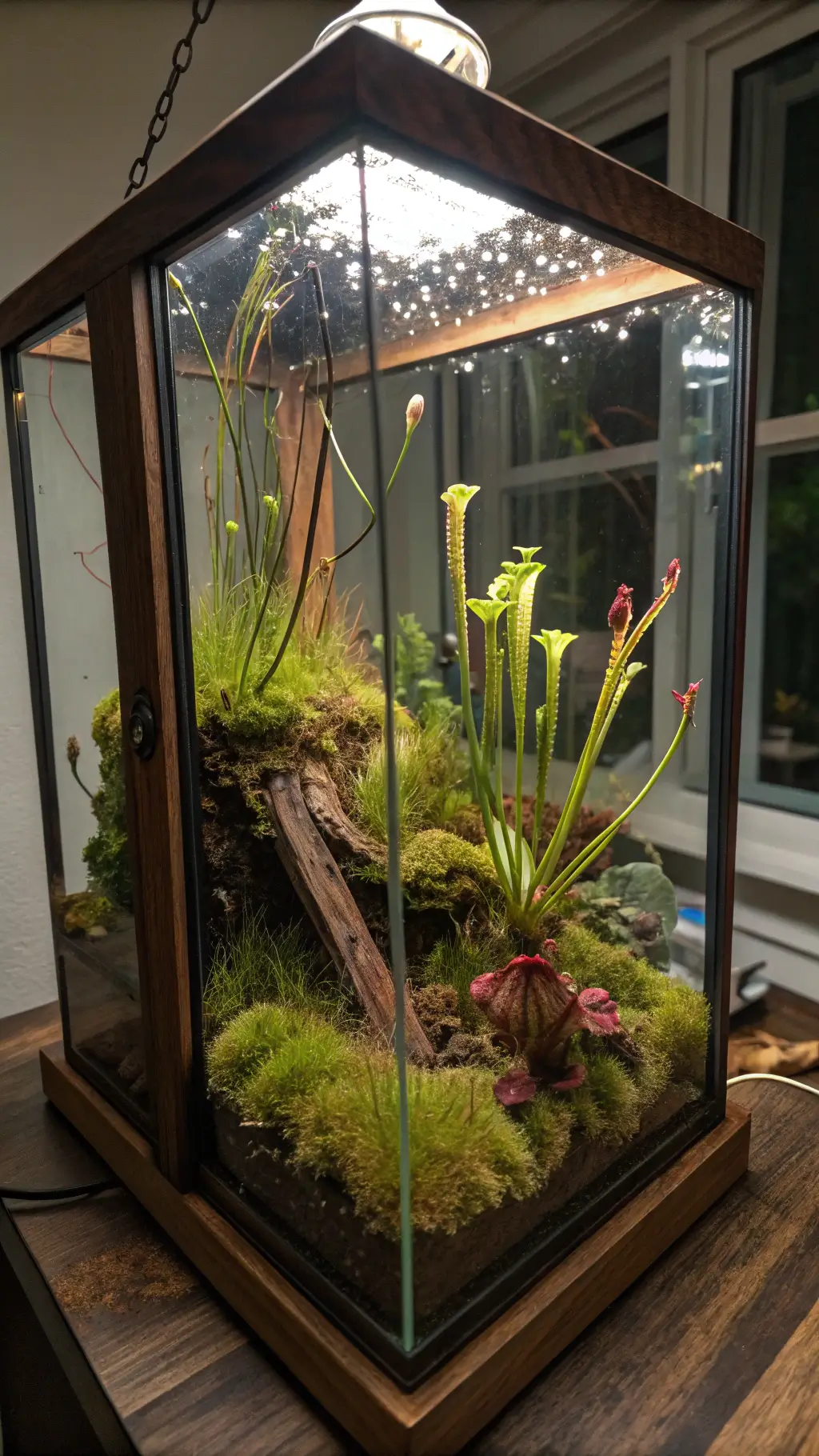
Bright sun brings out the purple and keeps the pitchers sturdy. Keep the crown above the waterline to avoid rot.
Conservation: Protecting These Plant Wonders
Habitat loss hits hard here too. Growing purpurea keeps the species visible and valued.
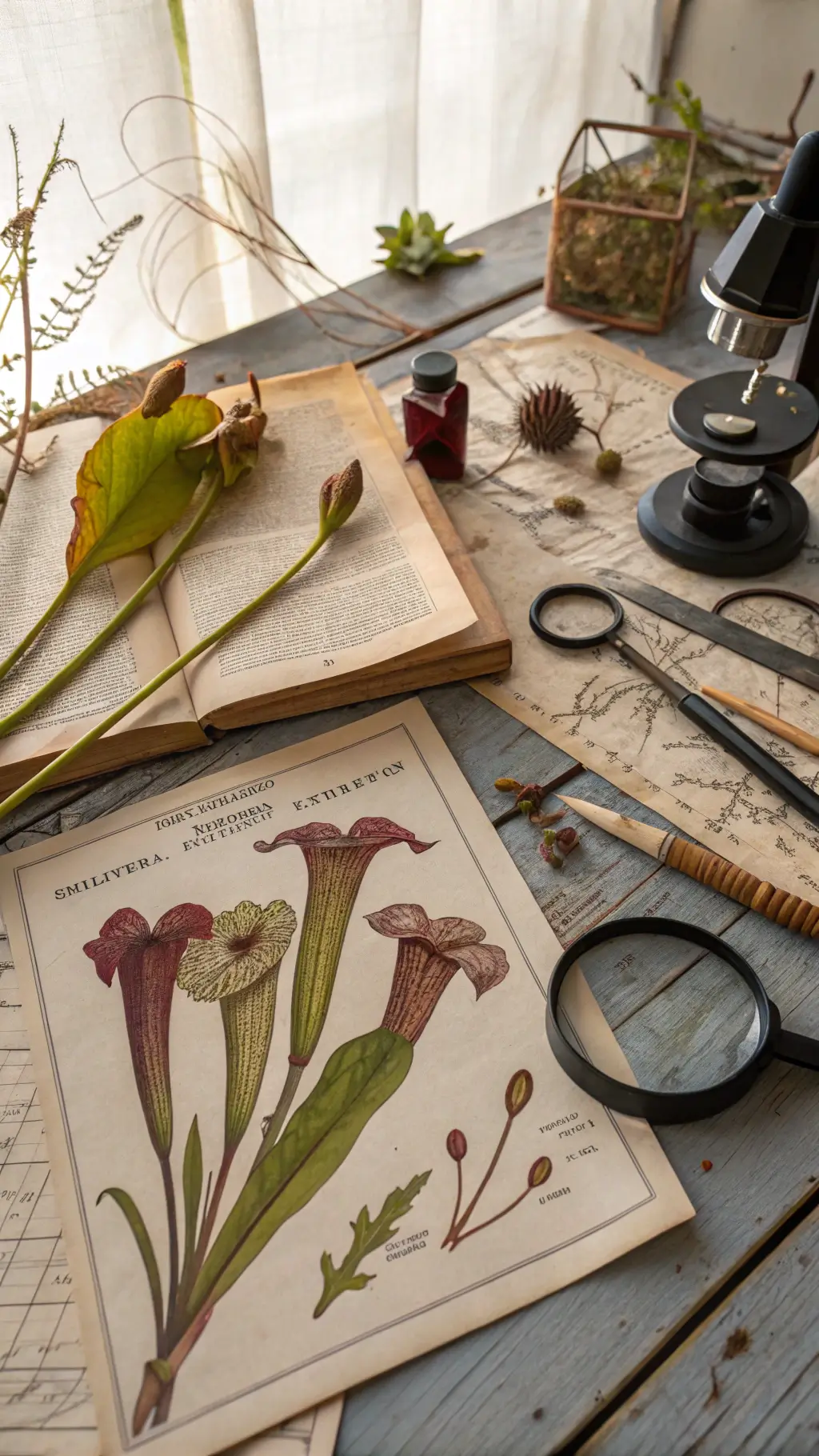
Pro Tips for Sarracenia Purpurea Care
Let it winter-dormant if you can; a cool rest makes summer growth lush. Don’t feed it bits of meat, it gets what it needs.

Final Thoughts
The yellow pitcher plant is its sunny sibling, the pitcher plant adds another pitcher shape, our Sarracenia hub covers the group, and the carnivorous marvel is a must-see carnivorous marvel.
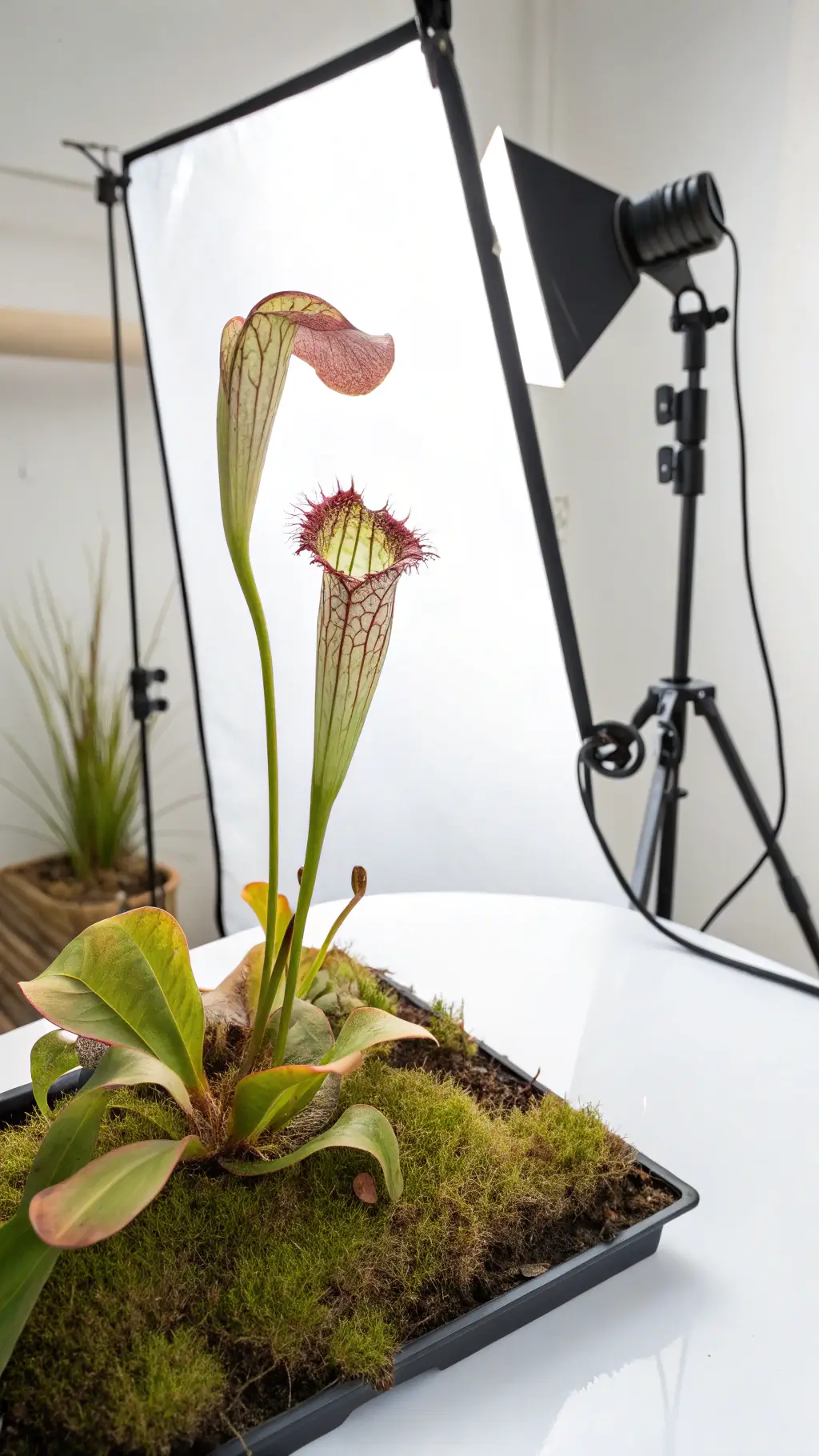
Conclusion
Sarracenia purpurea is a cold-hardy, bug-eating beauty that loves sun and soggy sphagnum. Give it a winter rest and watch it thrive. Give it a shot!