
Growing Beavertail Cactus: A Desert Gem That’s Easier Than You Think
I collected a beavertail cactus pad on a hike in Joshua Tree after it had already broken off the mother plant. I let it callus for three weeks, stuck it in dry sand, and within a year it had rooted and produced three new pads.
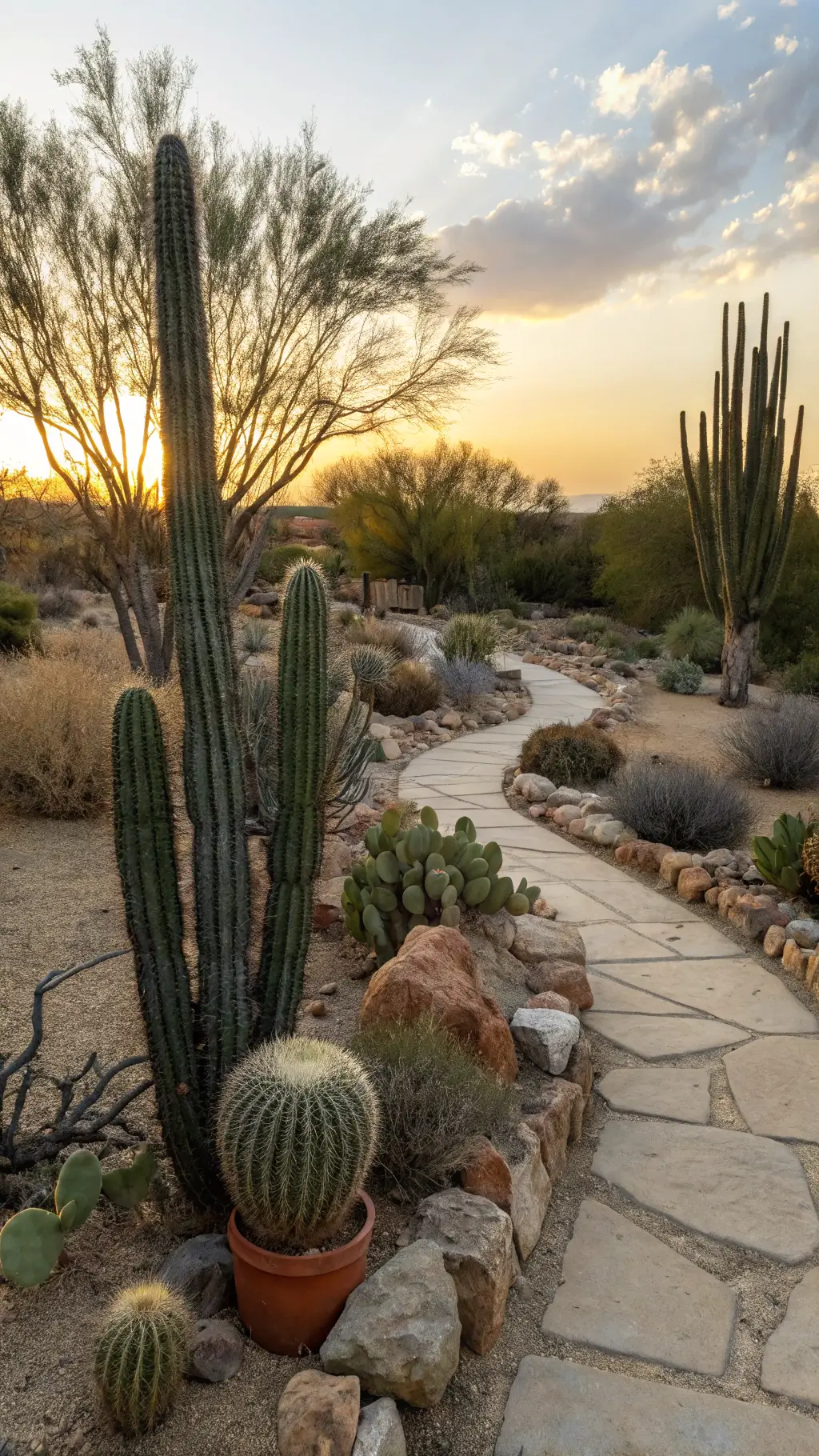
Why You’ll Love This Desert Charmer
Trust me, I was skeptical at first too. But after growing these in my garden for years, I can tell you they’re absolutely stunning and surprisingly low-maintenance.
What Makes the Beavertail Special?
Think of it as the supermodel of desert plants:
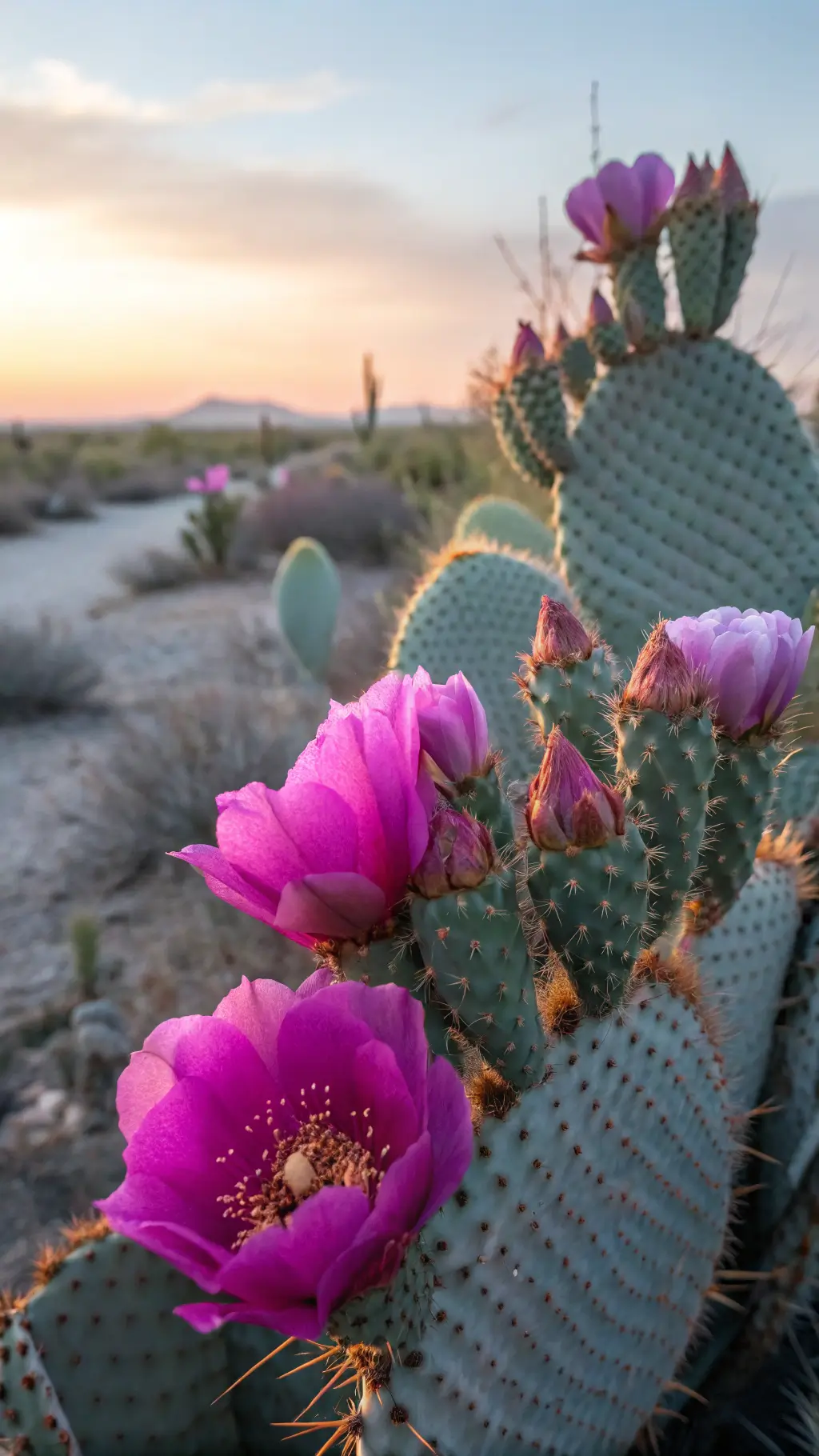
- Those gorgeous blue-gray pads (shaped just like a beaver’s tail!)
- Show-stopping magenta-purple flowers in spring
- Compact growth (never gets taller than 3 feet)
- Zero scary spines (though watch out for those tiny bristles!)
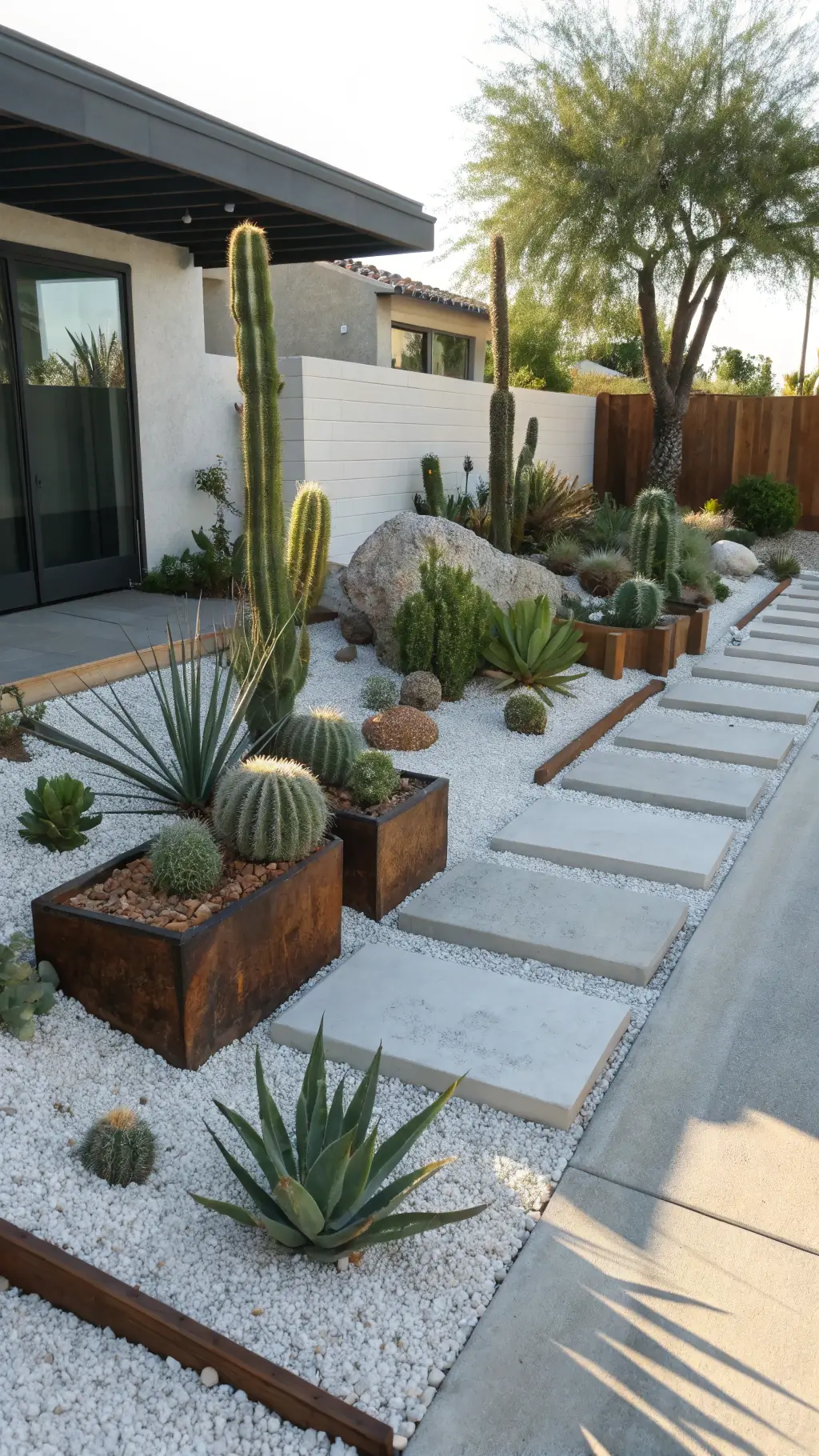
Location, Location, Location
Here’s what I’ve learned about placing these beauties:
Perfect Spots:
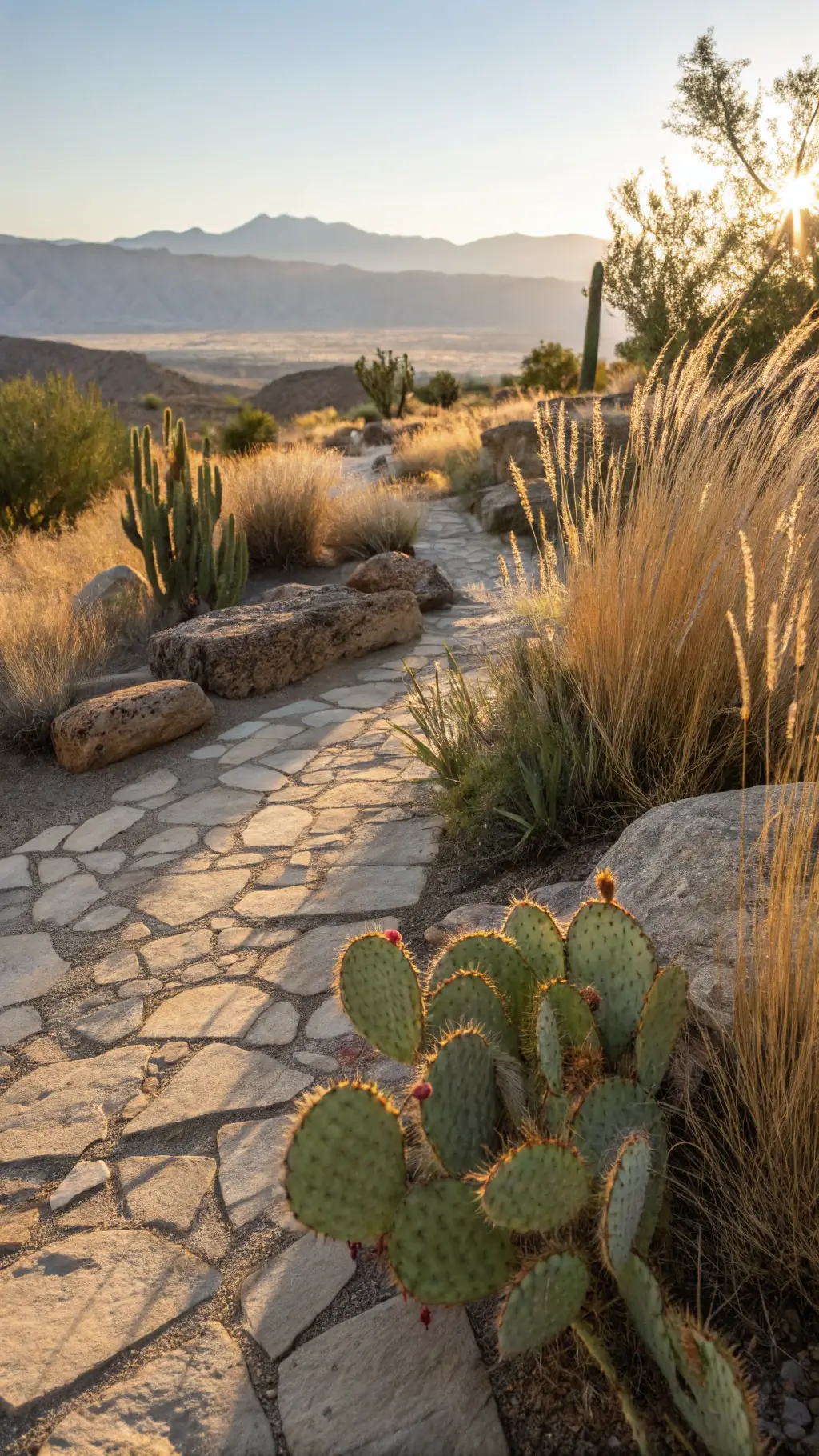
- Rocky slopes
- Sandy garden beds
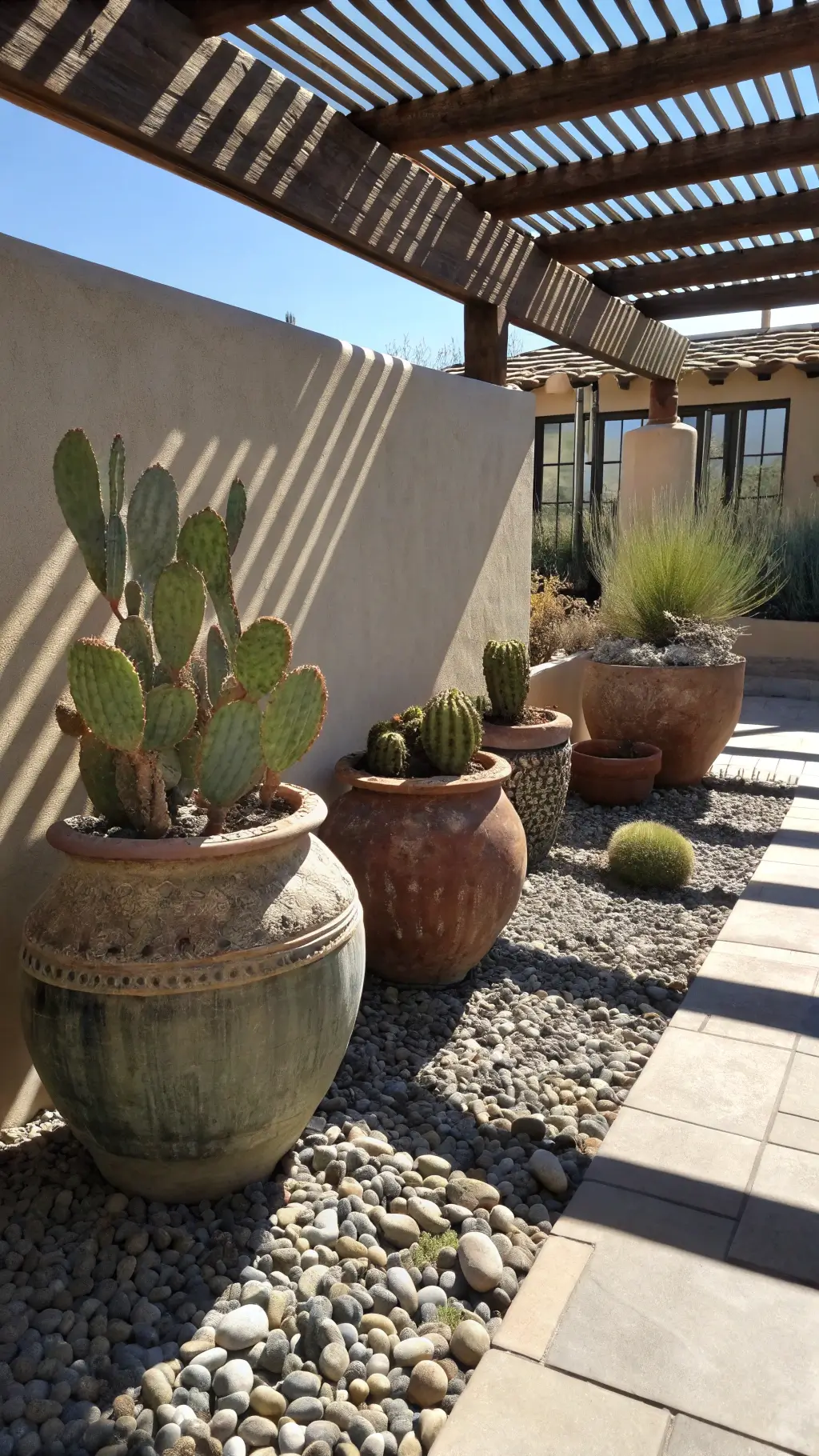
- Well-draining containers
- Rock gardens
- Xeriscaping projects
Avoid:
- Shady corners
- Areas with poor drainage
- Low spots where water collects
Care Tips That Actually Work
Light:
Full sun is your friend here. My healthiest specimens get at least 6 hours of direct sunlight daily.
Water:
Less is more! I water mine:
- Once every 2-3 weeks in summer
- Monthly in winter
- Never during rain
Soil:
Think desert conditions:
- Sandy or gravelly mix
- Excellent drainage is crucial
- Add perlite or pumice for container growing
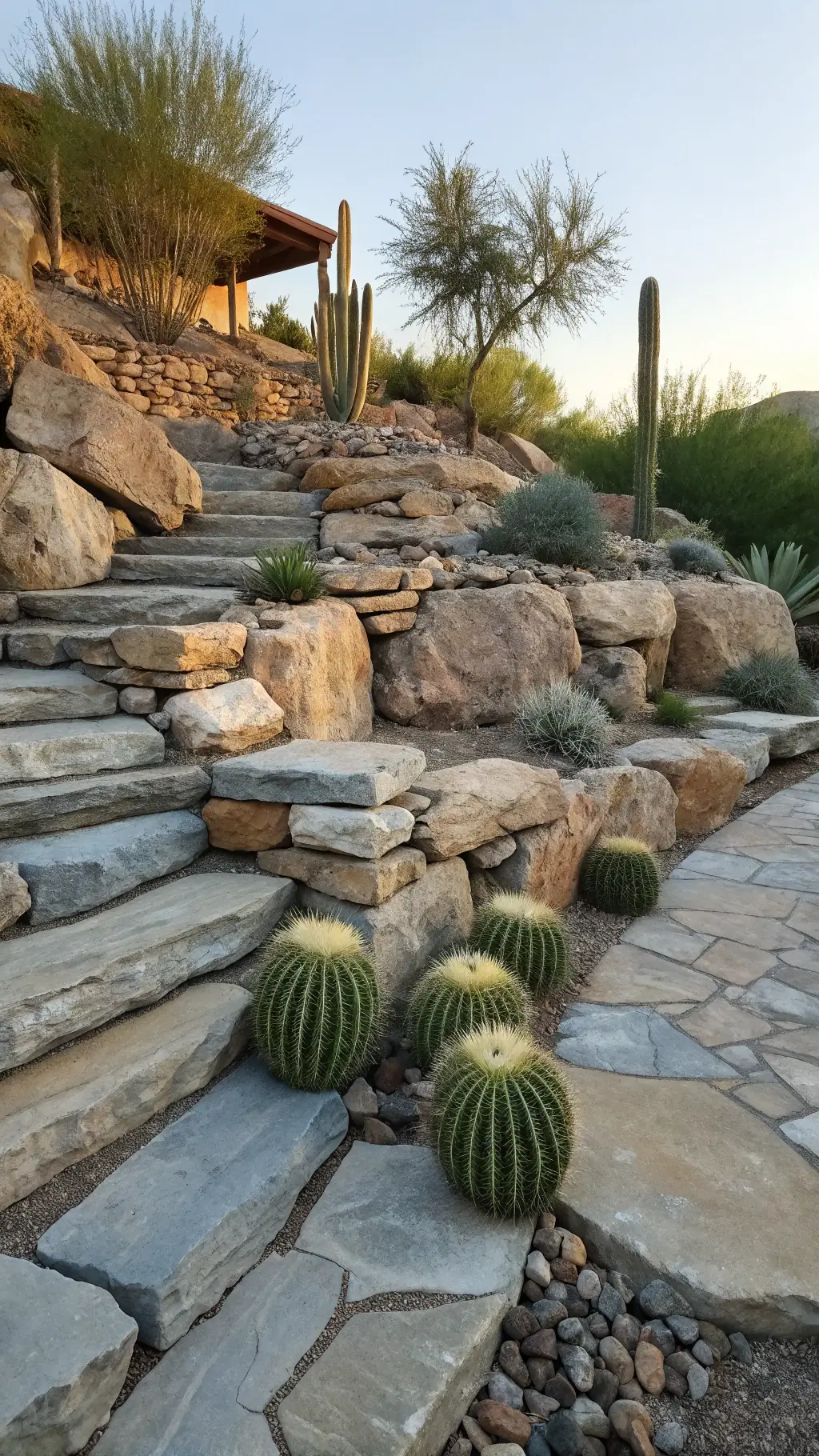
The Tough-as-Nails Nature
Let me tell you why this cactus is amazing:
- Survives temperatures down to 15°F
- Thrives in extreme heat
- Needs almost zero maintenance
- Perfect for busy gardeners or beginners
Propagation Made Simple
Want more plants? Here’s my fool-proof method:
- Cut a healthy pad in spring
- Let it callus for a week
- Plant in dry, sandy soil
- Wait patiently (seriously, don’t water yet!)
- Watch for new growth in 4-6 weeks
Bonus Tips from My Garden
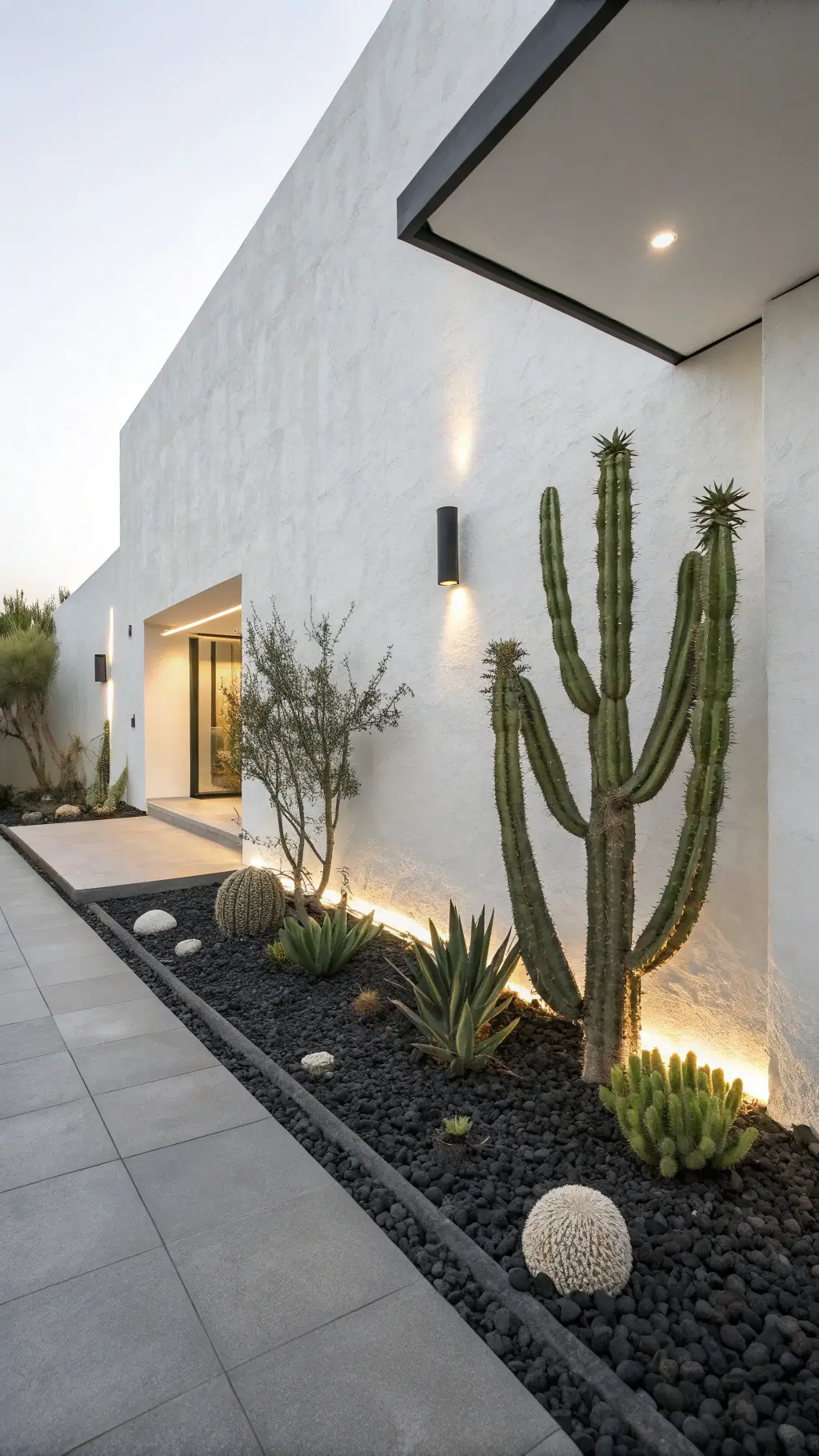
- Plant in groups of 3-5 for maximum impact
- Add rocks around the base for a natural look
- Perfect companion for other desert natives
- Fantastic pollinator attractor
Common Questions I Get
“Help! My cactus looks wrinkled!”
→ Usually means it needs water. Give it a good drink, then wait until soil is completely dry before watering again.
“When will it bloom?”
→ Patience! Healthy plants bloom in spring, typically their second or third year.
Final Thoughts
Beavertail cactus is one of the easiest opuntias to root from a pad. Use dry, sandy soil, avoid water until roots appear, and place it in full sun for the best pad color.