
Understanding Your Philodendron Cordatum
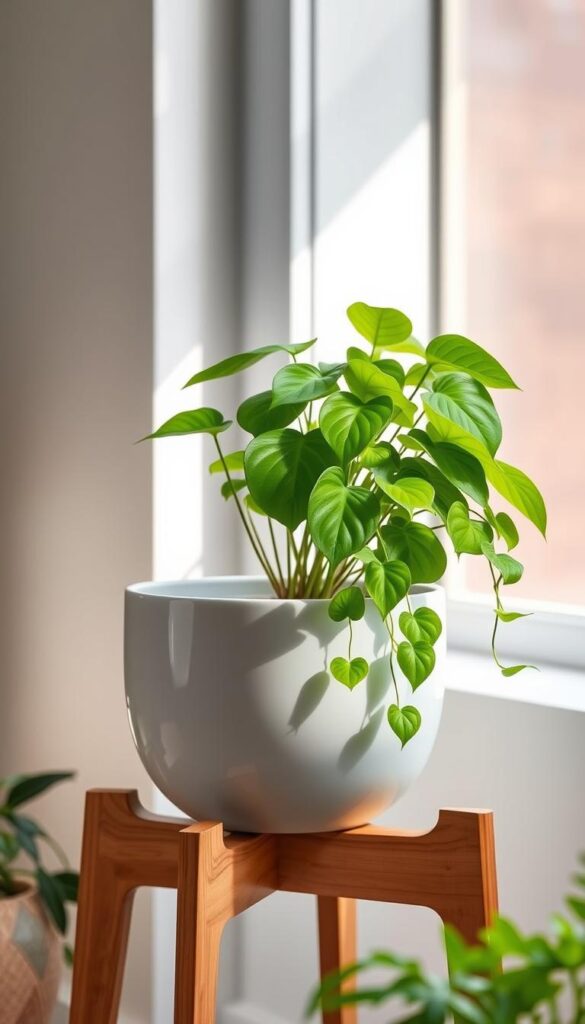
The Cordatum — better known as heartleaf philodendron — is the easygoing trailer that thrives on a little neglect. Those heart-shaped leaves make it a classic for shelves, hangers, and beginners alike.
This Philodendron is about as low-drama as houseplants get. Let’s cover the care so yours stays full and trailing.
Native Regions and Origins
Cordatum comes from the tropical Americas, where it climbs trees in dappled forest light. We’re just shrinking that habitat onto a shelf.
Overview of Plant Characteristics
- Heart-shaped, glossy leaves on long trailing vines.
- A natural climber that also trails beautifully.
- Tolerates lower light better than many philodendrons.
Exploring Heartleaf Philodendron Traits
The charm is in the simplicity — uniform leaves and a vining habit that fills space fast.
Growth Patterns and Climbing Habits
Left to trail, it cascades several feet; given a pole, it climbs and the leaves size up. Either way it’s a quick grower in good light. As a houseplant it’s hard to beat for versatility.
If you’ve ever confused it with a neon pothos, this comparison clears things up:
Philodendron Cordatum Care Guide: Key Practices
The core routine, condensed.
Establishing a Routine
Check soil moisture weekly and water when the top inch dries. A predictable light spot keeps growth even.
Optimizing Light Exposure
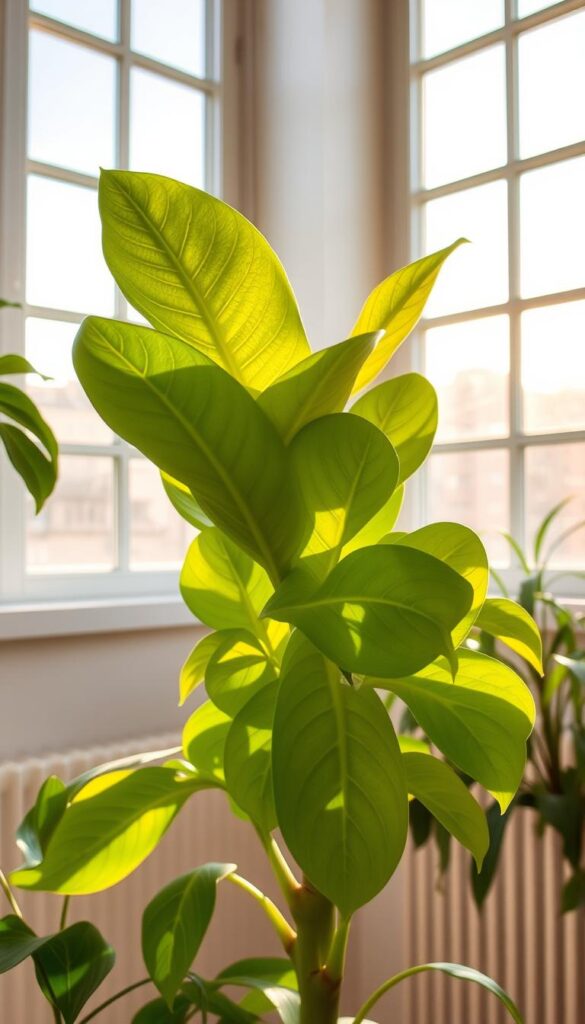
Bright indirect light is ideal, but this one forgives shade.
Choosing the Right Window Placement
An east or north window suits it; a few feet from a south window works too. Too much direct sun bleaches the leaves.
Managing Direct vs Indirect Sunlight
Indirect light keeps leaves rich green; a little morning sun is fine, but harsh afternoon rays scorch. Filter strong windows with a sheer curtain.
Soil, Water, and Drainage
Keep it simple and airy.
Selecting a Well-Draining Potting Mix
A standard houseplant mix with added perlite drains well and prevents the soggy roots this plant hates. Repot only when roots show growing out of the drainage holes or water backing up — a sign it’s rootbound.
Watering Techniques and Drainage Tips
Water thoroughly, let it drain, and empty the saucer. For a deeper look at indoor watering strategy, our indoor guides cover the wider picture.
Fertilizing, Repotting, and Nutrients
Light feeding keeps it happy without buildup.
When and How to Repot
Move up one size in spring when growth stalls or roots crowd. Fresh mix resets the nutrients.
Choosing Fertilizers and Timing
A balanced liquid feed at half strength monthly in the growing season is plenty. Skip it in winter.
Pruning and Propagation
Both are satisfyingly easy.
Pruning for Fuller, Bushier Growth
Pinch back long vines to force branching — the trimmings become new plants. Regular trims keep it from getting leggy.
Propagating Through Stem Cuttings
Drop a node-bearing cutting in water and roots appear in weeks. It’s the same foolproof method that makes pothos so popular.
A full care walkthrough ties the whole routine together:
Integrating Self-Watering Planter Strategies
If you travel or forget, this is a game changer.
Understanding the Mechanics of Self-Watering Planters
A reservoir below the soil wicks moisture up as needed, so the plant drinks on its own. These planters can revolutionize how you care for trailing plants.
Managing Pests and Troubleshooting
Keep an eye out and problems stay small.
Identifying and Preventing Pests
Spider mites and mealybugs like dry air. Wipe leaves and raise humidity to keep them away.
Dealing With Root Rot and Fungal Problems
Yellow, mushy stems mean too much water. Cut back, improve drainage, and let the soil dry between drinks.
Adjusting Care for Seasonal Changes
The plant’s pace shifts through the year.
Spring and Summer Adjustments
Water and feed a bit more as growth kicks in. This is also the best time to propagate.
Fall and Winter Considerations
Ease off water and fertilizer as growth slows. Keep it away from cold windows and dry heat vents.
Enhancing Indoor Placement
Put it where it can show off.
Optimizing Humidity and Temperature
Aim for 18–24°C (65–75°F) and average humidity. A bookshelf near other plants creates a nice microclimate.
Parting Insights for Nurturing Your Philodendron
The Cordatum rewards consistency, not perfection. A bright spot, occasional water, and the odd trim keep it lush for years.
| Light Type | Effects on Plant | Recommended Usage |
|---|---|---|
| Direct Sunlight | Can scorch leaves, cause discoloration | Filter with sheer curtains |
| Indirect Light | Encourages healthy growth, vibrant foliage | Use near east- or west-facing windows |
| Propagation Step | Action | Details |
|---|---|---|
| 1. Take Cuttings | Use 3-4″ stem cuttings | Ensure at least two nodes |
| 2. Place in Water | Submerge cut ends | Refresh water weekly |
| 3. Wait for Roots | Monitor root development | 1-2 weeks for roots |
| 4. Pot Cutting | Transfer to soil | Use well-draining mix |
Conclusion
The heartleaf Cordatum is the definition of easy: bright indirect light, a well-draining mix, and water only when the top soil dries. Prune to bush out, prop the cuttings, and give it a shot — within weeks you’ll have a fuller, trailing plant that proves low-maintenance doesn’t mean boring.