
Palmer’s Agave: The Majestic Desert Succulent That Transforms Landscapes
I saw Palmers agave growing wild in West Texas where the compact rosettes with dark green leaves and sharp marginal teeth blended into the rocky landscape. Smaller than many agaves, rarely over two feet, it’s perfect for a patio container.
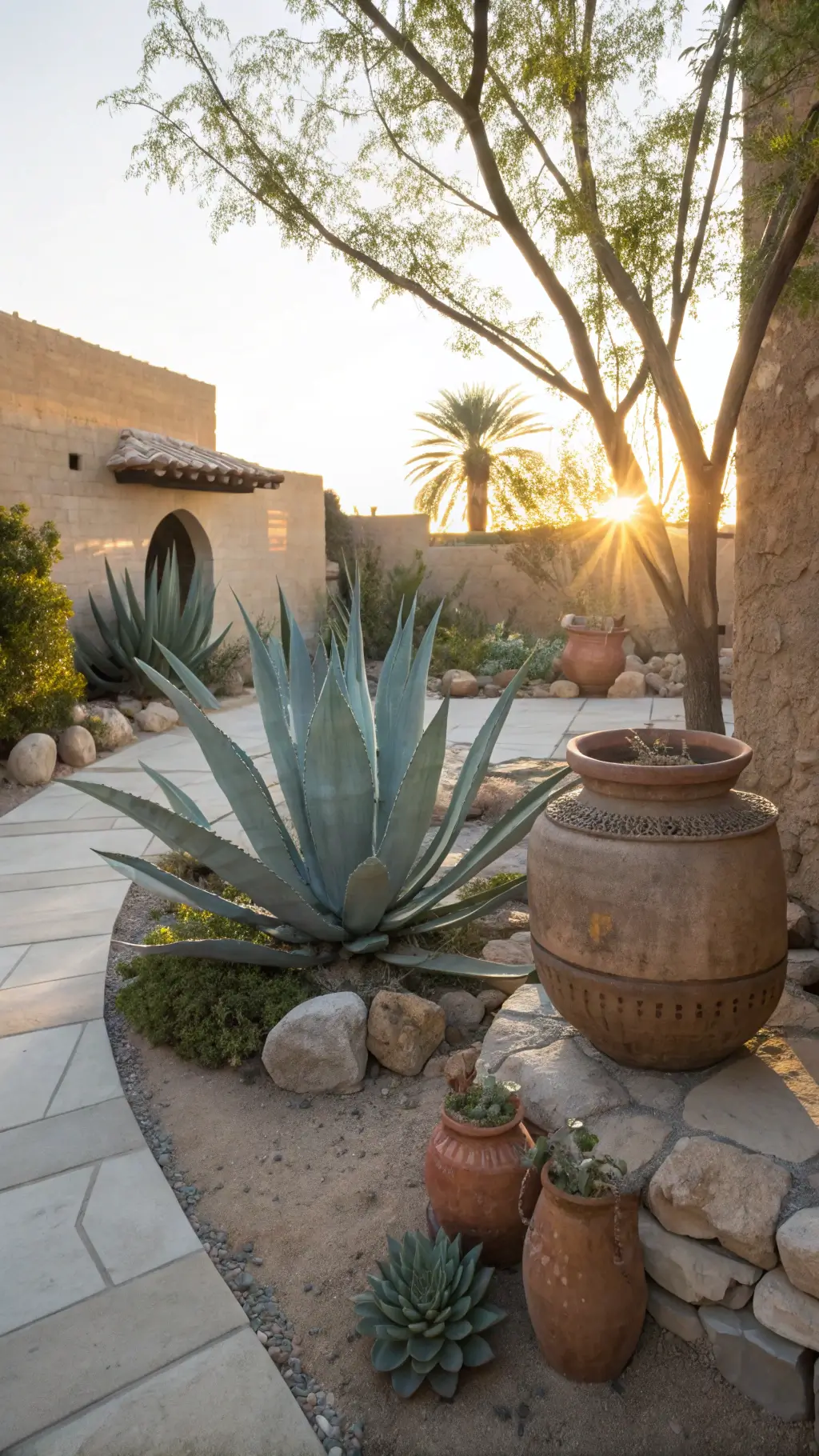
What Makes Palmer’s Agave So Special?
Let me tell you, this isn’t your average backyard plant. Palmer’s agave is a southwestern superstar that brings real drama to any landscape.
Physical Characteristics That Demand Attention
Picture a rosette of sword-like leaves that can stretch:
- Up to 4 feet tall
- 4-5 feet wide
- Bluish-green to grayish-green coloration
- Razor-sharp edges with wicked 2.25-inch spines
Pro Tip: those spines aren’t for show, they’re nature’s security system.
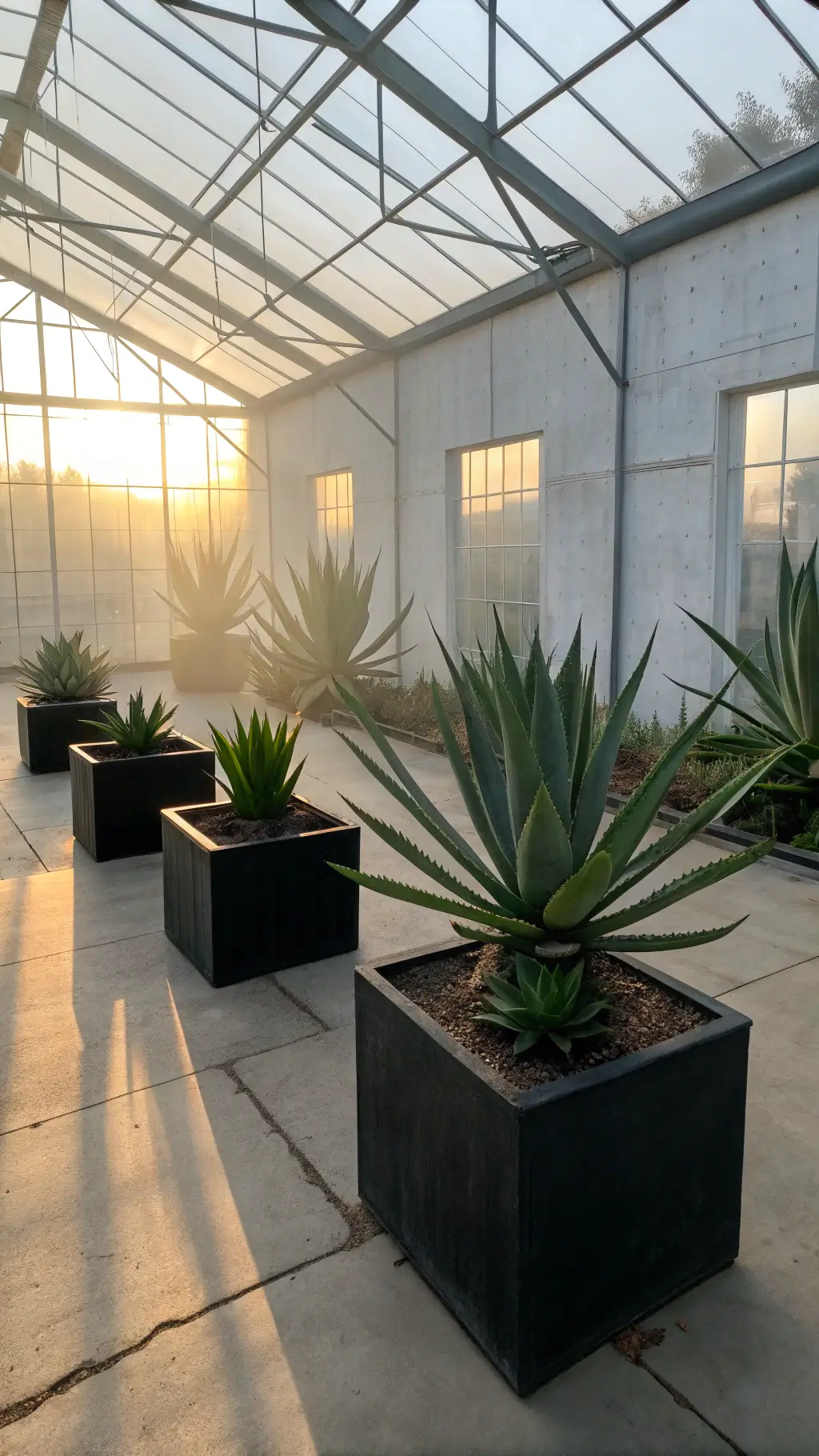
Survival of the Fittest: Growing Conditions
Palmer’s agave isn’t just pretty, it’s practically indestructible. Here’s what it loves:
Ideal Growing Conditions
- Sunlight: Full sun is its jam (partial shade works too)
- Water: Drought? No problem
- Soil: Rocky, well-draining terrain
- Temperature: Handles chilly nights down to 10-15°F
Cultural Significance: More Than Just a Pretty Plant
Native Americans didn’t just admire it, they used the spines and the plant for food, fiber, soap, and medicine. Wildlife loves it too: nectar-feeding bats and pollinators treat it like a five-star restaurant.
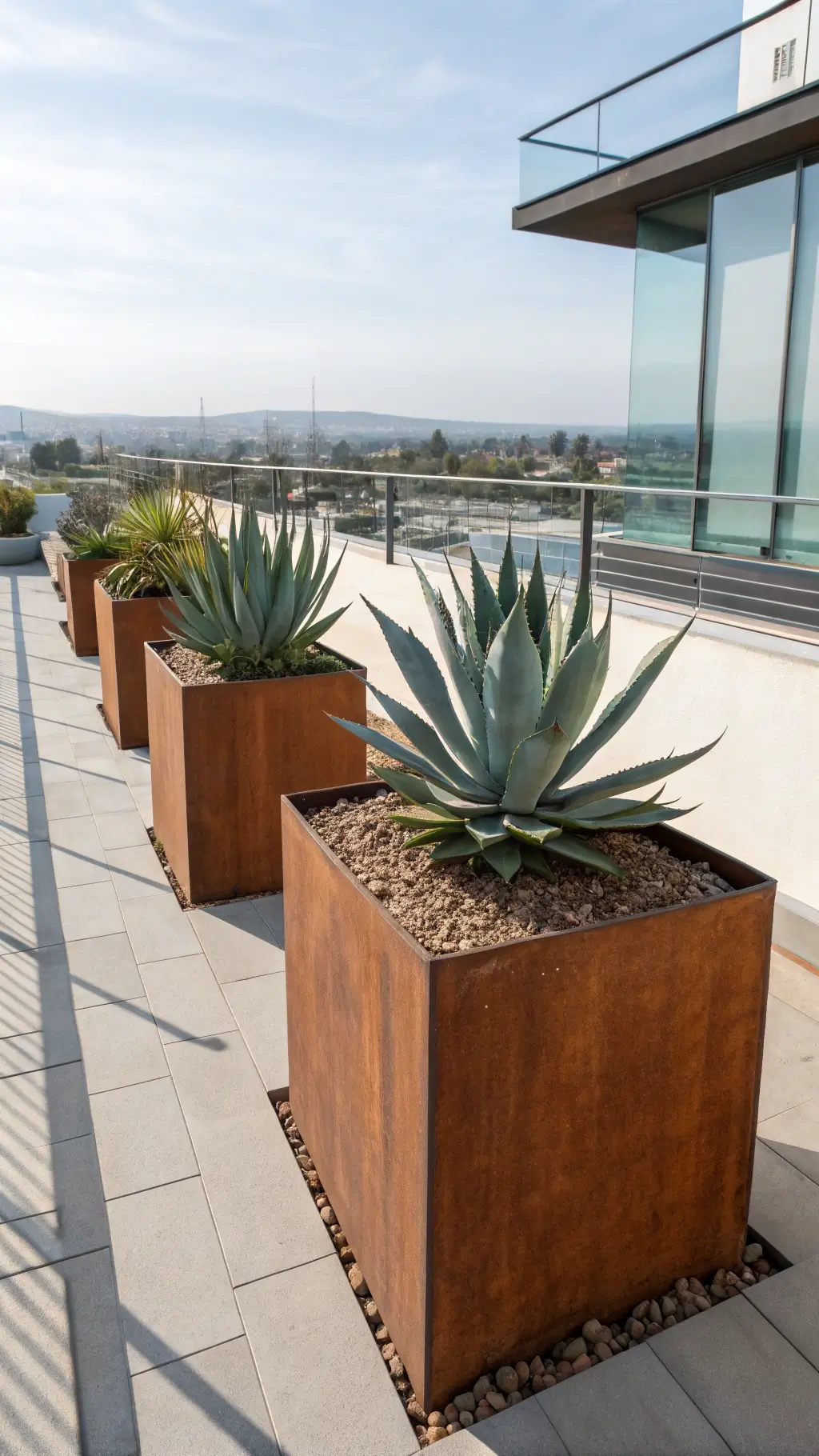
Landscape Design: Where to Use Palmer’s Agave
Want your landscape to pop? Here’s how:
Strategic Placement Tips
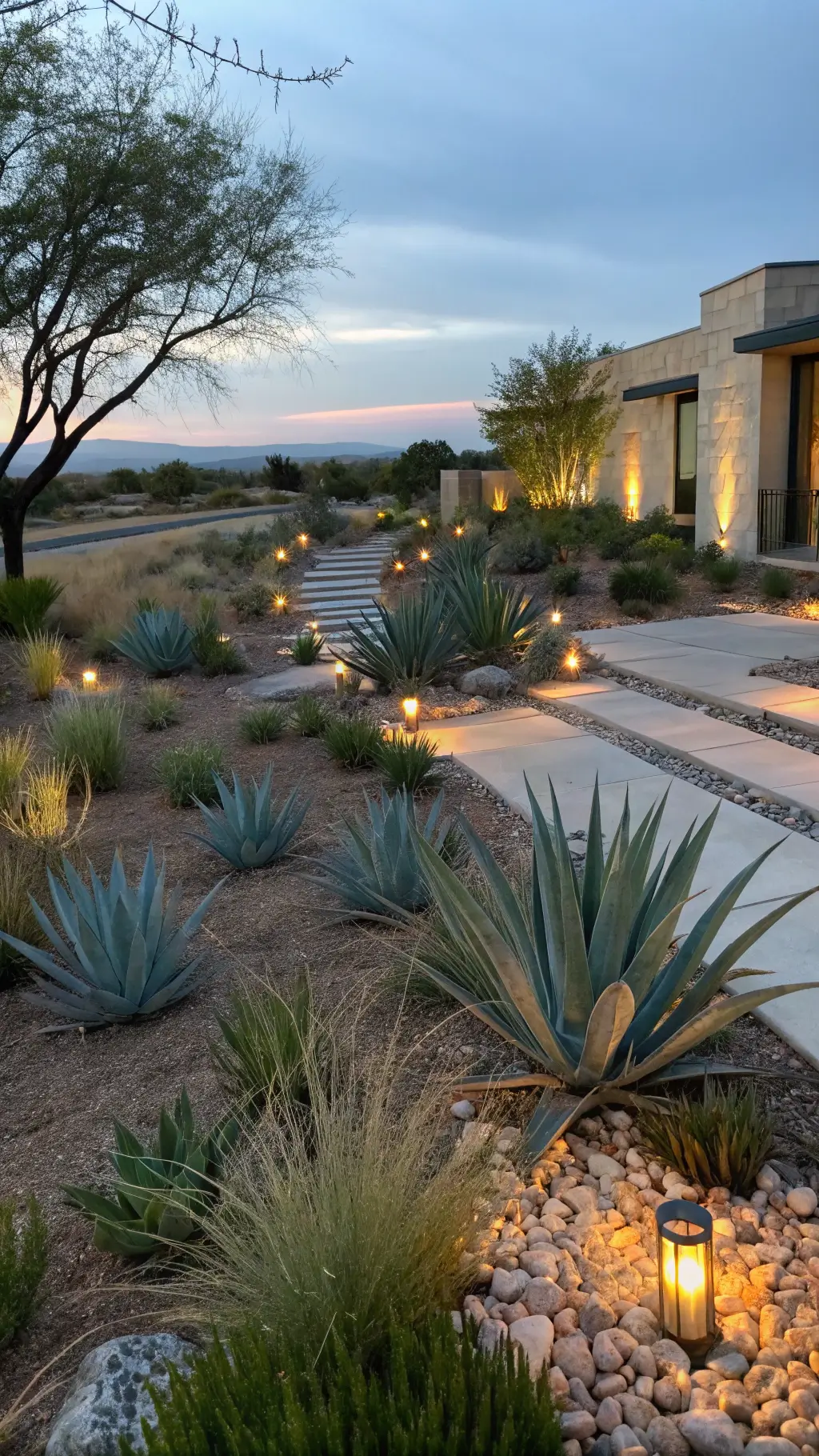
- Xeriscape gardens
- Desert-style landscaping
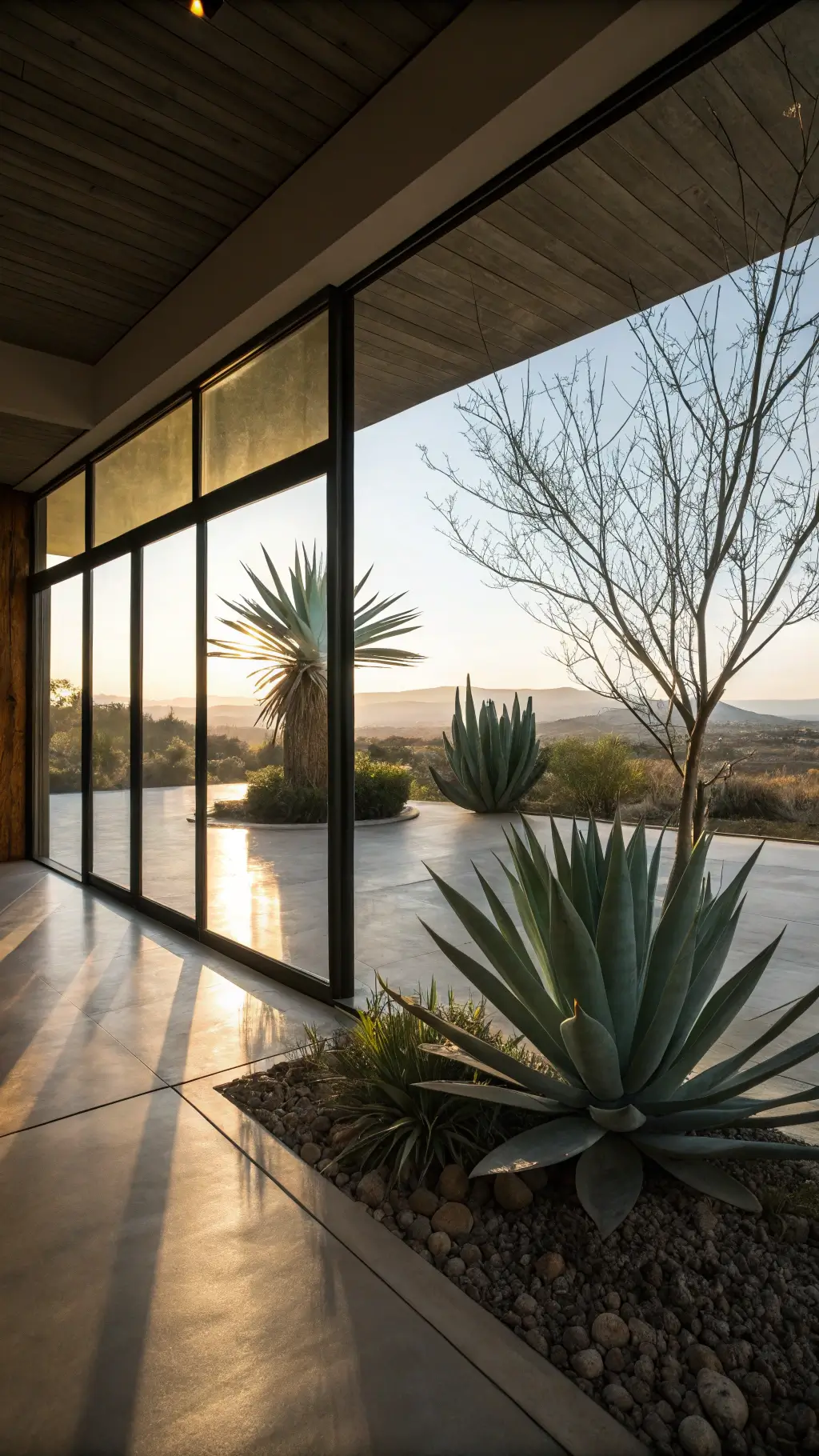
- Large container plantings
- AVOID high-traffic areas (those spines are no joke)
Wildlife Attraction Bonus
Bonus: it’s a pollinator magnet, pulling in bees, butterflies, and hummingbirds.
The Flowering Spectacle: Nature’s Grand Finale
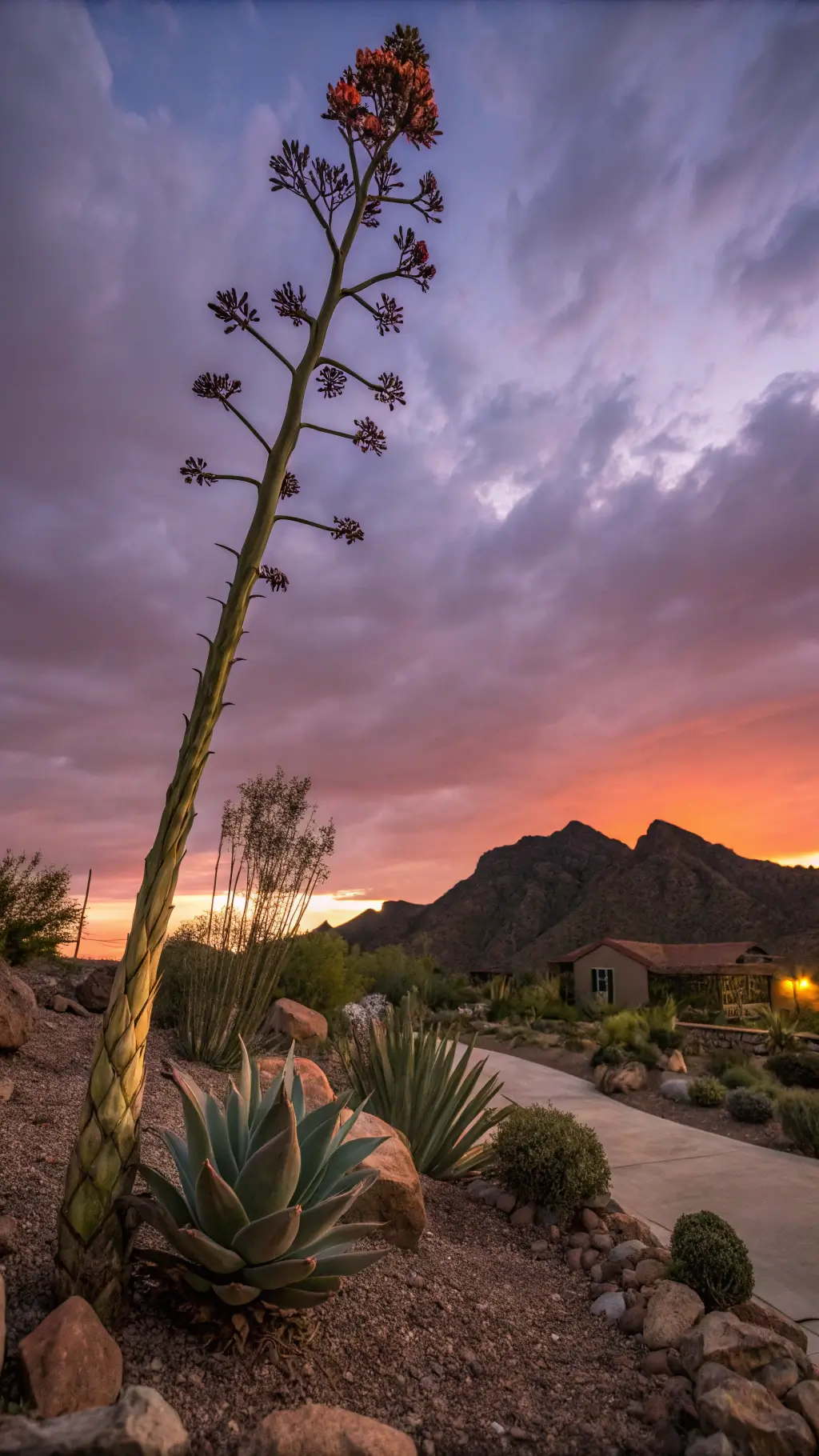
After 5-25 years of patient growth, Palmer’s agave sends up a flowering stalk:
- Reaches 13-20 feet tall
- A once-in-a-lifetime botanical fireworks display
- Signals the plant’s dramatic reproductive cycle
Pro Gardener’s Insider Tips
- Choose sunny, rocky locations
- Minimal watering required
- Allow plenty of space for growth
- Appreciate its slow but steady development
Final Thoughts: A Living Sculpture
Palmer’s agave isn’t just a plant, it’s a statement that whispers survival, resilience, and natural beauty. Whether you’re a serious landscape designer or a weekend gardener, this southwestern gem transforms your outdoor space.
The Bottom Line
Palmers agave thrives in full, intense sun and gritty, fast-draining soil. Water deeply in summer, keep it dry in winter, and protect it below twenty degrees. It’s a living sculpture, give it a shot. 🙂