
Coastal Century Plant: The Dramatic Succulent of Southern California’s Coastline
I saw coastal century plants growing wild on a cliff overlooking the Pacific, where salt spray and constant wind had shaped them into low, sprawling rosettes. The leaves were longer and more flexible than the desert agaves I had grown before.
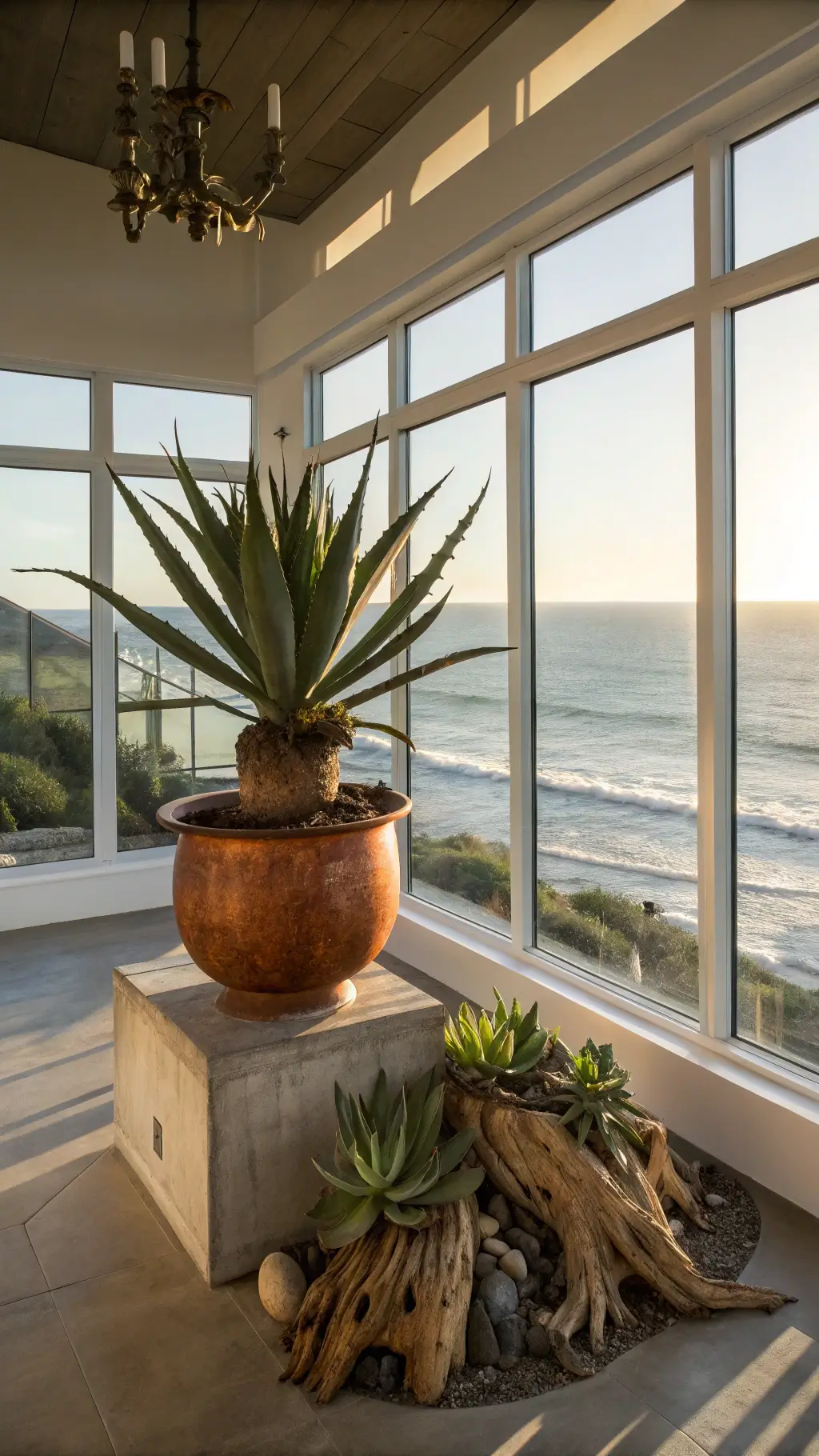
Coastal century plant tolerates salt spray and sandy soil better than inland agaves. Plant it in full sun with excellent drainage, and give it extra space since mature rosettes can spread several feet across.
What is the Coastal Century Plant?
The coastal century plant (Agave shawii) isn’t just another succulent – it’s a living sculpture of the California coast. Native to Southern California and Baja California, this plant is a testament to nature’s resilience and beauty.
Stunning Physical Characteristics
Imagine a plant that looks like it was designed by nature’s own sculptor:
- Dark green leaves with razor-sharp, serrated brown teeth
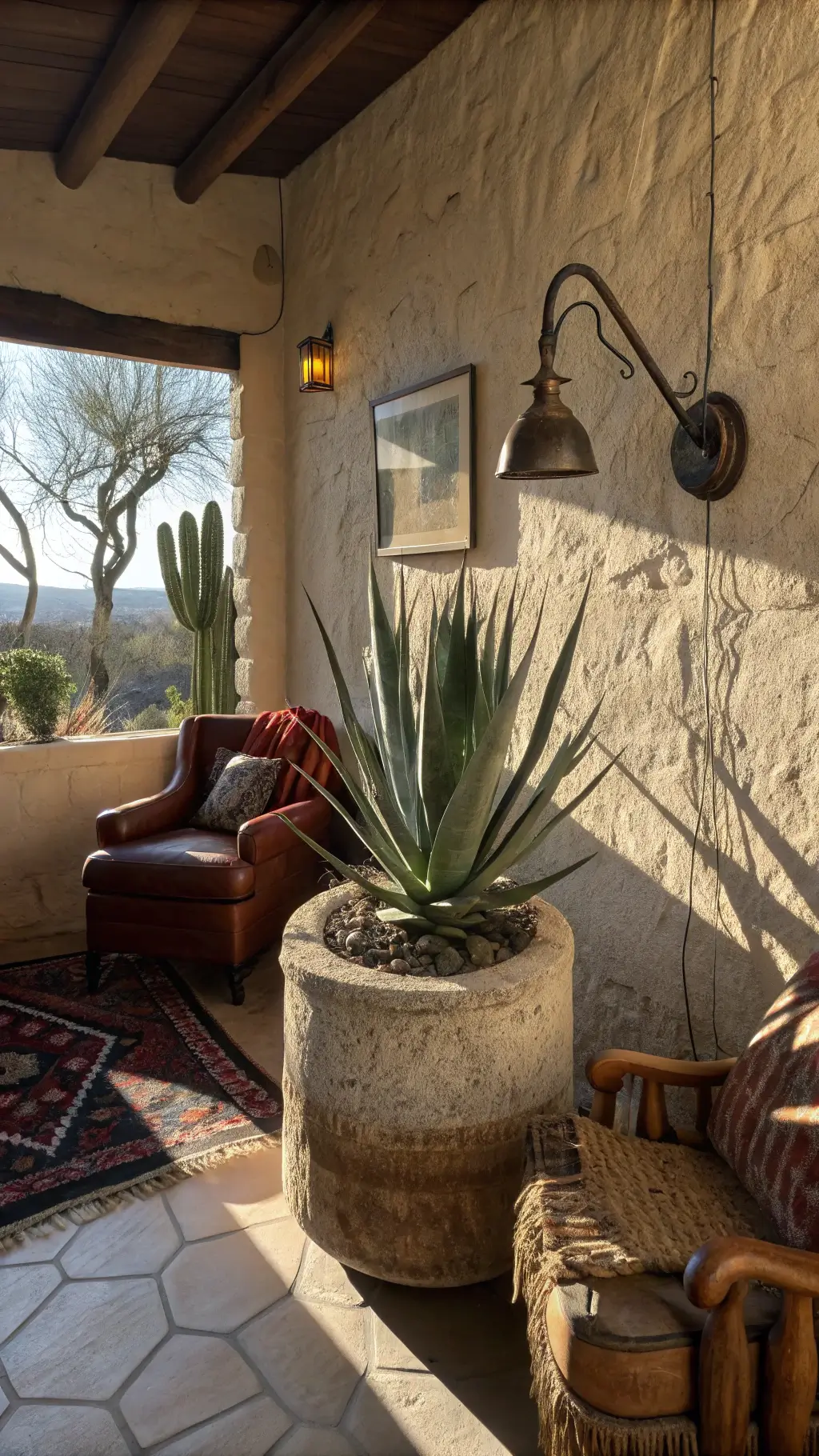
- A tight rosette standing 3 feet tall and 4-5 feet wide
- A dramatic reddish-brown terminal spine that demands attention
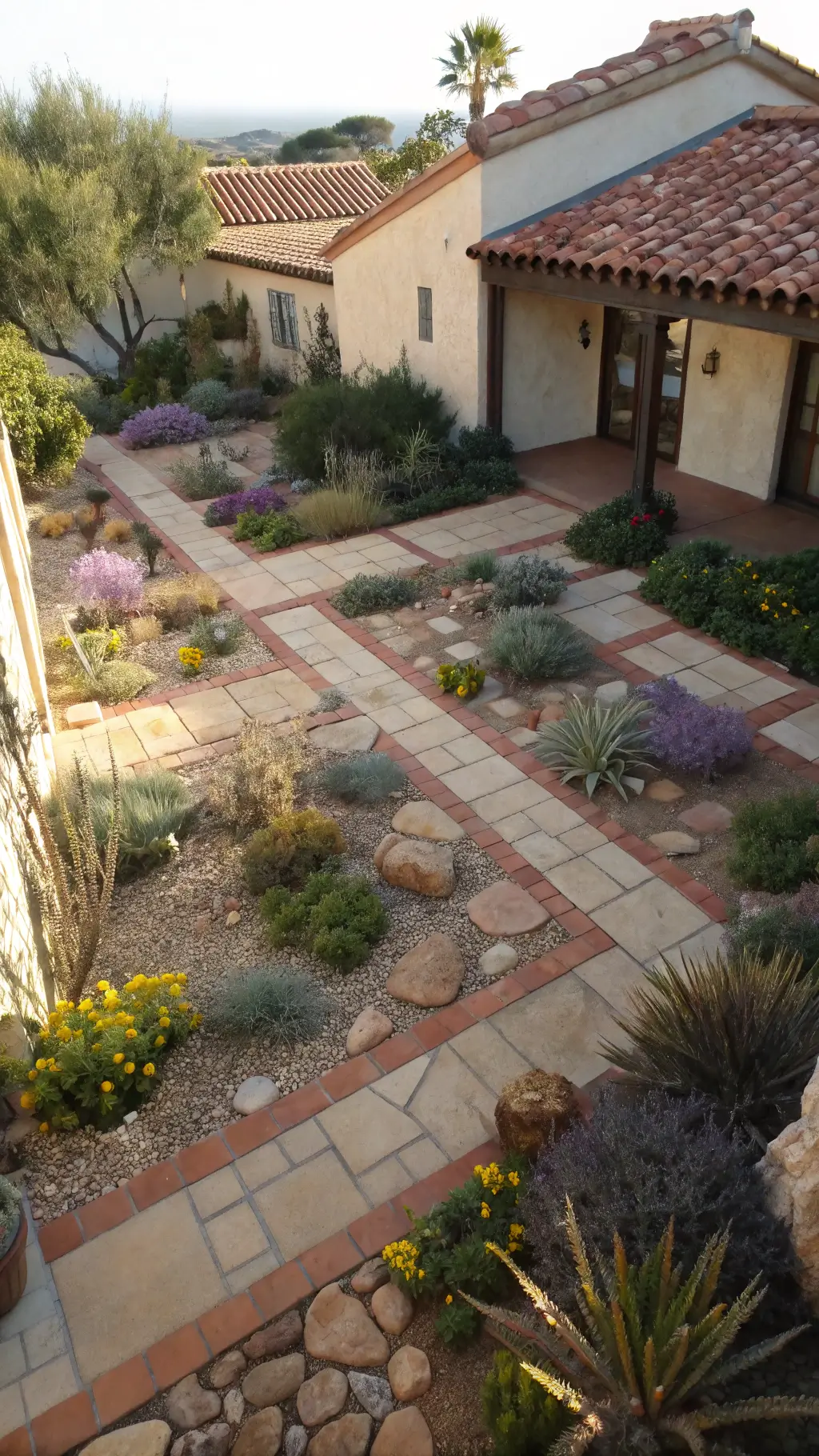
Growing Conditions: Where This Plant Thrives
This isn’t a delicate flower – it’s a tough coastal warrior that laughs in the face of challenging environments.
Ideal Habitat Requirements
- Full sun to partial shade tolerance
- Thrives in well-draining, rocky soils
- Cold hardy down to 25°F
- Loves salty coastal air and slopes
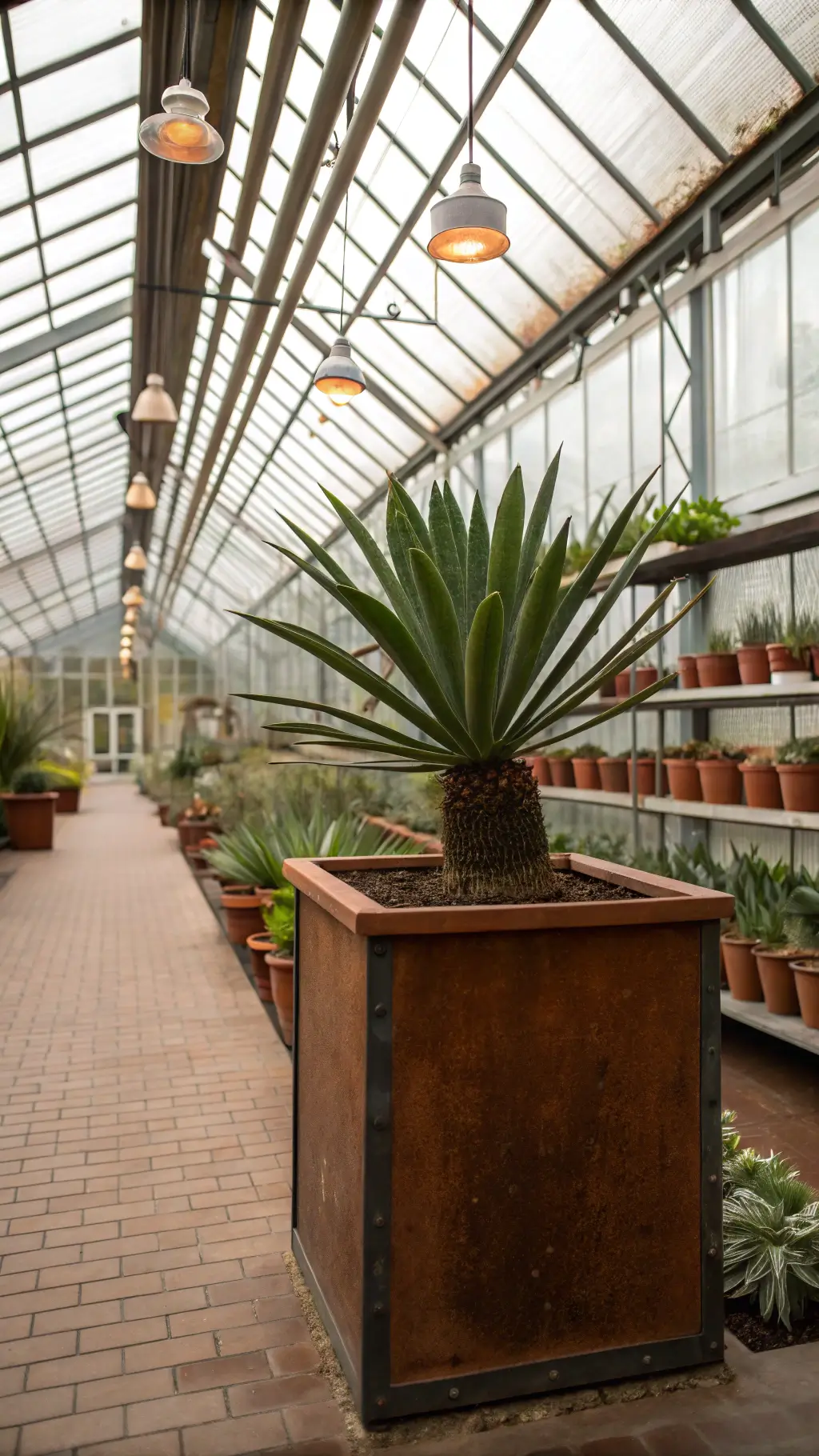
Water and Care Tips
- Drought-tolerant but appreciates occasional summer irrigation
- Minimal maintenance once established
- Warning: Avoid overwatering to prevent root rot
Ecological Importance
The coastal century plant isn’t just a pretty face – it’s a crucial part of the ecosystem:
- Nectar source for insects, hummingbirds, and bats
- Supports local maritime succulent scrub communities
- Provides habitat in endangered coastal environments

Propagation: How to Multiply Your Plant
Want more of these stunning plants? You’re in luck:
- Produces numerous offsets (baby plants) throughout its lifecycle
- Can be propagated from offsets or seeds
- Pro tip: Handle with caution due to sharp spines!
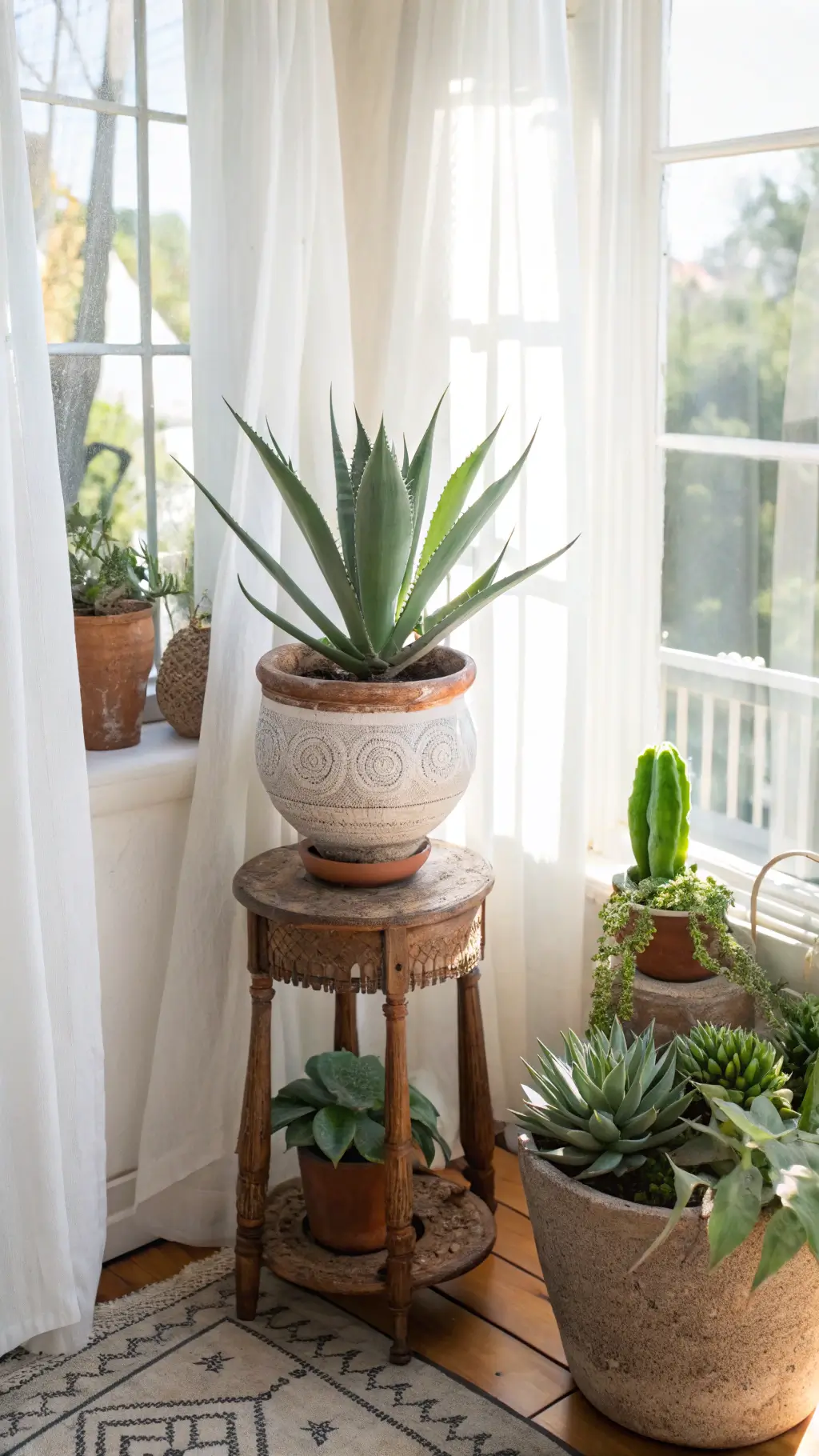
Landscaping Uses
This plant is a landscaper’s dream for:
- Xeriscapes
- Rock gardens
- Coastal garden designs
- Slope stabilization
- Container gardening
Conservation Status
Unfortunately, coastal development has put significant pressure on wild populations. By growing this plant, you’re not just adding beauty to your garden – you’re helping preserve a unique species.
Final Thoughts
The coastal century plant is more than just a plant – it’s a living piece of California’s coastal heritage. Its ability to thrive in challenging conditions while supporting local wildlife makes it a true superstar of the succulent world.
Quick Care Reminder
- Minimal water
- Full sun
- Well-draining soil
- Handle with respect (those spines are no joke!)
Pro Gardener Tip
Coastal century plant tolerates salt spray and sandy soil better than inland agaves. Plant it in full sun with excellent drainage, and give it extra space since mature rosettes can spread several feet across.