
The Grand Canyon Century Plant: A Desert Marvel of Resilience and Beauty
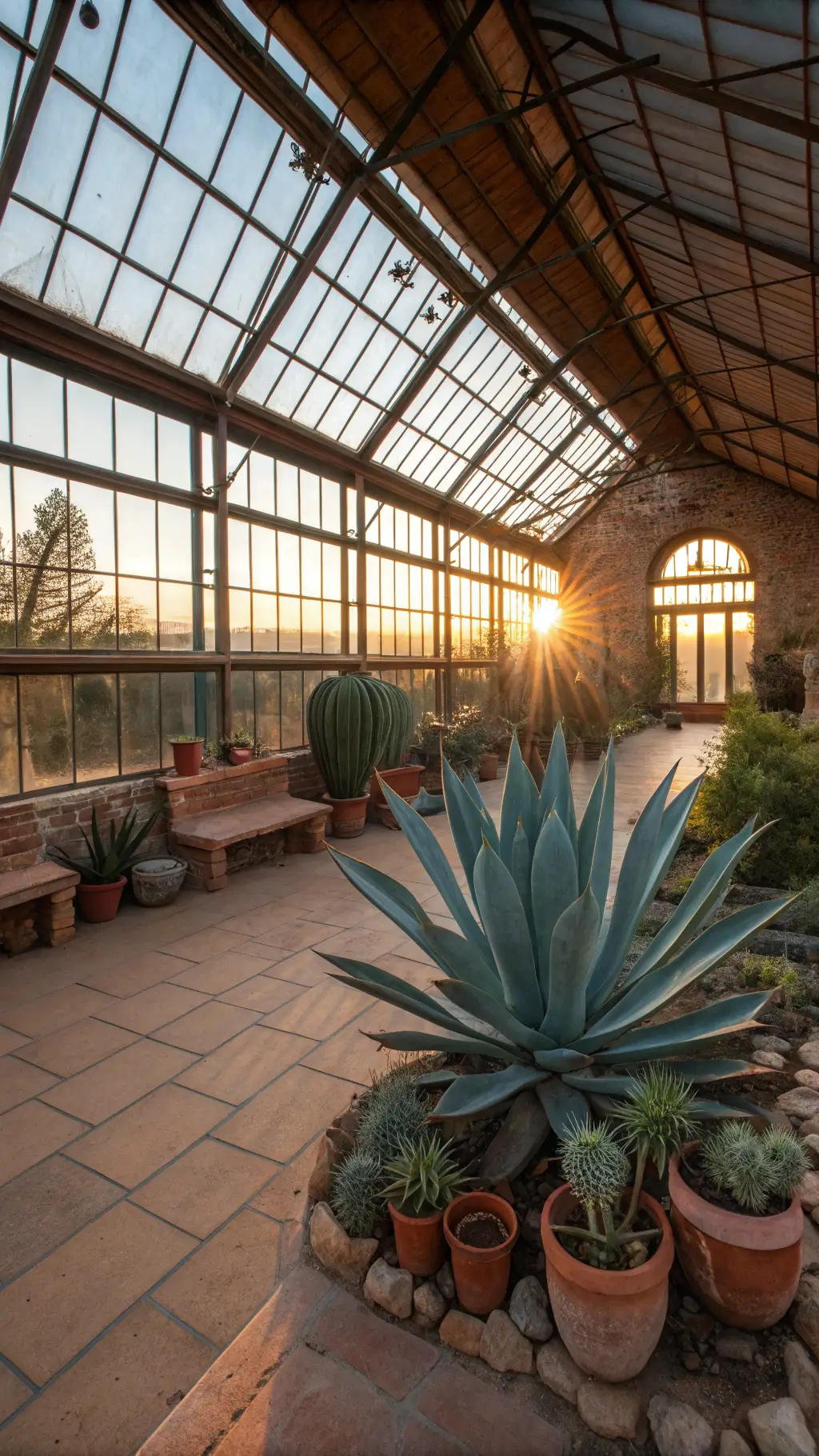
I saw grand canyon century plants on the South Rim, where compact rosettes with blue-green leaves and sharp black spines clung to rocky outcrops. They’re smaller than many agaves, which makes them practical for collectors short on space.
What Makes It So Special
Listen up – this isn’t your average backyard plant. The Grand Canyon century plant is the superhero of the desert vegetation: tough, rare, and stunning.
Physical Traits That Impress
- About 3 feet tall and wide
- Bluish-green to deep green leaves with serrated edges
- Massive leaves up to 30 inches long
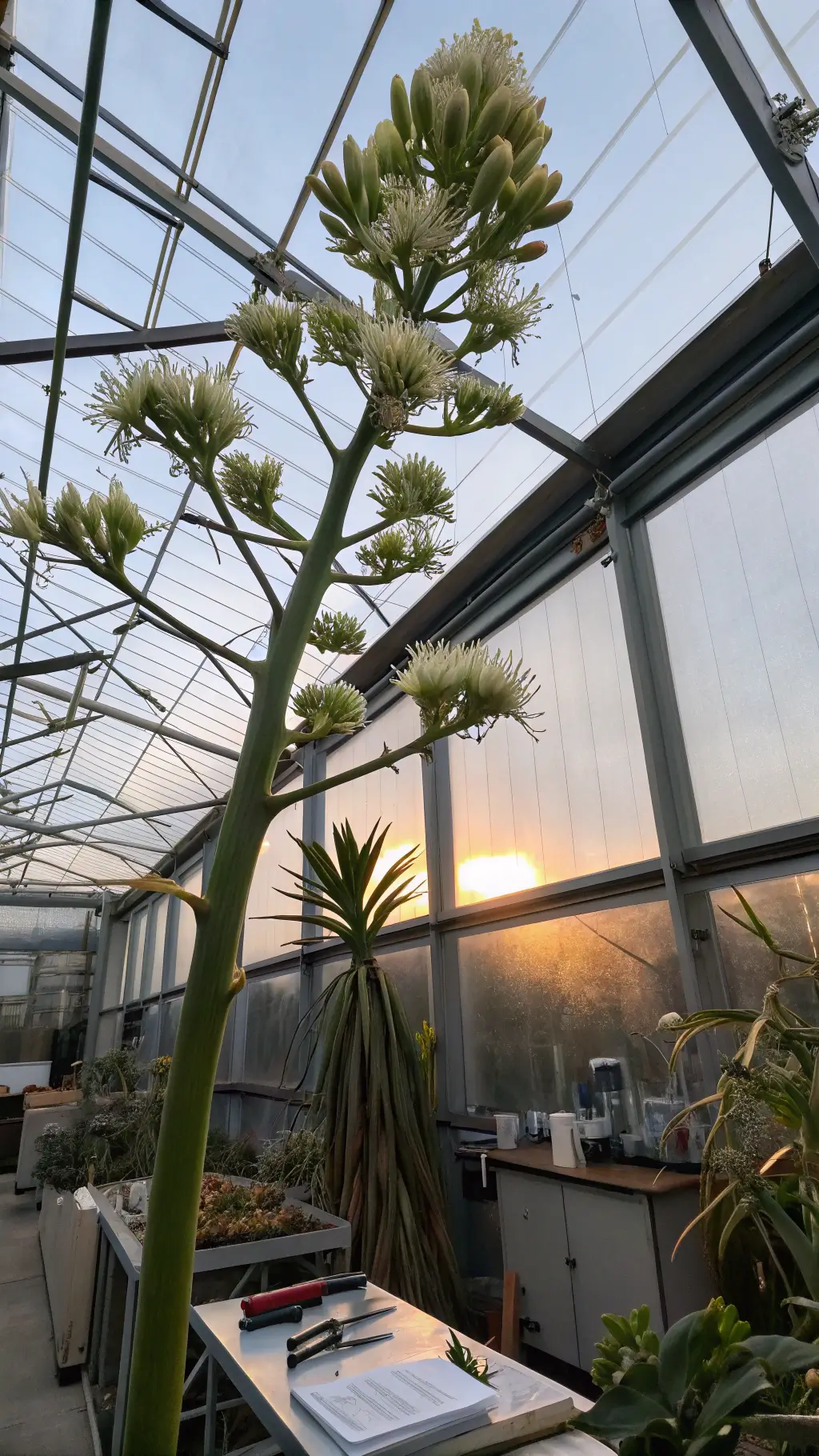
- An 18-foot flowering stalk, once in a lifetime
The Fascinating Life Cycle
- Growth period: 8-10 years
- Flowering: one spectacular show, usually May or June
- Greenish-white tubular flowers
- Then it dies after blooming – going out with a bang
Where It Calls Home
Location, Location, Location
- Only in Grand Canyon National Park
- Just four known occurrences
- Full sun, sandy rocky desert, extreme drought
A Plant With Cultural Roots
- Found near pre-Columbian sites
- Native American food source, fiber, medicine, beverages
Conservation: Protecting a Treasure
- Limited range makes it a priority
- National park protection helps
- A living testament to desert resilience
Why You Should Care
The Grand Canyon century plant represents the resilience of life in one of Earth’s harshest spots. If you ever see one, pause and appreciate its journey.
Quick Takeaways
- A unique desert plant found only in Grand Canyon National Park
- Nearly a decade of growth before one spectacular bloom
- Culturally significant to Native American populations
- A true survivor of harsh desert conditions
The Bottom Line
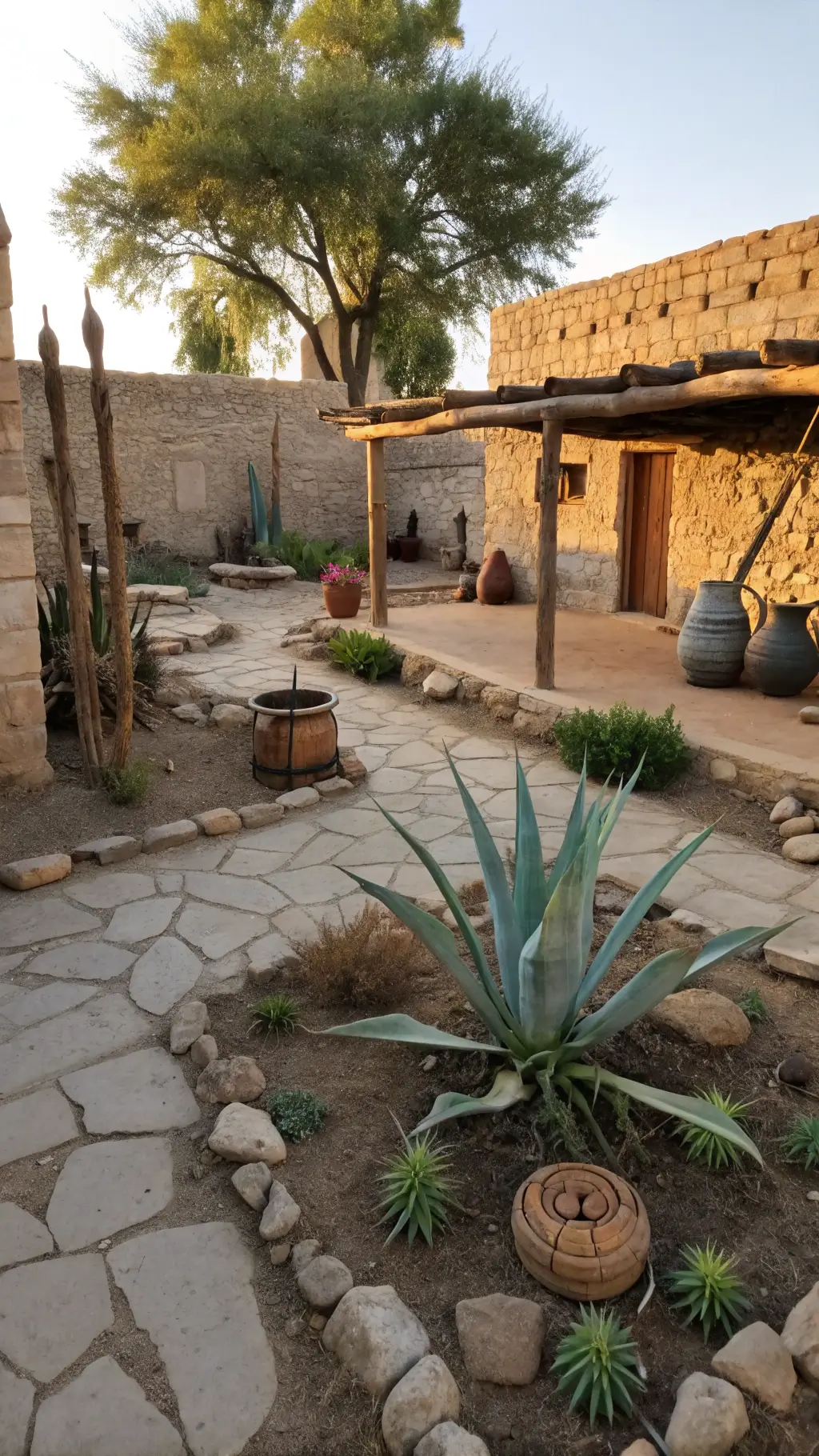
The grand canyon century plant needs full sun and gritty, fast-draining soil, with deep summer water and a dry winter. Protect it from frost. It’s small, rare, and full of stories.
Give it a shot if you can respect its slow, dramatic life. Few plants earn this much patience. 🙂