
The Grand Canyon Century Plant: A Rare Desert Marvel of Survival and Culture
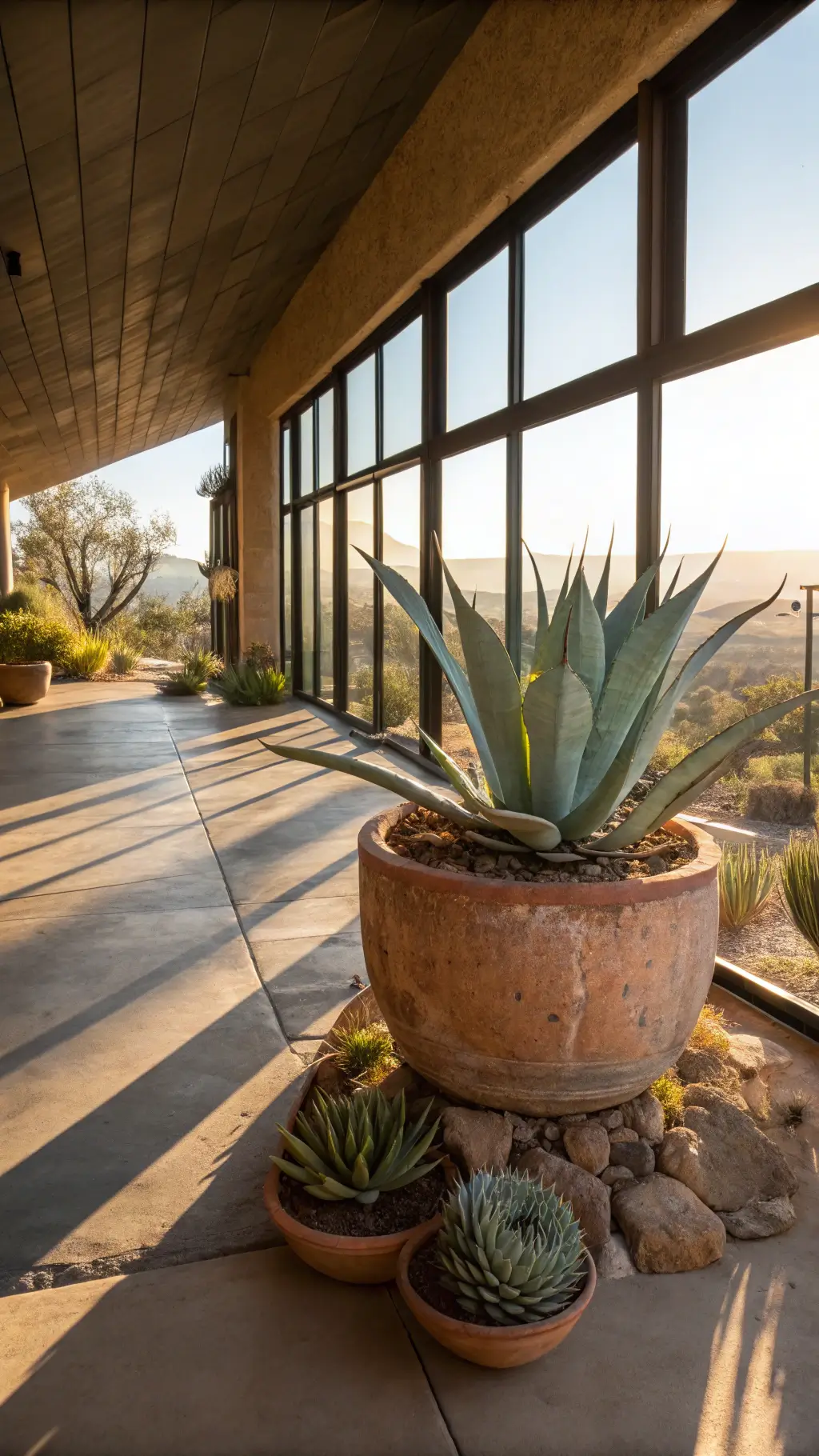
I bought a second grand canyon century plant after the first one thrived on my patio for three years. The blue-green leaves and black spines make a striking contrast, and the compact size fits a terra cotta pot perfectly.
What Makes This Plant So Special
The Grand Canyon century plant isn’t just another desert succulent. It’s a living testament to survival, adaptation, and ancient human connection.
Stunning Physical Traits
- Massive rosettes up to 3 feet tall
- Bluish-green to deep green leaves with razor-sharp edges
- Dramatic spines crowning each leaf tip
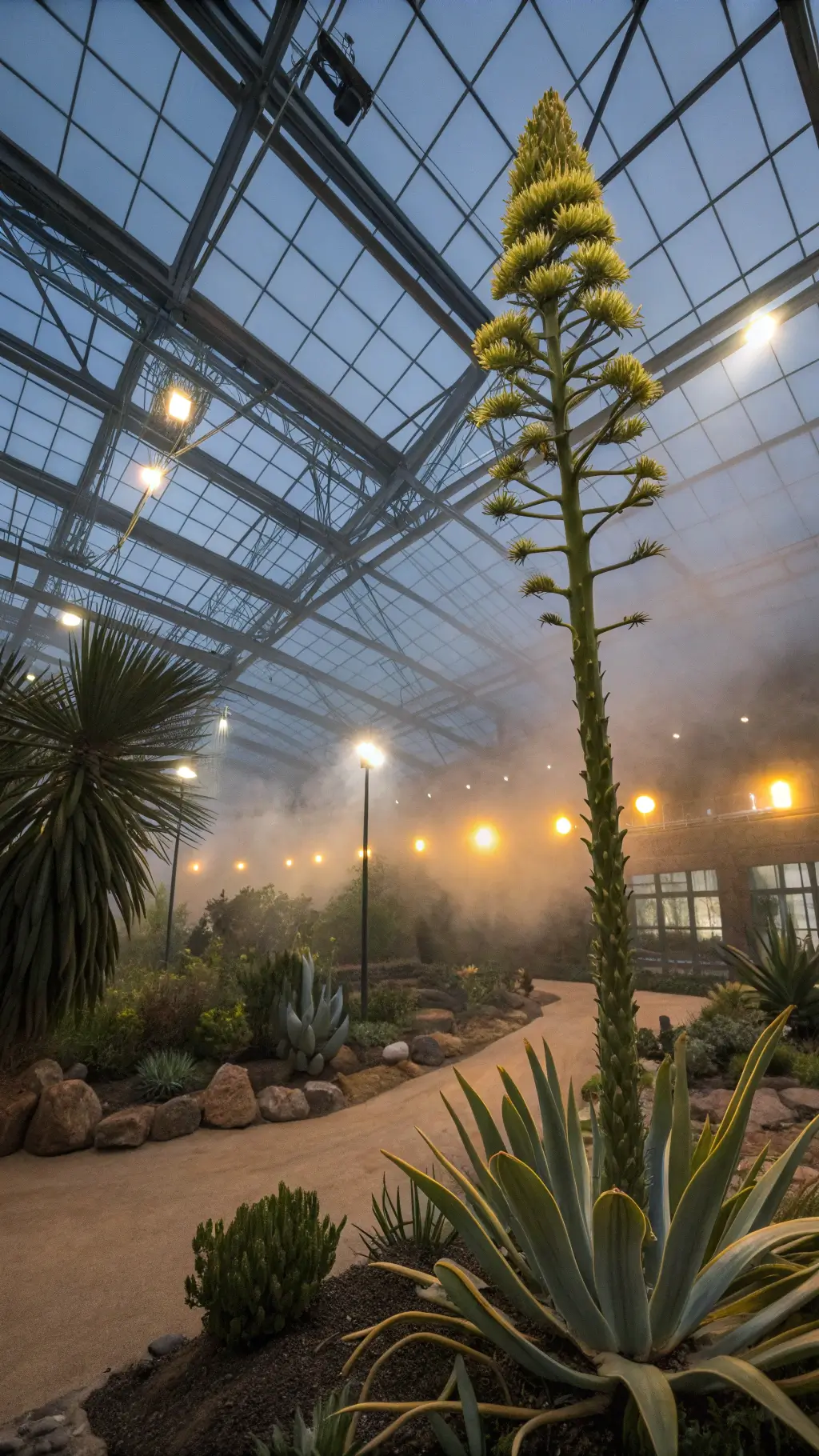
- A 10-foot flowering stalk after 8-10 years
A Once-in-a-Lifetime Show
Imagine waiting a decade for a flower – then watching the plant die after its epic bloom. That’s the Grand Canyon century plant’s dramatic lifecycle.
Where This Wonder Grows
- Endemic to Arizona’s Grand Canyon National Park
- Thrives in full sun
- Loves rocky, gravelly desert terrain
- Extremely drought-resistant
Rich Cultural Heritage
Native American Connections
Indigenous tribes weren’t observers – they partnered with this plant:
- Critical food source
- Fiber production
- Brush making
- Construction material
- Tribes: Apache, Comanche, Mohave, Paiute, and more
Ecological Superhero
It’s an entire ecosystem:
- Nectar source for insects, birds, and bats
- Host for the trapdoor giant skipper butterfly
- Food for javelinas and small rodents
Conservation: A Rare Treasure
With only four known locations inside the park, this plant is a biological treasure. A living reminder of how fragile desert life is.
Why You Should Care
This plant is a symbol of resilience and the links between plants, animals, and people.
- Unique desert survivor
- Cultural significance
- Critical ecological role
- Extremely limited distribution
The Bottom Line
The Grand Canyon century plant survives where almost nothing else does. It needs full sun, gritty soil, and deep summer water with a dry winter rest. Protect it from frost and enjoy the rare drama.
Give it a shot if you’ve got the right dry, sunny setup. Few plants tell a story this old. 🙂