
What Makes Anthurium Vittariifolium So Special?
I bought Anthurium vittariifolium because I wanted a pendant anthurium that cascades off a shelf instead of climbing upward. The long, narrow leaves hang like ribbons and throw out aerial roots along the stems that reach for the humidity tray below.
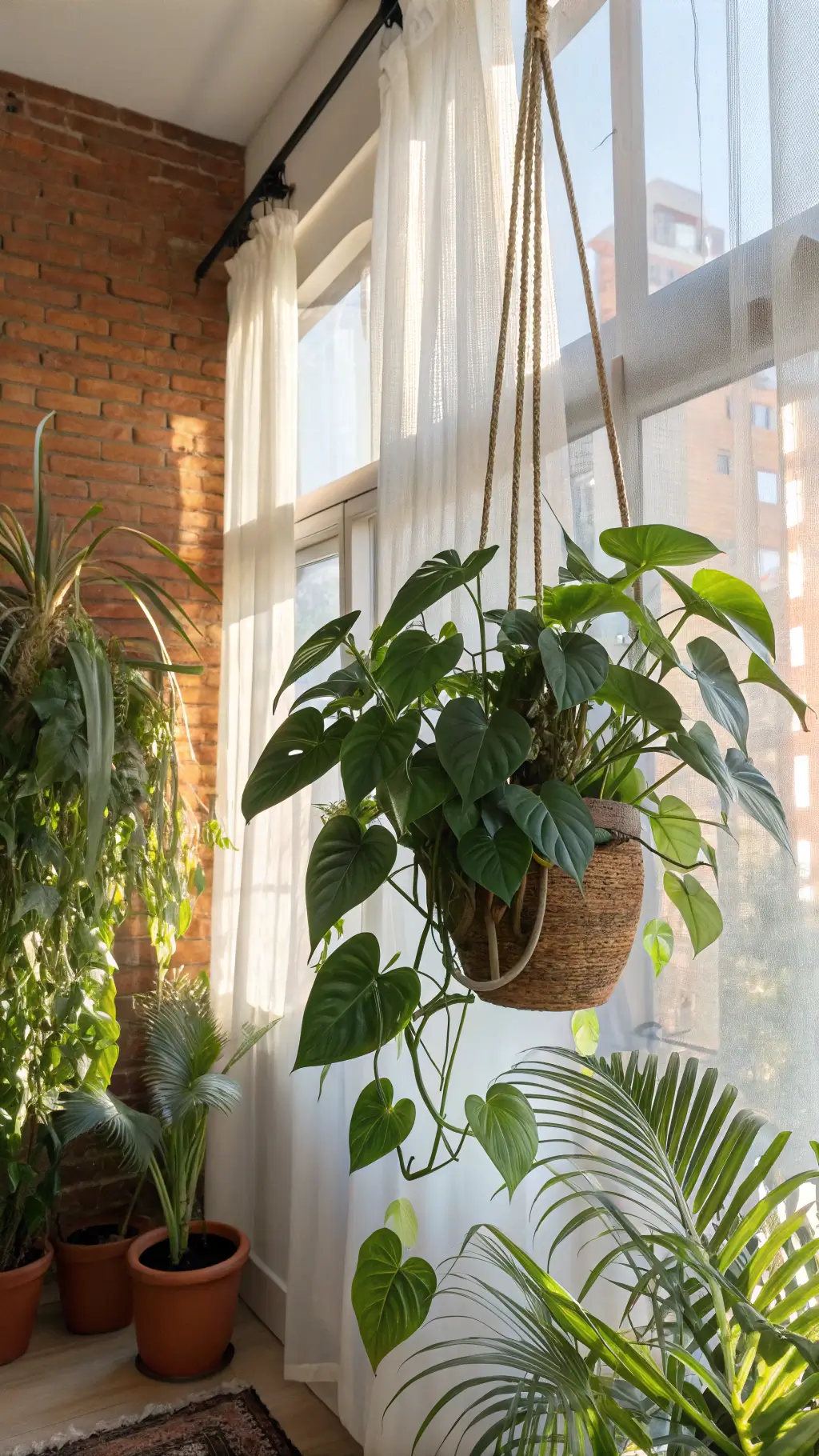
Here’s how to keep those trailing ribbons happy.
Mastering Light: The Secret to Happy Anthurium Vittariifolium
Let’s talk light, and I mean the right kind of light:
Lighting Sweet Spot
- Bright, indirect sunlight is your plant’s best friend
- Think filtered forest light, not blazing desert sun
- East-facing windows are pure magic
- Grow lights work perfectly if natural light plays hard to get
Pro tip: Direct sunlight is a big NO-NO. It’ll scorch those leaves faster than you can say oops.
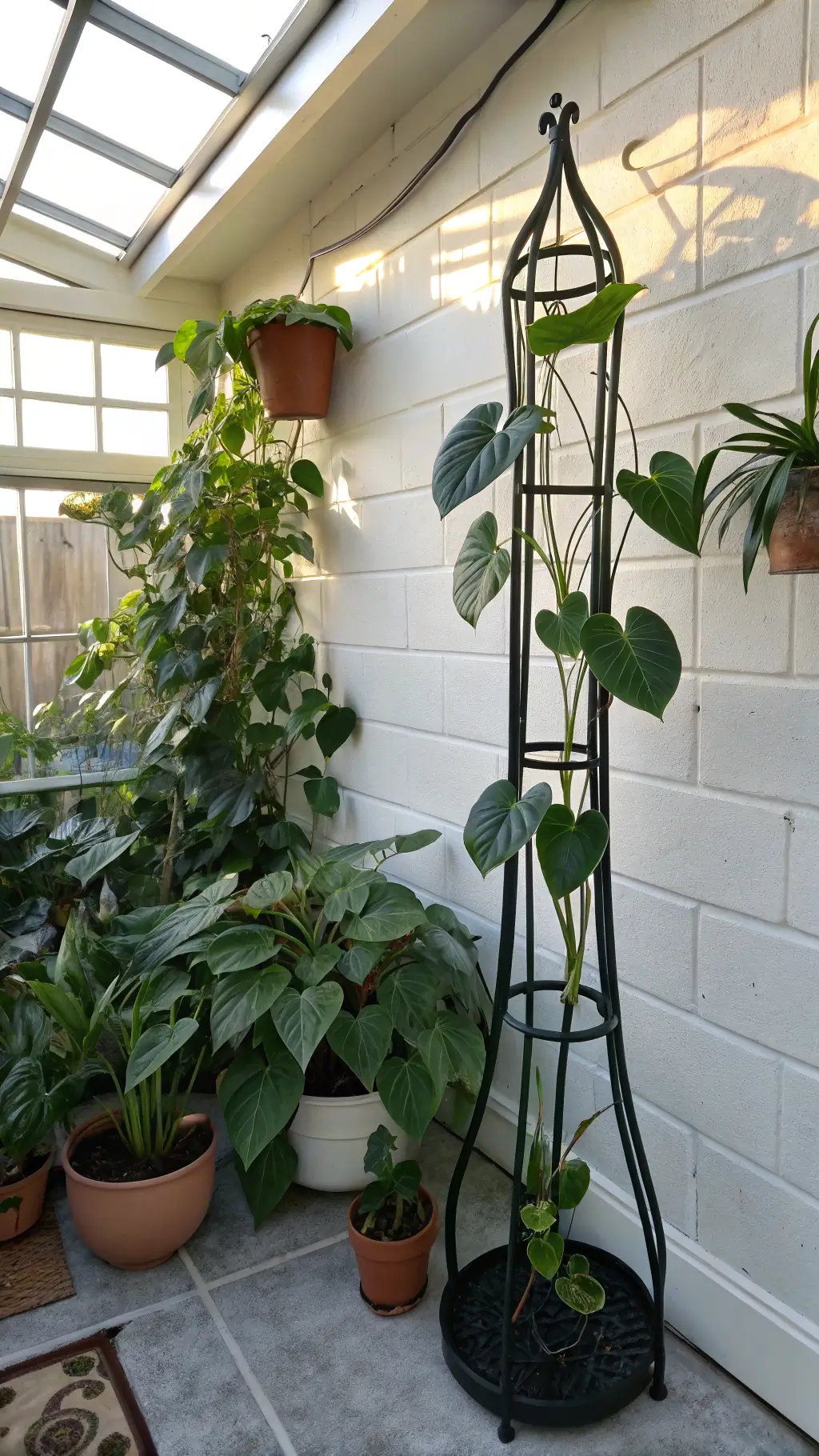
Watering: The Delicate Dance of Moisture
Watering this beauty is like walking a tightrope. Here’s your game plan:
Watering Wisdom
- Keep soil consistently moist, but not swimming
- Let the top inch of soil dry between waterings
- Water thoroughly, letting excess drain completely
- Summer: Every 5-7 days
- Winter: Dial it back to every 10-14 days
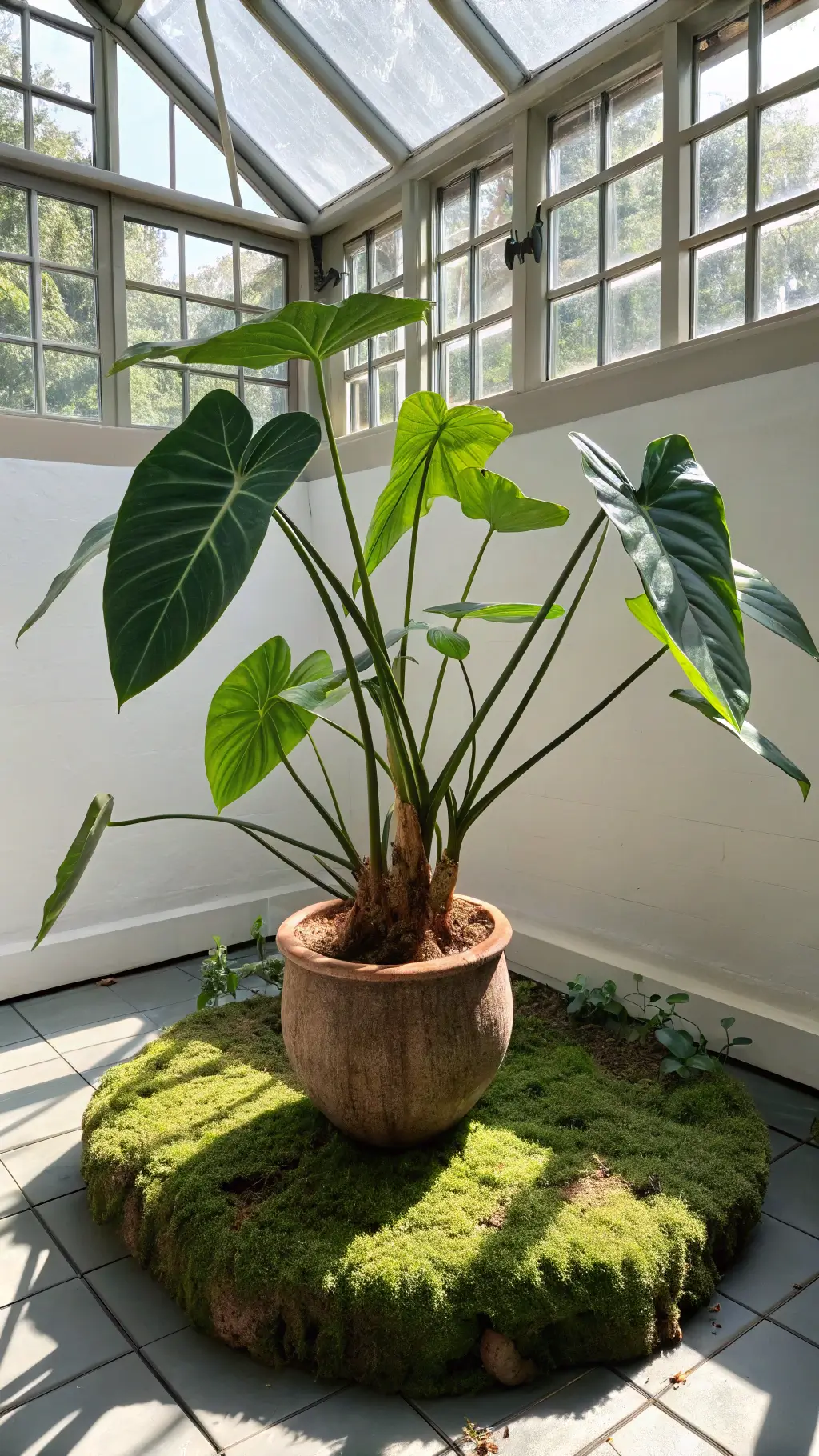
Soil: The Foundation of Anthurium Happiness
Your plant deserves a five-star soil experience:
Perfect Potting Mix
- Orchid bark
- Coco chips
- Perlite
- Charcoal
Must-have: Drainage holes are non-negotiable!
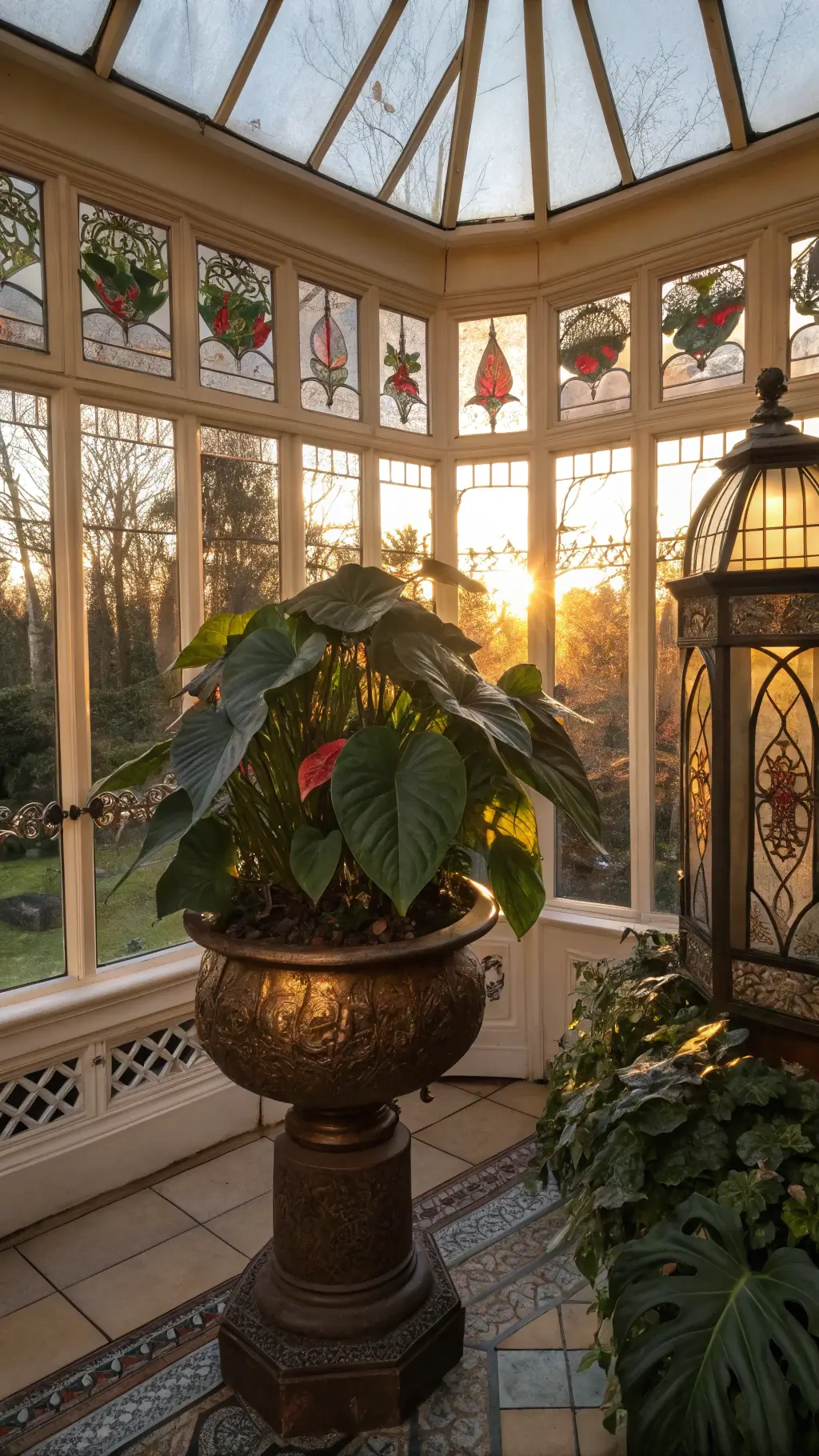
Temperature and Humidity: Tropical Vibes Only
This plant wants to feel like it’s on a tropical wants to feel like it’s on a tropical vacation:
Climate Conditions
- Temperature range: 65-80°F (18-27°C)
- Humidity: 60-80%
Humidity Hacks
- Pebble trays
- Plant grouping
- Humidifiers
- Occasional misting (skip the flowers!)
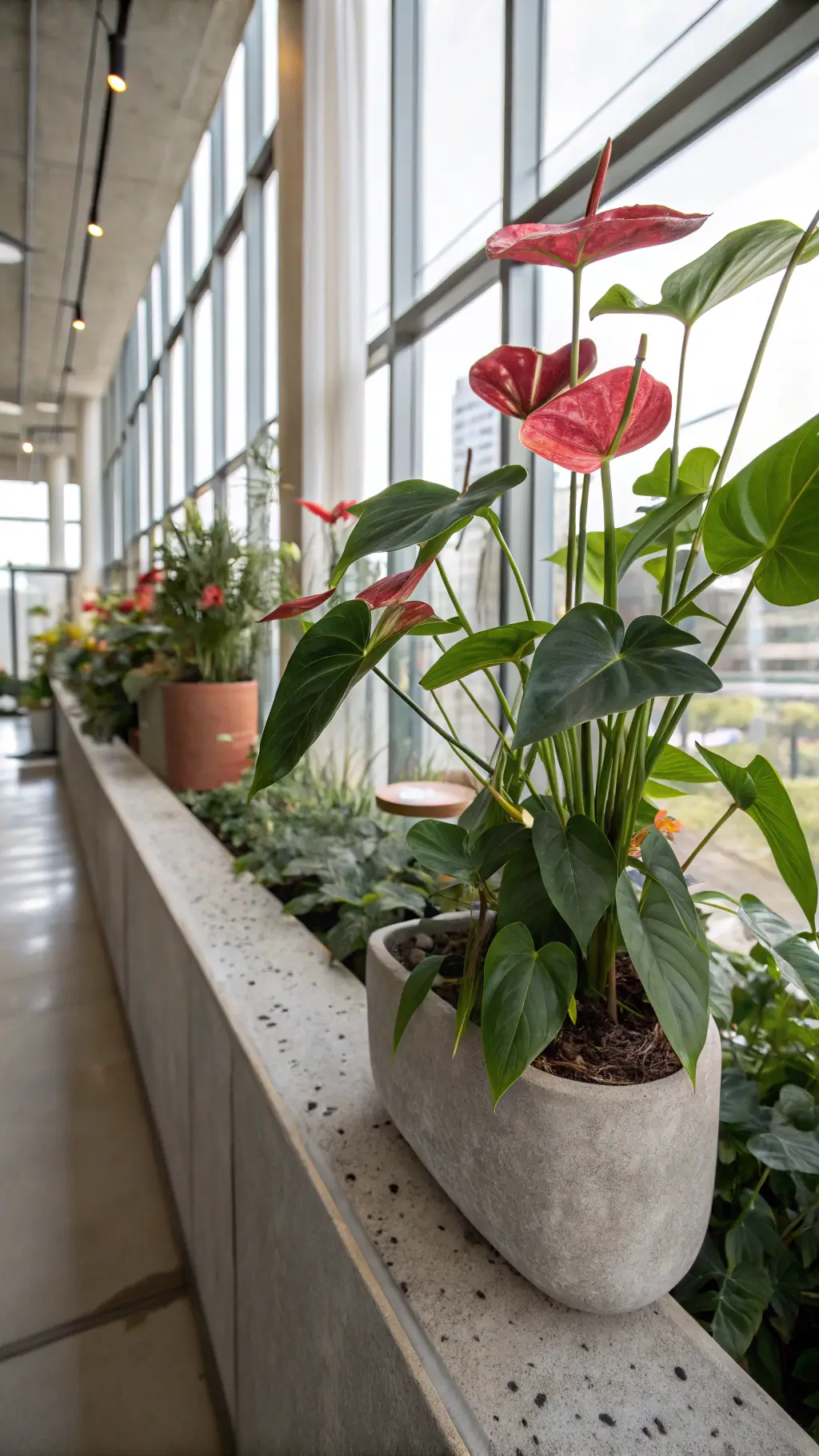
Feeding Your Anthurium: Nutrient Nutrition
Fertilizer Fundamentals
- Monthly feeding during spring and summer
- Half-strength liquid fertilizer
- Phosphorus-rich for flowering
- Less is more – avoid root burn!
Maintenance: Keeping Your Plant Pristine
Quick Care Checklist
- Remove yellow/damaged leaves
- Prune spent flowers
- Monthly leaf dusting
- 6-week winter rest period
Propagation: Multiplying Your Green Treasure
Propagation Methods
- Division (easiest!)
- Stem cuttings
- Seeds
Troubleshooting Common Issues
Watch Out For
- Yellowing leaves (overwatering)
- Brown leaf tips (low humidity)
- Pesky pests like mealybugs
Conclusion
The Anthurium vittariifolium isn’t just a plant – it’s a statement. Hang it in a basket or park it on a high shelf so the long leaves can trail, give it bright indirect light and high humidity, and you’ll have a living piece of tropical art your friends will envy.
Want that cascading look? Give it a shot!