
Sarracenia Leucophylla: The Mesmerizing Crimson Pitcherplant of the Southeastern Wetlands
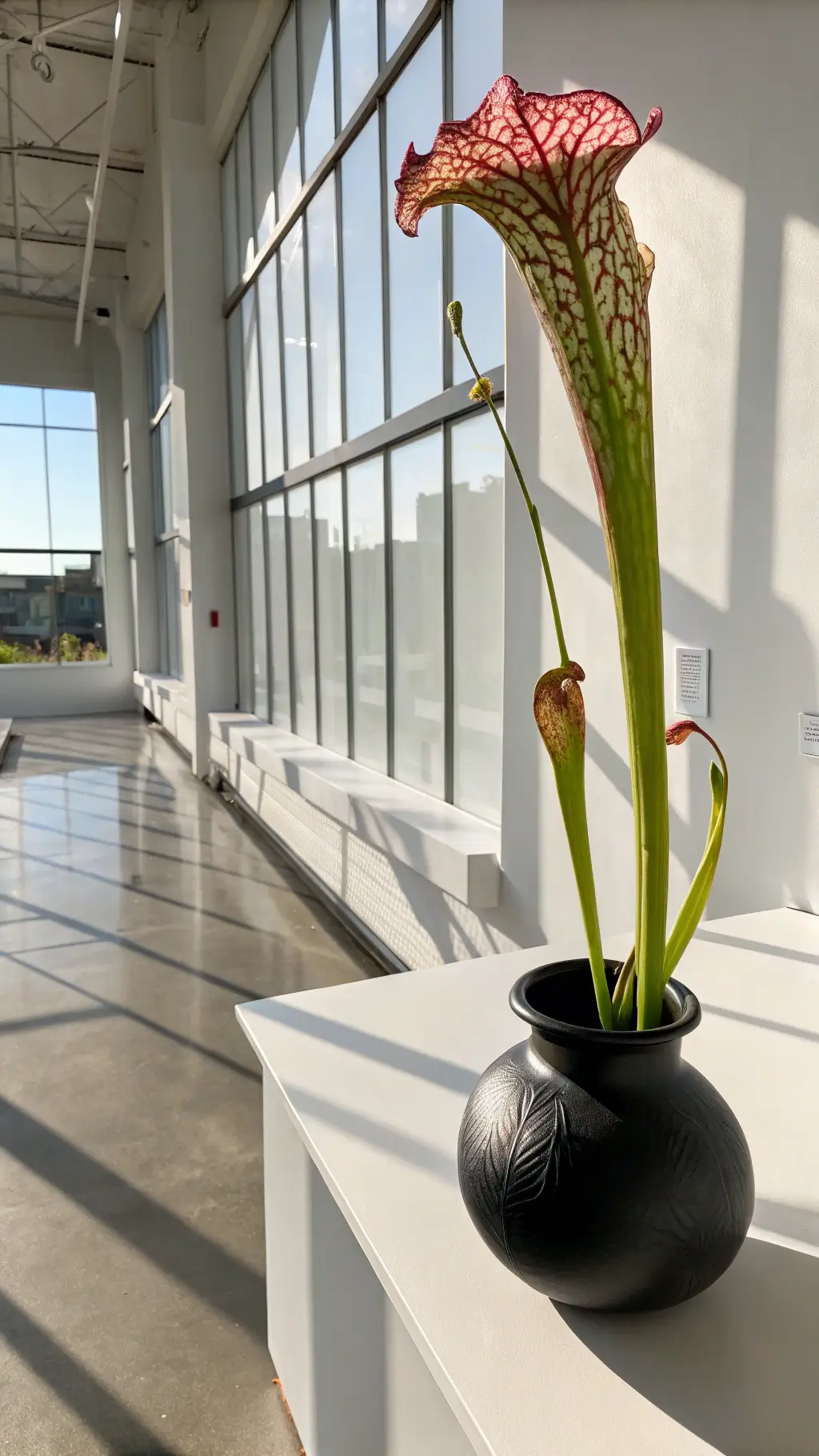
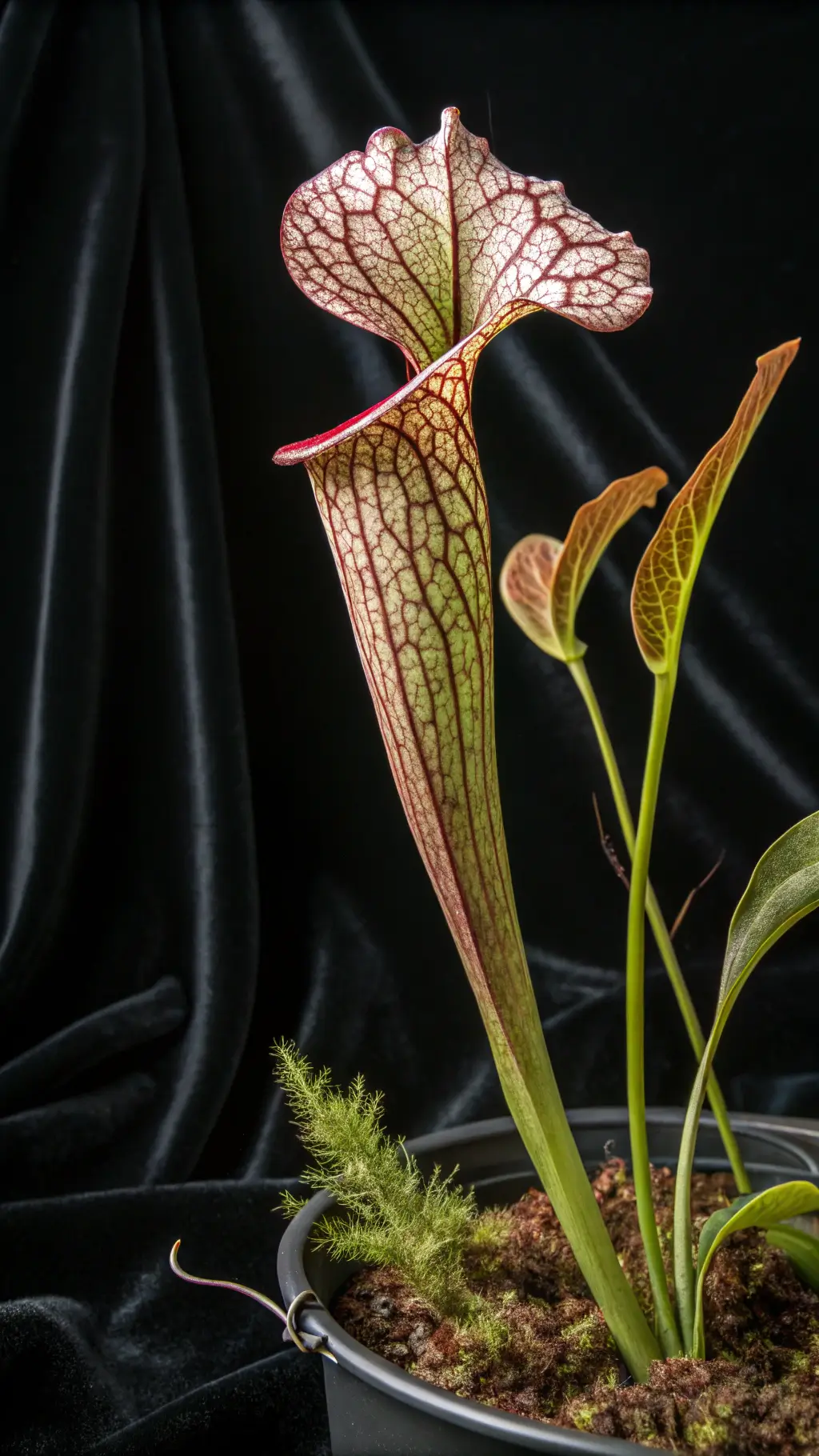
I ordered my Sarracenia leucophylla in late winter as a dormant rhizome with no pitchers. By May it had produced tall white-top pitchers nearly two feet above the pot, each one veined with red and green.
Imagine a plant that doesn’t just sit pretty but hunts its own dinner. The Sarracenia leucophylla is nature’s ultimate bug-catching machine, native to the southeastern U.S. and absolutely breathtaking.
A Plant Like No Other: Physical Characteristics
- Height: 20-36 inches tall
- Color palette: white, green, red, and purple
- Unique pitcher-shaped leaves that trap insects
The most striking feature is its tall, trumpet-like pitchers. These aren’t just decoration — they’re precision-engineered insect traps, with a white upper portion decorated in intricate venation that looks like living art.
Where This Amazing Plant Calls Home
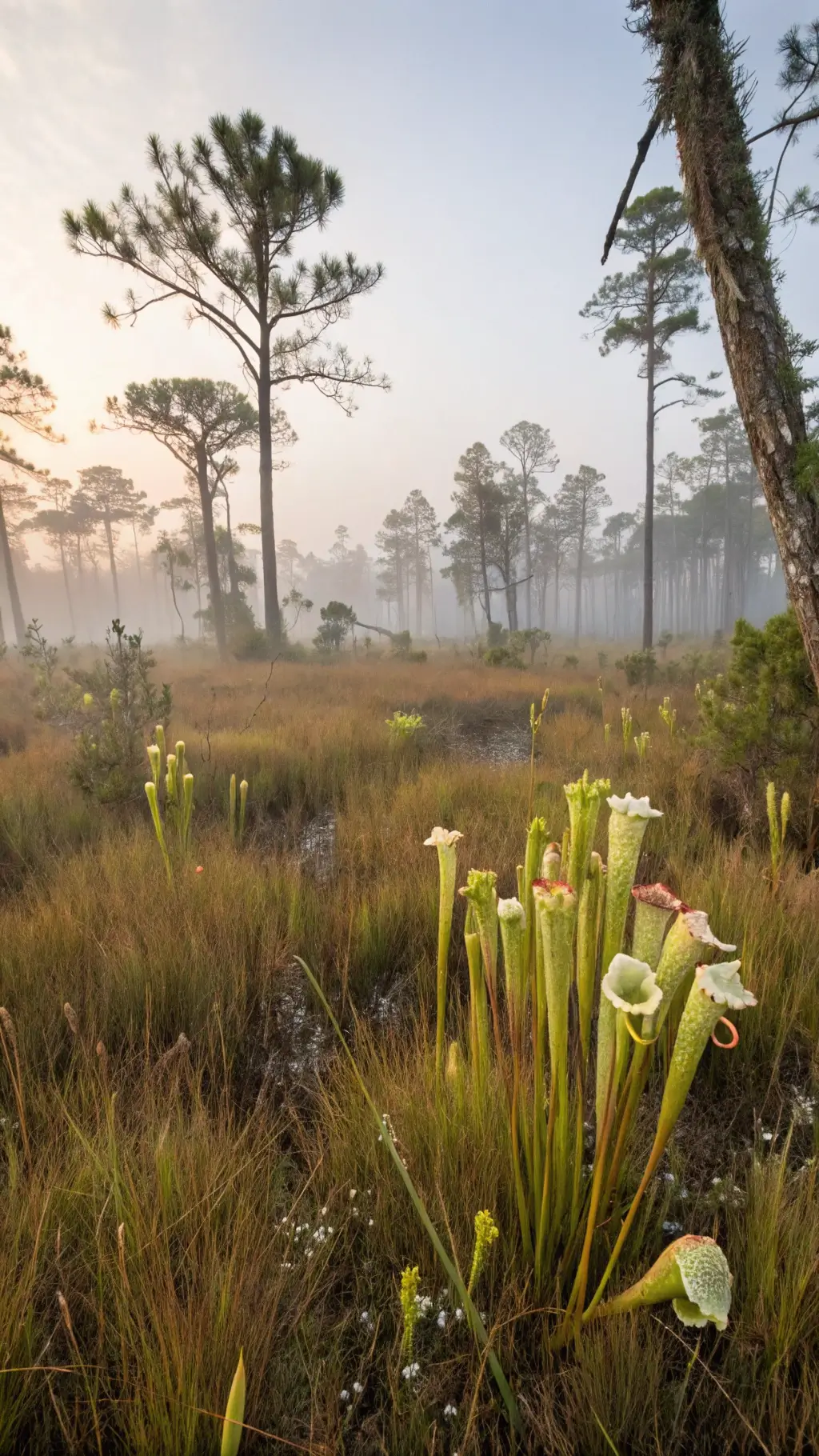
- Gulf Coast wetlands
- Longleaf pine savannas
- Sandy bogs
- States: Florida, Georgia, Alabama, Mississippi, North Carolina
These are true survivors of challenging environments — thriving in acidic, low-nutrient wetlands that would make most plants wave the white flag.
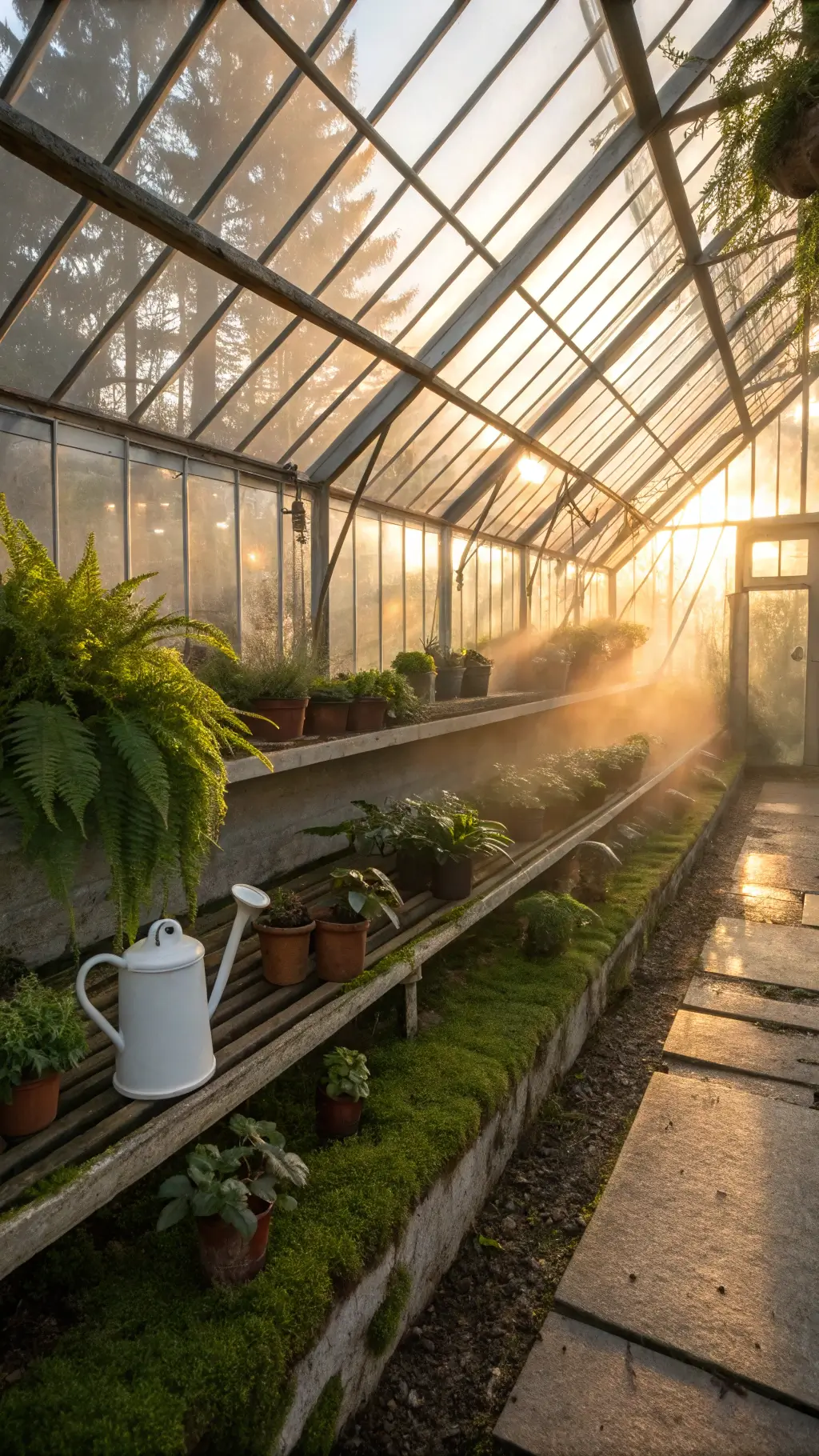
Growing Your Own Carnivorous Companion
Cultivation Tips for Success
- Sunlight: full sun (6+ hours daily)
- Water: distilled or rainwater ONLY
- Soil: sphagnum peat moss + sand
- Hardiness: USDA Zones 6-10
Pro tip: forget tap water! These sensitive plants require pure water to survive.
Propagation Methods
Want to multiply your pitcherplant population? You’ve got two main options:
- Rhizome division for established clumps
- Seed from mature flowers (slow but rewarding)
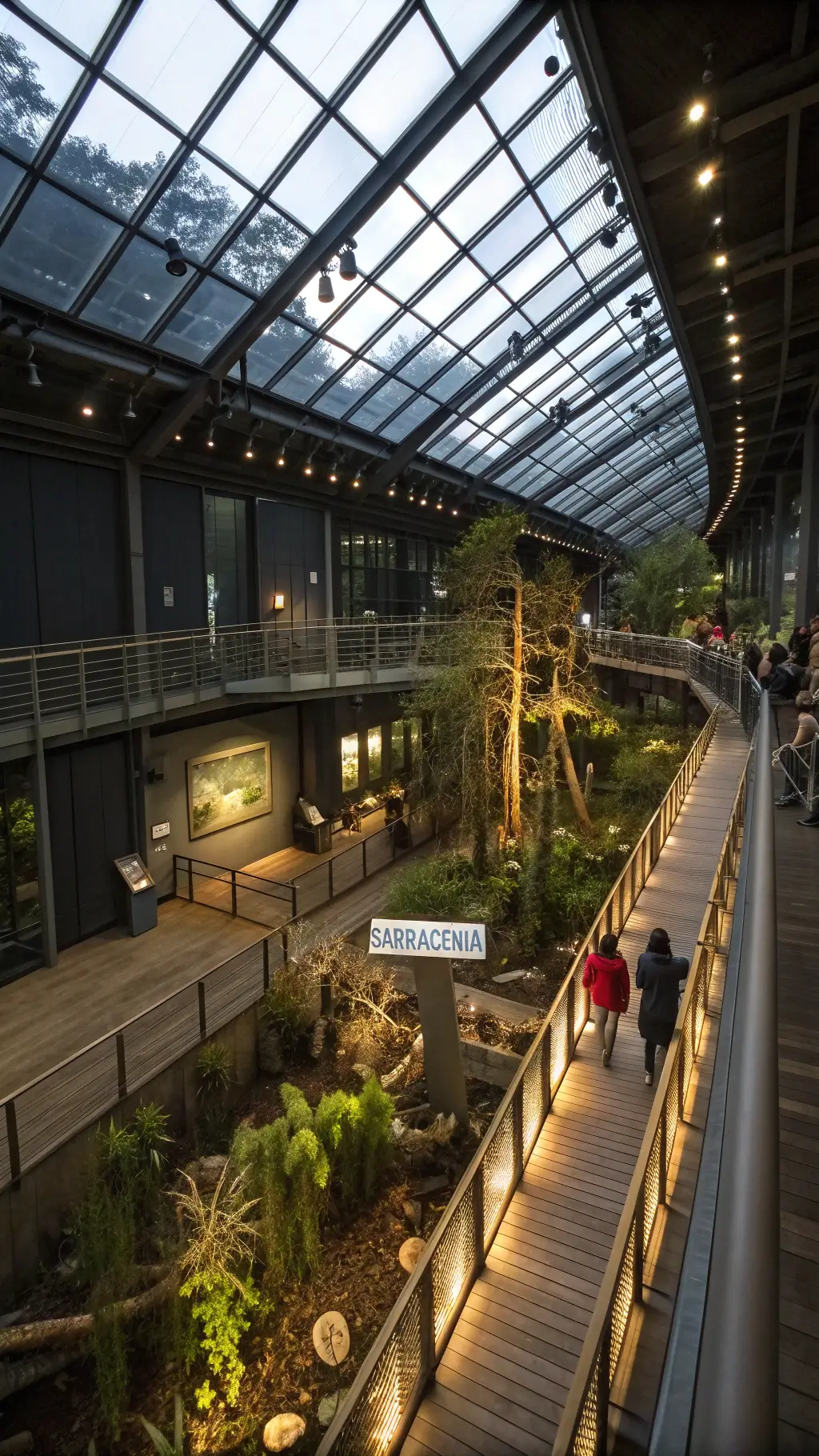
Cousins like the carnivorous plant prove the Sarracenia genus is full of characters. This crimson beauty, though, is the showstopper.
Conclusion
Sarracenia leucophylla turns a sunny bog into a living art gallery of white-topped pitchers. Give it sun and pure water. Give it a shot — your flies won’t stand a chance!