
Exploring the Concept of Plant Parenthood
I started collecting Indoor plants during a stressful stretch, and the simple ritual of watering and pruning quietly calmed my brain. It is less about the foliage and more about having a slow, patient thing to tend. Turns out the science backs that feeling up.
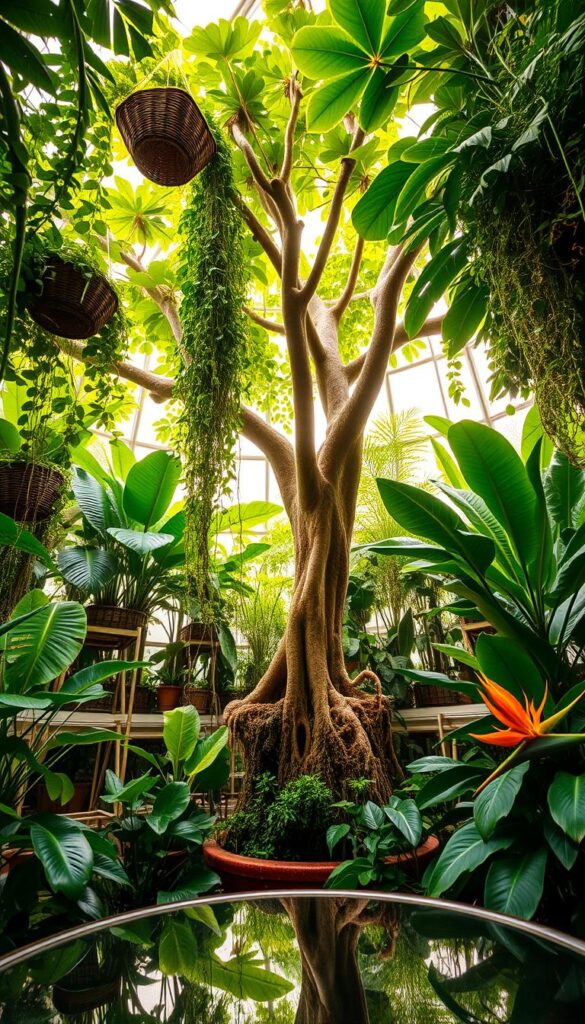
How My Green Journey Started
Mine began with one desk succulent and snowballed from there. Low-maintenance picks like succulents and snake plants taught me the basics before I tackled fussier species. Time spent on plant care is really an investment in well-being, a form of self-care that pays calm dividends.
What Your Personality Says About Your Plants
The way you garden reflects how you live. Detail-oriented folks gravitate to orchids, relaxed types to snake plants, and creative souls to colorful decoratives. Match the plant to your temperament and the whole thing feels effortless:
| Personality Trait | Plant Choice | Space Impact |
|---|---|---|
| Detail-oriented | Fussy plants (e.g., orchids) | Creates a serene, organized environment |
| Relaxed | Low-maintenance plants (e.g., snake plants) | Fosters a calm, natural ambiance |
| Creative | Colorful, decorative plants | Enhances aesthetic appeal and mood |
The Real Mental Health Payoff
Research from the University of Hyogo shows plant care drops stress by about 28%, and the Royal Agricultural University found a 15% creativity and productivity bump around greenery. These indoor plants do more than decorate, they reset your headspace. A few highlights:
- Plant care lowers stress roughly 28% (University of Hyogo)
- Greenery boosts creativity and productivity ~15%
- Tending plants builds a calming daily ritual
Attention Restoration and Our Need for Nature
Biophilia and Attention Restoration Theory explain why a windowsill of green recharges us. Soft, effortless attention near plants eases mental fatigue, which is exactly what cramped urban living strips away. The framework in plain terms:
| Theory | Key Concept | Connection to Plant Care |
|---|---|---|
| Attention Restoration Theory (ART) | Restores mental energy through natural environments | Plants provide a restorative setting, reducing mental fatigue |
| Biophilia | Innate human connection with nature | Caring for plants strengthens our bond with nature, enhancing well-being |
| Soft Attention | Effortless focus in natural settings | Engaging with plants allows for mental relaxation and rejuvenation |
Build Your Own Green Oasis
Turning a room into a sanctuary is practical and therapeutic. A fiddle leaf fig anchors a living room, low-light snake plants calm a bedroom, and a small desk plant sharpens a home office. The room-by-room cheat sheet:
| Space | Design Tips | Benefits |
|---|---|---|
| Living Room | Add a statement piece like a fiddle leaf fig | Creates a welcoming and natural ambiance |
| Bedroom | Incorporate low-light plants like snake plants | Promotes better sleep and relaxation |
| Home Office | Use small potted plants on your desk | Enhances focus and creativity |
Some plants boost creativity more than others, and a few plants could purify the air and bring balance to indoor spaces. Even one potted plant on a sill counts.
Mindful Self-Care, One Watering at a Time
My care routine is a meditation. Consistency grounds me in the present, much like journaling. Start with forgiving varieties, snake plants or succulents, and let the process, not perfection, be the point. Here is how experts frame the therapy angle:
| Expert | Perspective | Benefit |
|---|---|---|
| Dr. Joy Harden Bradford | Nature as a stress reducer | Reduces cortisol levels |
| The Sill Experts | Plant care as meditation | Enhances mindfulness |
Bringing Nature Indoors, Even in the City
Limited light and space are just puzzles to solve: vertical gardens, low-light Chinese Evergreen, a few minutes of mindful care a day. The barrier is rarely the plant, it is the excuse. As plant parenthood is more than caring for leaves, it is about connection, the trends in California show the movement is everywhere.
Old Wisdom Meets New Research
Ayurveda and Feng Shui long claimed certain plants could purify the air and bring balance to indoor life, and modern studies on peace lilies and spider plants agree. Tradition and lab work finally shake hands:
| Traditional Practice | Modern Application | Benefit |
|---|---|---|
| Ayurvedic Use of Air-Purifying Plants | Modern Studies on Indoor Air Quality | Reduces Toxin Levels Indoors |
| Feng Shui Plant Placement | Interior Design for Well-Being | Creates Calming Environments |
| Herbal Remedies | Scientific Research on Plant Extracts | Supports Mental Health |
For a softer, more human take on why we nurture, this is a fun watch:
And a peek into a plant-stuffed studio apartment that nails the vibe:
Conclusion
Plant parenthood is more than watering, it is a quiet connection to nature that lowers stress, sparks creativity, and steadies the mind. Start small, stay consistent, and let the ritual do its work. Give it a shot, your future calmer self will thank you. 🌿