
Bonsai Winter Care: Protecting Your Miniature Trees During the Cold Months
I lost a beautiful maple bonsai last winter because I left it on an unheated porch during a freeze that hit fifteen degrees. Now I keep a thermometer by my winter storage and move trees in before the first hard frost.
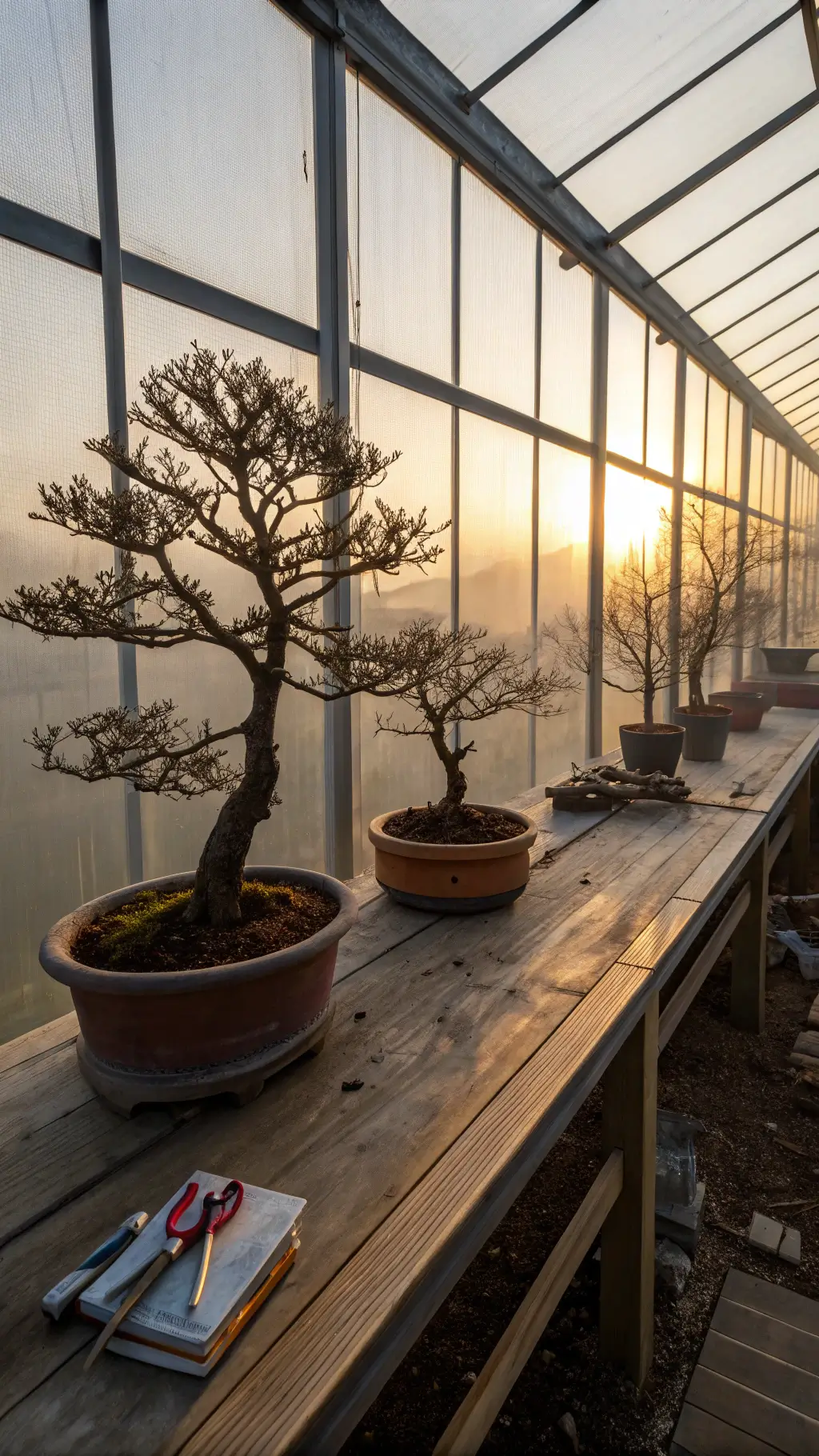
Understanding Winter’s Challenge for Bonsai Trees
Let us face it, winter is brutal for plants, and bonsai are no exception. Each tiny tree has its own needs, and getting winter care right is the difference between a thriving tree and a heartbreaking loss.
The Golden Rules of Bonsai Winter Protection
1. Respect the Natural Dormancy Cycle
Key survival strategy: let your trees feel natural cold weather.
- Cold triggers essential dormancy
- Prevents premature winter break
- Mimics natural forest conditions
2. Root Protection is Paramount
Critical temperature zone: keep soil between 0-5°C (32-41°F).
Protect those delicate roots with these methods:
- Mulch heavily
- Use insulating materials
- Create sheltered locations
- Avoid direct wind exposure
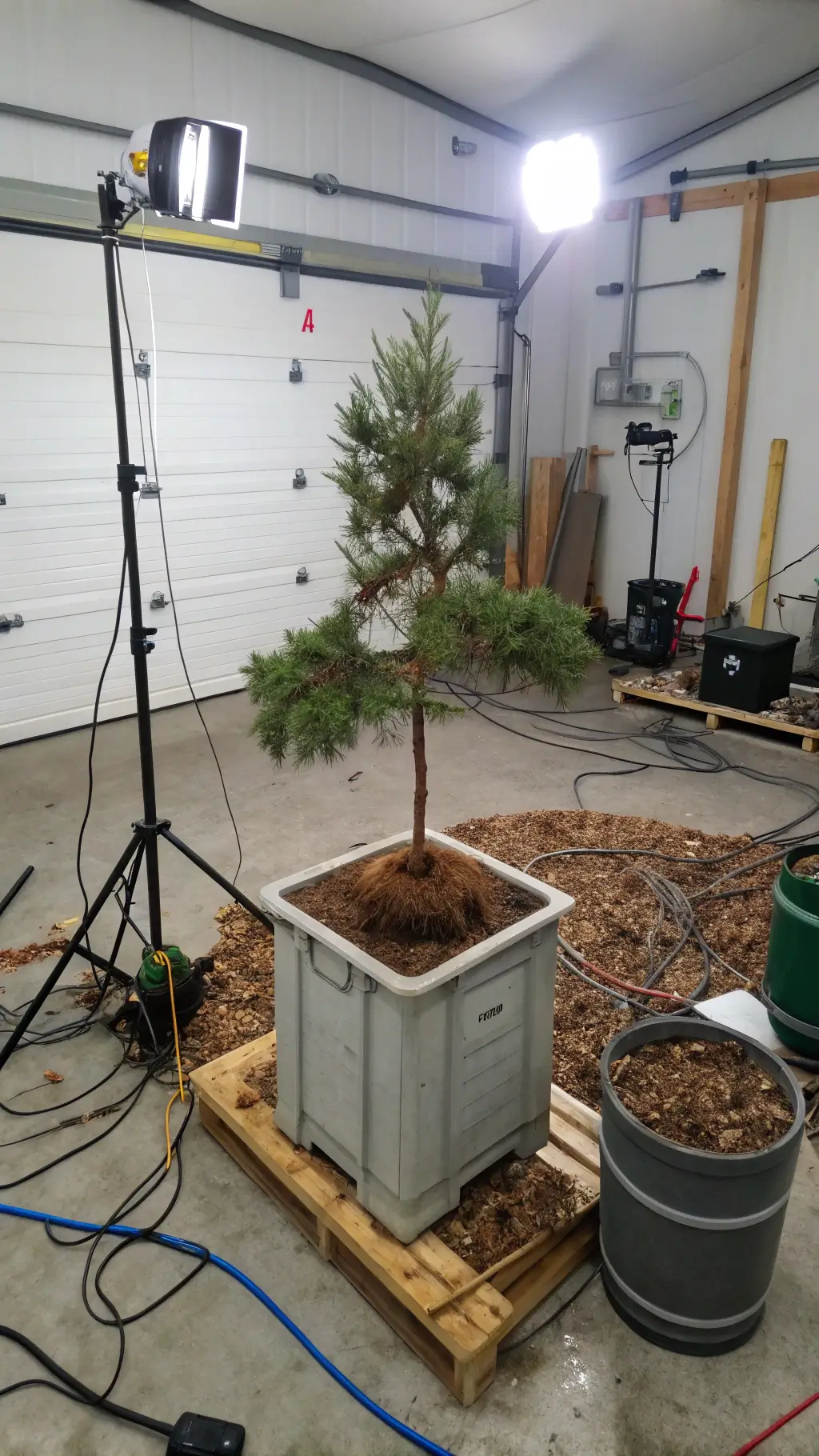
3. Smart Watering Techniques
Winter watering is a delicate dance:
- Water sparingly
- Never let soil fully dry out
- Avoid overwatering
- Use room-temperature water
Species-Specific Winter Survival Guide
Temperate Deciduous Trees (Maples, Elms)
- Require genuine cold dormancy
- Protect below -10°C (14°F)
- Need consistent cool temperatures
Hardy Conifers (Pines, Junipers)
- Most cold-tolerant species
- Can survive to -20°C (-4°F)
- Still need wind protection
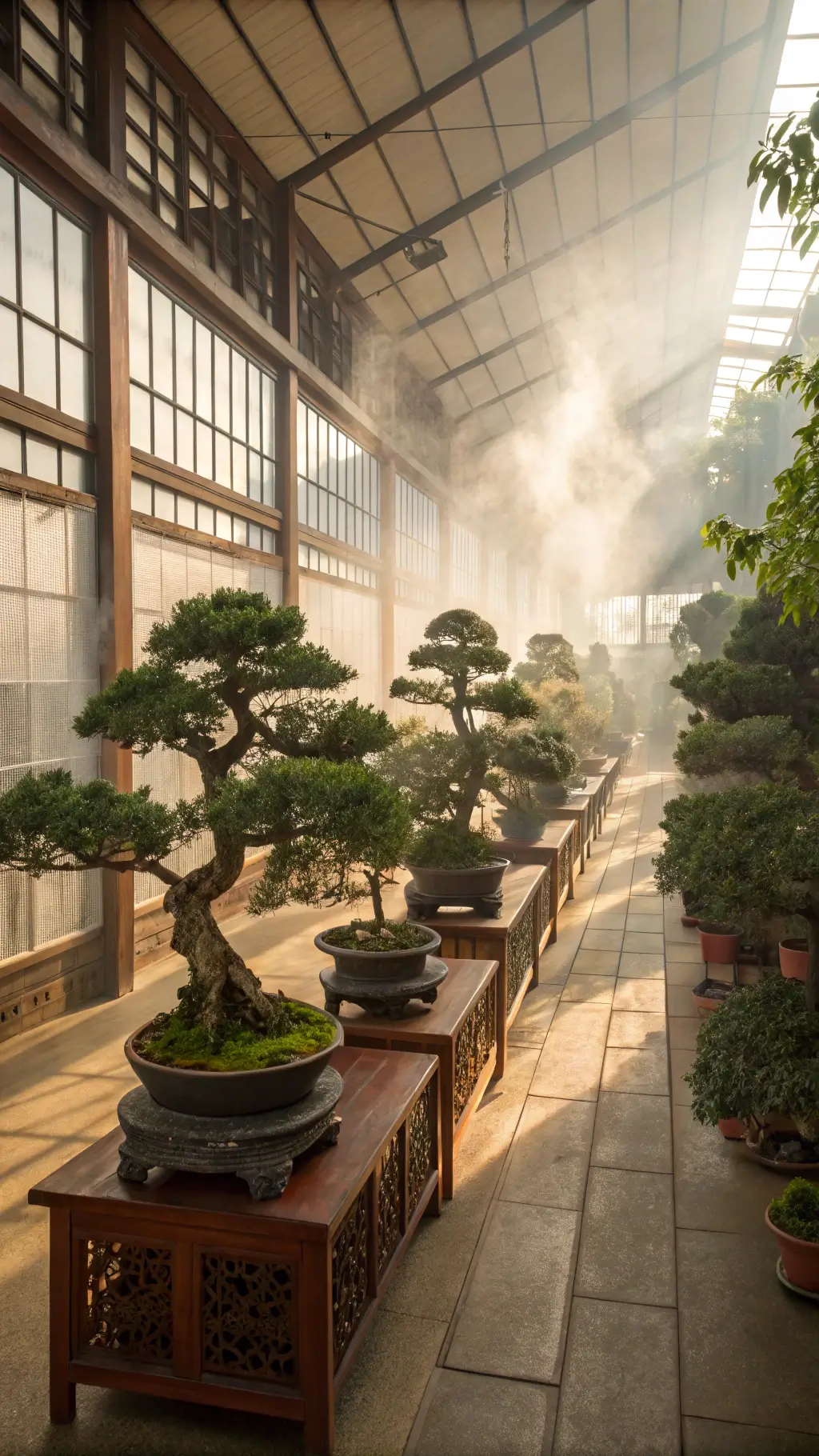
Tropical/Subtropical Bonsai
- Bring indoors before 10°C (50°F)
- Provide bright, consistent light
- Keep temperatures above 10°C
Practical Winter Protection Methods
Location Strategies
- Unheated garage or shed
- Cold frames
- Buried pot techniques
- Grouped pot arrangements
Insulation Techniques
- Bubble wrap protection
- Mulch beds
- Ground burial
- Wind barriers
Common Winter Mistakes to Avoid
❌ Don’t:
- Overwinter temperate trees indoors
- Allow sudden temperature swings
- Forget pest monitoring
- Skip gradual spring reintroduction
Pro Tips for Successful Bonsai Winter Care
✅ Do:
- Know your specific tree species
- Research local climate conditions
- Prep protection materials early
- Check trees regularly in winter
Conclusion
Bonsai winter care is not rocket science, it is about knowing your tree’s natural needs and giving gentle, consistent protection. Protect temperate trees from freezing by moving them to an unheated garage or cold frame, and water sparingly since dormant trees barely drink.
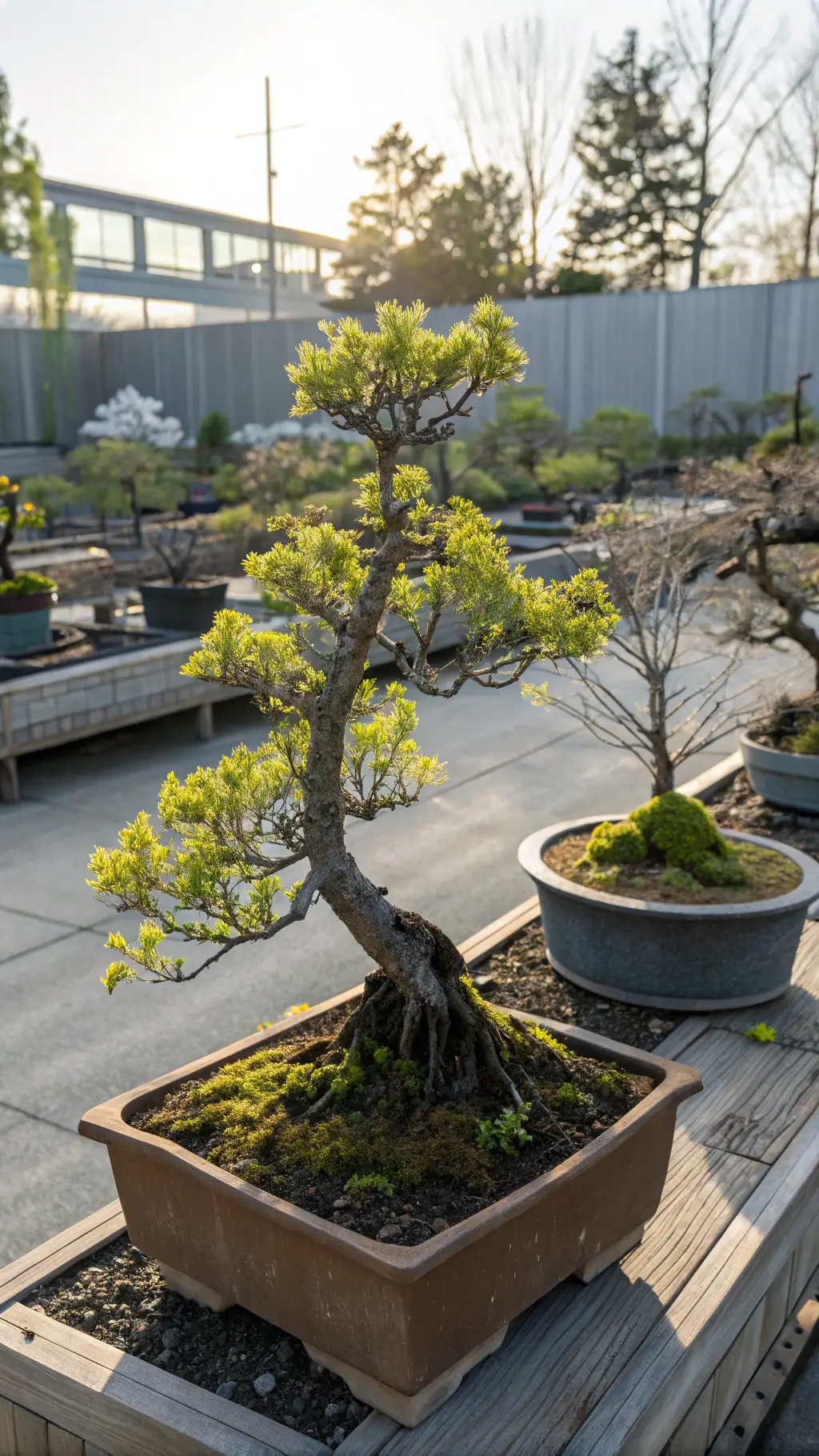
Stay observant, be patient, and your miniature trees will reward you with fresh growth come spring. Give it a shot this winter!