
Bonsai Tree Care: Your Ultimate Guide to Nurturing Miniature Masterpieces
I water my bonsai collection every morning by submerging the pots in a tray of water for five minutes. This method ensures the entire root ball gets moisture without runoff that can compact the soil surface.
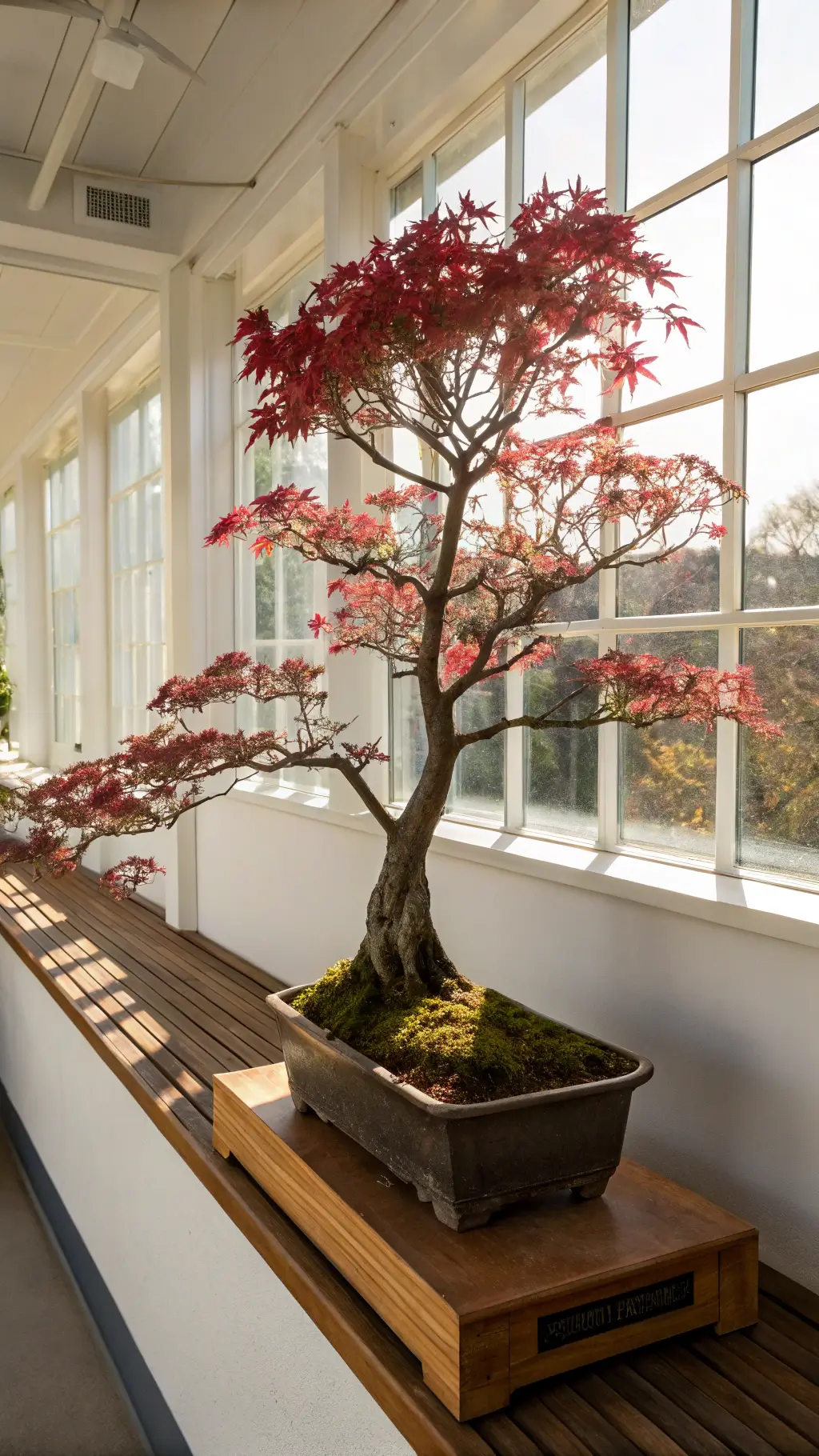
Understanding Bonsai: More Than Just a Tiny Tree
Bonsai isn’t just a plant – it’s a living art form that requires patience, precision, and passion. Each miniature tree is a carefully cultivated masterpiece that demands specific care and attention.
The Lifeline of Your Bonsai: Watering Secrets Revealed
Water is the magic potion for your bonsai’s survival. Here’s how to get it right:
Watering Like a Pro
- Check soil moisture daily – stick your finger about an inch into the soil
- Water when the top layer feels slightly dry
- Pro tip: Completely saturate the root system
- Allow water to drain thoroughly
- Warning: Never let soil dry out completely
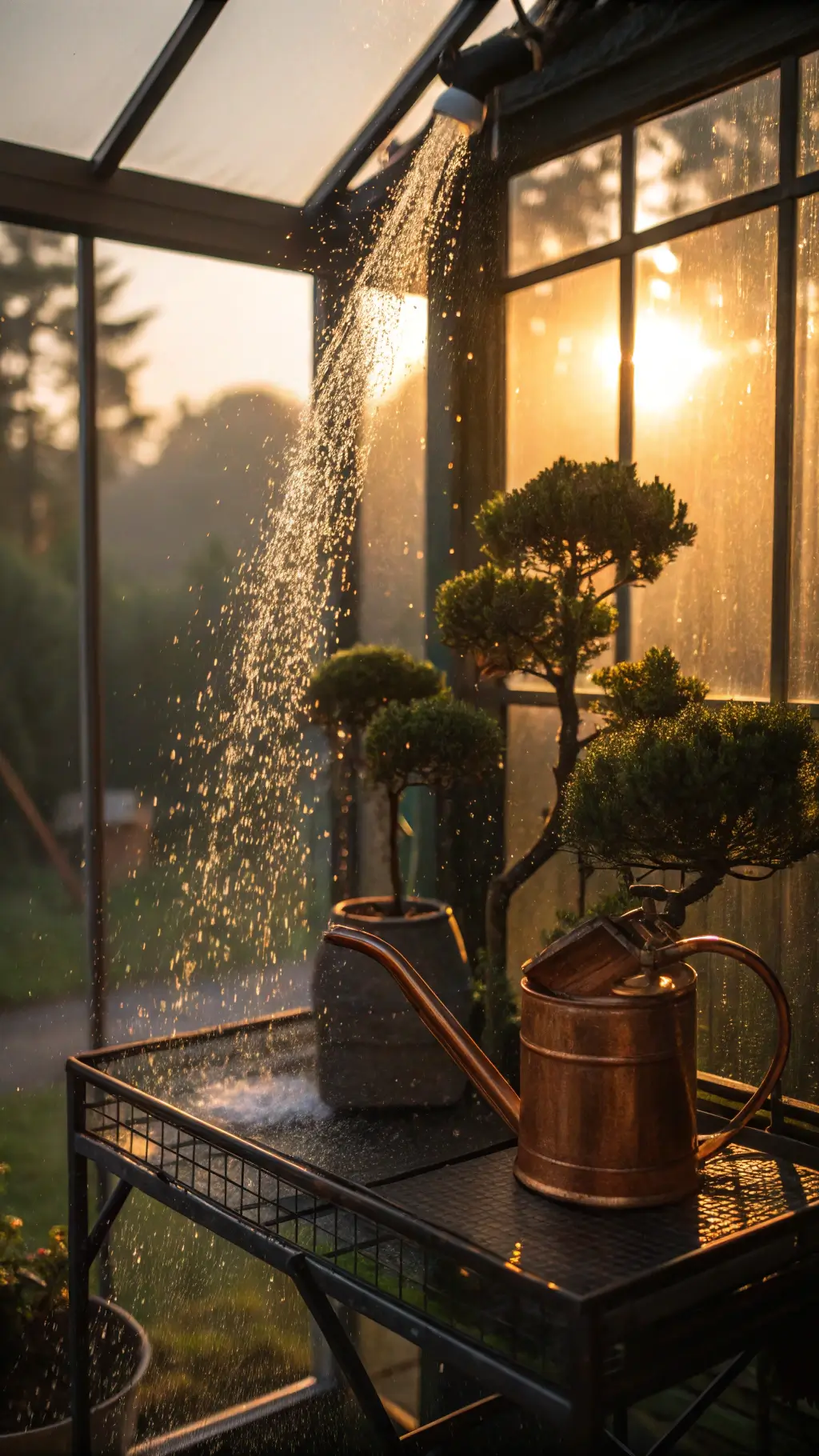
Watering Red Flags
- Yellowing leaves = potential overwatering
- Crispy, brown edges = potential underwatering
- Different species have different water needs
Lighting: The Bonsai’s Natural Energy Source
Your tiny tree is basically a solar-powered sculpture. Here’s how to nail the lighting:
Indoor Bonsai Lighting Strategies
- Position near a bright window
- Aim for 4-6 hours of indirect sunlight daily
- Rotate the pot weekly for even growth
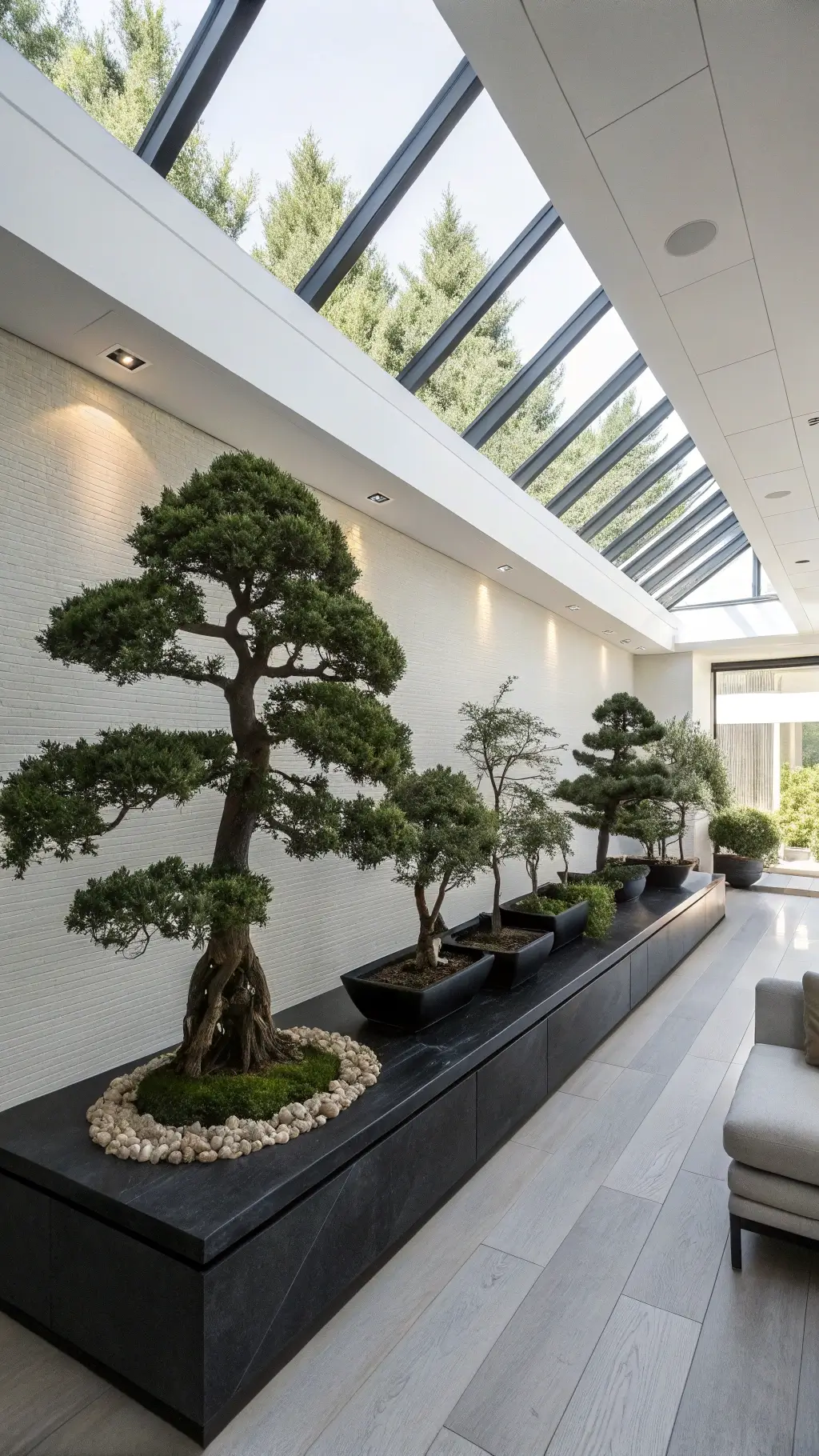
Outdoor Bonsai Light Requirements
- Most species love full sun
- Protect from extreme temperatures
- Use shade during scorching afternoon hours
Soil and Nutrition: Feeding Your Miniature Forest
Think of soil as your bonsai’s restaurant and fertilizer as its meal plan.
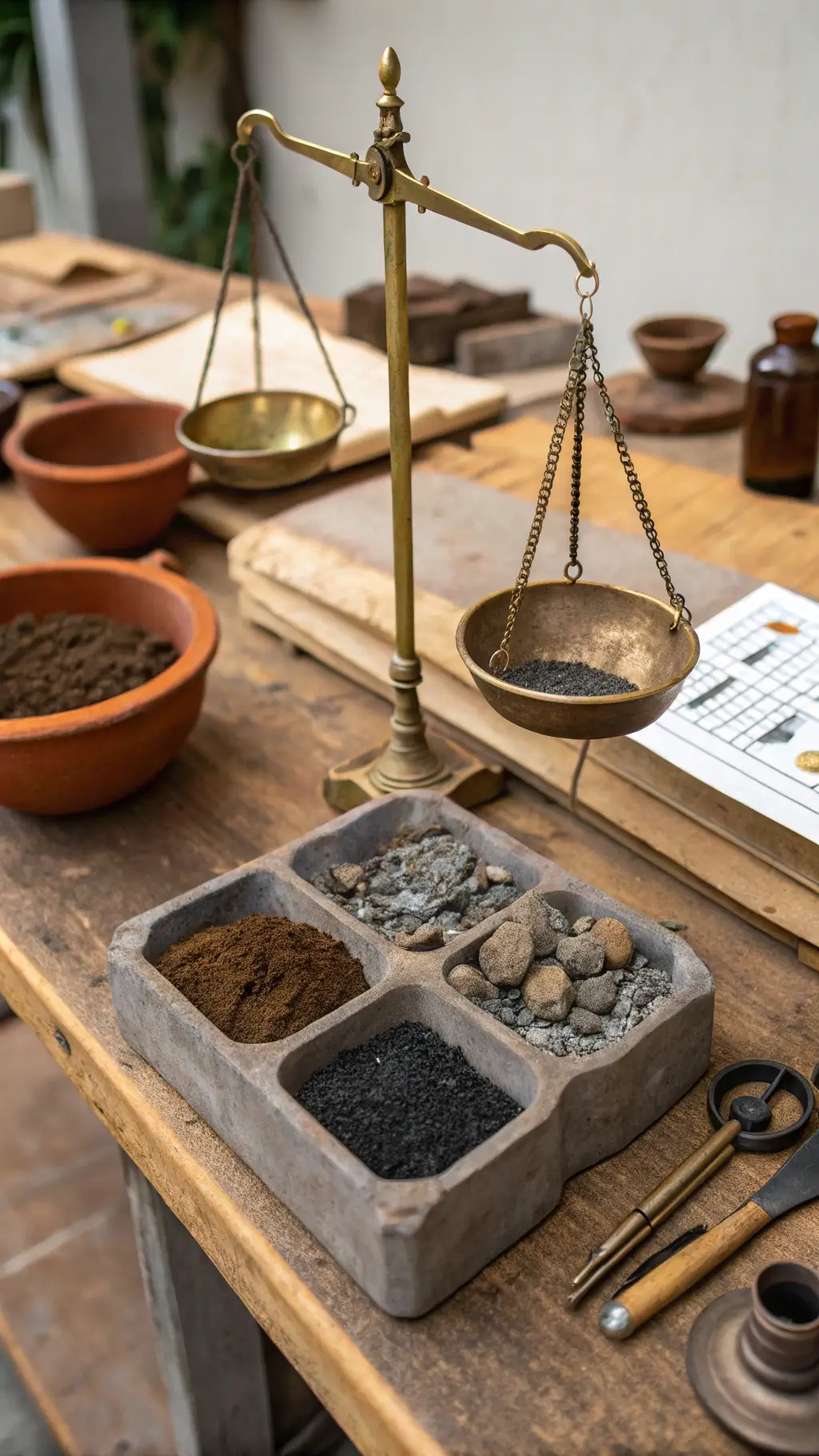
Soil Essentials
- Use specialized bonsai soil mix
- Ensure excellent drainage
- Avoid standard potting soil
Fertilization Framework
- Indoor bonsai: Liquid fertilizer every two weeks
- Outdoor bonsai: Organic fertilizer monthly
- Nutrition Ratio: Aim for balanced 5:5:5 NPK fertilizer
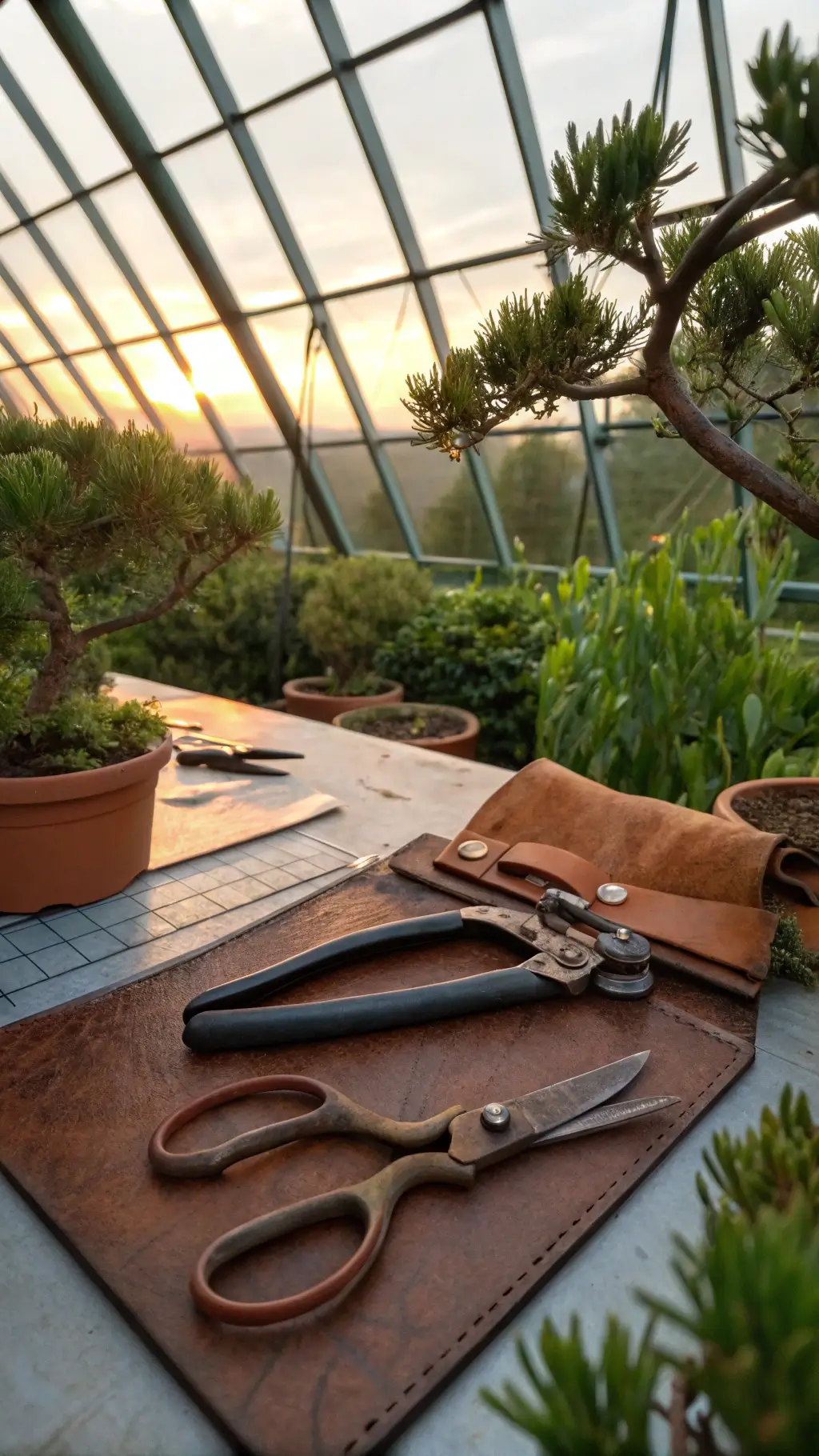
Pruning: Sculpting Your Living Artwork
Pruning isn’t just trimming – it’s strategic tree shaping.
Pruning Techniques
- Trim new shoots back to 2-3 leaves
- Perform major pruning in spring or fall
- Every cut should improve tree structure
Repotting: Giving Your Bonsai a Fresh Start
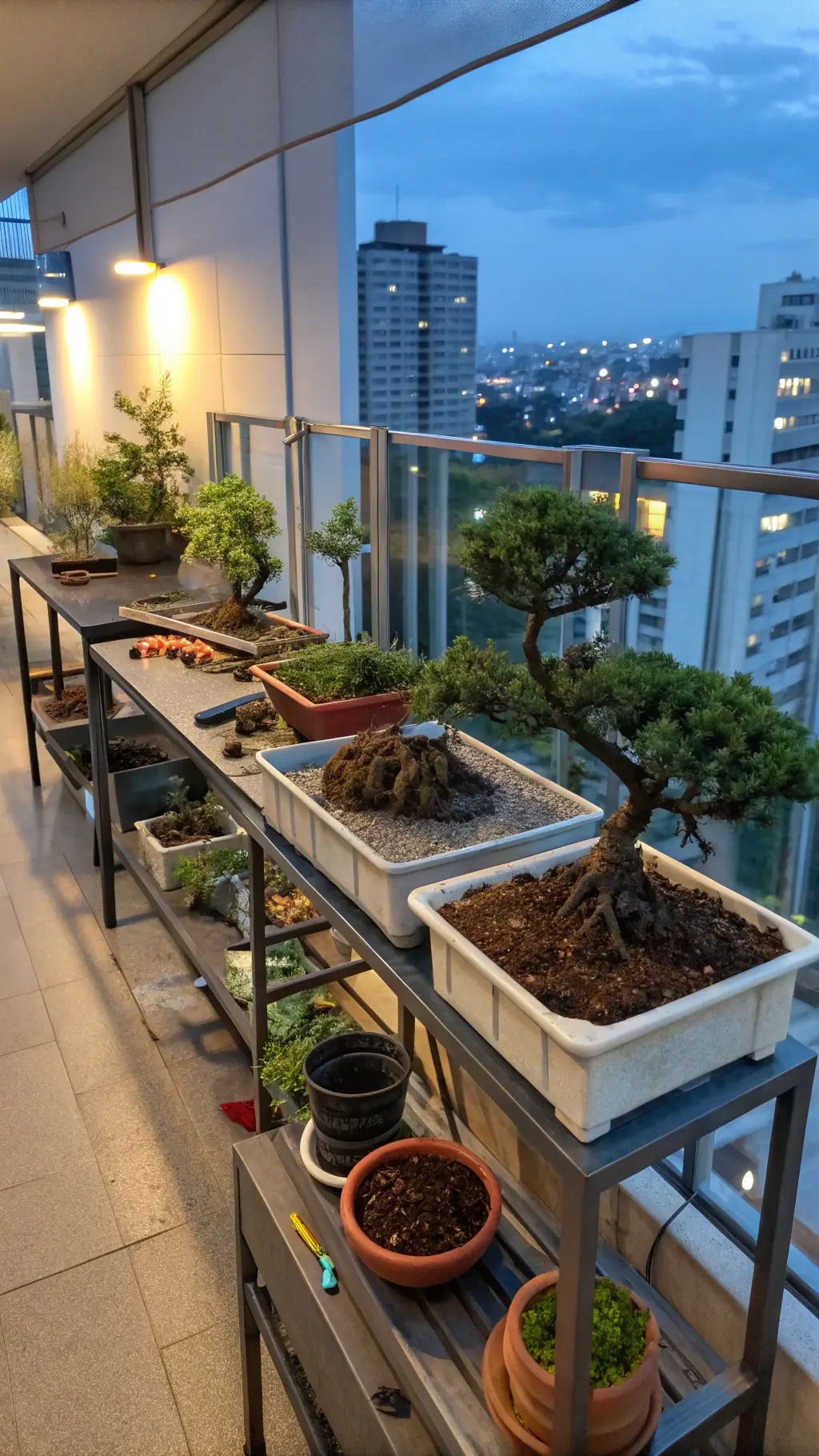
Repotting is like giving your tree a spa day and new home.
Repotting Guidelines
- Repot every 2-5 years
- Best time: Early spring
- Trim outer root layer
- Use fresh, well-draining soil
Bonus Pro Tips
- Increase humidity through misting
- Use humidity trays for indoor trees
- Be patient – bonsai is a long-term commitment
Common Mistakes to Avoid
- Overwatering
- Inconsistent light exposure
- Neglecting species-specific needs
- Impatient pruning
Your Bonsai Journey Begins Now
Remember, every bonsai is unique. Observe, learn, and adapt to your specific tree’s needs.
Final Wisdom: Bonsai is part science, part art, and 100% love.
Bonsai care requires consistent watering, bright light, and regular pruning. Repot every two years in spring, and use a well-draining mix to prevent root rot.