
Mastering Bonsai Tree Care: Your Complete Guide to Nurturing Miniature Marvels
I learned that bonsai are not a species but a technique for keeping trees small through pruning and root restriction. My ficus bonsai is the same species as the large houseplant in my living room, just trained differently over time.
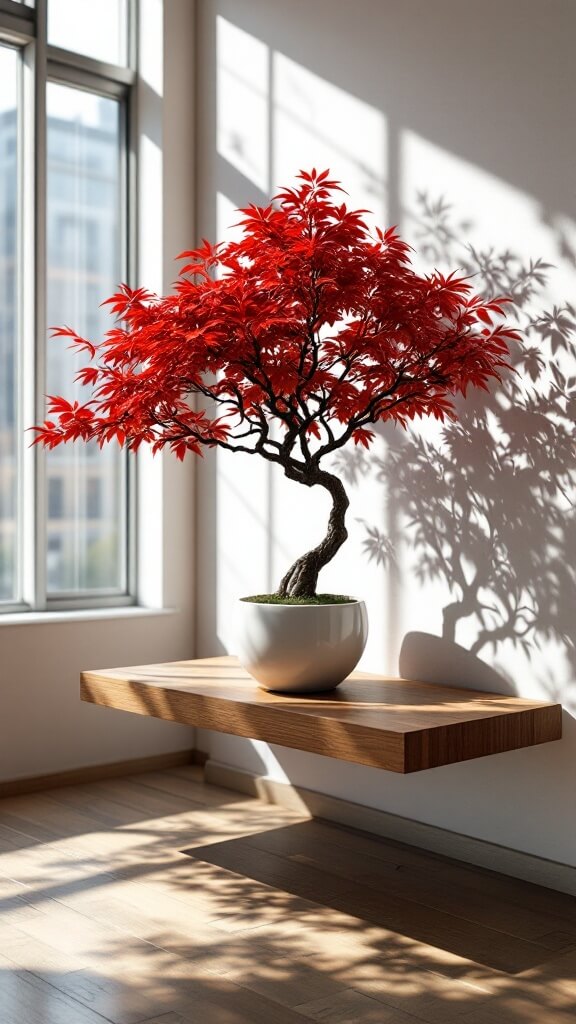
Understanding Bonsai: The Basics of Light and Placement
Have you ever wondered why your bonsai tree looks sad and droopy? Spoiler alert: It’s probably all about location!
Sunlight is Your Bonsai’s Best Friend
- Aim for 4-7 hours of direct sunlight daily
- South or west-facing windows are prime real estate
- Keep your tree within 6 inches of the window
- Pro tip: Once you find the perfect spot, resist the urge to play musical chairs with your tree
The Water Dance: Keeping Your Bonsai Hydrated
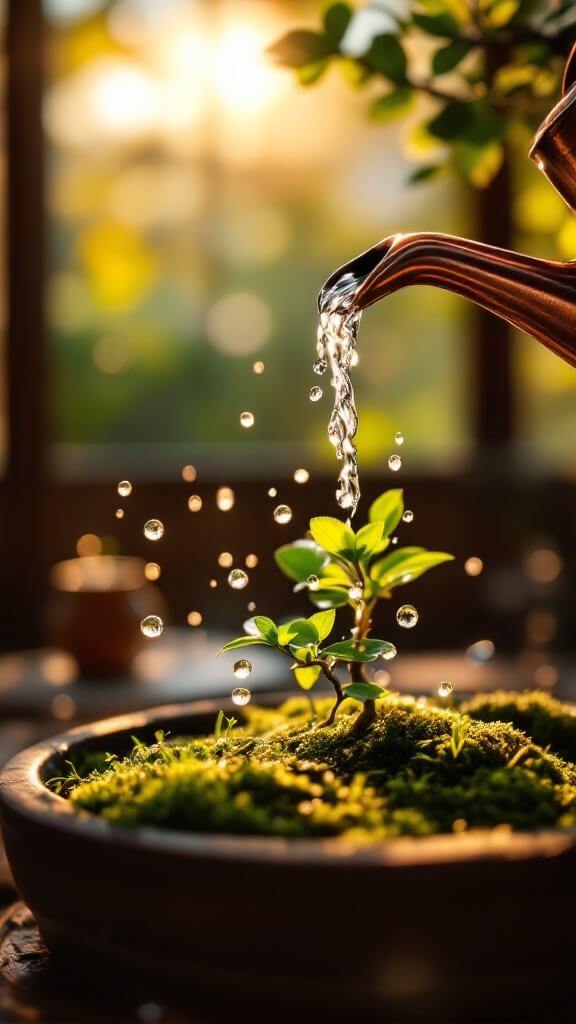
Watering a bonsai isn’t rocket science, but it’s close to an exact science.
Watering Wisdom
- Check soil moisture by touching the top layer
- Water thoroughly when the top soil feels dry
- Never let the soil become a desert
- Frequency depends on:
- Tree species
- Pot size
- Local climate
- Seasonal changes
Soil and Nutrition: Feeding Your Bonsai’s Soul
Think of soil and fertilizer like a balanced diet for your miniature tree.
Soil Secrets
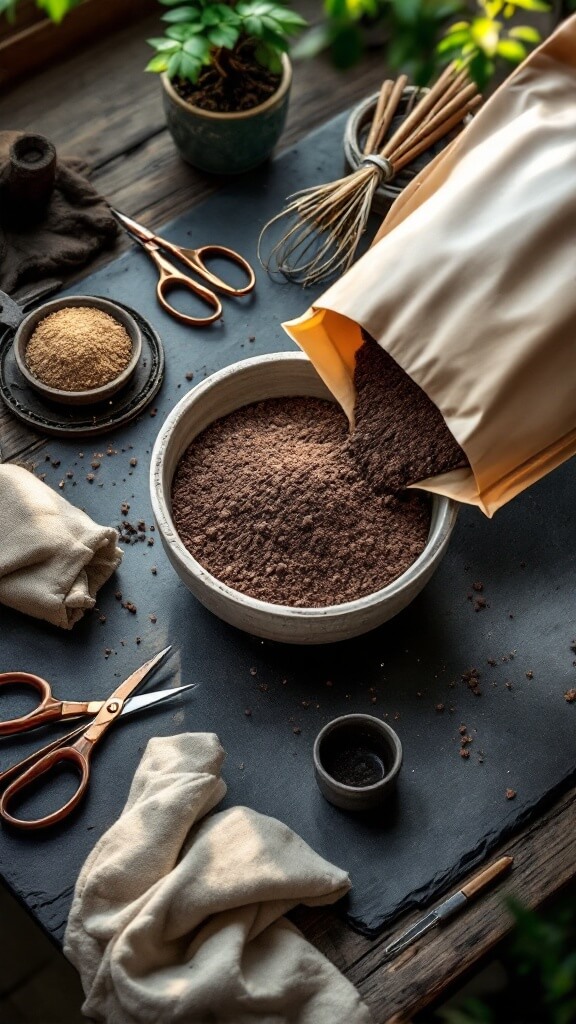
- Use well-draining soil mixes
- Consider akadama or moler clay
- Fertilize during the growing season
- Use slow-release fertilizers in spring
Pruning: Sculpting Your Living Artwork
Pruning isn’t just trimming – it’s creating a masterpiece.
Pruning Techniques
- Maintenance Pruning
- Removes new growth
- Maintains current shape
- Do every 3-4 months
- Structural Pruning
- Removes larger branches
- Alters tree’s fundamental structure
- Requires more skill and precision
Bonus Tip: Wiring can help shape branches, but watch those wires! Check every few months to prevent scarring.
Extra Care: The Little Things That Matter
Temperature Management
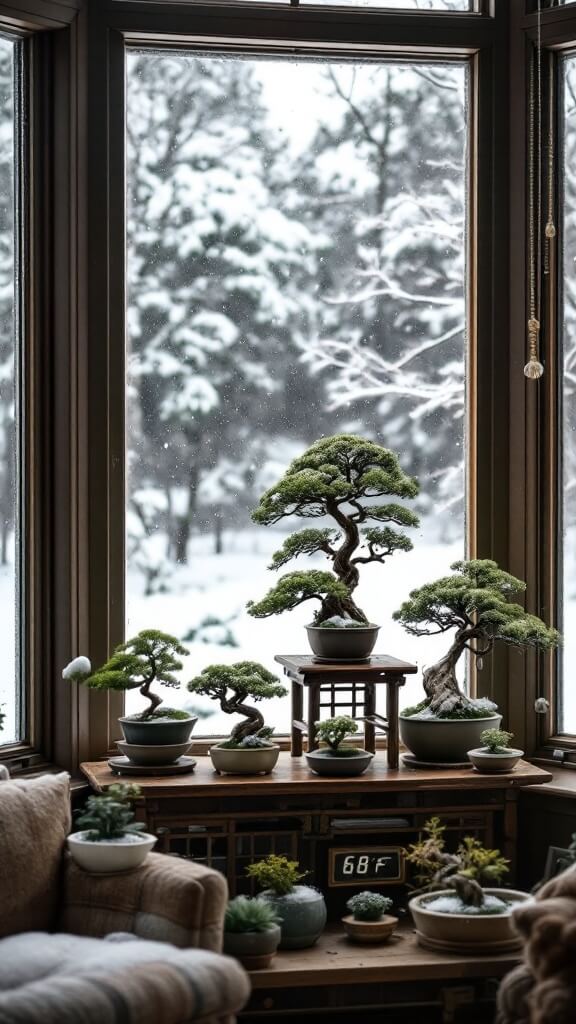
- Protect outdoor bonsai from extreme temperatures
- Be extra cautious during frost seasons
Humidity Hacks
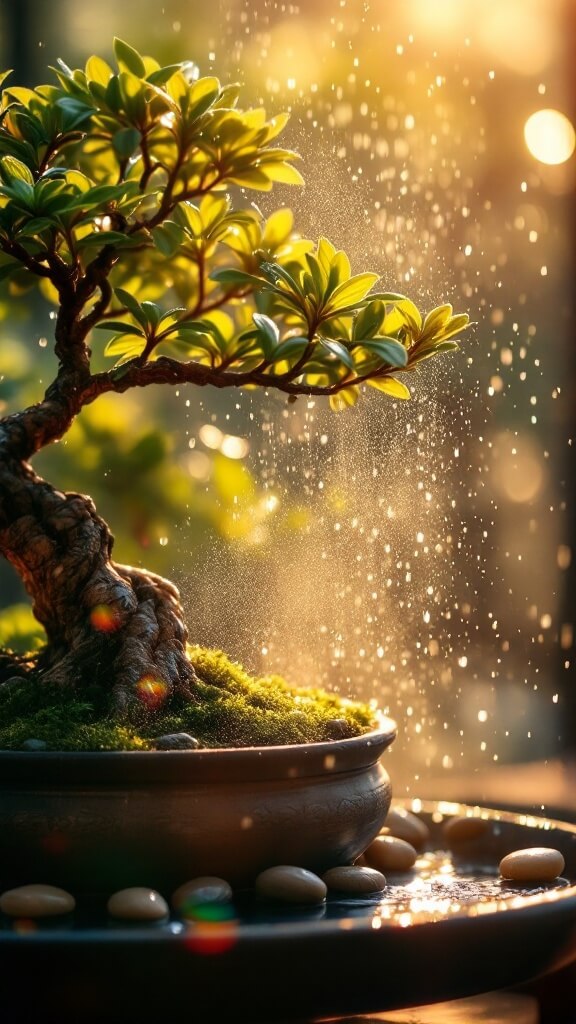
- Mist indoor bonsai regularly
- Use humidity trays
- Creates a tropical microclimate
Repotting Rhythm
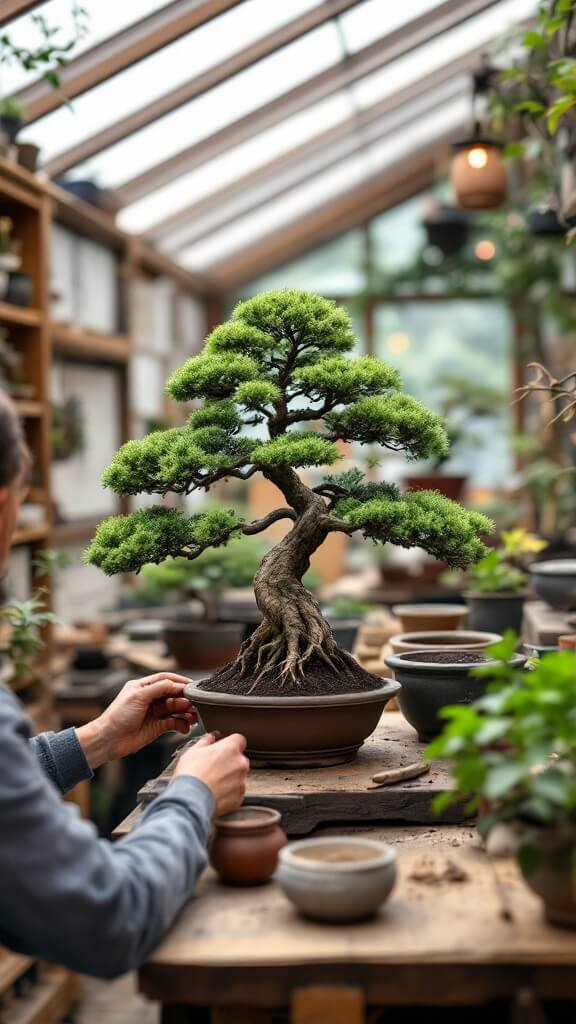
- Repot every 2-3 years
- Best done in early spring
- Gives roots fresh nutrients and space
Species-Specific Considerations
Important: Every bonsai is unique!
- Research your specific tree species
- Understand its individual needs
- Adjust care accordingly
Final Thoughts: Your Bonsai, Your Journey
Bonsai care isn’t about perfection – it’s about connection.
Each pruned branch, each carefully measured drop of water is a conversation between you and a living piece of art. Embrace the process, learn from your mistakes, and watch your miniature marvel thrive.
Remember: Patience isn’t just a virtue in bonsai – it’s the entire foundation of the practice.
Bonsai trees need regular pruning, proper watering, and the right soil mix. Choose a species suited to your climate and start with nursery stock before attempting to grow from seed.