
Understanding the Effects of Climate Change on Your Indoor Garden
I shoved my fern collection into the bathroom once summers got too warm and dry for my apartment. The shower steam gives them the humidity they crave, and the cooler air keeps them from crisping. Climate change is quietly rewriting the rules of indoor gardening, and honestly, our plants are feeling it before we do.
Rising CO2 and wilder temperature swings are shaking up how indoor gardeners need to think about watering and soil. Higher CO2 can nudge growth along, but too much heat stresses plants hard. If you want the full background, our main piece on indoor plant cultivation digs deeper into the science.
How Rising CO2 and Temperature Impact Plant Growth
Higher CO2 acts like a mild fertilizer through carbon fertilization, which sounds great until nutrient uptake gets lopsided and your plant’s health slips. Warmer temps speed up photosynthesis, but pile on too much heat and you’ve got a stressed, thirsty plant that’s suddenly a lot harder to keep alive. It’s a balancing act nobody asked for.
Influences on Water Use and Soil Conditions
In high-CO2 air, plants lose less water through their stomata, which sounds efficient. But warmer weather stretches the growing season, dries soils faster, and throws runoff patterns off, and that messes with the nutrients your plants can actually reach. Add in freak weather and you’ve rolled out the welcome mat for pests and pathogens.
Sustainable Swaps That Actually Help
The good news: small, boring choices add up. Reuse plastic pots, buy local, and trade cuttings with neighbors instead of shipping plants across the country. For more hands-on ideas, browse our plants hacks, and before you toss that old medium, see how to get mileage out of old potting soil.
| Material Type | Environmental Impact | Eco-Friendly Alternative |
|---|---|---|
| Plastic Pots | High carbon footprint, non-biodegradable | Recyclable or biodegradable pots |
| Peat-Based Compost | Contributes to peatland degradation | Peat-free compost |
| Single-Use Packaging | Increases landfill waste | Reusable or biodegradable packaging |
Every swap is a vote for a cooler future. None of this needs to be perfect; it needs to be consistent.
Smarter Growing Tech for Small Spaces
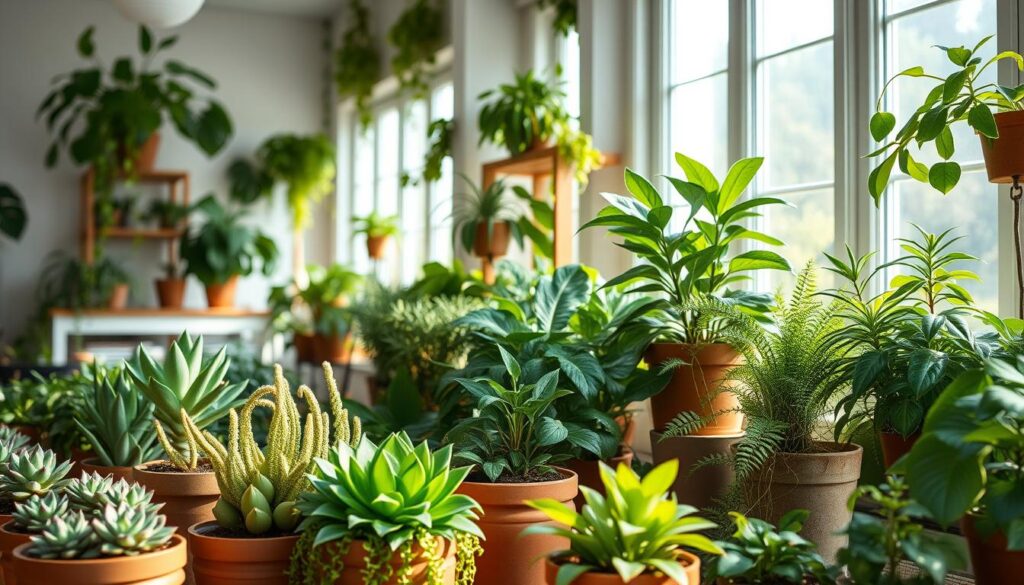
Vertical farming stacks plants in tight, controlled setups, and hydroponics feed roots directly so you waste less water. Controlled-environment agriculture uses sensors to fine-tune CO2, light, and temperature per crop, which is about as efficient as indoor growing gets.
Everyday Eco-Friendly Care
Skip the peat, skip the single-use plastic, and repurpose a jam jar as a pot if it makes you happy. Local plant-swap events are the easiest way to refresh your collection without a delivery truck.
Conclusion
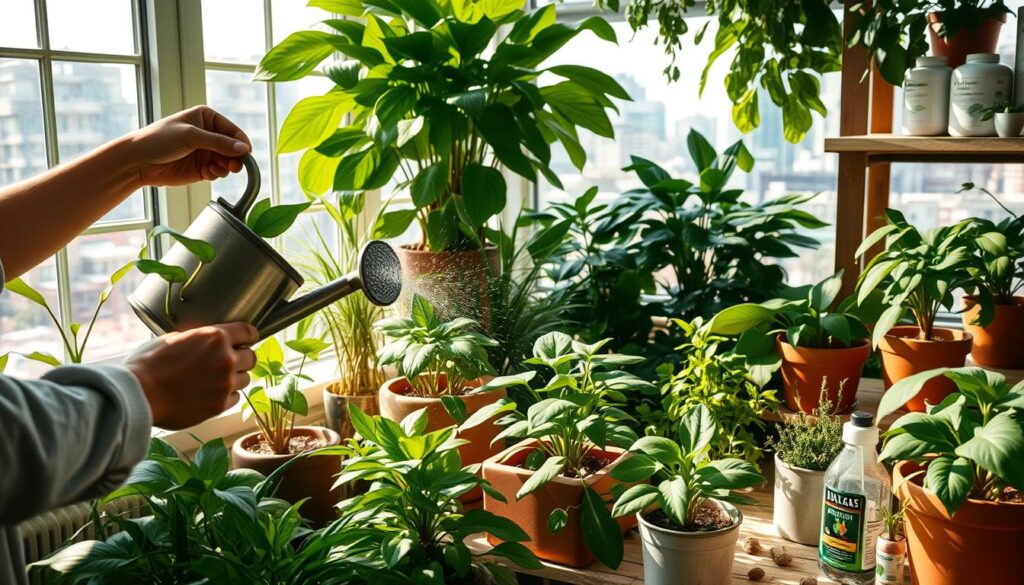
Climate change is making our homes hotter and drier, and our houseplants notice. Pick heat-tolerant species, bump up humidity with trays or plant grouping, and keep a close eye on soil moisture. Small, steady habits beat grand gestures every time. Give it a shot and your plants will thank you. 🙂