
Ficus Longifolia: The Ultimate Care Guide for Your Long Leaf Fig
My Ficus longifolia has narrow leaves that look like blades of grass and a growth habit that fills vertical space instead of spreading sideways. It is the only tall plant that fits in the narrow gap between my bookshelf and the wall.
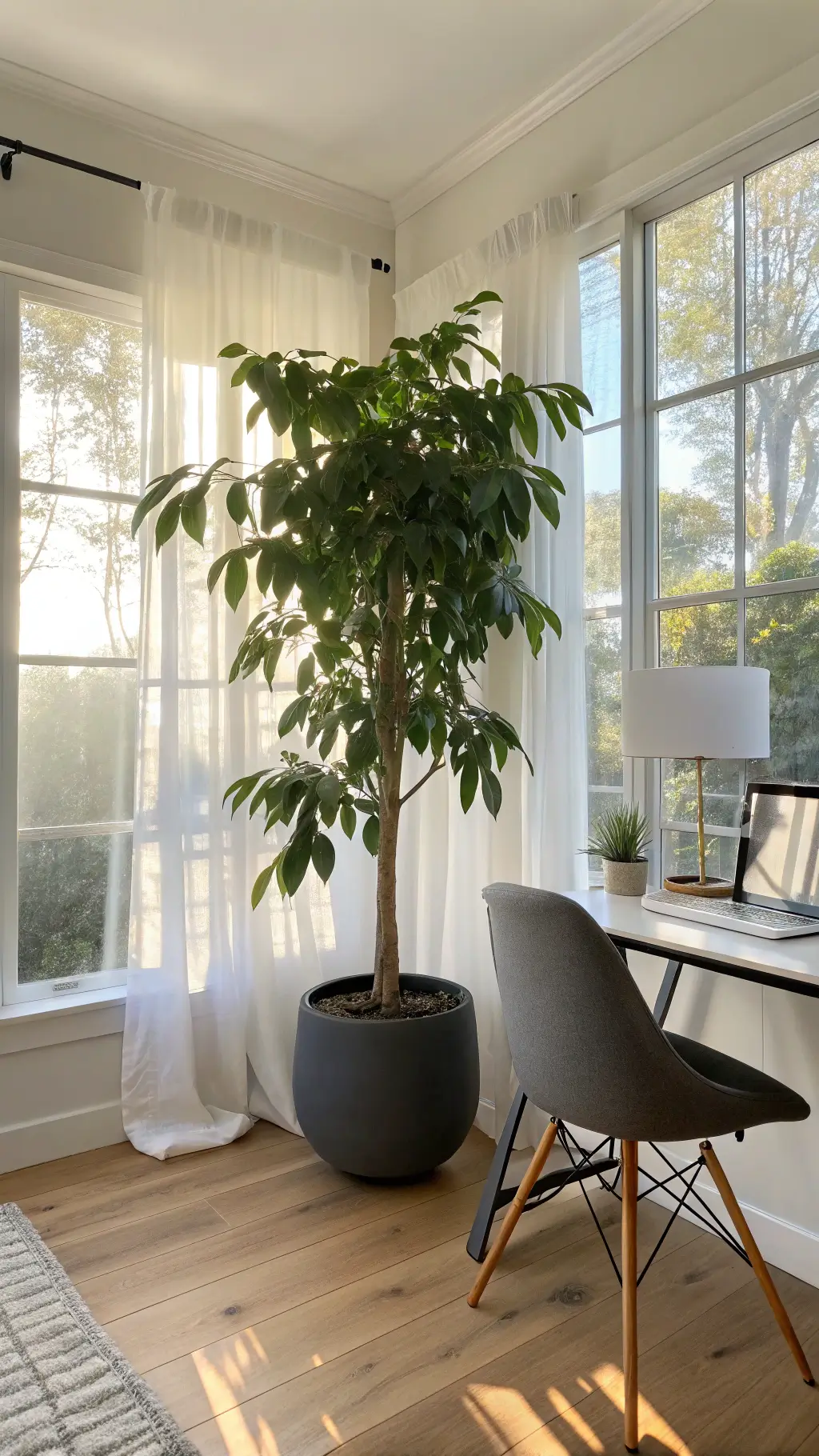
Why Ficus Longifolia? The Plant That Transforms Your Space
Let’s be real – this isn’t just another houseplant. The Long Leaf Fig is a living, breathing piece of art that’ll make your space feel like a tropical paradise.
Lighting: The Secret to Happy Ficus Longifolia
Bright, indirect light is this plant’s best friend.
Here’s the deal:
- Loves bright, filtered sunlight
- Can handle gentle morning or late afternoon sun
- Avoid harsh midday direct sunlight (think sunburn for plants!)
- Adapts to lower light, but growth might slow down
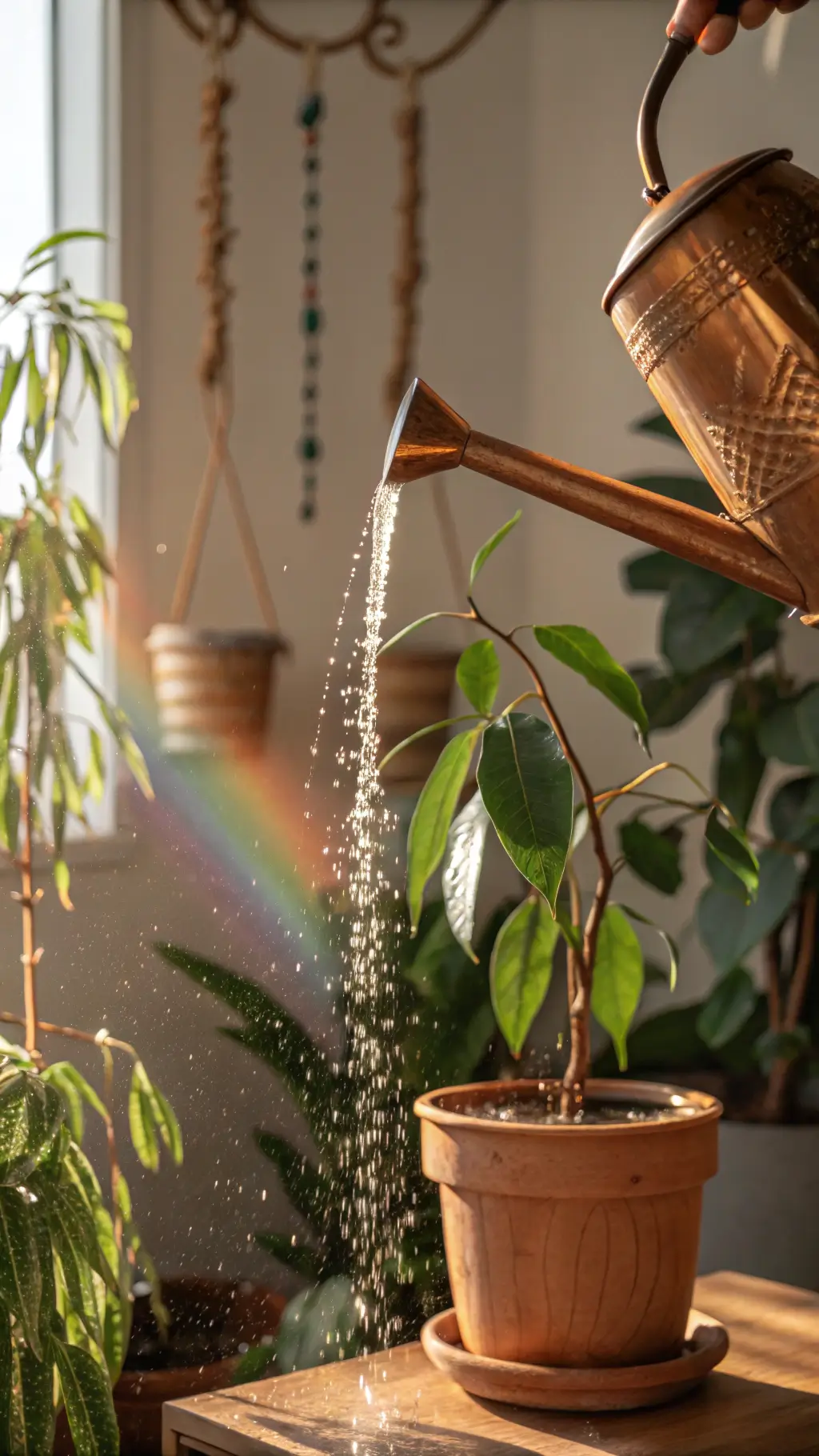
Watering: The Make-or-Break Skill
Watering is where most plant parents mess up. Not you, though!
Pro Watering Tips:
- Check soil moisture before watering
- Water when top 50-75% of soil is dry
- Drench thoroughly, let excess drain
- Critical tip: Allow soil to dry completely between waterings
- Reduce watering in winter
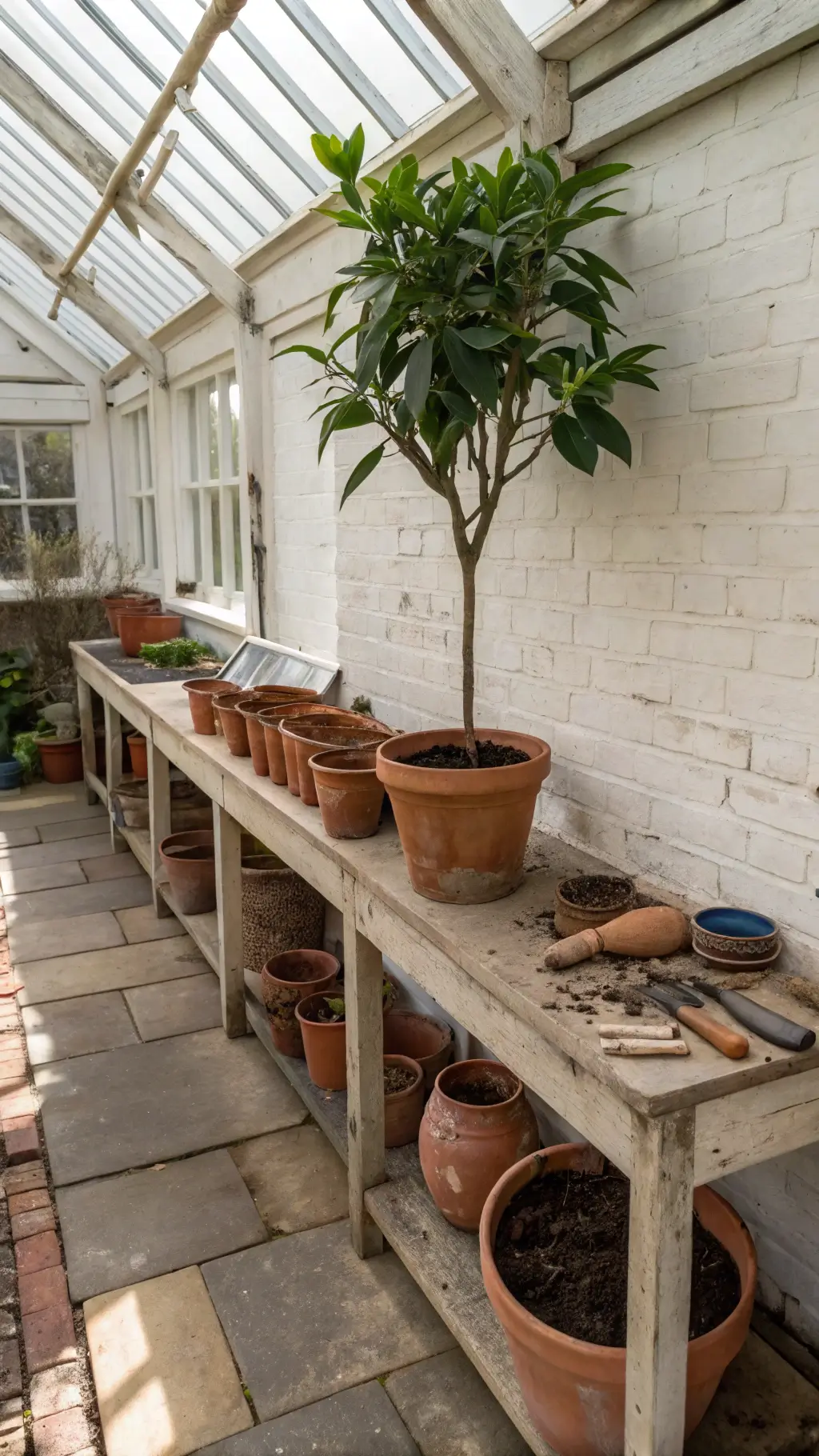
Soil and Nutrition: Feeding Your Green Friend
Your Ficus longifolia is picky about its diet. Here’s how to keep it happy:
Soil Essentials:
- Well-draining, fertile potting mix
- Add sand or perlite for extra drainage
- Fertilize every 2-4 weeks during growing season
- Use half-strength balanced liquid fertilizer
- Stop fertilizing in fall and winter

Temperature and Humidity: Creating the Perfect Environment
Think tropical, but not TOO tropical:
- Sweet spot: 65-85°F (18-30°C)
- Never let it drop below 60°F
- Loves humidity, but tolerates average indoor conditions
- Pro tip: Occasional misting works wonders
Pruning: Shaping Your Plant’s Destiny
Pruning is an art form:
- Prune to maintain shape
- Encourage bushier growth
- Cut back to 2 leaves after 6-8 grow
- Remove dead or damaged leaves
- Clean leaves with damp cloth periodically
Repotting: When and How
- Repot every 2-3 years in spring
- Choose pot 2-3 inches larger
- Fresh potting mix is key

Troubleshooting Common Issues
Watch out for:
- Leaf drop (environmental stress or overwatering)
- Pest invasions (mealybugs, spider mites)
- Yellowing leaves (often means overwatering)
Pro Tips from a Plant Enthusiast
- This plant HATES moving – keep it stable
- Can be grown as a beautiful bonsai
- Natural air purifier – bonus!
Final Thoughts
Ficus longifolia needs bright, indirect light and soil that dries between waterings. Prune the top to control height, and rotate the pot so the trunk grows straight rather than bending toward the window.