
Growing Bonsai Trees: A Beginner’s Guide to Miniature Masterpieces
I bought my first pre-bonsai ficus from a nursery and spent year one just learning to water it right. The tree survived my blunders and taught me the real lesson: patience beats technique when you’re starting out. 🙂
Choosing Your First Bonsai
Starting your bonsai trees hobby feels overwhelming, so let’s cut through it.
Best Trees for Beginners
- Juniper: Incredibly forgiving and resilient.
- Ficus: Great for indoor environments.
- Chinese Elm: Adaptable and beautiful.
Indoor vs. Outdoor
- Most Bonsai thrive outdoors.
- Tropical species can live indoors.
- Match the tree to your climate and space.
Where to Source One
- Nursery stock (recommended for beginners).
- Pre-bonsai plants.
- Seeds or cuttings if you’re feeling brave.
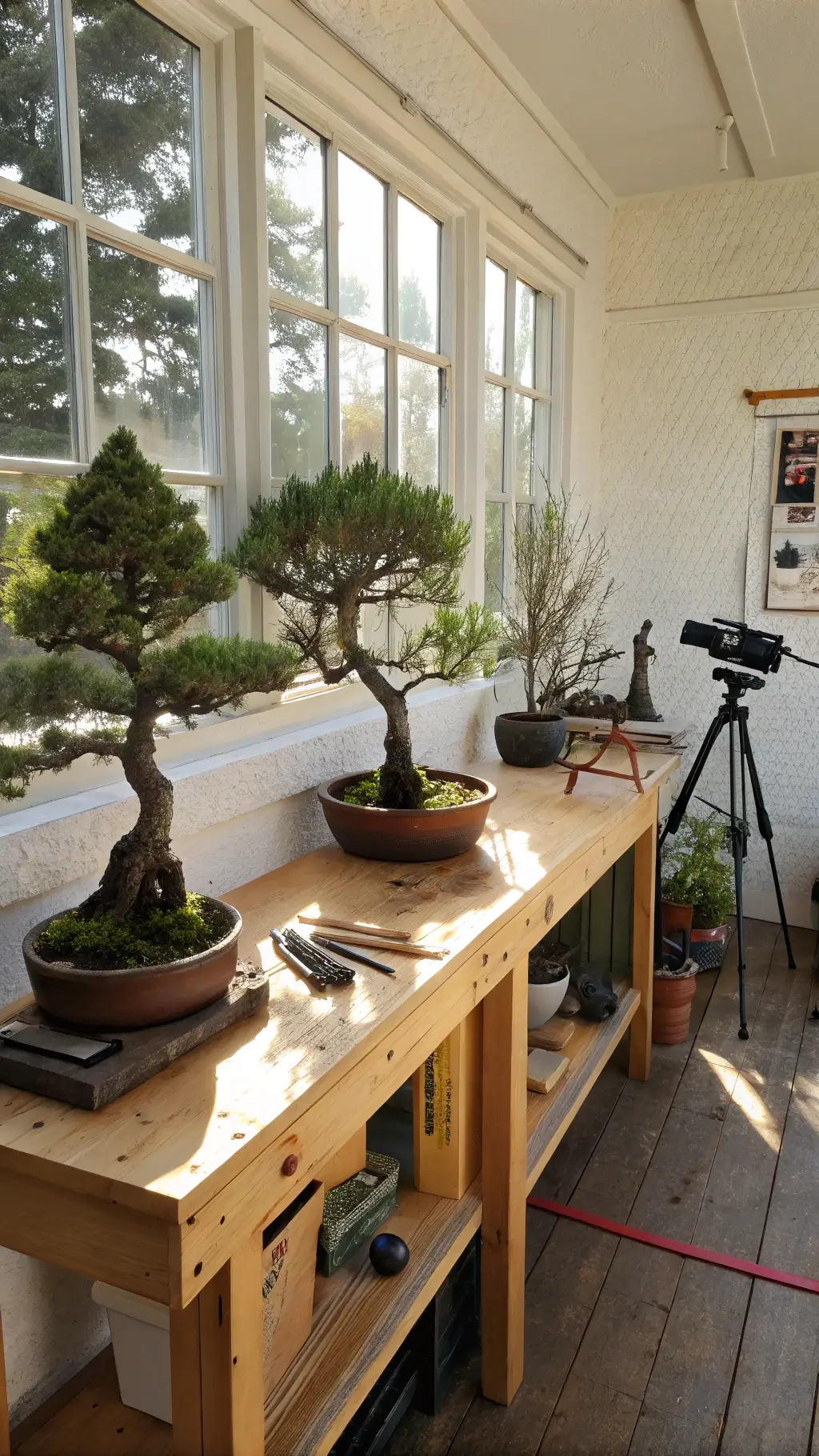
Mastering Cultivation Techniques
Shaping and pruning are where the art happens.
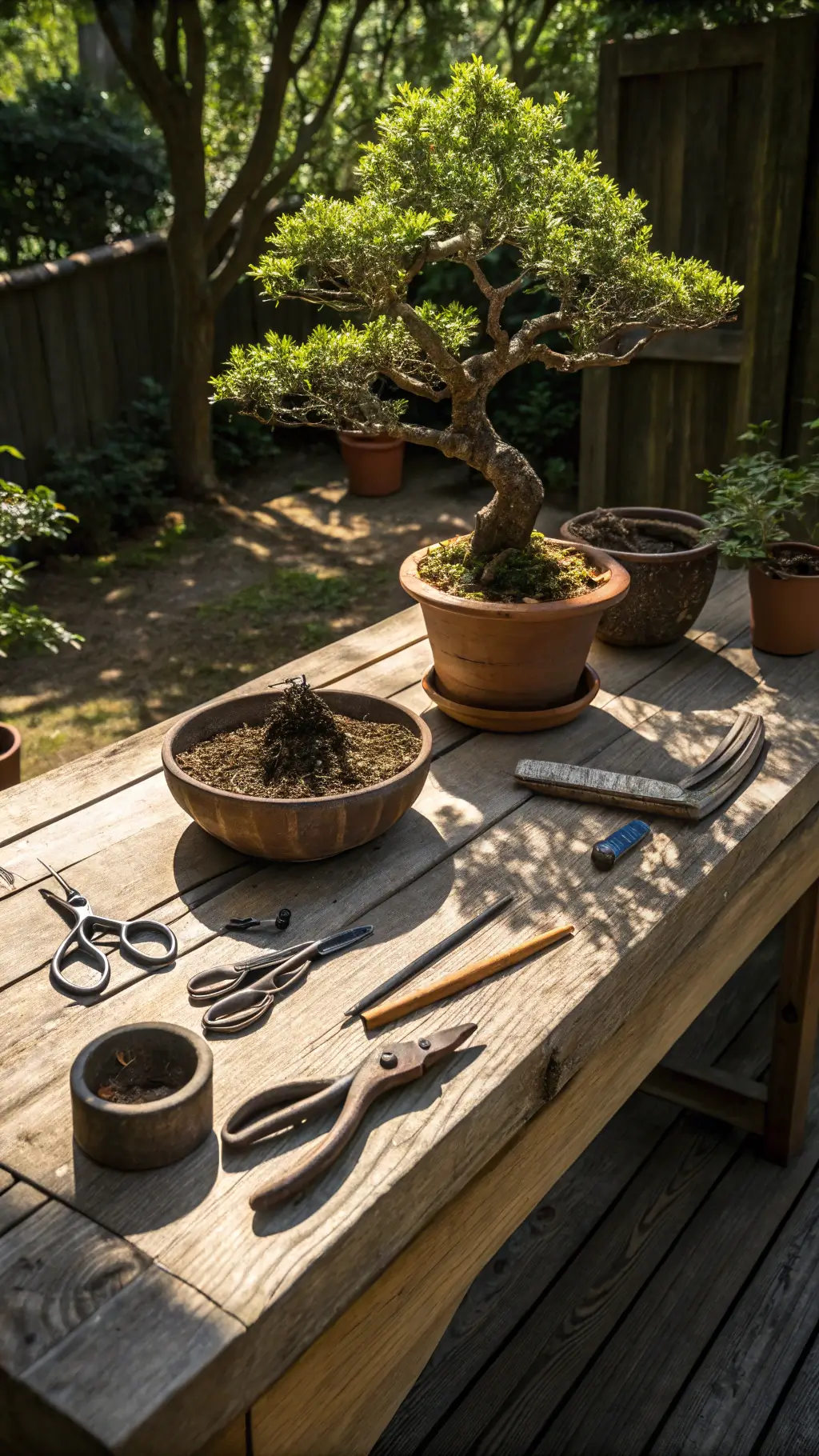
Pruning Tips
- Remove up to 1/3 of roots during repotting.
- Prune foliage regularly to keep it miniature.
- Use precise wiring to shape branches.
Wiring Tips
- Pick the right wire gauge for the branch.
- Wrap gently to avoid damaging structure.
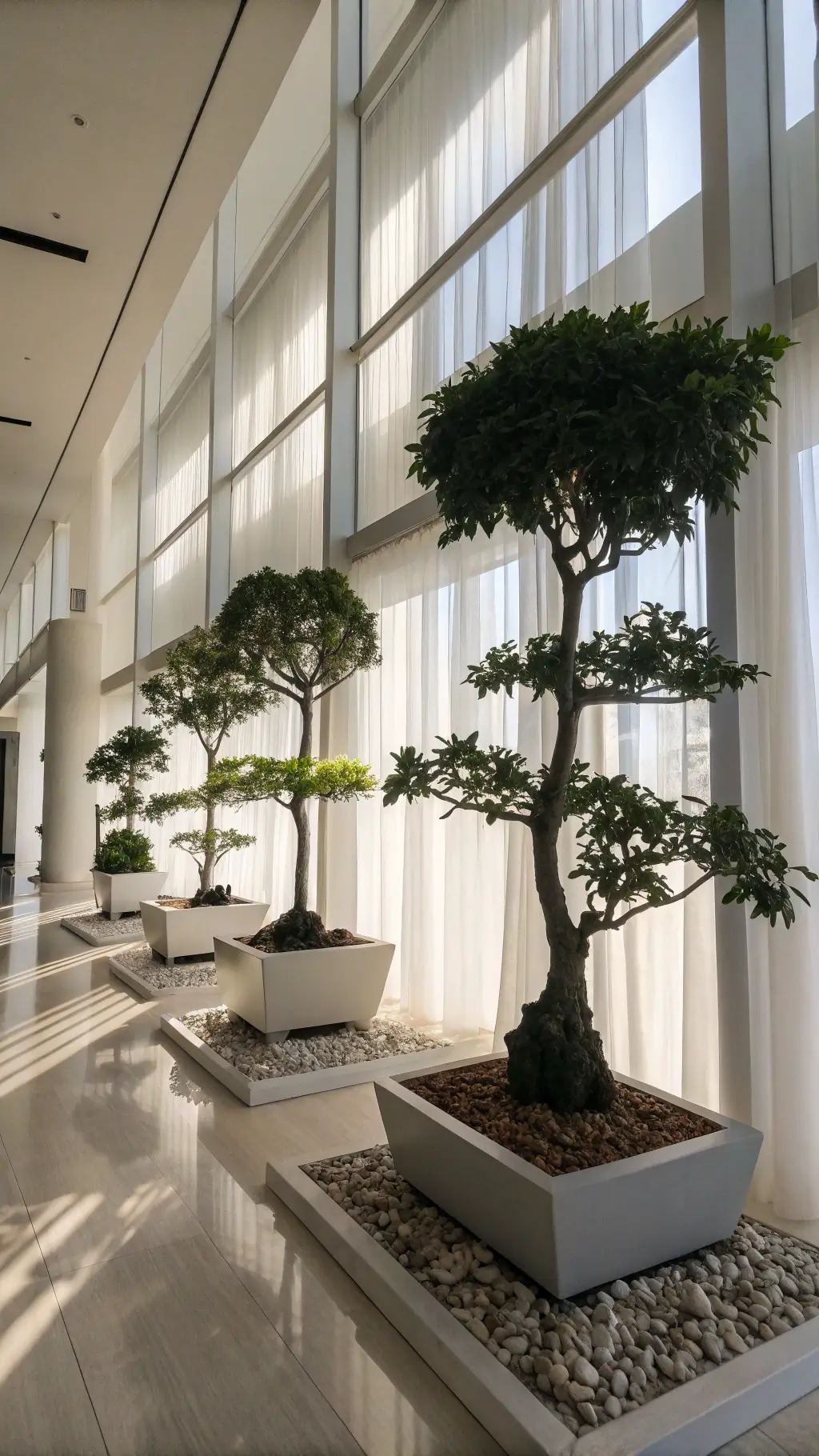
A Care Guide That Actually Helps
Watering
- Water thoroughly when soil begins to dry.
- Never let soil fully dry out.
- Use a well-draining bonsai-specific mix.
Fertilization
- Use balanced bonsai fertilizer.
- Apply during the active growing season.
- Follow the dosage on the label.
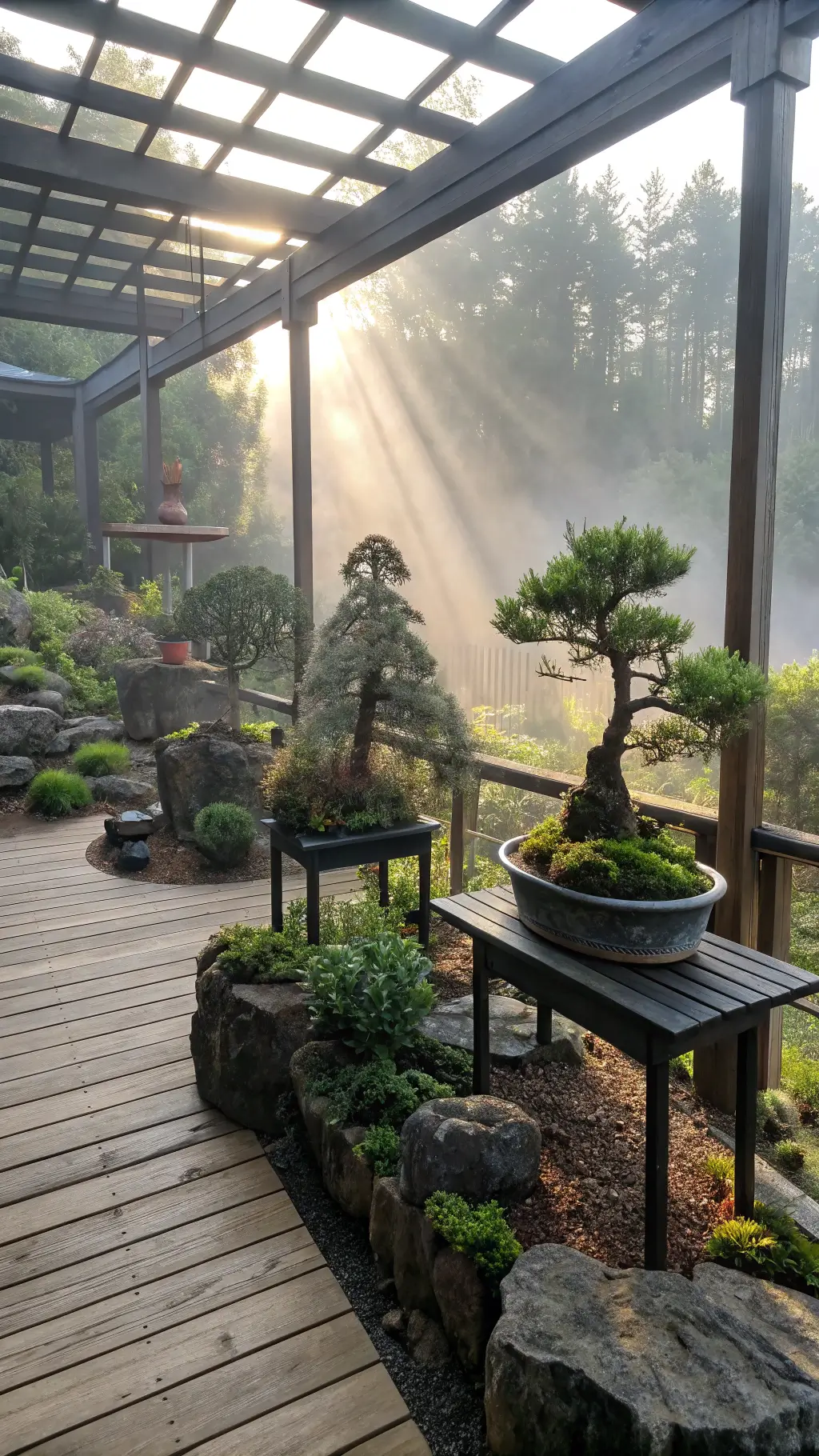
Placement
- Outdoor: sheltered spot, morning sun, afternoon shade, protect from extremes.
- Indoor: bright indirect light, high humidity, good air circulation.
Bonsai Styling: Creating Living Art
Popular Styles
- Formal upright, informal upright, slanting.
- Cascade and group plantings.
Design Principles
- Embrace asymmetry.
- Use negative space for interest.
- Mimic natural tree growth.
Pro Tips for Success
Remember, Bonsai isn’t just about growing a miniature tree, it’s about creating a living piece of art. Start with hardy species, keep learning, and enjoy the meditative process.
The Bottom Line
Growing bonsai trees starts with picking a species that fits your climate and skill level. Ficus and jade work indoors; juniper and pine want the outdoors. Water consistently, prune to keep the miniature shape, and let patience do the rest. Give it a shot!