
Growing Bonsai Trees: Your Complete Guide to Creating Living Miniature Masterpieces
I started growing bonsai with a nursery ficus after reading that it tolerates indoor conditions better than traditional outdoor species. The small leaves and willingness to backbud make it forgiving for beginners learning pruning and wiring.
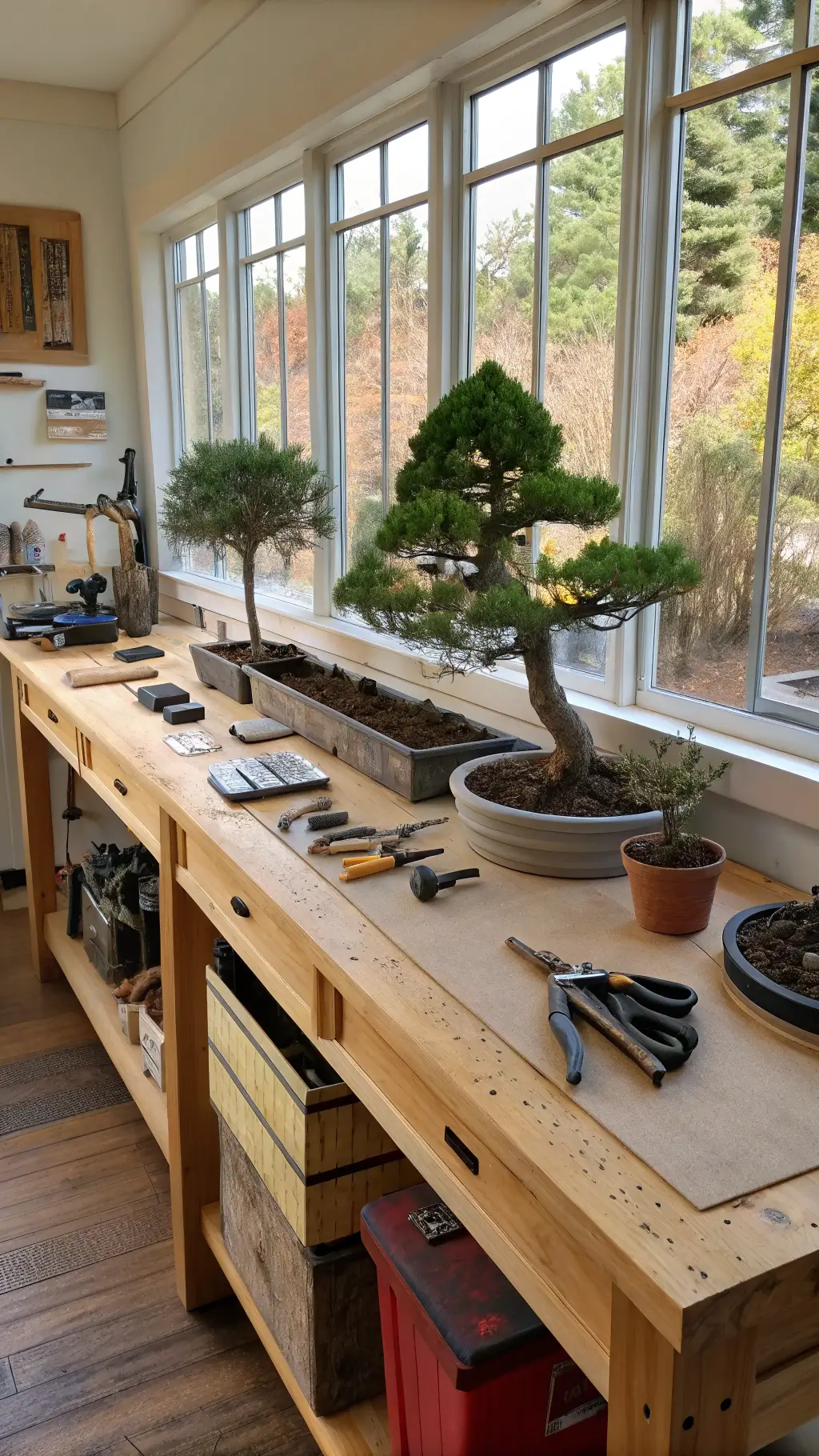
Choosing Your Bonsai: The First Critical Step
Let’s get real – not every tree is cut out to be a bonsai superstar. Here’s how to pick your perfect miniature tree companion:
Bonsai Species Selection Secrets
- Indoor Champions: Ficus, Jade, Chinese Elm
- Outdoor Rockstars: Japanese Maple, Pine, Juniper
- Beginner-Friendly Options:
- Pre-bonsai nursery stock
- Established bonsai trees
- Seed-grown varieties (for the patient souls)
Pro Tip: Match your tree to your local climate and available growing space. A mismatched tree is a sad tree!
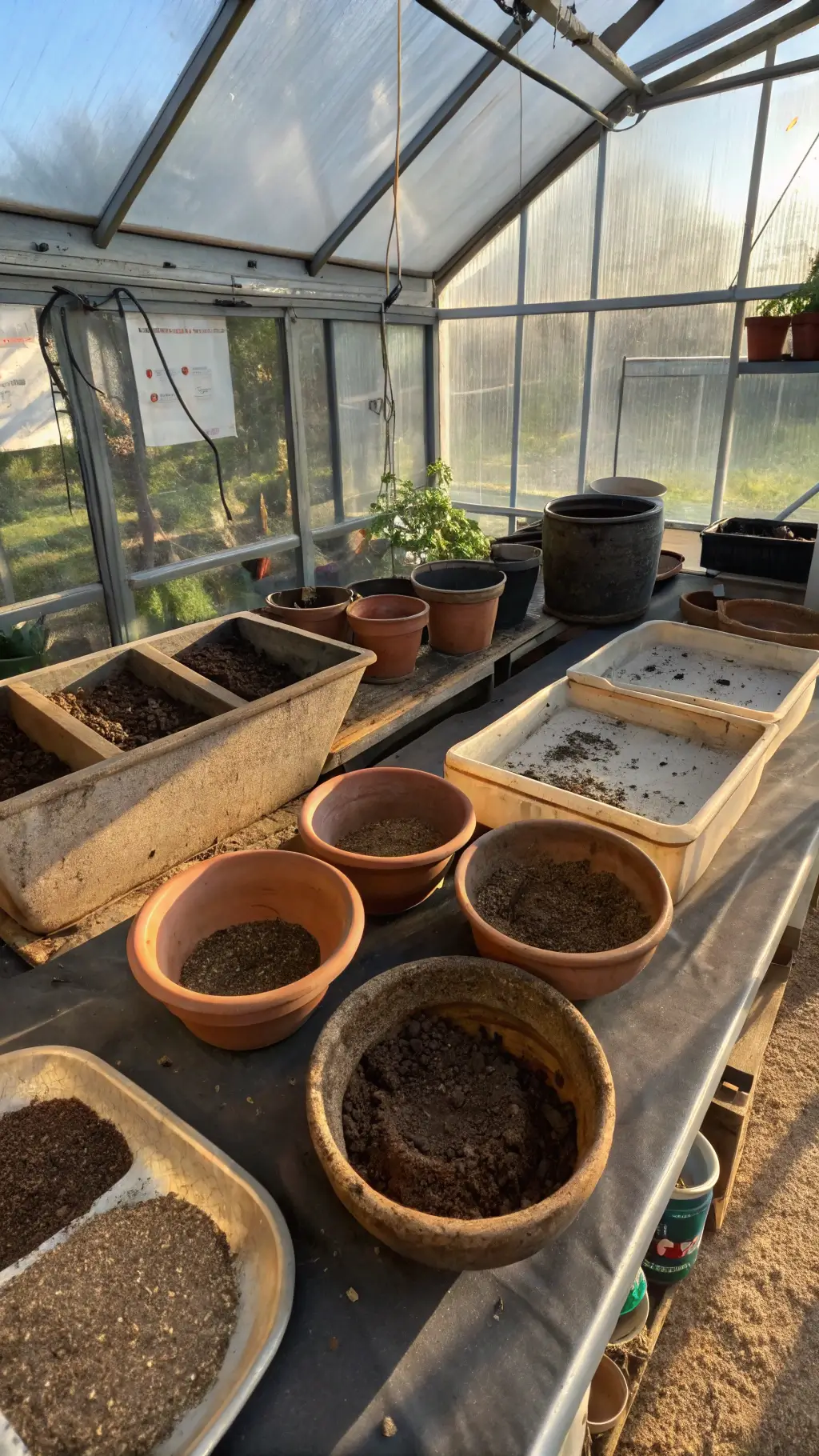
Bonsai Cultivation: Turning Theory into Living Art
The Soil Foundation
Forget regular potting soil – bonsai demand specialized, well-draining soil mixtures. Think of it like a gourmet diet for your miniature tree.
Soil Composition Breakdown
- 70% inorganic materials (like akadama, pumice)
- 30% organic matter
- Ensures perfect drainage and root health
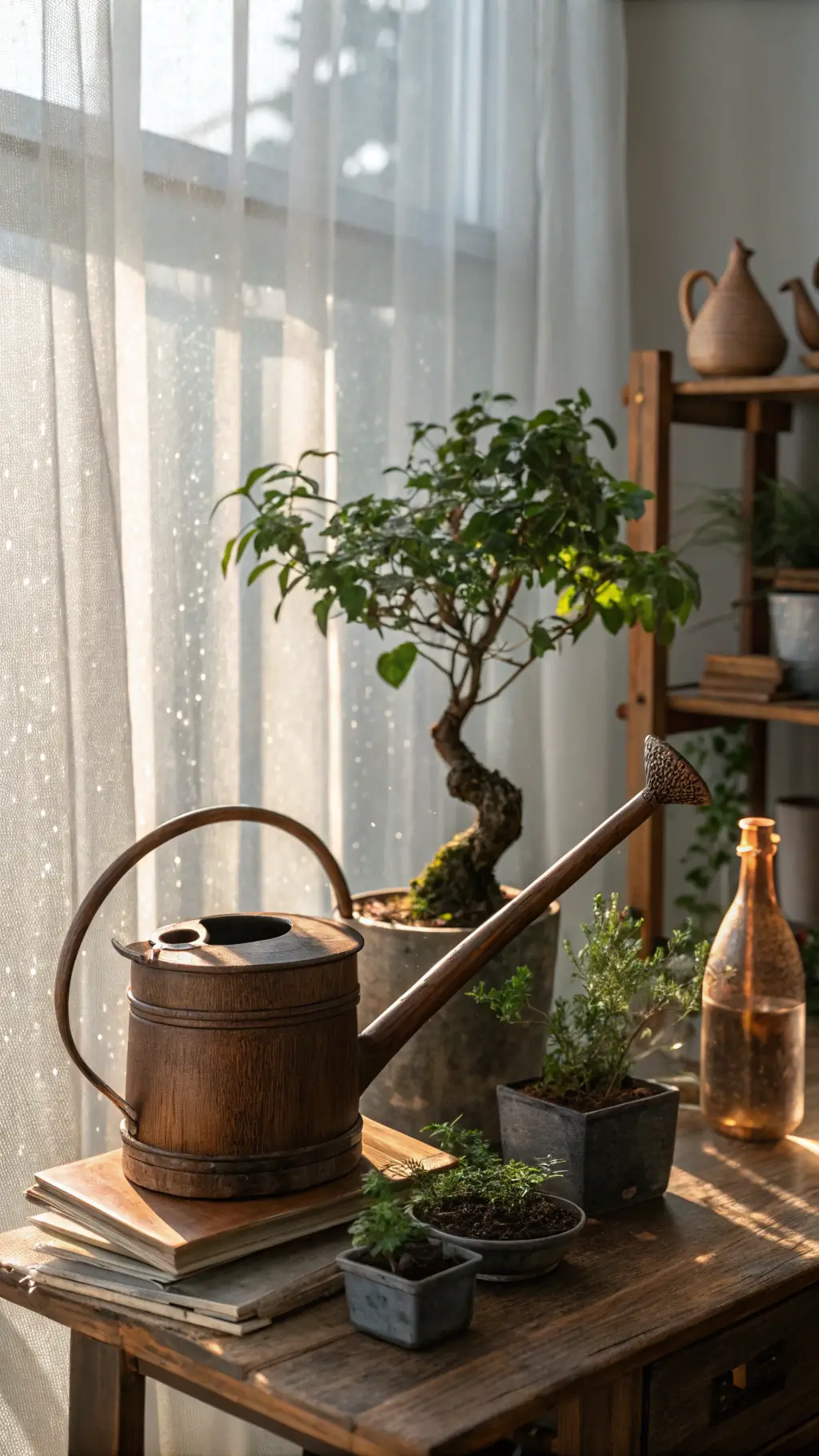
Sunlight and Water: The Lifeline
Watering Rule #1: Consistency is king.
- Check soil moisture daily
- Water when top inch feels dry
- Never let roots sit in standing water
Sunlight Requirements
- Most bonsai need 5-6 hours of direct sunlight
- Protect from harsh afternoon heat
- Rotate pot regularly for even growth
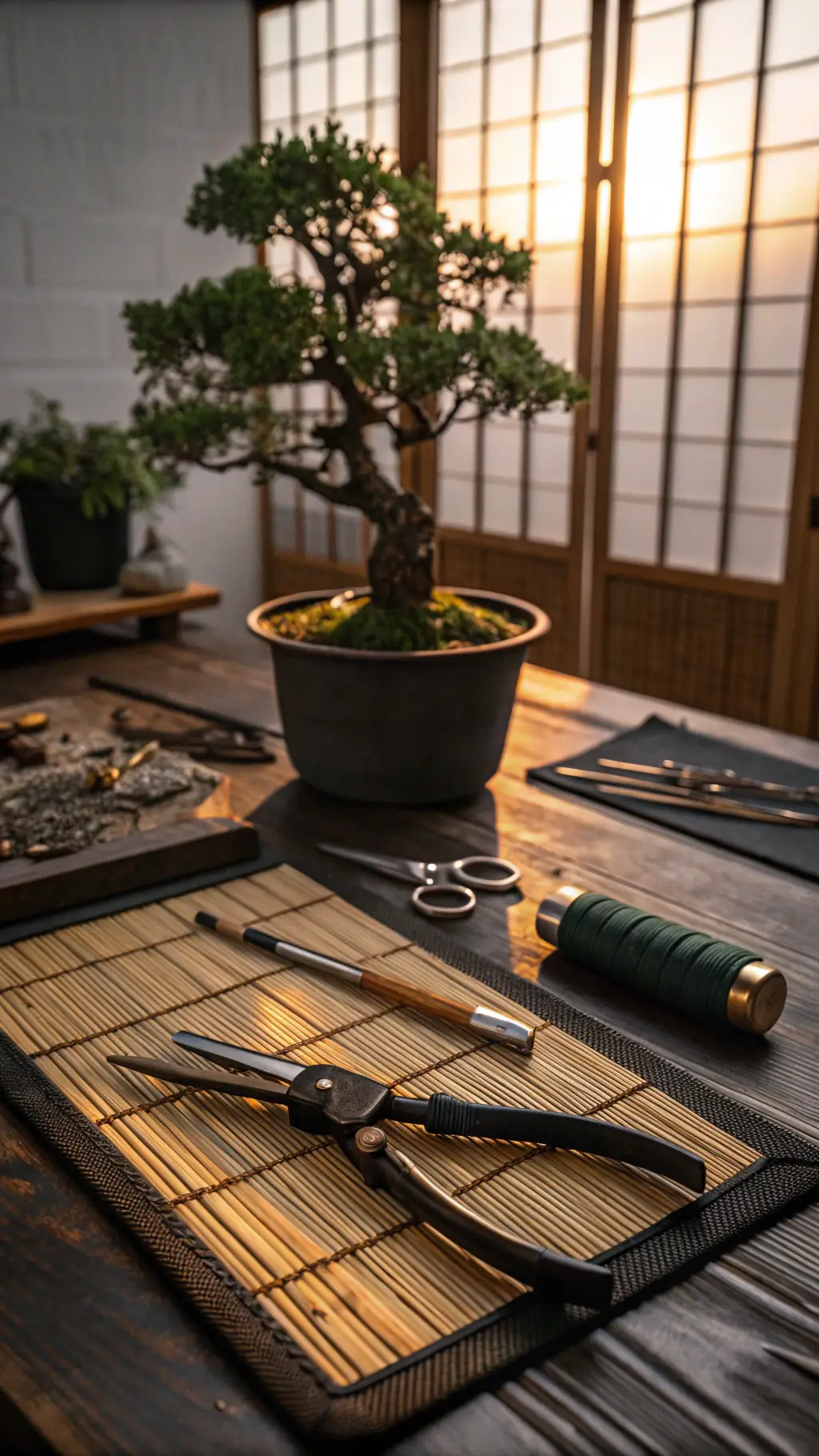
Styling Your Bonsai: The Art of Patience
Pruning Techniques
Pruning isn’t just cutting – it’s sculptural storytelling!
Key Pruning Strategies
- Remove dead or crossing branches
- Maintain tree’s intended shape
- Use clean, sharp pruning tools
- Prune during dormant season
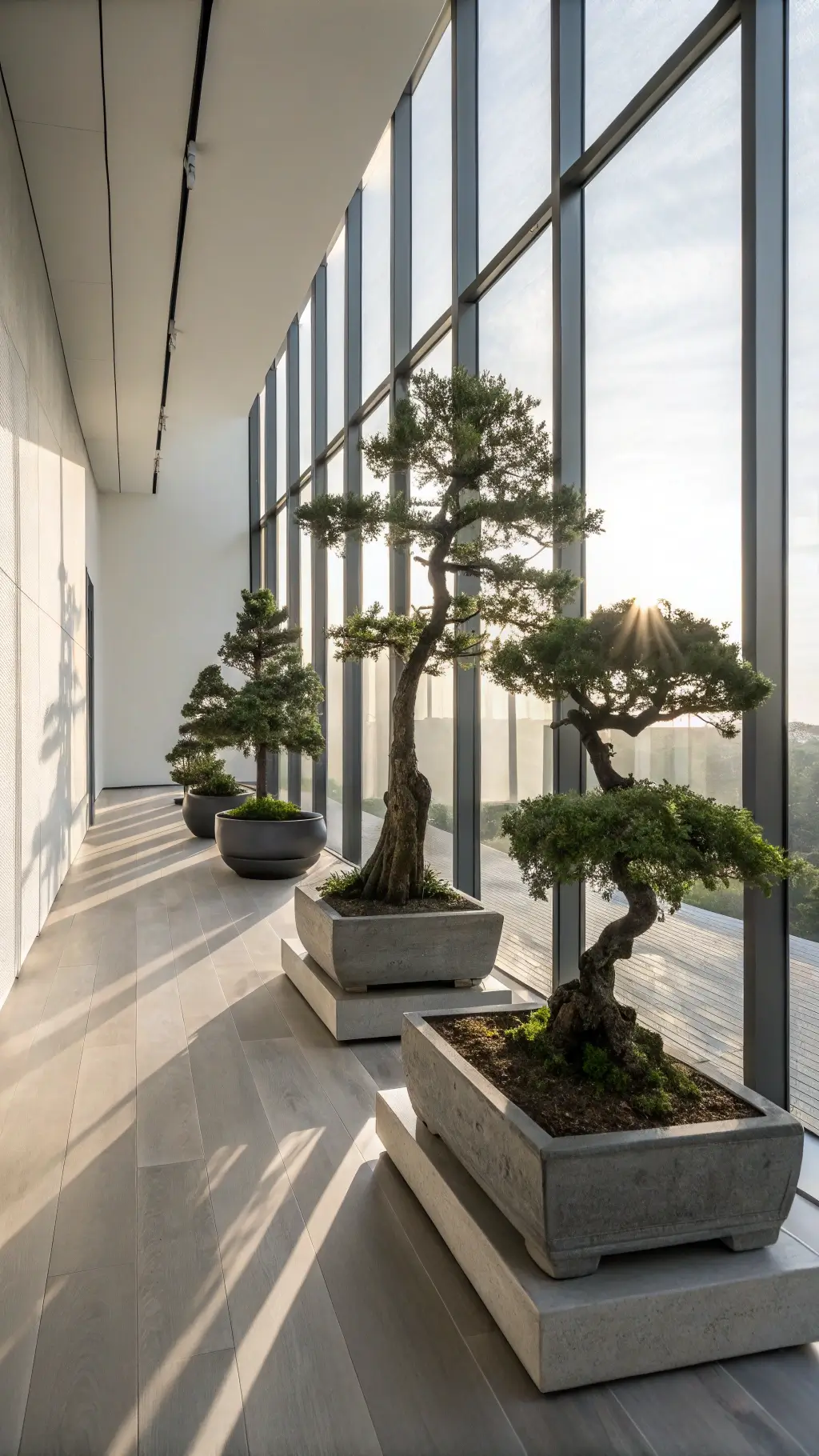
Wiring: Shaping Your Living Sculpture
Think of wiring like gentle tree yoga. Slowly guide branches into elegant positions.
Wiring Guidelines
- Use aluminum or copper wire
- Apply gentle, consistent pressure
- Remove wire before it cuts into bark
- Practice makes perfect!
Maintenance: Keeping Your Bonsai Healthy
Annual Care Routine
- Spring: Repot and root prune
- Summer: Regular watering and fertilizing
- Fall: Reduce watering, prepare for dormancy
- Winter: Minimal intervention, protect from frost
Common Beginner Mistakes to Avoid
- Overwatering
- Inconsistent care
- Impatient pruning
- Ignoring specific species requirements
Final Thoughts: Bonsai is a Journey, Not a Destination
Remember, growing a bonsai is like raising a child – it takes time, patience, and unconditional love. Some trees might take decades to reach their full potential.
Your Bonsai Mantra: Slow down. Observe. Nurture.
Whether you’re a gardening newbie or a seasoned plant parent, bonsai offers a magical connection to nature’s intricate beauty. Start small, stay curious, and enjoy every moment of your miniature tree’s incredible journey.
Growing bonsai indoors works best with ficus, jade, or Chinese elm. Provide bright light, consistent moisture without soggy soil, and prune regularly to maintain miniature proportions.