
Houseplant Arrangements: How to Group Plants So They Actually Look Good
I used to line plants up like soldiers on a windowsill until I learned the trick: arrange them like a tiny landscape, not a lineup. A good houseplant arrangement feels intentional — varied heights, shared vibe, room to breathe. It’s the difference between “I own plants” and “I have a green corner that looks designed.” 🙂
Start With a Theme, Not a Shopping Spree
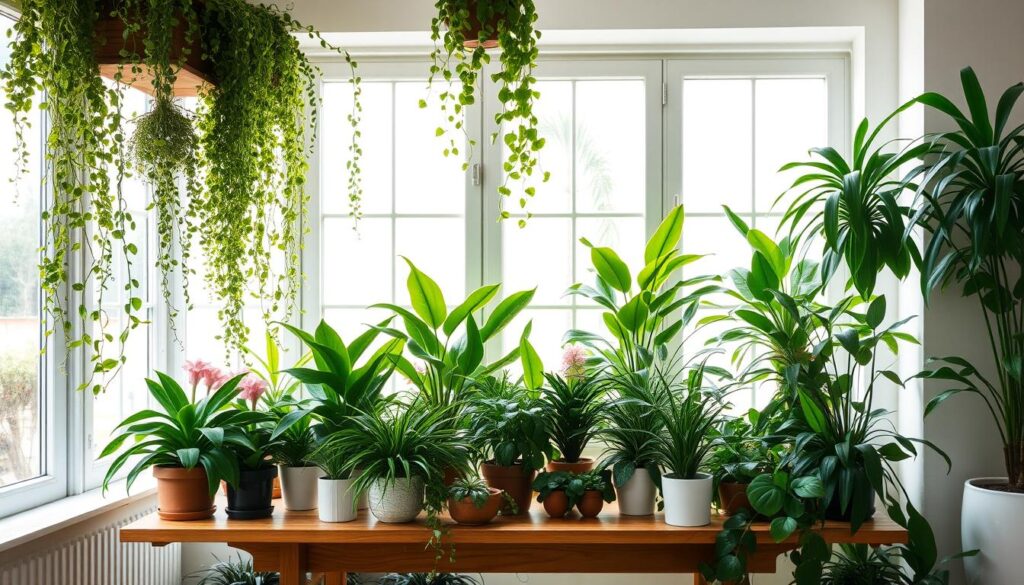
Pick a mood first. All-green and leafy reads calm; mixed variegation reads playful. Sticking to a indoor palette you love keeps the group cohesive instead of chaotic.
Building Height and Layers
Tall, Medium, and Trailing
Anchor with one tall plant (a philodendron on a pole), fill the middle with a rounded plant, and let a trailer (pothos) spill over the edge. That triangle is the backbone of every good arrangement.
Mixing Textures
Pair smooth leaves with feathery fronds and a succulent or two for contrast. Texture is what makes a group feel rich, not flat.
Containers and Cohesion
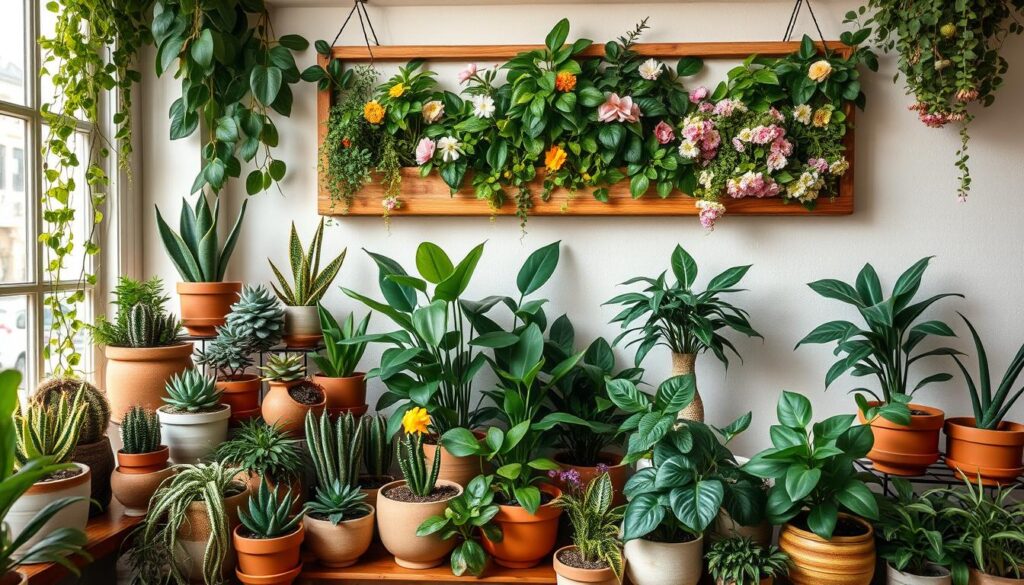
You don’t need matching pots, but they should talk to each other — similar tones, or one shared accent color. A bonsai pot beside a terracotta trio can work if the colors align.
Practical Care Within the Group
- Light: Group plants with similar needs together
- Water: Separate thirsty from drought-tolerant to avoid overwatering
- Space: Leave airflow so leaves don’t rot against each other
The Bottom Line
Houseplant arrangements work when you group by mood, build height with a tall-medium-trailing triangle, mix textures, and keep care needs compatible. It’s styling, not just collecting. So gather your plants, give it a shot, and turn that shelf into a little designed world. 😉