
Why Choosing the Right Bonsai Matters
I picked my first bonsai by the light in my apartment, not by looks. A ficus thrived where a juniper would’ve died indoors, and that lesson stuck harder than the plant’s roots.
Choosing the right bonsai isn’t a beauty contest. You’re picking a living roommate that fits your space, schedule, and skill level.
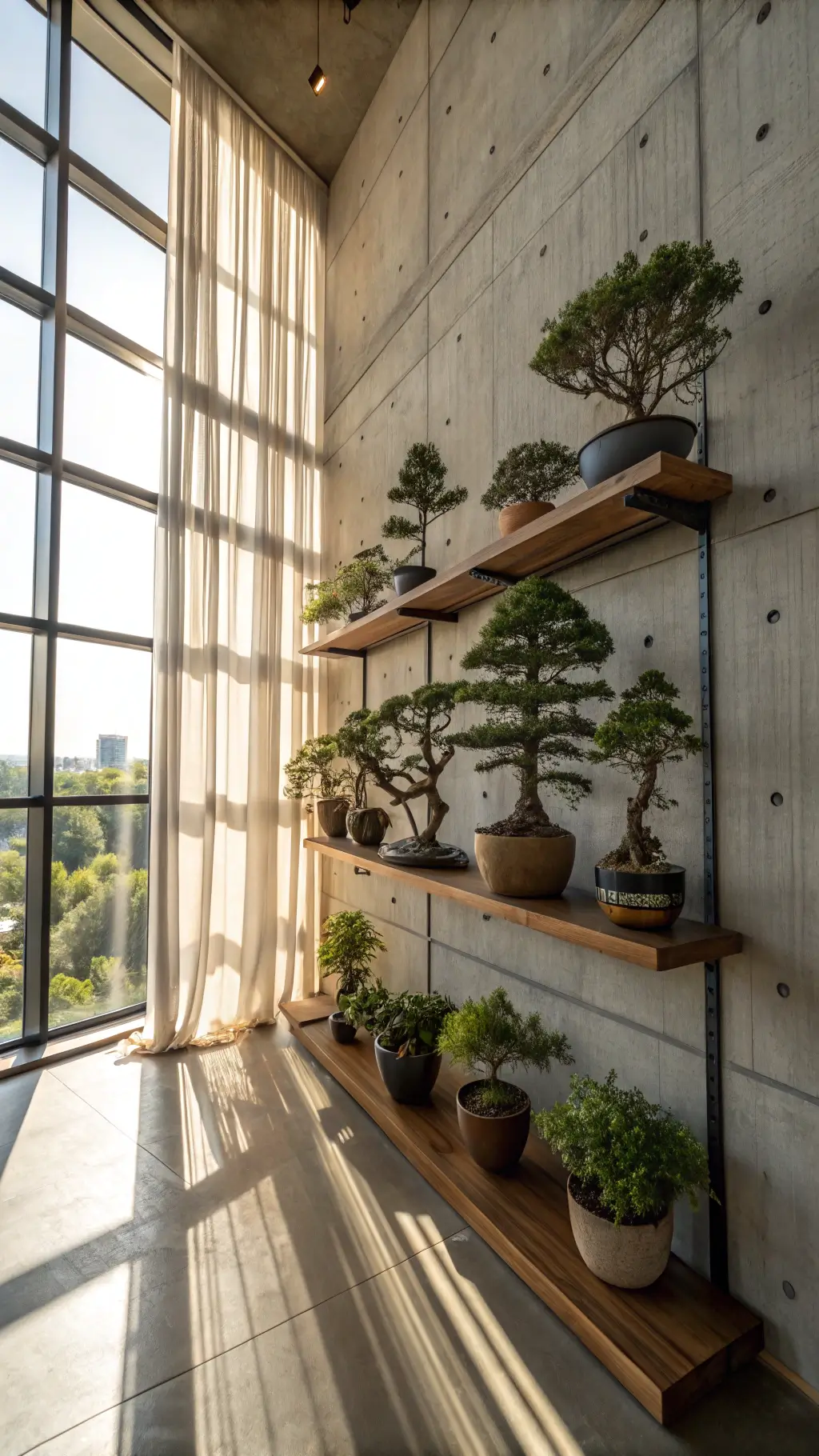
Indoor vs. Outdoor: Pick Your Lane
Indoor Bonsai Champions
These green friends are your indoor superstars:
- Ficus (the crowd-pleaser)
- Jade Plant
- Chinese Elm
- Fukien Tea Tree
Pro tip: Indoor bonsai love tropical, subtropical conditions — perfect for a cozy living room.
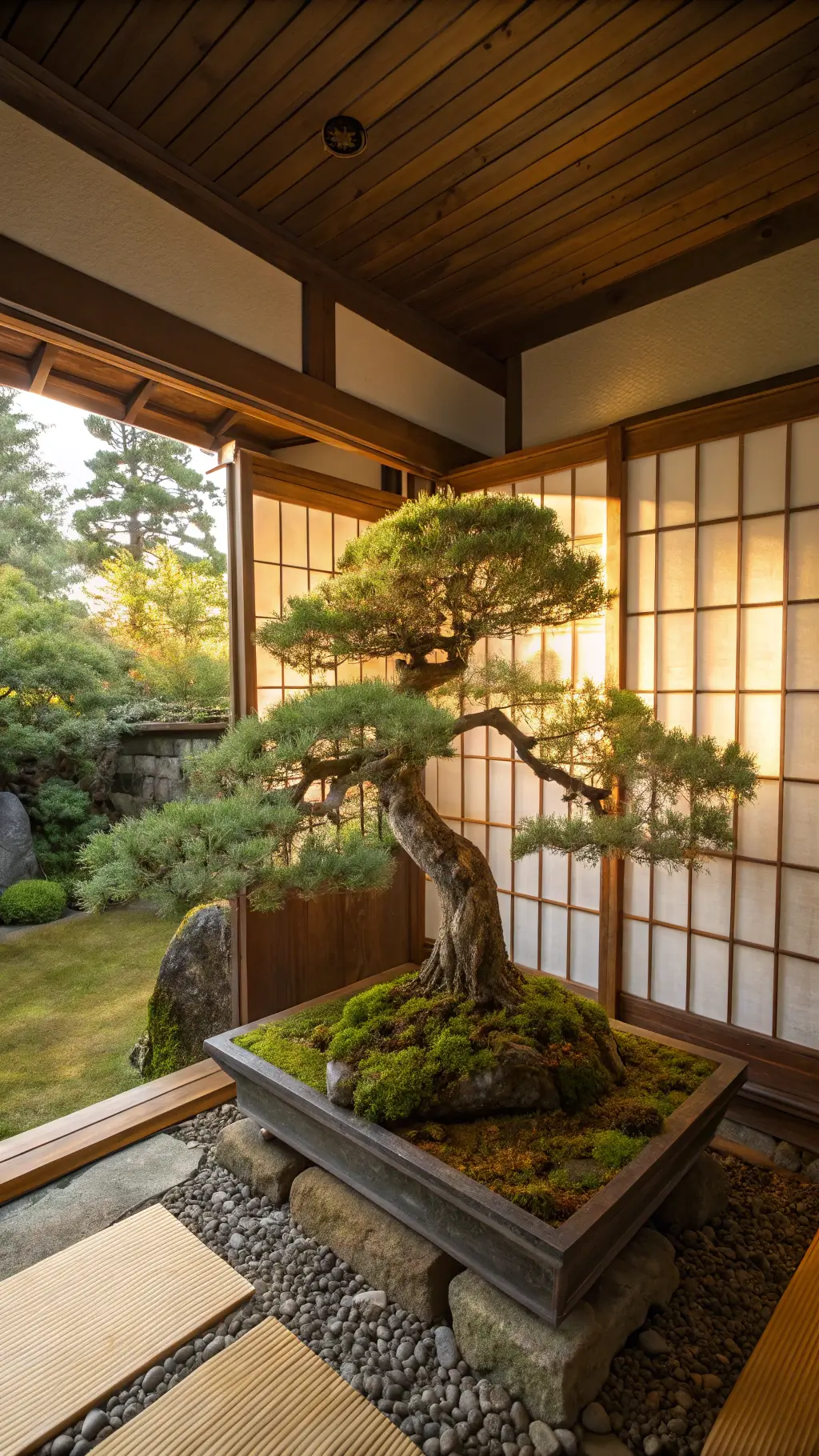
Outdoor Bonsai Legends
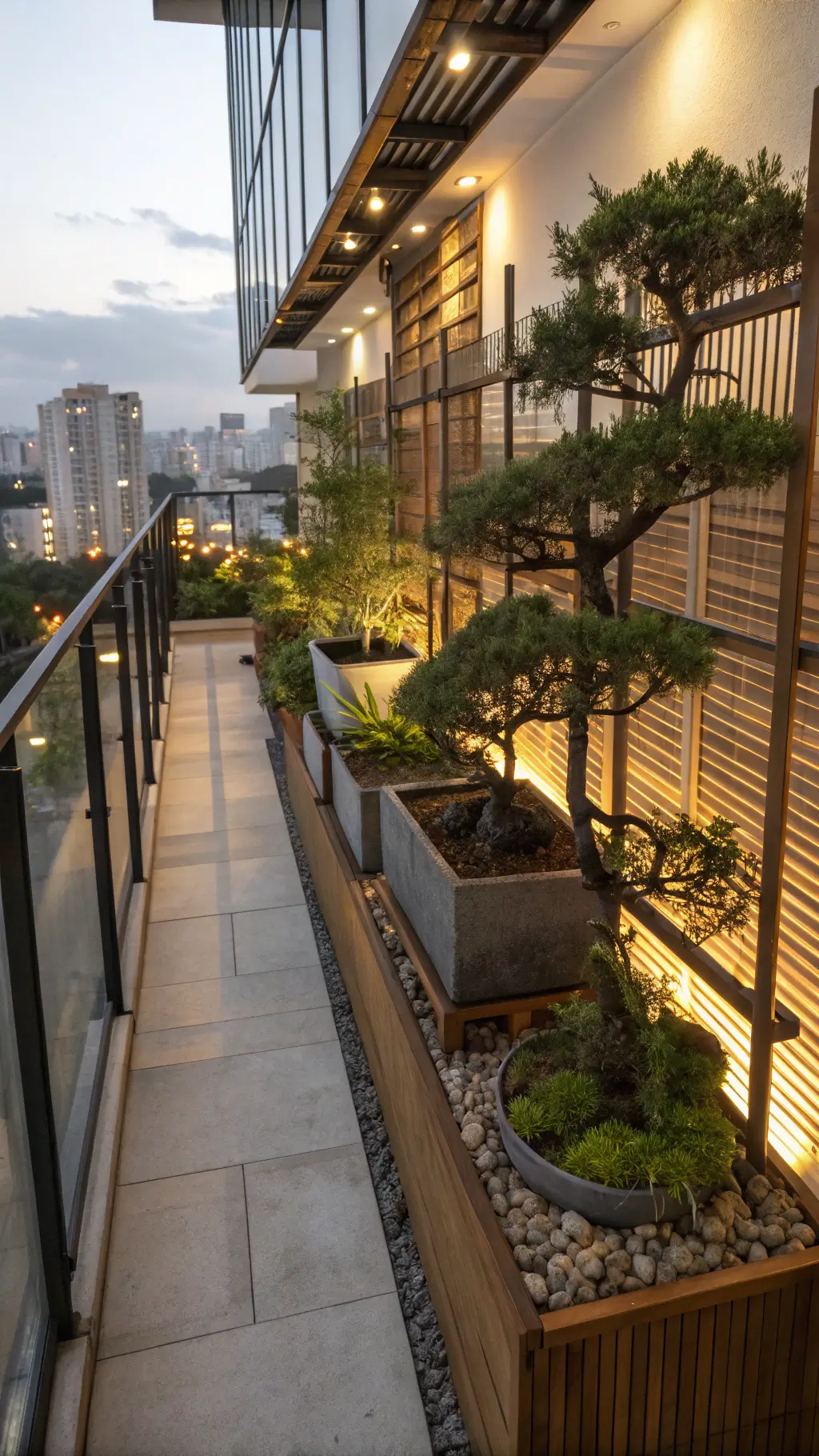
Got a balcony or garden? These want fresh air:
- Juniper
- Pine
- Japanese Maple
Match the Tree to Your Environment
Light Conditions Matter
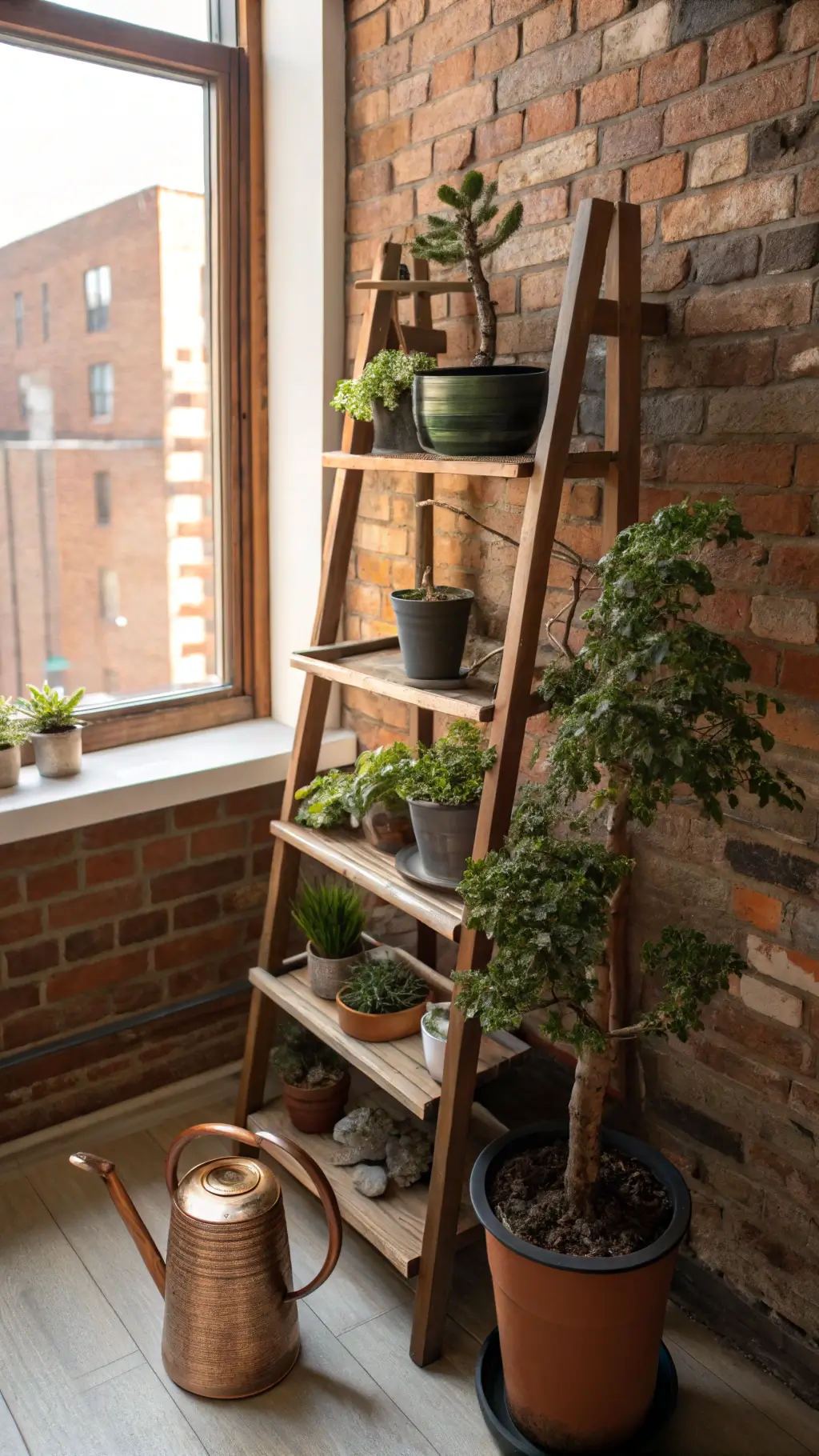
- Bright, indirect light is an indoor bonsai’s best friend
- Most need 3–4 hours of gentle sun daily
- Rotate the pot now and then for even growth
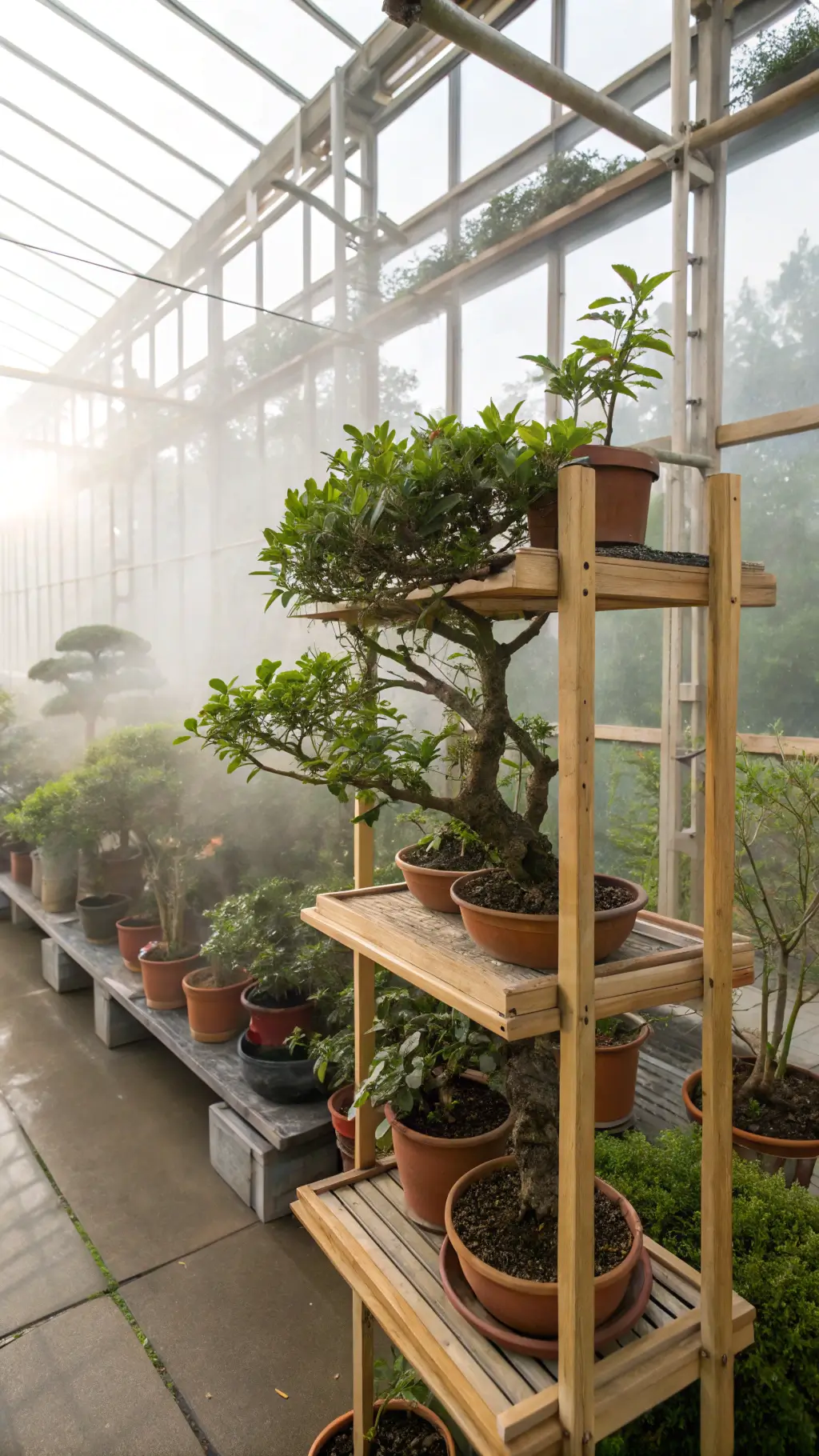
Beginner-Friendly Bonsai Species
For the New Bonsai Gardener
- Ficus: Super forgiving
- Jade: Drought-tolerant and low-maintenance
- Chinese Elm: Adaptable and resilient
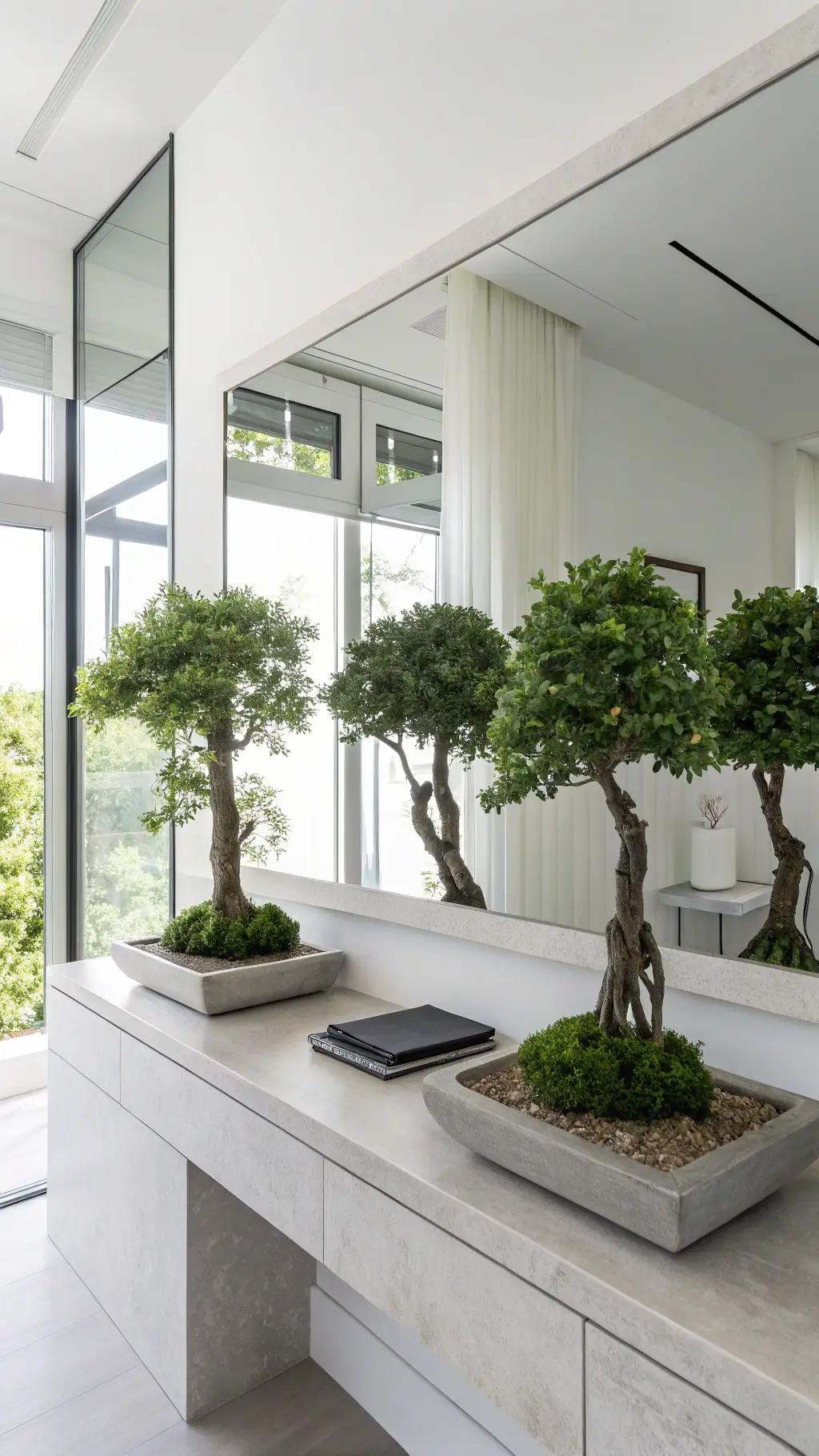
Watering Wisdom: Know Your Tree’s Thirst
Underwatering Prone? Pick:
- Jade Plant
- Succulents
- Drought-resistant species
Overwatering Tendency? Go For:
- Species that tolerate more moisture
- Plants with better drainage
Maintenance Considerations
Growth Rate Matters
- Slow growers: Less pruning
- Fast growers: More styling chances
Selecting a Healthy Bonsai
What to Look For
- Well-developed branch structure
- Healthy, vibrant foliage
- Balanced proportions
- No signs of disease or stress
My Personal Bonsai Selection Checklist
- Match the tree to your living space
- Weigh your care capacity
- Check light and temperature
- Face your watering habits
- Choose a style you love
Top Indoor Bonsai Recommendations
- Ficus retusa
- Jade Plant
- Chinese Elm
- Fukien Tea Tree
- Chinese Sweet Plum
The Bottom Line
Your bonsai is more than a plant — it’s a living artwork. Match the species to your light, climate, and patience level, then care for it like you mean it. Beginners should grab a ficus or jade indoors, or a juniper if you’ve got year-round outdoor space. Give it a shot; the right tree will basically introduce itself. 🙂