
Why Pruning Your Jade Plant Matters
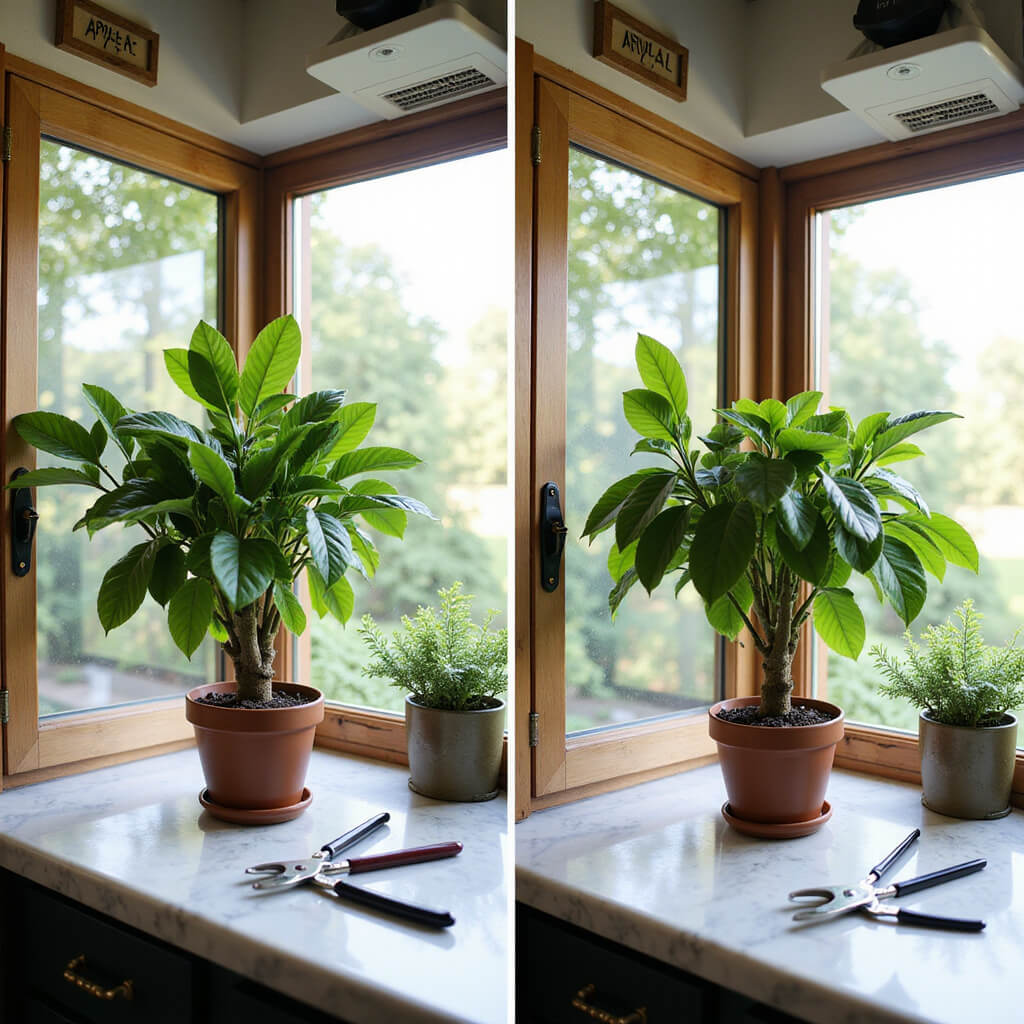
I started trimming my jade after it grew into a single lanky stem that leaned under its own weight. Each cut pushed out two new branches, and within eight months it had a compact, bushy shape that stood on its own.
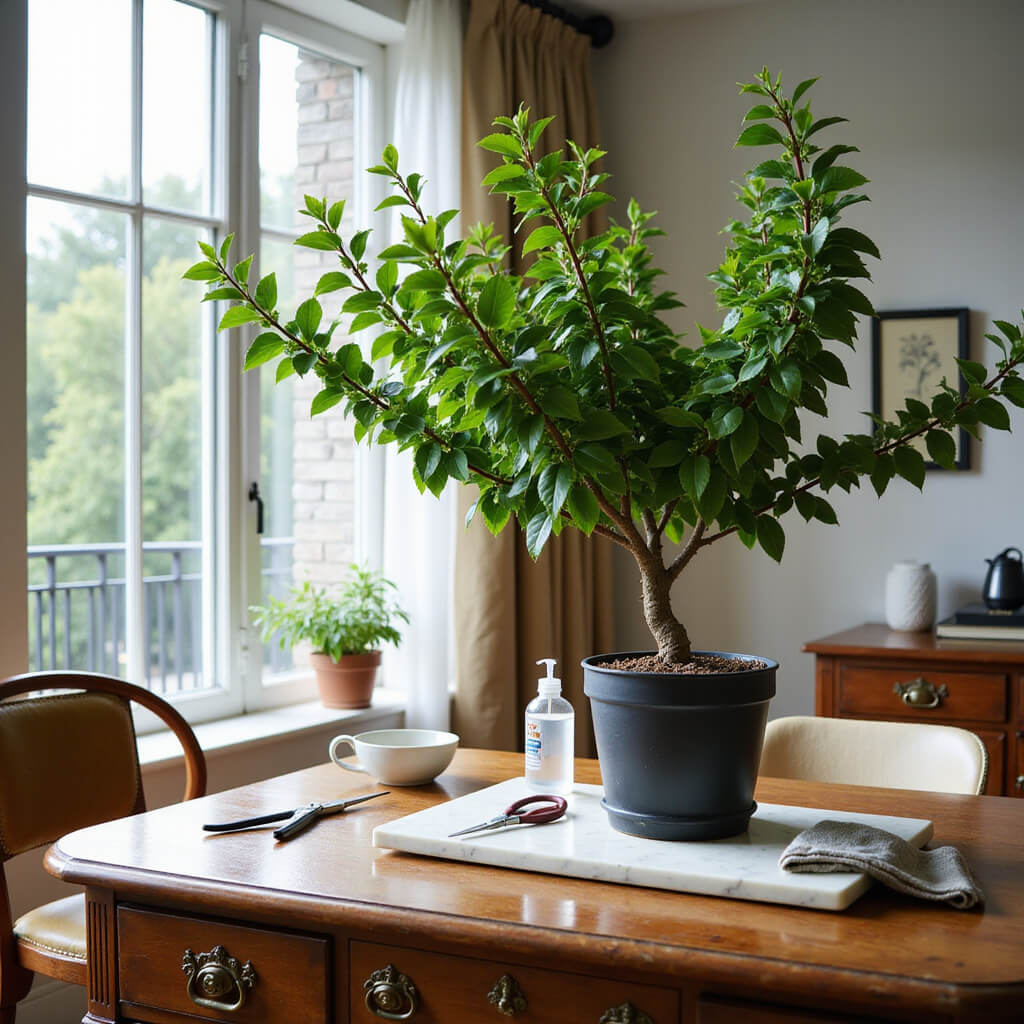
Pruning promotes fuller growth, removes weak or damaged branches, encourages healthy new stems, and keeps the plant from getting top-heavy.
Essential Tools for Jade Plant Pruning
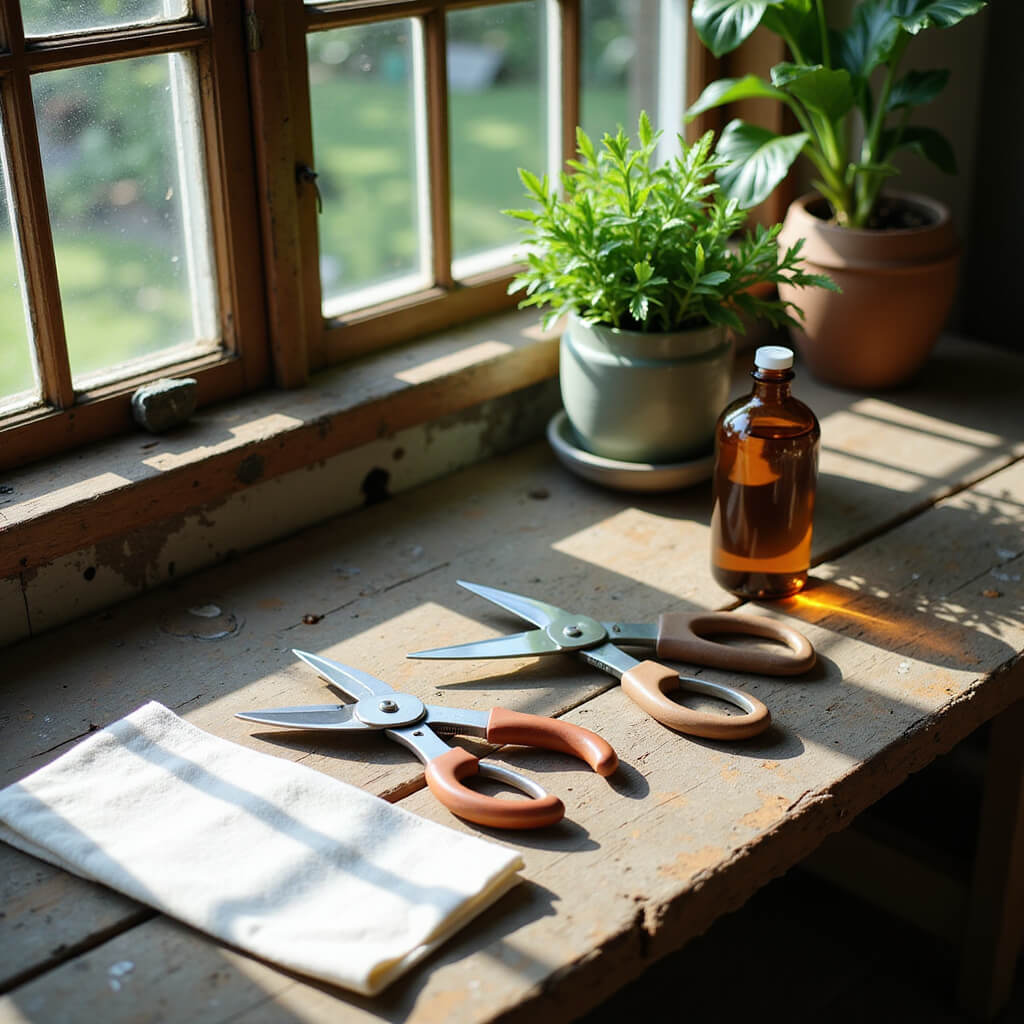
Your toolkit: sharp clean shears, rubbing alcohol for sterilization, a soft cloth, and a steady hand. That’s it.
The Step-by-Step Pruning Process
1. Preparation is Key
Always disinfect your tools with rubbing alcohol first – it stops disease from jumping between cuts.
2. Strategic Cutting Techniques
Where you cut matters more than how much. Target leaf scars, overgrown branches, and sparse spots. Golden rule: never remove more than 15-20% at once.
3. Perfect Pruning Cuts
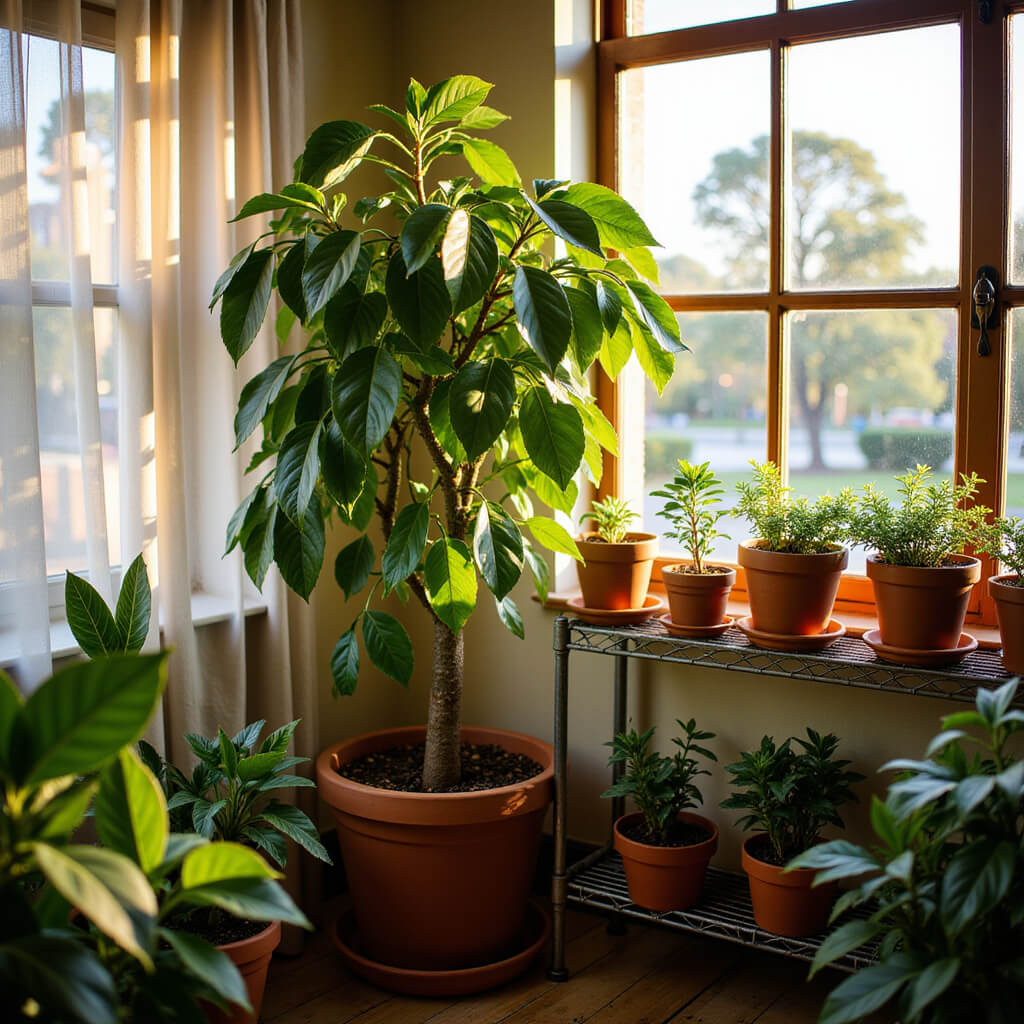
Cut just above leaf scars, leave two leaf pairs per stem, angle at 45 degrees, and tackle drooping branches first.
4. Timing is Everything
Prune in spring or early summer, during active growth.
5. Post-Pruning Care
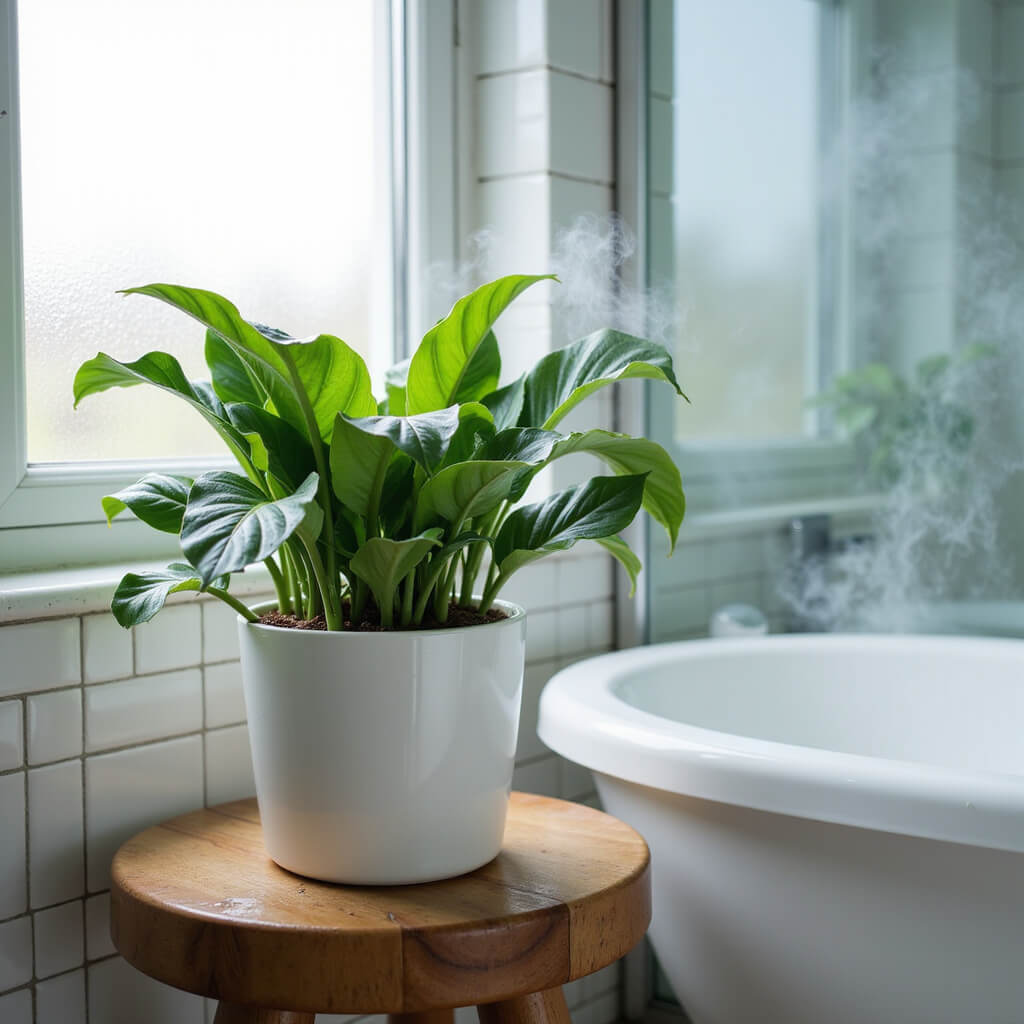
Give bright indirect light (5-6 hours daily), ease off watering, let cuts seal, and watch for stress.
Bonus: Propagation Hack
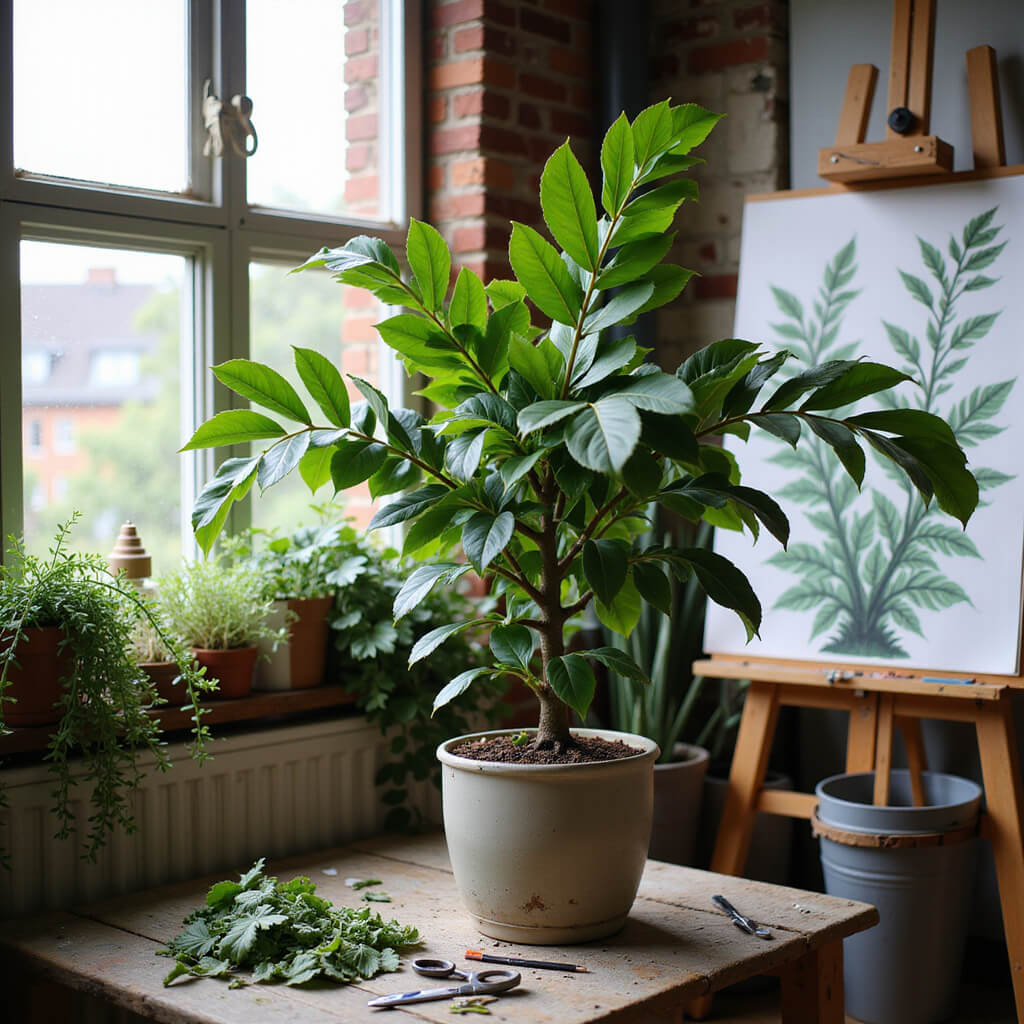
Those pruned cuttings are future jade plants. Dry them 2-3 days, then Plant in well-draining soil and watch roots form.
Common Pruning Mistakes to Avoid
Don’t cut with dirty tools, remove too much at once, prune while dormant, or ignore the plant’s natural pattern.
When to Seek Professional Help
If you see extensive damage, disease, or extreme stress after pruning, a local botanist or plant specialist is your friend. This plant is part of a bigger collection, and so is the plant transform approach worth learning.
Conclusion
Pruning is part science, part art. Every cut is a chance for new growth, so embrace it, stay patient, and watch your jade fill in. Give it a shot! 🌿