
Indoor vs Outdoor Bonsai: A Comprehensive Guide to Choosing and Caring for Your Miniature Trees
I started with outdoor bonsai and lost several to indoor heat during a cold snap. Now I keep ficus and jade indoors year-round and only try outdoor species like juniper after building a proper cold frame.
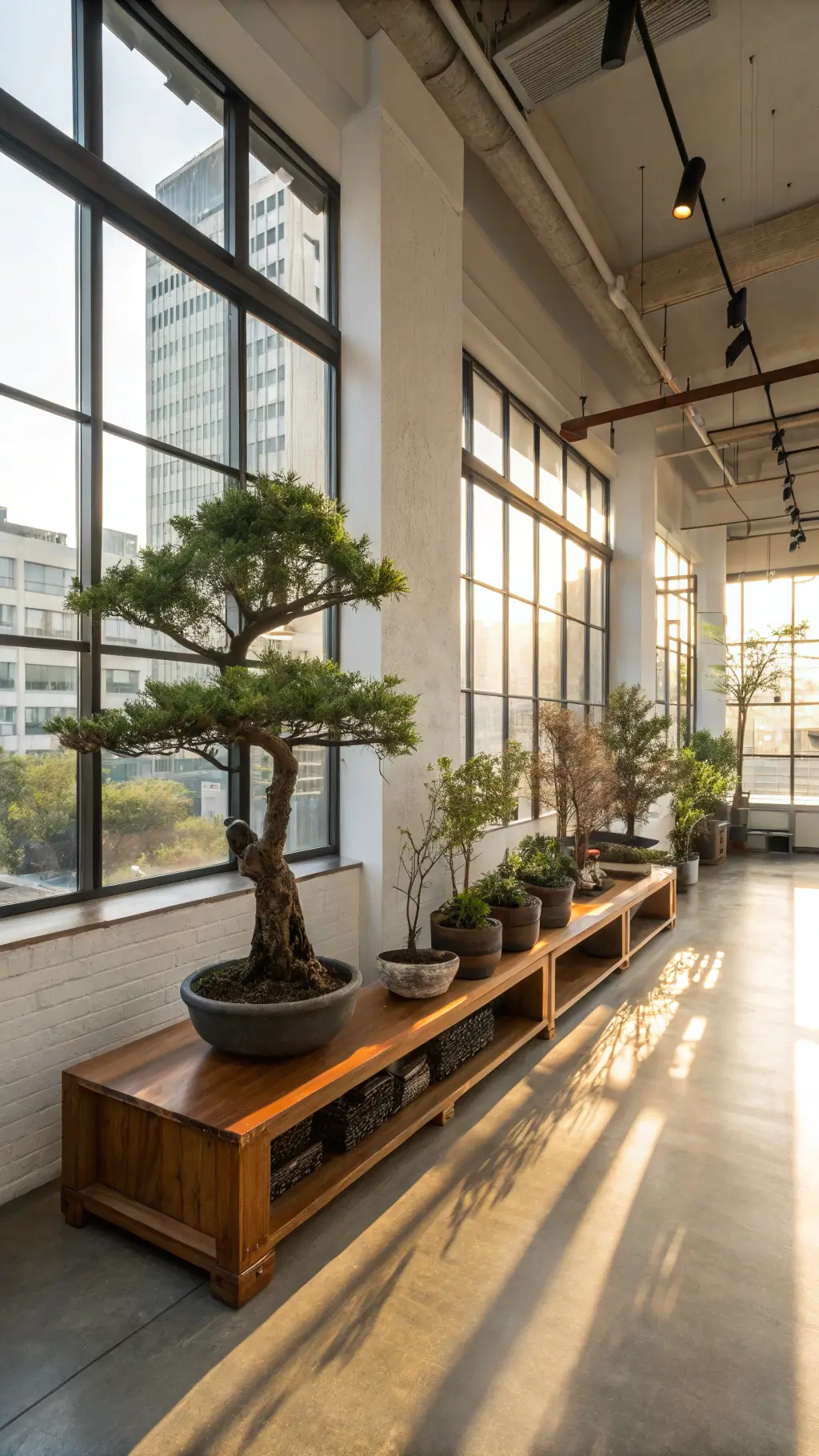
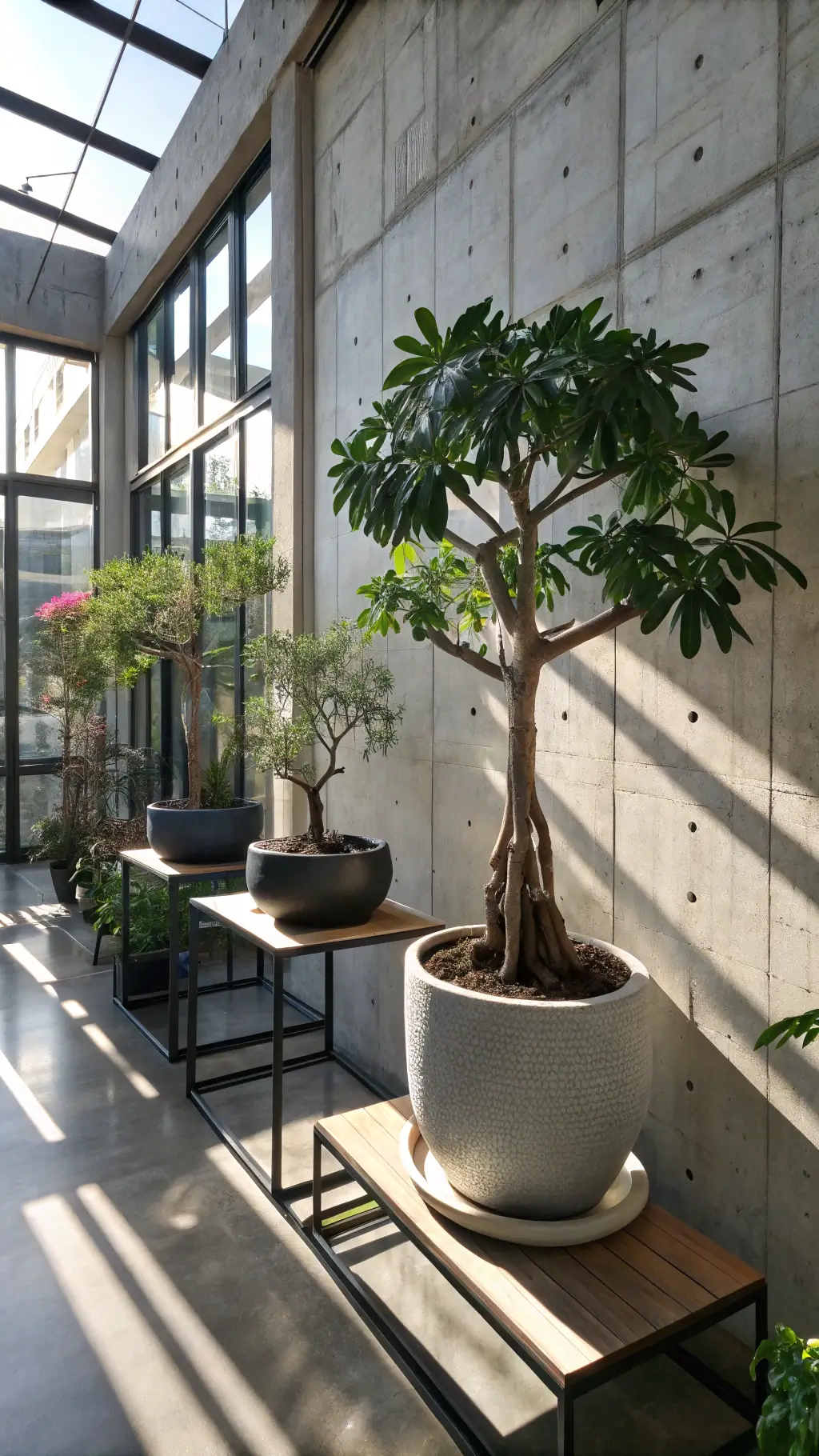
What Makes Indoor Bonsai Unique
Indoor bonsai are the introverts of the plant world – they love controlled, consistent conditions.
Top Indoor Species
Must-have Indoor bonsai trees:
- Ficus
- Chinese Elm
- Jade Plant
- Fukien Tea
- Hawaiian Umbrella Tree
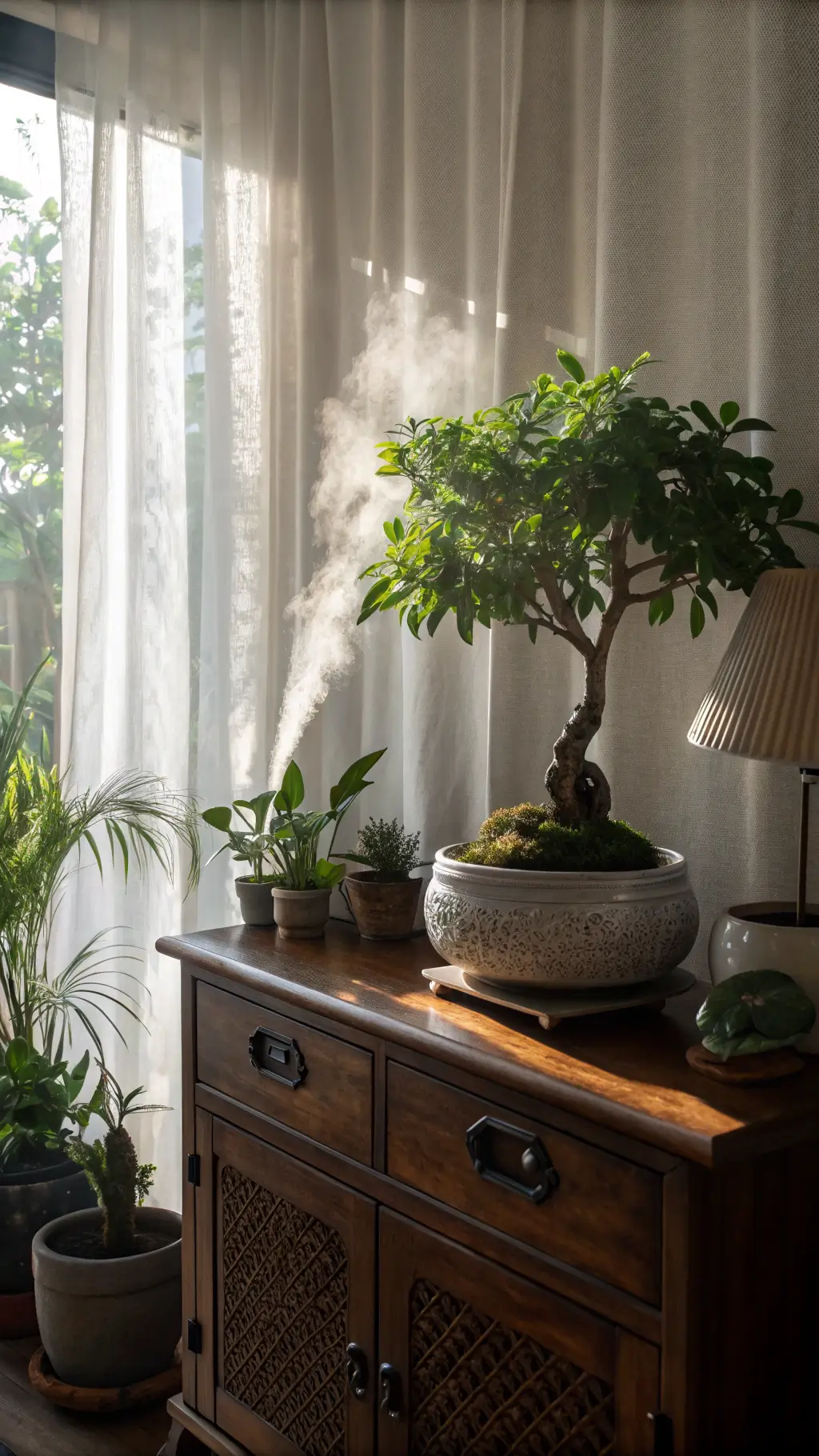
Caring for Indoor Bonsai
Light: near south-facing windows, or add grow lights. Aim for bright, indirect sun.
Humidity: indoor air is usually too dry for bonsai. Use humidity trays, mist, or a small room humidifier.
Watering: every 2-3 days, check soil first, and never let roots sit in water.
Outdoor Bonsai: Nature’s Wild Children
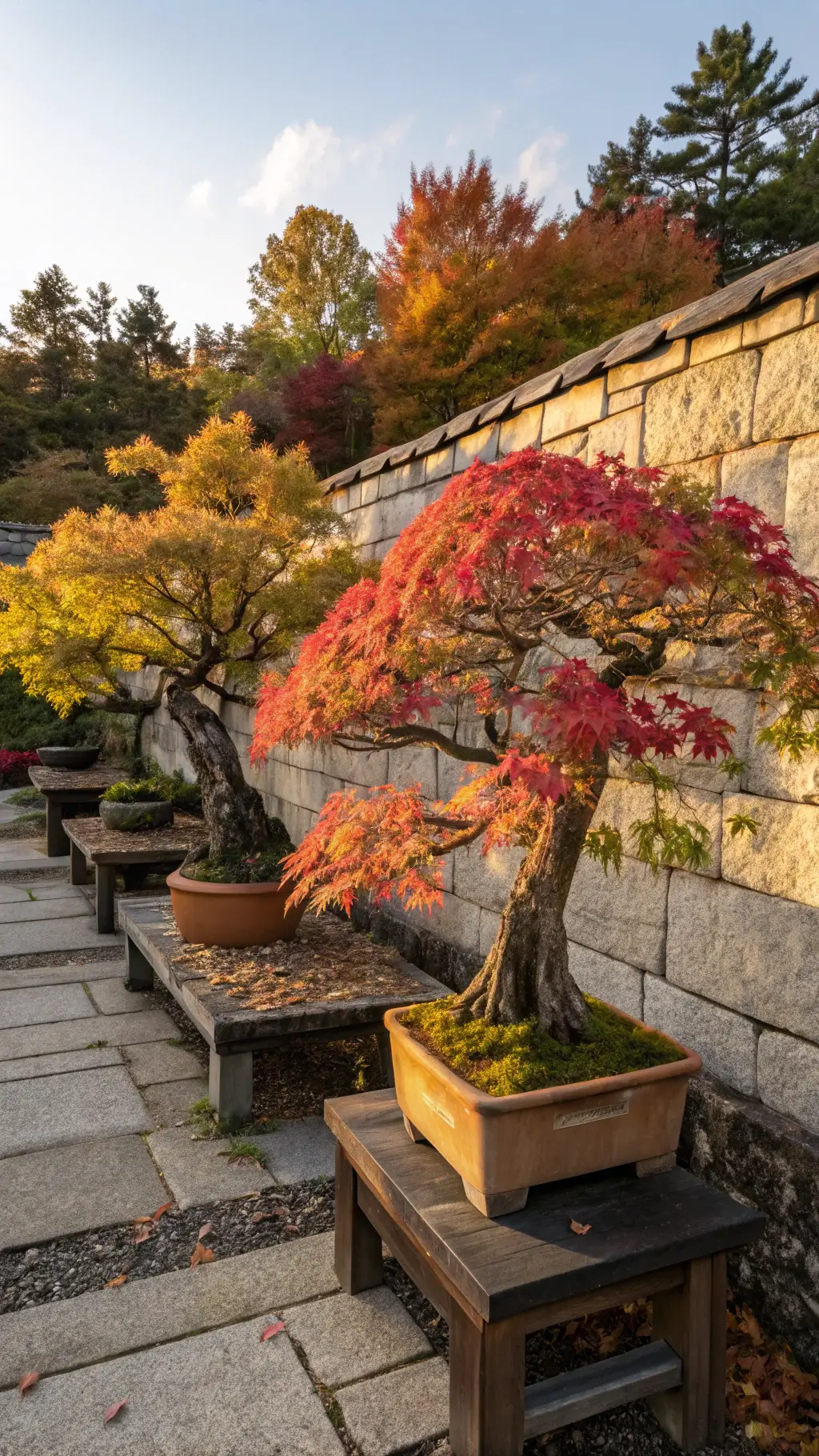
Outdoor bonsai are the adventurers – they need seasonal change to truly thrive.
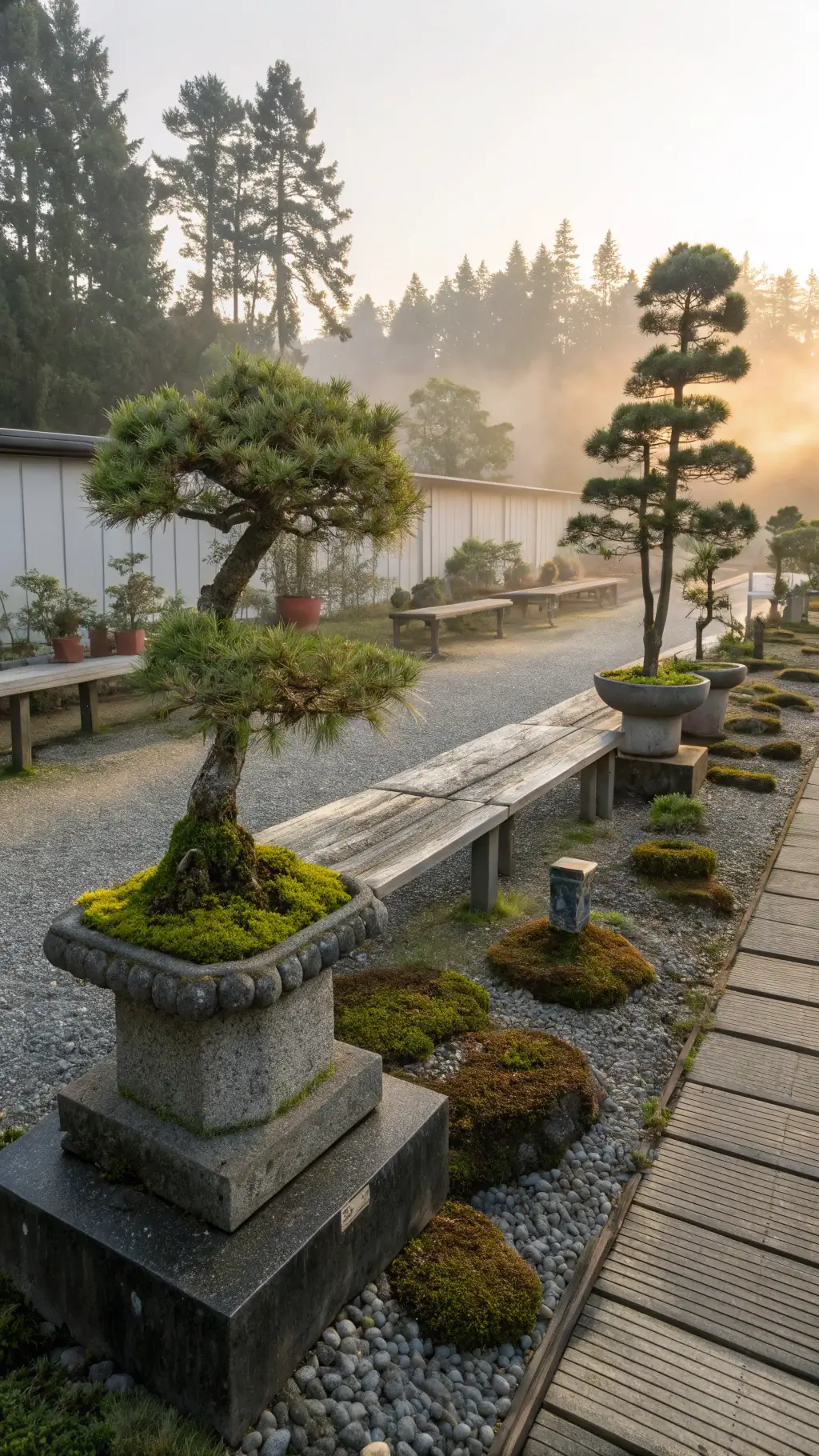
Popular Outdoor Species
- Japanese Maple
- Juniper
- Pine trees
- Elm varieties
- Deciduous species
Outdoor Care Essentials
- Morning sun, afternoon shade
- Protect from temperature extremes
- Allow natural winter dormancy
- Adjust watering by season
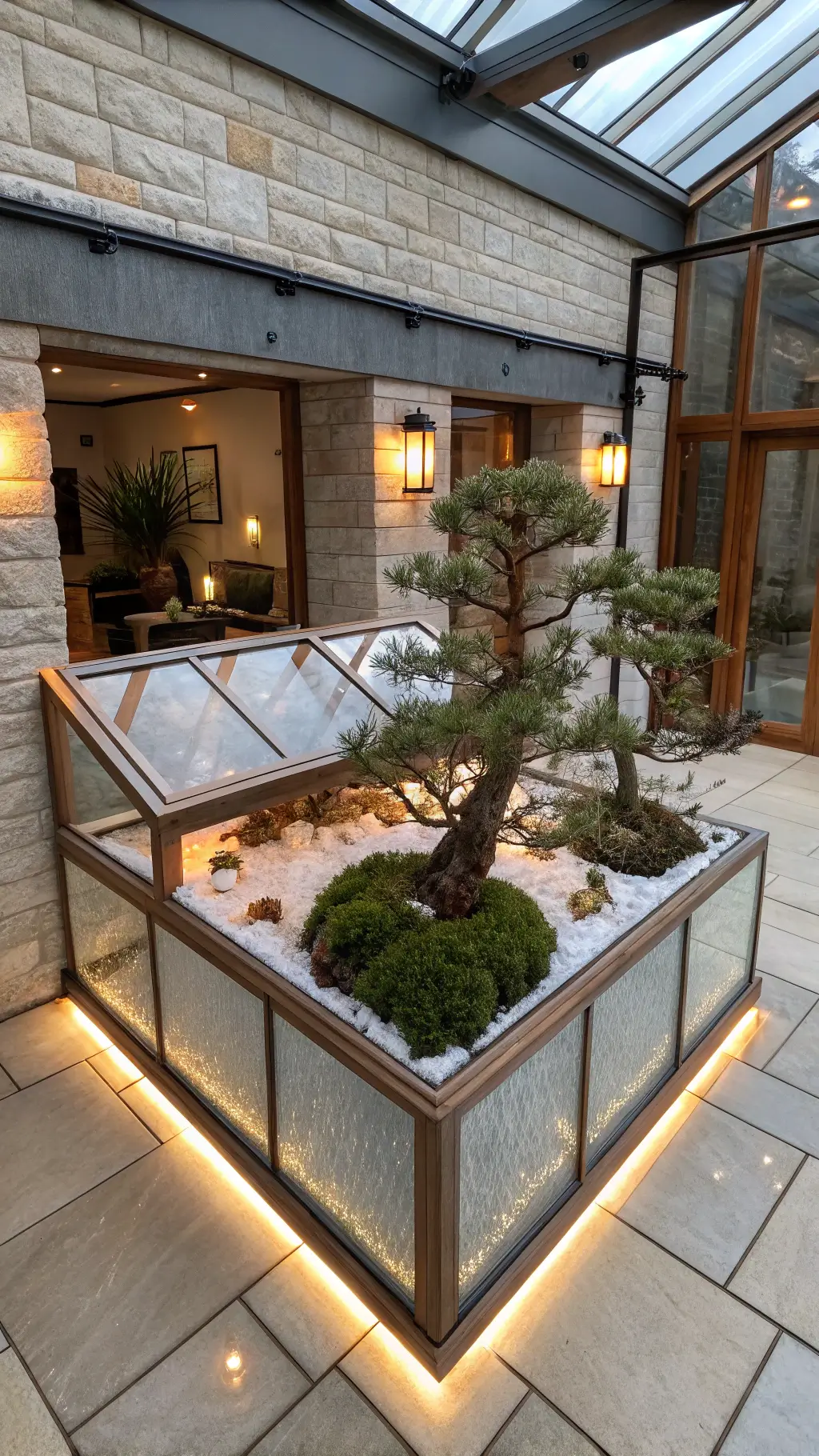
Winter Protection
- Use cold frames
- Build sheltered areas
- Mulch root systems
- Don’t drag outdoor bonsai inside permanently
Critical Differences Between Indoor and Outdoor Bonsai
| Feature | Indoor Bonsai | Outdoor Bonsai |
|---|---|---|
| Natural Habitat | Tropical/Subtropical | Temperate Regions |
| Light Needs | Controlled, Bright Indoor Light | Full Seasonal Sunlight Cycles |
| Temperature | Consistent Room Temperature | Seasonal Temperature Variations |
| Dormancy | Limited | Essential for Health |
| Care Complexity | Moderate | More Advanced |
Pro Tips for Bonsai Success
Red flags: yellowing leaves, dropped leaves, stunted growth, pests.
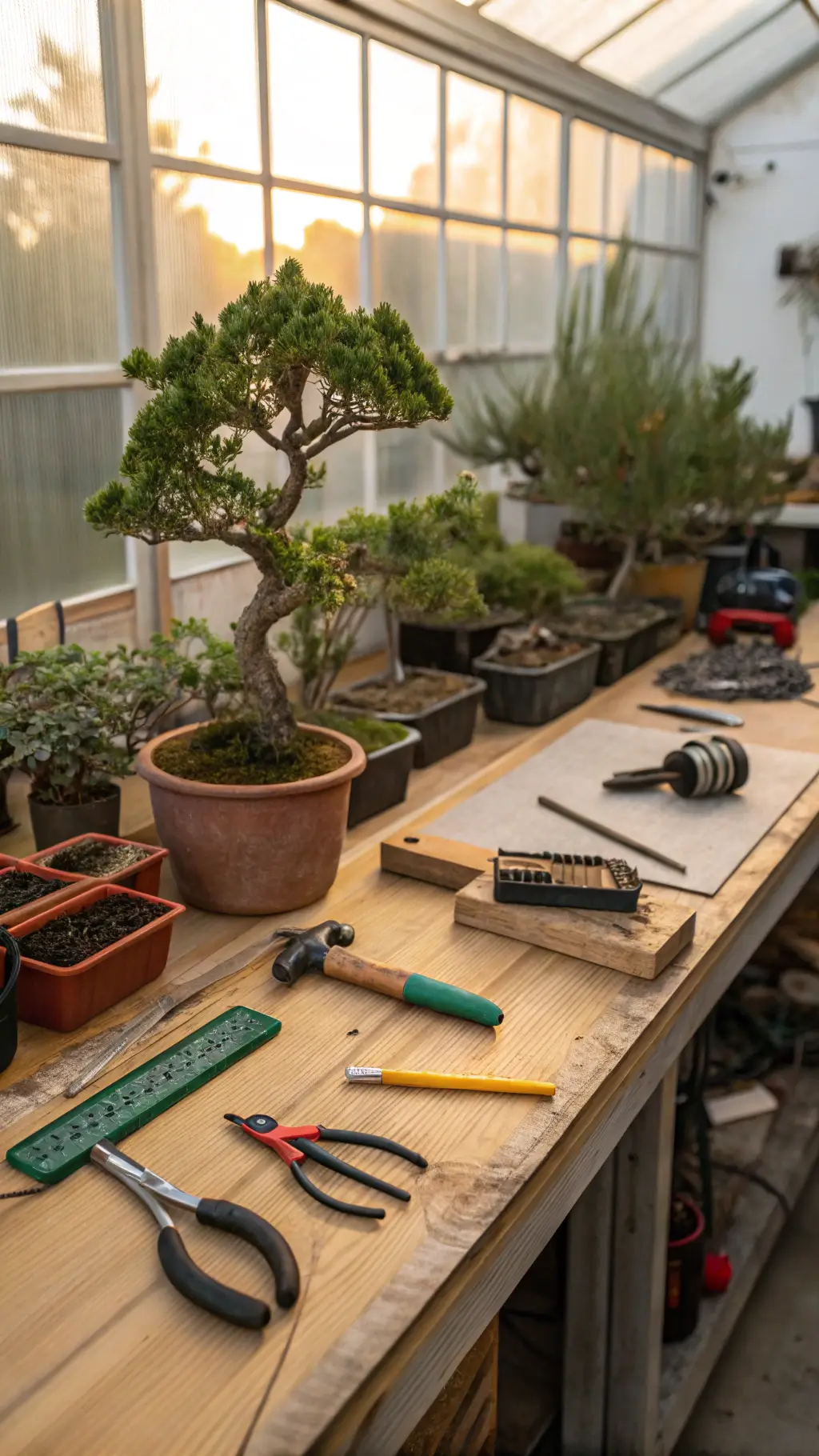
Must-have tools: specialized pruning shears, humidity trays, moisture meters, quality potting mix, and Fertilizer designed for bonsai.
The Bottom Line
Indoor bonsai suit ficus, jade, and Chinese elm. Outdoor species like juniper and pine need winter dormancy and can’t survive long-term indoors. Match the species to the conditions you can actually give it.
Give it a shot. Pick one tree, learn its rhythm, and let the miniature obsession begin. 🙂