
What Makes Jade Bonsai So Special?
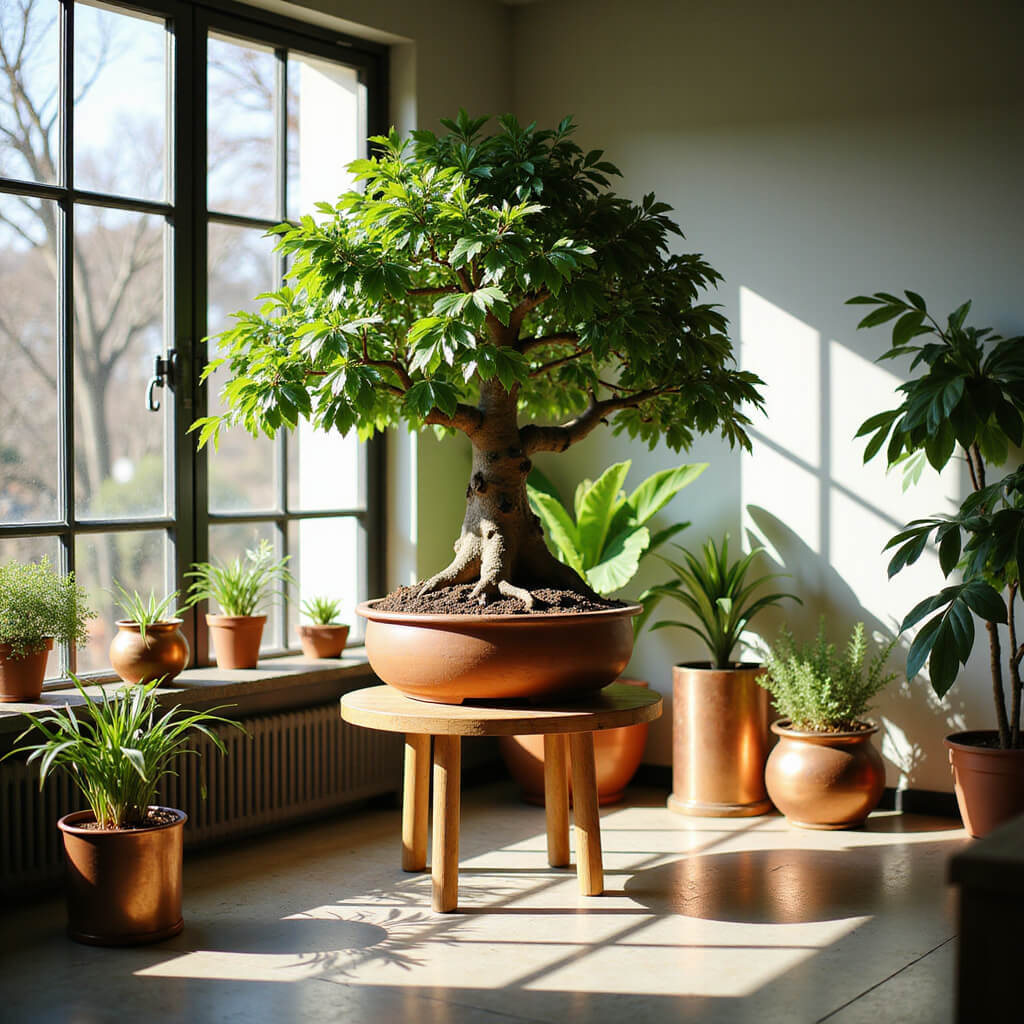
I started with Crassula ovata because it is the most common jade species for bonsai, but I now also grow Portulacaria afra, which has smaller leaves and finer branching. Both species work well for bonsai, though Portulacaria backbuds more readily after hard pruning.
Meet the Jade Superstars
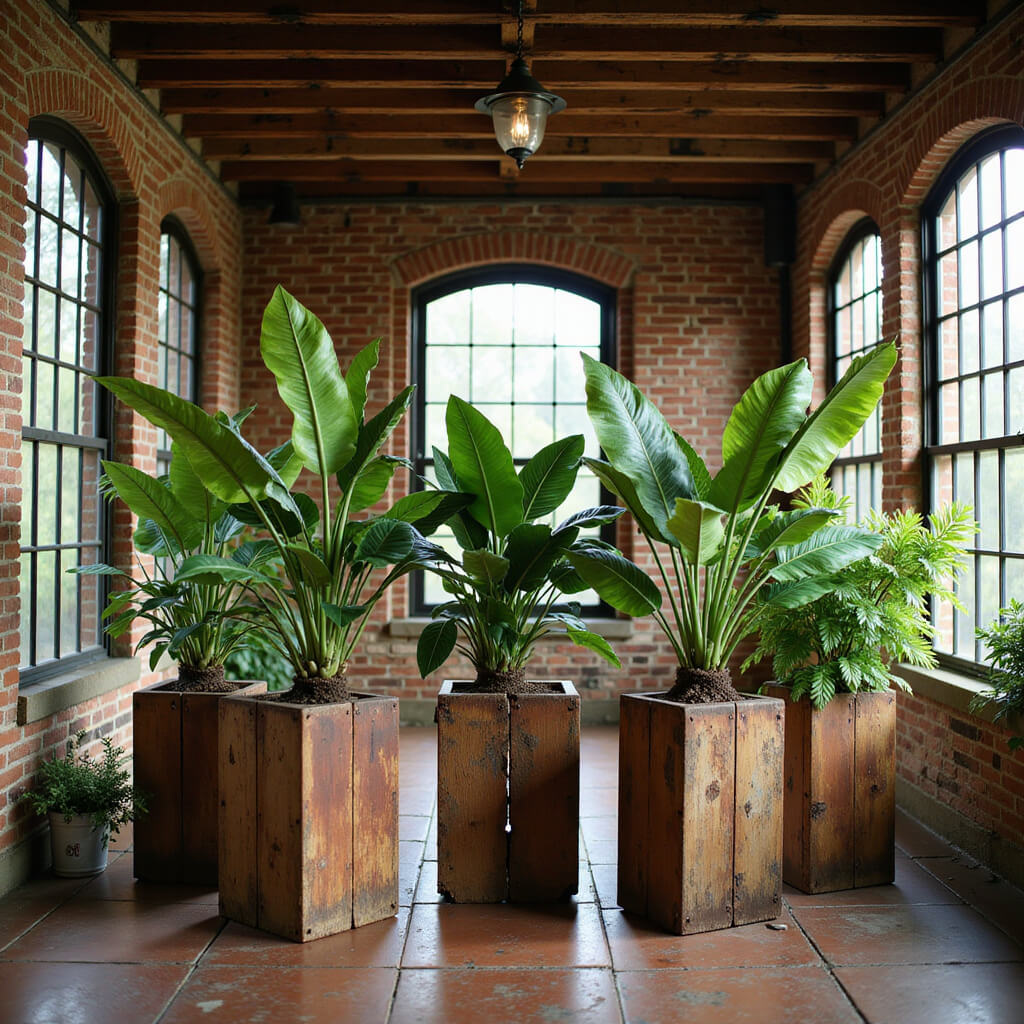
Crassula ovata: The Classic Jade Plant
Why I Love This Species:
- Thick, glossy leaves that look like little green coins
- Develops a stunning woody trunk that tells a story of time
- Produces adorable star-shaped flowers that’ll make you go “wow!”
Coolest Cultivars:
- ‘Hobbit’: Looks like it jumped straight out of a fantasy movie
- ‘Sunset’: Leaves that change colors like a magical sunset
- ‘Tricolor’: Nature’s own color palette in one plant
Portulacaria afra: The Dwarf Jade Superstar
Why Bonsai Lovers Can’t Resist:
- Tiny, compact leaves perfect for miniature landscapes
- Reddish-brown bark that gets more character with age
- Grows faster than you can say “bonsai magic”
Bonsai Styles That Rock with Jade
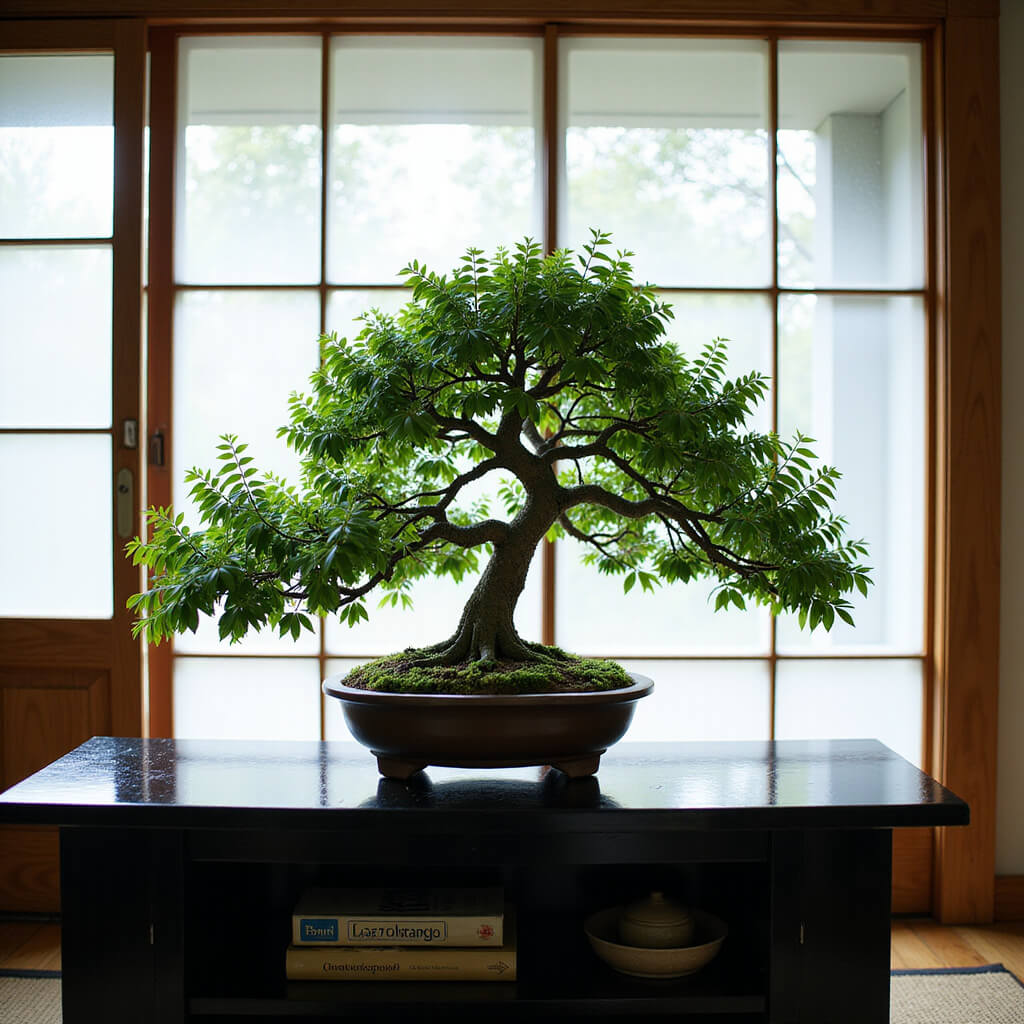
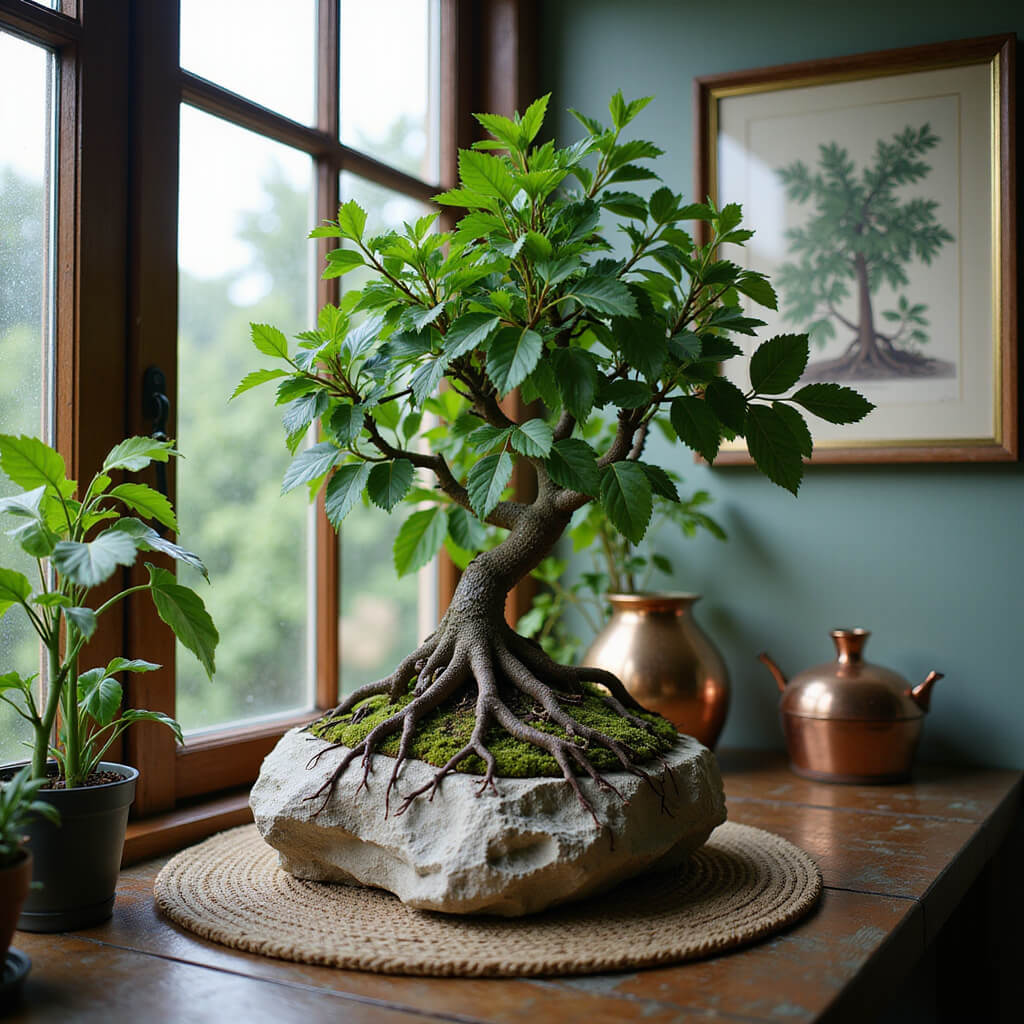
Your jade can become anything from a windswept mountain survivor to a perfectly symmetrical miniature tree:
- Informal Upright: The “I woke up like this” style
- Root-Over-Rock: Dramatic cliffhanger vibes
- Cascade: Defying gravity with every branch
Pro Tips for Jade Bonsai Success
Lighting is Everything
- Bright, indirect sunlight is your jade’s best friend
- Watch for red-tinged leaf edges – that’s your plant’s sunlight selfie!
Watering Wisdom
- Less is more: These succulents hate wet feet
- Let the soil dry completely between waterings
- Think desert survivor, not water-loving houseplant
Pruning Secrets
- Prune in spring or early summer
- Use clean, sharp scissors
- Be brave but gentle – your jade can handle it!
Common Challenges (And How to Crush Them)
Potential Plant Problems
- Overwatering: The #1 jade killer
- Pest invasions: Watch for mealybugs
- Leaf drop: Usually means something’s stressing your plant
Quick Fixes
- Use well-draining soil
- Provide good air circulation
- Don’t panic – jade plants are super resilient!
Which Jade is Right for You?
| Feature | Crassula ovata | Portulacaria afra |
|---|---|---|
| Leaf Size | Larger, more dramatic | Smaller, more delicate |
| Growth Speed | Moderate | Faster |
| Bonsai Difficulty | Beginner-friendly | Super beginner-friendly |
Final Thoughts
Jade bonsai isn’t just a plant – it’s a living art form. Whether you’re a seasoned plant parent or a complete newbie, these incredible succulents will bring joy, beauty, and a touch of magic to your space.
Crassula ovata and Portulacaria afra are the two main species used for jade bonsai. Portulacaria tolerates more pruning and smaller leaves, while Crassula has a thicker trunk and classic jade appearance.