
Getting to Know My Philodendron Imperial Red
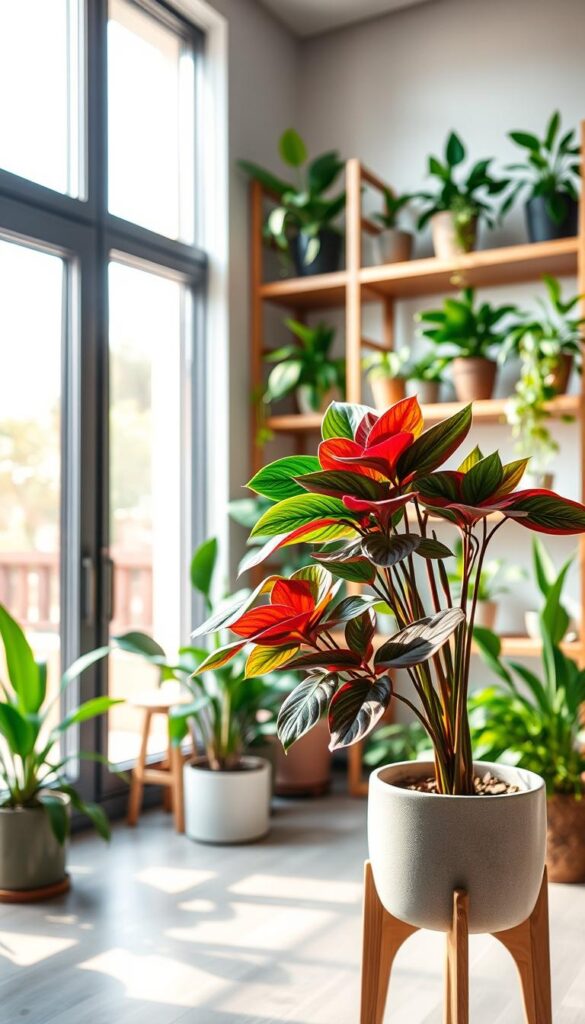
I bought a Philodendron Imperial Red because the new leaves emerge in a deep burgundy that gradually darkens to nearly black before settling into a rich green. The color shift takes about three weeks per leaf, and I watch each one closely.
One of the most fascinating aspects of this plant is how its new leaves emerge in a vibrant red hue before turning green. That transformation isn’t just beautiful — it’s a sign your plant is happy. Bright, indirect light brings out those stunning colors while keeping the leaves strong.
When it comes to watering, consistency is key. The soil should stay moist but well-draining to dodge root rot. I water once a week in warm months and less often when it cools down. A warm spot between 65-75°F suits this tropical just fine.
The right potting mix matters too — I use one that holds moisture but drains excess water. Since I nailed that balance, my Philodendron Imperial Red has become the vibrant focal point of my home.
Getting to Know My Philodendron Imperial Red
The first time I saw one, I was captivated. Its blend of red, copper, and green leaves sets it apart from every other indoor plant on my shelf.
What Makes This Plant So Special
The evolving leaf color is the star: deep red emerging, gradually greening as it matures. It’s both stunning and a health signal. Here’s the ideal environment that keeps it glowing:
| Factor | Ideal Range | Tips |
|---|---|---|
| Light | Bright, indirect | Use sheer curtains for filtered light |
| Temperature | 60-80°F | Keep away from drafts |
| Humidity | 50-70% | Use a humidifier if necessary |
| Airflow | Good circulation | Keep away from stuffy areas |
My personal journey with that color shift felt like watching living art unfold. The tropical origins and heart-shaped leaves add elegance, and the right soil keeps the roots happy.
Creating the Ideal Environment
Nail the light, temperature, humidity, and airflow and this plant thrives. I keep mine near an east-facing window with sheer curtains, and a humidifier handles the dry spells.
Soil, Potting, and Feeding
Pick a moist, well-draining medium. Coconut coir or peat moss keeps moisture; perlite or orchid bark improves drainage. Repot every 2-3 years when roots peek from the holes, stepping up just one pot size.
- Choose a mix with coconut coir or peat moss for moisture retention
- Add perlite or orchid bark for better drainage
- Repot when roots grow out of drainage holes
- Increase pot size gradually to avoid overwatering
- Mix in natural fertilizer for robust growth
Watering and Fertilizing
I check the top inch of soil with a finger — dry means drink time. Spring and summer get more frequent watering; fall and winter drop to every 4-6 weeks. A half-strength balanced liquid fertilizer during growth keeps the leaves vivid.
Managing Pests and Pruning
I keep my plant pest-free with regular summer inspections. Catching unwanted visitors early is half the battle.
Identifying and Tackling Common Pests
Aphids, mealybugs, and spider mites are the usual suspects. I check leaf undersides and treat with insecticidal soap or neem oil. Here’s the quick-reference:
| Pest | Symptoms | Solution |
|---|---|---|
| Aphids | Sticky residue on leaves | Insecticidal soap |
| Mealybugs | White, cottony patches | Neem oil treatment |
| Spider Mites | Yellowing leaves, fine webs | Increase humidity |
Pruning keeps the plant tidy and airy. I remove dead or yellow leaves near the base so sunlight reaches healthy foliage and the color stays vibrant.
Troubleshooting Common Issues
Every plant parent hits snags. Yellowing or browning leaves usually point to improper watering or poor drainage, which can rot roots if ignored.
Addressing Yellowing or Browning Leaves
When I see trouble, I check drainage first. If water isn’t moving, root rot follows. I adjust my schedule, especially during winter months when the plant is less active. Seasonal shifts also change leaf size, so I tweak subtly to keep the vibrancy.
| Issue | Signs | Solution |
|---|---|---|
| Improper Watering | Yellow or brown leaves | Adjust watering schedule |
| Poor Drainage | Water pooling in soil | Improve drainage holes |
| Seasonal Changes | Smaller leaves | Reduce watering in winter |
By evaluating soil, light, and watering frequency, I fix problems fast and keep the plant thriving year-round.
Propagation Methods I’ve Mastered
Dividing offsets during repotting is my go-to. It lets me share plants with friends and gives the mother plant room to grow. Each division gets bright, indirect light and establishes quickly.
Seasonal Adjustments for Year-Round Health
In spring I ramp up watering for new growth; in fall I ease off as the plant slows. Watching the light cycle keeps it adapting smoothly through the seasons.
Styling My Indoor Jungle
My Imperial Red is the crown jewel of my indoor jungle. Near an east window it gets balanced light, and I add moss plus a stylish humidifier for that tropical ambiance — and the humidity boost.
Wrapping Up My Journey
Reflecting on this iconic houseplant, I’m reminded of every lesson learned. Humidity is the secret — my humidifier during dry seasons keeps leaves vibrant. Stay vigilant against mealybugs, and balance watering, airflow, and soil.
Philodendron Imperial Red needs bright, indirect light for dark red new growth. Keep soil moist but not soggy, and wipe the broad leaves occasionally to remove dust.
Conclusion
The Imperial Red rewards patience with a leaf color show you’ll never get tired of. Bright light, humidity, and a watchful eye. Give it a shot — your jungle will thank you!