
Philodendron Squamiferum Care Guide: The Felted, Hairy-Petiole Climber
I bought a Philodendron squamiferum for the hairy, rust-colored petioles that feel like felt under my fingers. The leaves are oak-shaped and dark green, but honestly the fuzzy stems are the star. A weird, tactile houseplant that gets compliments every time someone touches it. 🙂
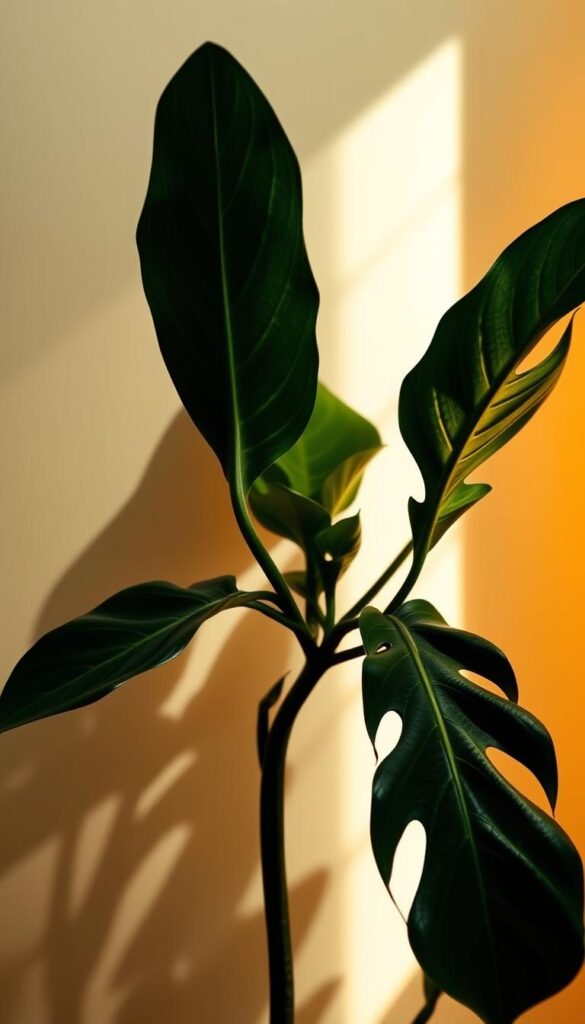
What Makes Squamiferum Special
Those reddish-brown bristly petioles are unique in the genus. The foliage is lovely, but the “fur” is why collectors chase it. A Philodendron Squamiferum wants to climb, so give it a pole early.
Light and Placement
Bright, indirect light keeps growth strong. Too little and the leaves shrink. A North or filtered-east window is ideal.
Watering and Soil
Water when the top inch dries; a chunky aroid mix drains fast. Pruning and propagation are essential techniques once it gets leggy — squamiferum roots from node cuttings easily. The plant parent approach — steady observation — suits it.
Humidity and Support
50%+ humidity keeps the petioles plush and leaves crisp. A moss pole triggers bigger leaves. For comparison, stunning foliage on other aroids responds to the same humidity rules.
Troubleshooting
- Crispy leaf edges: Low humidity
- Yellow leaves: Overwatering
- Slow growth: Not enough light or no pole
The Bottom Line
The Philodendron Squamiferum care guide: bright indirect light, chunky soil, water when dry, humidity, and a moss pole for those famous fuzzy petioles. Philodendron Squamiferum that brings joy is easy once the basics are right. IMO, it’s the most touchable plant you can grow. So grab a cutting, give it a shot, and feel those stems. 😉