
Growing Pincushion Cacti: A Beginner’s Guide to These Charming Desert Gems
I found a pincushion cactus blooming at a garden center with a ring of bright pink flowers around the top. The plant was only three inches across but covered in flowers, which convinced me to buy it on the spot.
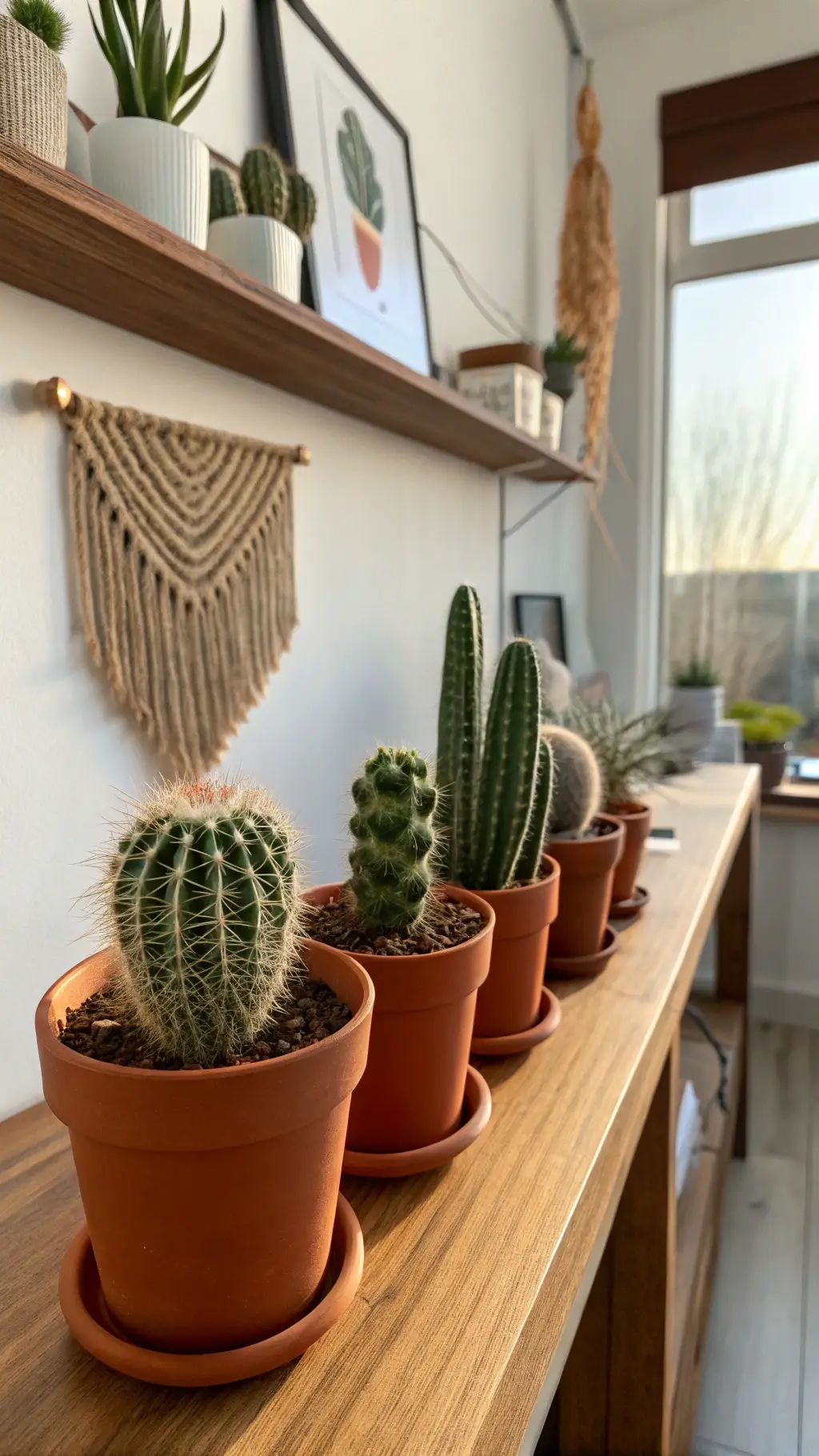
What Makes Pincushion Cacti Special?
These adorable round cacti look exactly like their namesake – tiny cushions covered in perfectly arranged pins. As someone who’s collected dozens of varieties, I can tell you they’re absolute showstoppers when they bloom.
Here’s what makes them stand out:
- Compact size (usually 1-6 inches)
- Symmetrical spine patterns that catch the light beautifully
- Gorgeous flowers in pink, red, yellow, or white
- Perfect for windowsills and small spaces
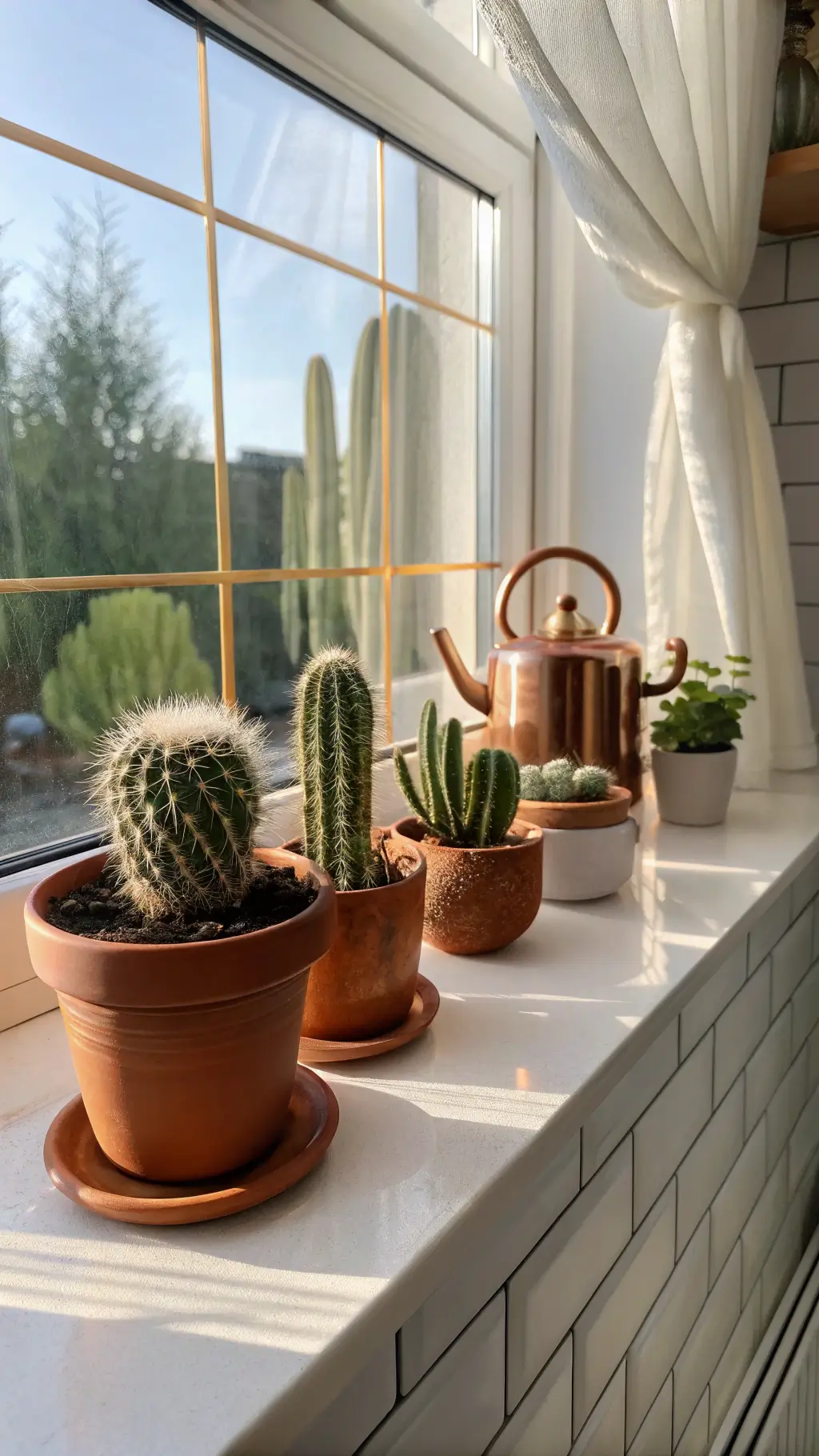
Getting Started: The Basics
Listen, I learned this the hard way – these little guys need three things to thrive:
1. Light
These sun-lovers need at least 4 hours of direct sunlight daily. I keep mine on my south-facing windowsill, and they couldn’t be happier.
2. Soil
Here’s my foolproof mix:
- 50% cactus soil
- 25% perlite
- 25% coarse sand
Trust me, drainage is everything!
3. Water
The golden rule? Less is more! I water mine only when the soil is completely dry. In winter, they barely need any water at all.
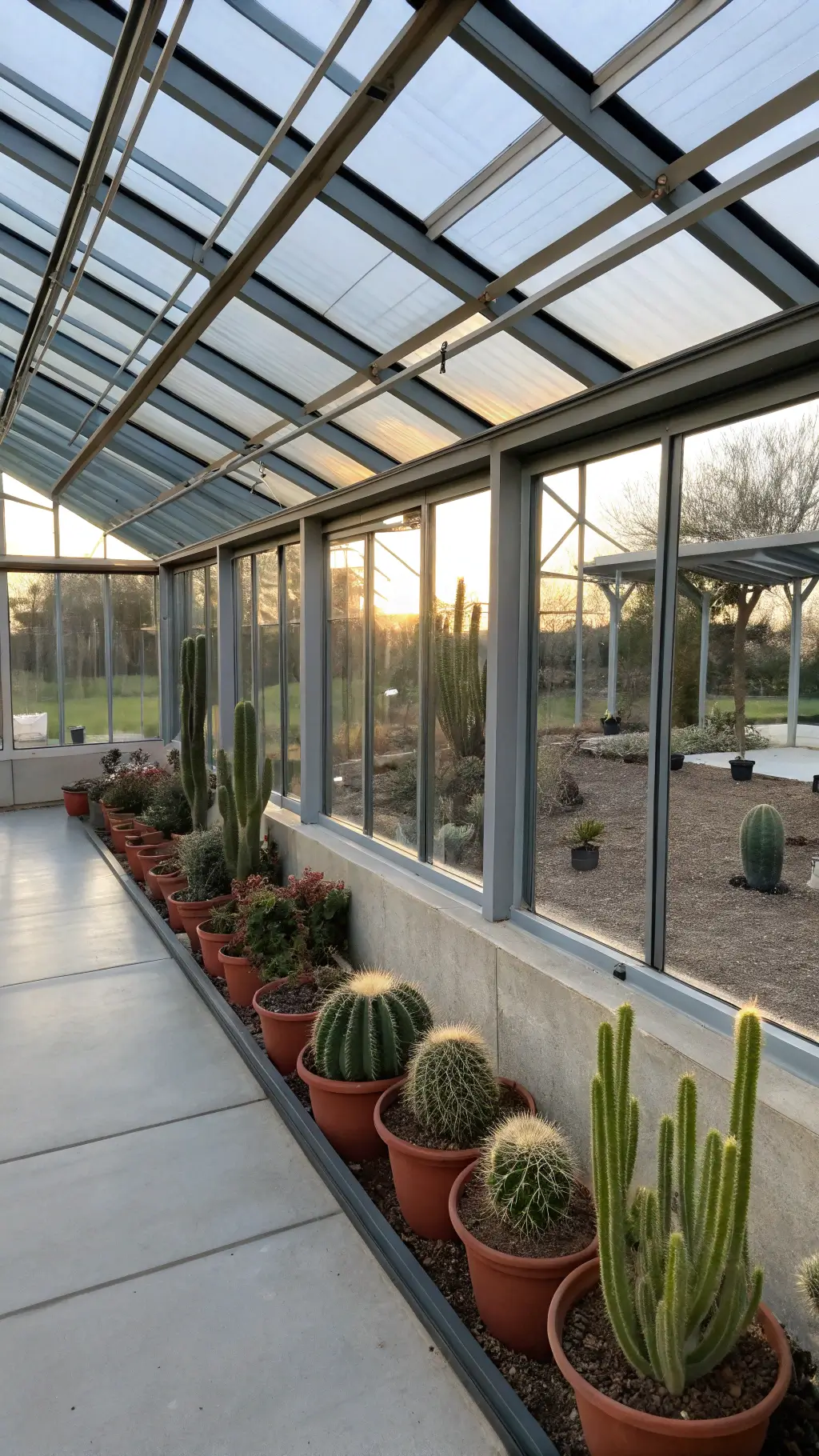
Temperature Sweet Spot
Keep them between 50-75°F (10-24°C). They’re desert plants, not polar bears!
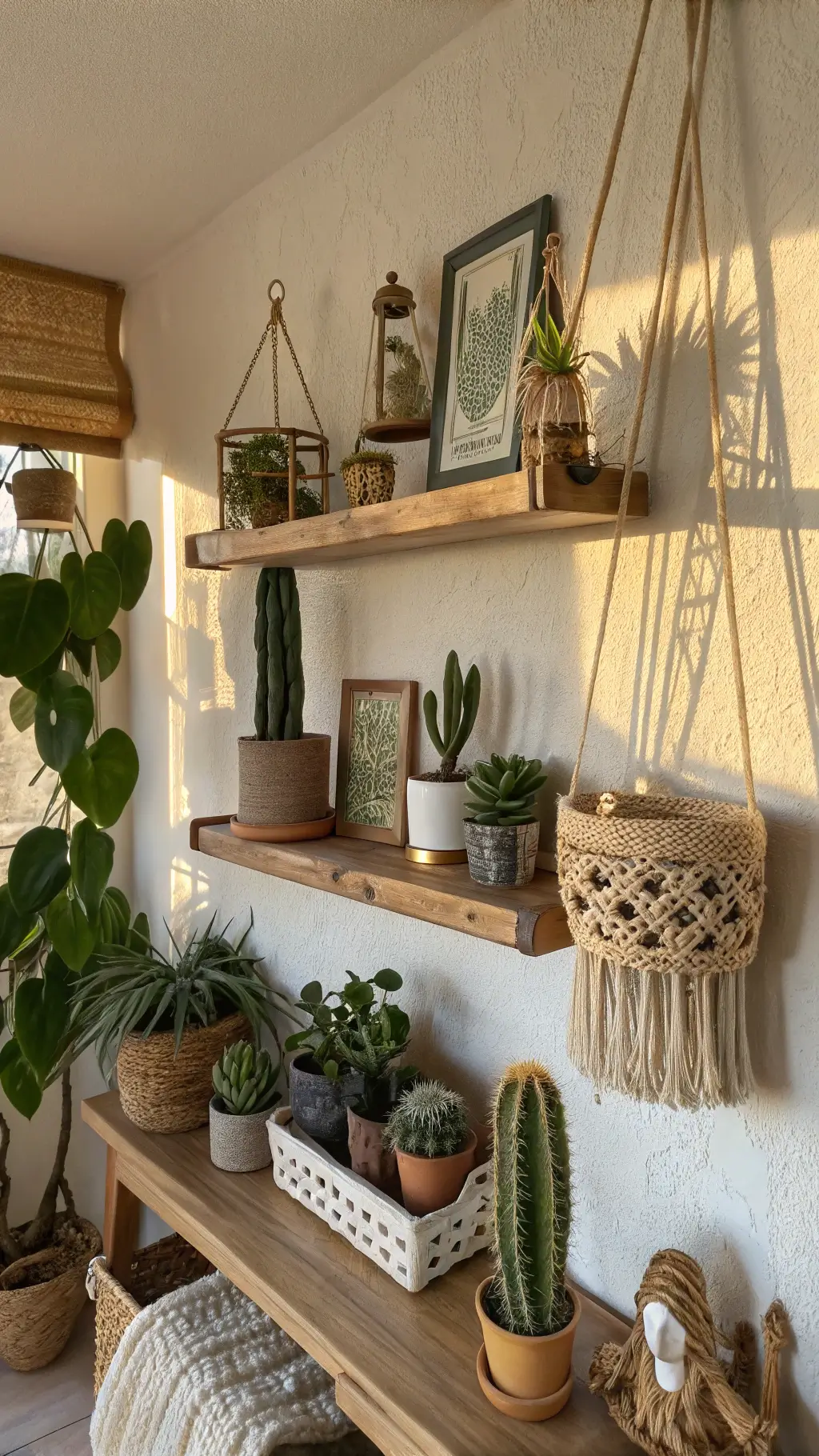
My Top Varieties for Beginners
1. Golden Pincushion (Mammillaria elongata)
- Perfect starter cactus
- Grows in charming clusters
- Yellow flowers in spring
2. Old Lady Cactus (Mammillaria hahniana)
- Covered in soft, white hair-like spines
- Pink flowers form a crown
- Total conversation starter!
3. Rose Pincushion (Mammillaria zeilmanniana)
- Reliable bloomer
- Vibrant pink flowers
- Compact growth
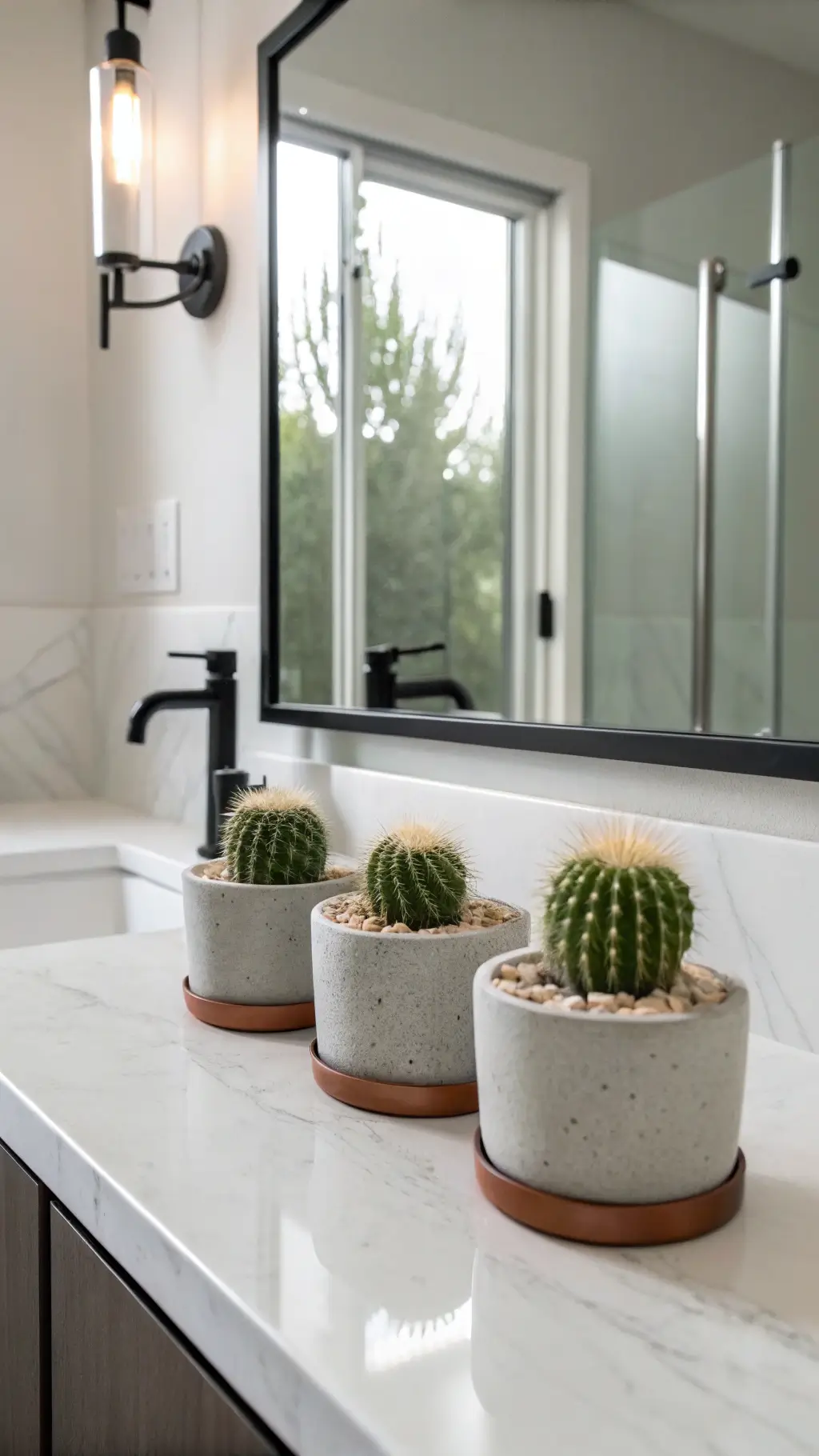
Pro Tips From My Experience
- Use unglazed clay pots – they prevent root rot by allowing excess moisture to escape
- Fertilize lightly during growing season (spring/summer) with cactus-specific food
- Watch for offsets (baby cacti) around the base – free plants!
- If growing outdoors, bring them in before frost hits
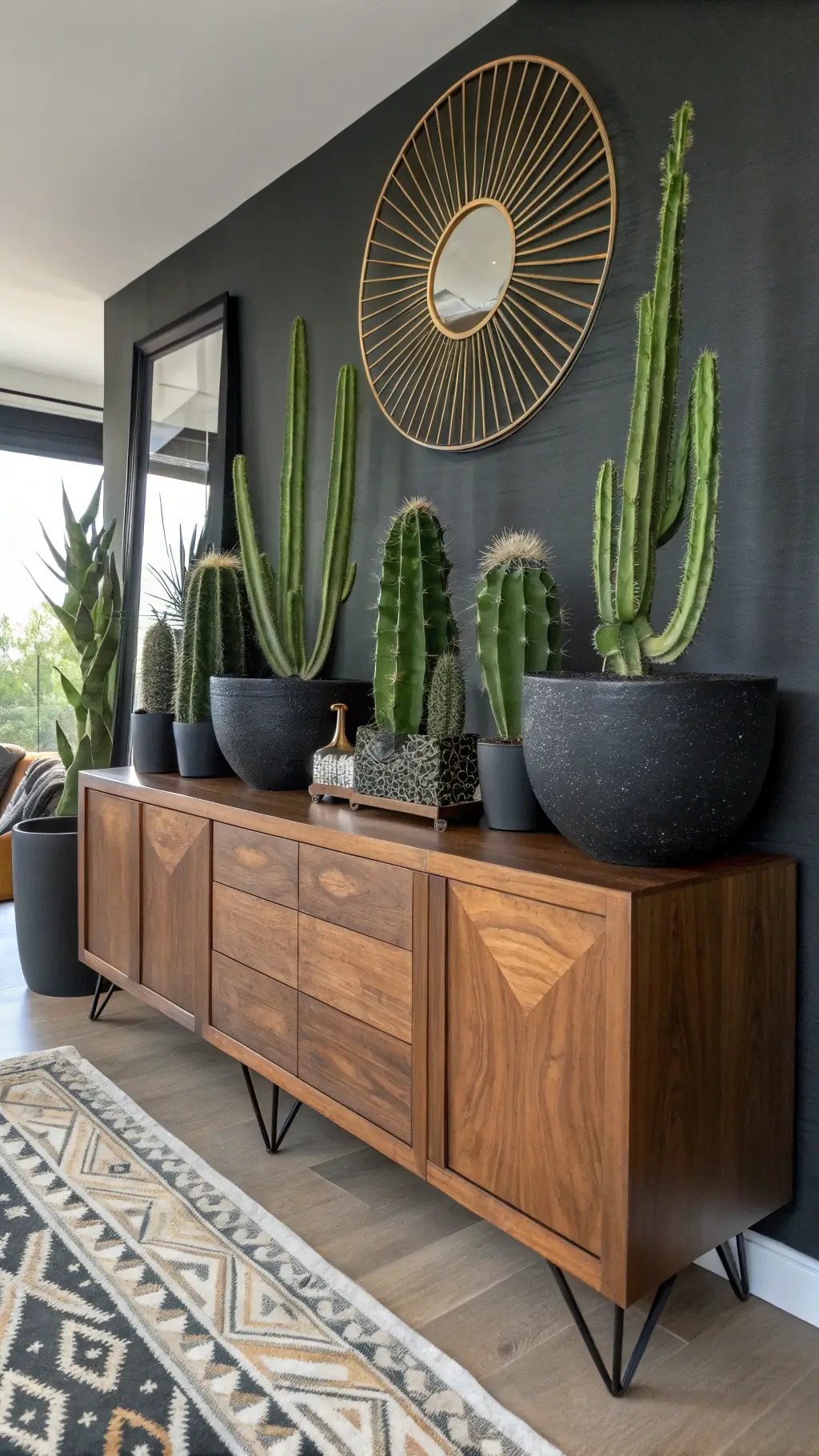
Troubleshooting Common Issues
- Yellowing? Probably too much water.
- Not flowering? Needs more light.
- Wrinkled? Time for a drink!
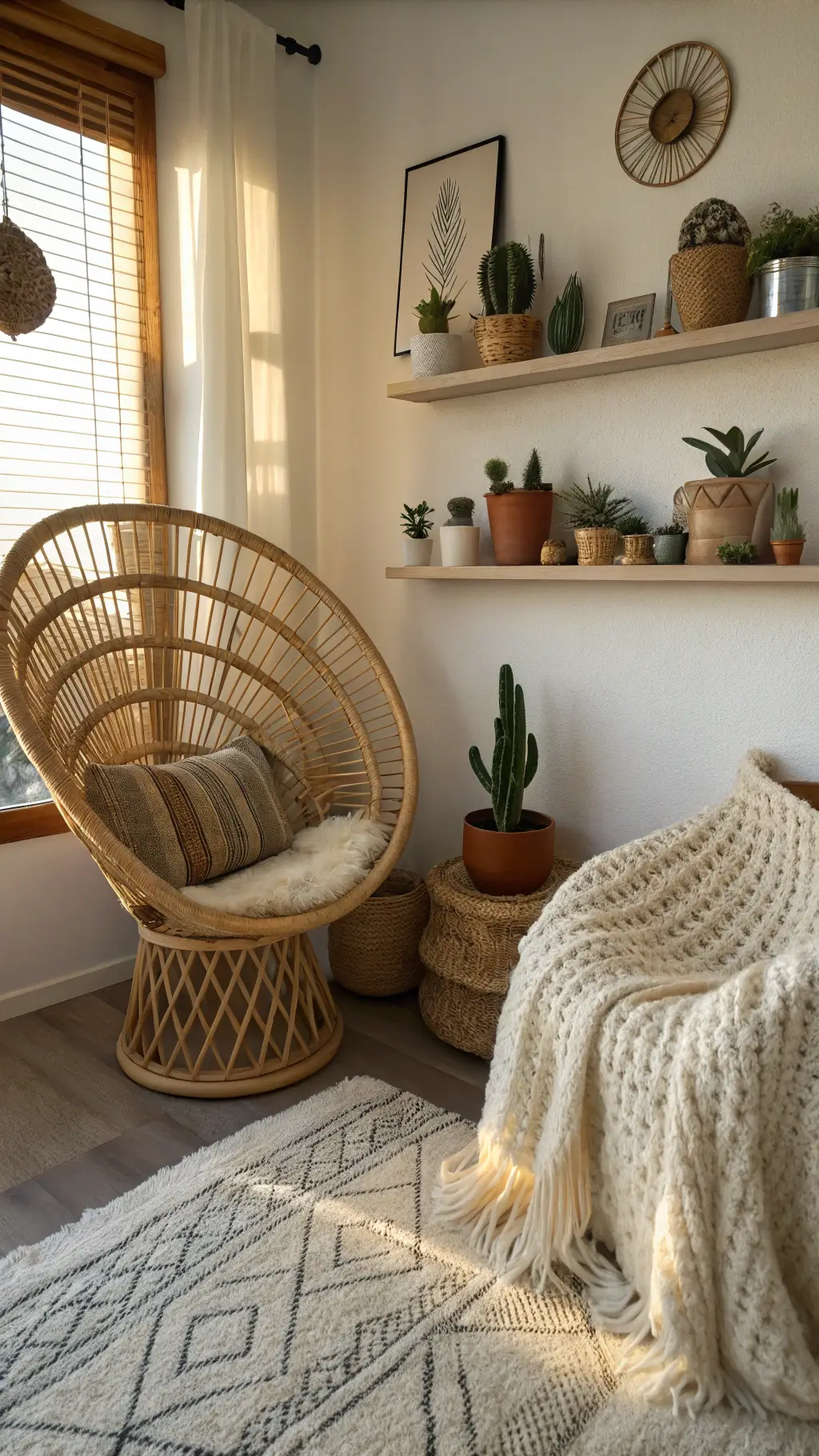
Remember, these cacti are survivors by nature. The biggest mistake most people make is loving them too much – especially with watering. When in doubt, keep it dry!
Pincushion cactuses flower profusely when given bright light. Water deeply in summer, keep them dry in winter, and use well-draining cactus soil.