
Welcome & Getting Started with Houseplant Care
I gave my sister a ZZ plant and a pothos when she bought her first house because both survive inconsistent care. Six months later they’re the only plants still alive from the dozen she got as housewarming gifts.
Uneven light and forgetful watering nearly killed my early plants, so I leaned on forgiving varieties like golden pothos, snake plant, and spider plant. They adapt to indoor environments and forgive a missed watering.
Choosing the right houseplant makes all the difference. Plants boost your décor and clean your air. My advice mixes hands-on experience with trusted research, so you get care tips that actually work.
Let’s make your houseplant parenting journey a success! This guide covers low-maintenance picks and the light, water, and soil basics every new plant parent needs.
Easy, Low-Maintenance Options
A hands-off approach rewards beginners. Snake plants and spider plants flourish in low light and survive inconsistent watering.
| Plant | Light Tolerance | Watering Needs | Benefits |
|---|---|---|---|
| Snake Plant | Low to Bright Light | Infrequent Watering | Air Purification, Drought Tolerant |
| Spider Plant | Medium to Bright Light | Consistent Moisture | Easy Propagation, Versatile Placement |
| Succulent | Bright Light | Low Watering | Stylish, Minimal Care Required |
| Cactus | Full Sun | Rare Watering | Unique Appearance, Hardy |
Succulents and cacti bring style and cleaner air with almost no effort. They’re perfect for first-time homeowners who want green without the fuss.
Assessing Your Home’s Conditions
Build the right environment by understanding where your plants will live. Light, temperature, and humidity decide who thrives.
Evaluating Light
Watch how light moves through each room. Bright direct light suits succulents; low-light corners suit Chinese Evergreen. Sheer curtains filter intense sun and prevent burns.
Temperature and Humidity
Most houseplants like 65-75°F days and 55-65°F nights. Keep them off vents. Boost humidity with a pebble tray or humidifier.
| Environmental Factor | Recommended Levels | Impact on Plant Health |
|---|---|---|
| Light | Bright to low light | Promotes photosynthesis and growth |
| Temperature | 65-75°F (day), 55-65°F (night) | Supports healthy metabolism |
| Humidity | 40-60% | Prevents leaf curl and promotes hydration |
Read those factors and you’ll set your plants up to flourish.
Best Low-Maintenance Houseplants for Beginners
The snake plant tolerates low light and infrequent water. The spider plant propagates easily and forgives mistakes. Both are ideal starters.
Succulents and cacti want well-draining soil and moderate water but reward you with cleaner air and real character.
Their resilience makes them reliable first plants.
Understanding Plant Light Requirements
Direct vs Indirect Light
Direct sun comes straight from the sky and can burn sensitive leaves. Indirect light is gentler and suits shade-lovers.
Adapting to Low Light
No flood of sun? No problem. Filter harsh rays with sheer curtains and face leaves toward the brightest wall. Positioning does the heavy lifting.
| Light Type | Impact on Plants | Suitable Plant Examples |
|---|---|---|
| Direct Light | Promotes robust growth, but risks leaf burn | Succulents, Cacti |
| Indirect Light | Supports steady growth without risk of burn | Snake Plant, Spider Plant |
| Low Light | Limits growth but sustains hardy species | Chinese Evergreen, Pothos |
Match plants to your light and they’ll thrive.
Watering, Soil, and Potting Strategies
Choosing Well-Draining Soil
Drainage prevents root rot. Look for mixes with perlite or sand. A little compost or worm castings adds fertility.
- Water carefully – overwatering harms most plants.
- Well-draining soil lets roots breathe.
- Pots need drainage holes. Non-negotiable.
Check soil with your finger to the first knuckle and water only when dry. Let it dry slightly between drinks.
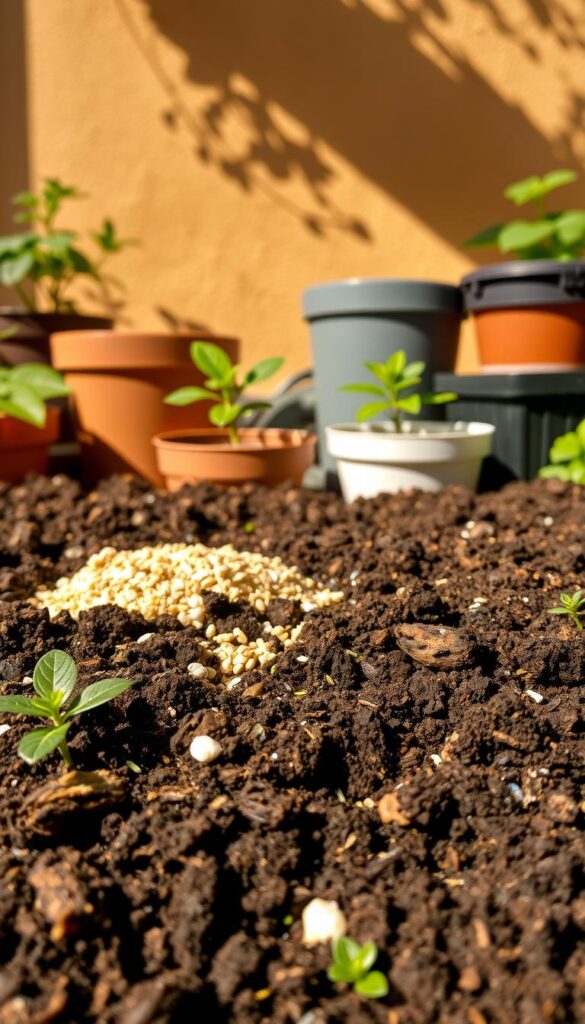
Know your plant’s needs and adjust. That’s the whole game.
Decor and Air Quality Benefits
Houseplants do more than decorate. They purify air and lift your mood.
Plants absorb impurities and release oxygen. Studies tie greenery to lower stress. In my home, plants made the space calmer and more alive.
- They steady temperature and humidity.
- Peace lilies and Boston ferns keep humidity balanced.
Budget-Friendly Places to Buy
I hunted affordable first plants without breaking the bank. Online nurseries, local garden centers, and farmers markets each have upsides.
| Place | Pros | Cons |
|---|---|---|
| Online Nurseries | Convenient, wide selection, care packages available | Shipping costs, can’t see plants in person |
| Local Garden Centers | Personalized advice, immediate purchase | Limited selection, may be more expensive |
| Farmers Markets | Unique plants, support local | Seasonal availability, limited care info |
Budget-friendly doesn’t mean low quality. Reputable sellers include care instructions for a healthy start.
First-Time Plant Parenting Insights
My journey started with excitement and a few dead leaves. Overwatering my snake plant taught me drainage. Underwatering my spider plant taught me consistency. Propagating that spider plant built my confidence.
Every setback was a lesson in patience and observation.
Additional Care Considerations
Pest Control and Maintenance
Spider mites and mealybugs show up uninvited. Inspect often and treat early with insecticidal soap. Prune dead leaves and repot when needed.
Seasonal Adjustments
Summer wants more water and light; winter wants less. Small adjustments keep plants healthy year round.
The Bottom Line
The best plants for first-time homeowners are forgiving ZZ plants, pothos, and snake plants. They tolerate missed waterings and lower light while you learn your home’s rhythm. Start small, observe, and let your indoor garden grow with you.
Give it a shot. Grab one hardy plant this weekend – future you will thank present you. 🙂