Introduction to Drought-Resistant Gardening
I travel a lot for work, so my collection is basically snake plants, ZZ plants, and a handful of succulents. They shrug off three weeks without water, and I have never lost one to drought on a trip. If your schedule is chaotic, these are the plants for you.
Drought-resistant gardening is the low-effort, eco-friendly answer for busy people. It saves water, cuts upkeep, and still looks great. Here is how it stacks up against the traditional approach:
| Aspect | Traditional Gardening | Drought-Resistant Gardening |
|---|---|---|
| Water Usage | High water consumption | Minimal watering needed |
| Maintenance | Frequent care required | Low maintenance |
| Soil Health | Soil can be depleted | Soil remains healthy |
| Aesthetic Appeal | Varies | Beautiful and functional |
Why Bother With Low-Water Plants?
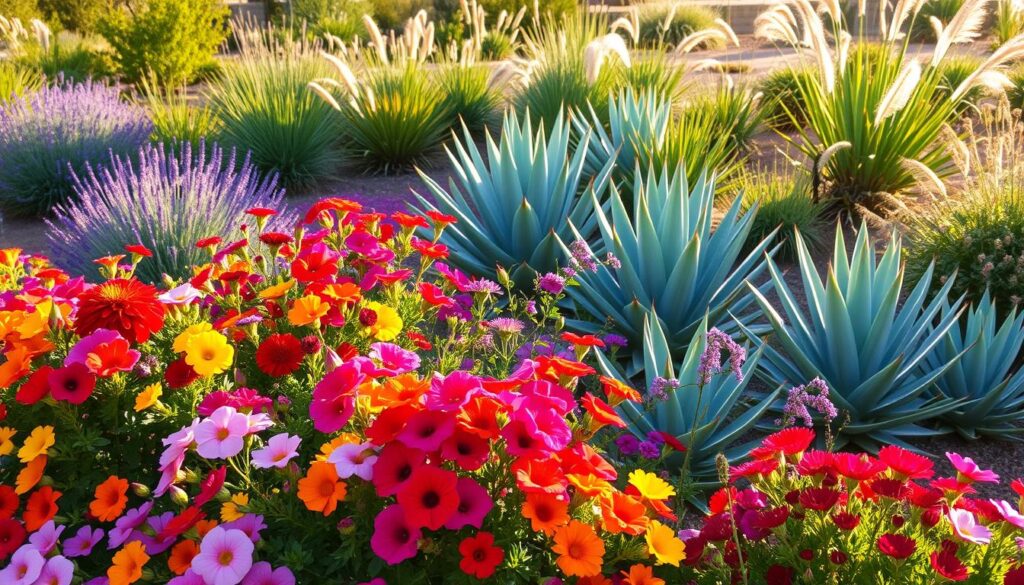
These resilient species conserve water and slash garden costs while adding real color. Coneflowers, for example, bloom hard and attract pollinators, which boosts biodiversity. Group plants with similar needs and you get a stunning, practical space with almost no fuss.
Easy Indoor Succulents to Start With
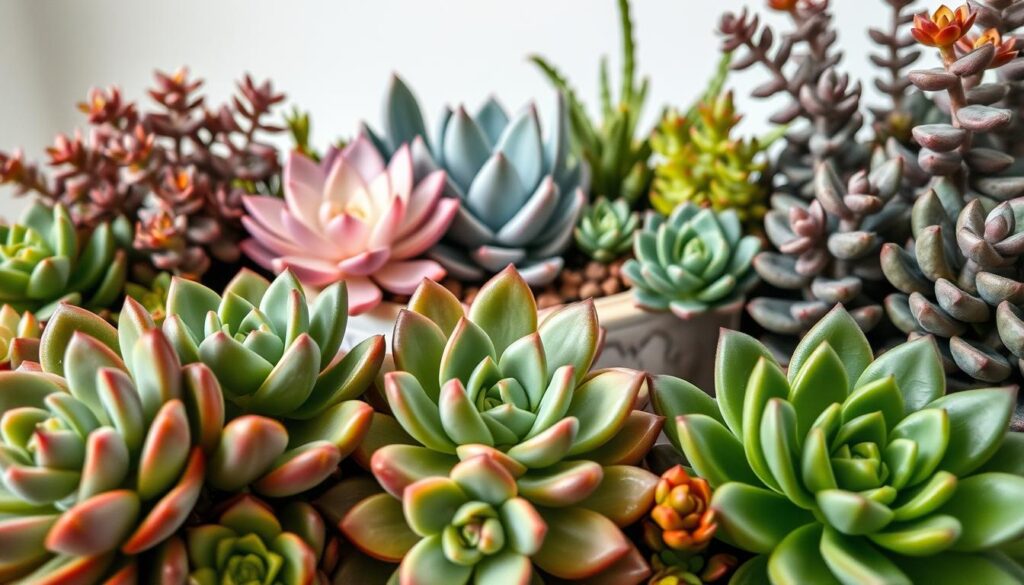
Snake Plant and Ponytail Palm are the gateway low-maintenance houseplants. Snake plant takes indirect light and well-draining soil; ponytail palm wants bright sun and a bulbous trunk that stores water. Water sparingly and let the soil dry fully between drinks.
| Succulent | Size (Foot Tall) | Light Preference | Soil Preference |
|---|---|---|---|
| Snake Plant | 3 | Indirect Light | Well-draining |
| Ponytail Palm | 6 | Bright, Direct Sun | Draining |
Top Outdoor Drought-Resistant Bloomers
Lantana, coneflower, yarrow, and salvia all thrive in full sun with little water and put on a real show. They also pull in bees and butterflies, which is a win for the whole yard. The standouts:
| Plant | Size (Foot) | Bloom Color | Growth Habit | Preferred Conditions |
|---|---|---|---|---|
| Lantana | 3-4 | Orange, Yellow, Pink | Spreading Shrub | Full Sun, Well-Drained Soil |
| Coneflower | 2-4 | Purple, Pink, White | Upright | Full Sun, Dry to Moist Soil |
| Yarrow | 2-3 | White, Yellow | Clump-Forming | Full Sun, Well-Drained Soil |
| Salvia | 2-3 | Blue, Purple, Red | Upright | Full Sun, Dry Soil |
Shrubs That Make a Statement
Red Emu Bush and Shrubby Germander bring structure and color with near-zero care once established. Red Emu Bush loves full sun; Shrubby Germander leans partial shade. Both plants thrive in tough spots and attract pollinators year-round.
| Shrub | Size (Feet) | Flower Color | Leaves | Sun Exposure |
|---|---|---|---|---|
| Red Emu Bush | 6×8 | Yellow | Red | Full Sun |
| Shrubby Germander | 10×8 | Blue | Gray-Green | Partial Shade |
Flowers Worth Knowing: Coneflower, Lantana, Lavender
Coneflowers and lantana are full-sun, well-drained-soil champions, while lavender adds fragrant purple spikes and handles dry, partly shaded corners. Pick flowers that match your soil and sun and you get season-spanning color for almost nothing in water.
Indoor Low-Water Houseplants
Inside, the ZZ Plant tolerates low light and rare watering, the Cast Iron Plant survives challenging conditions, and small succulents fit anywhere. Give them well-draining soil, bright indirect light, and a light touch with the watering can.
| Plant | Size (Foot Tall) | Light Preference | Soil Preference |
|---|---|---|---|
| ZZ Plant | 2-3 | Low to Medium Light | Well-draining |
| Cast Iron Plant | 2-3 | Low Light | Moist but Well-draining |
| Succulent Variety | 1-2 | Medium to Bright Light | Well-draining |
Herbs and Succulents Under Dry Conditions
Rosemary wants full sun (6-8 hours) at 65-75°F; sage prefers partial shade. Prune regularly for bushiness and always use well-draining soil. The expert playbook is simple: water sparingly, never let roots sit wet, and let the soil dry between sessions.
Designing a Low-Water Layout
Good soil, smart sun exposure, and grouping by need do most of the work. Well-draining mixes prevent waterlogging, full sun keeps drought plants happy, and clustering similar plants maximizes both looks and efficiency. The design rules:
| Design Element | Recommendation | Benefits |
|---|---|---|
| Soil Type | Use well-draining soil mixes | Prevents waterlogging, promotes healthy root growth |
| Sun Exposure | Ensure full sun for drought-resistant plants | Supports plant health and blooming |
| Spatial Grouping | Cluster plants by water and light needs | Maximizes visual impact and efficient watering |
Mulch to lock in moisture and choose climate-adapted varieties. A couple of attract pollinators picks in the mix turns a dry bed into a lively one.
Seasonal Care and a Pollinator Oasis
Summer means a bit more water and some afternoon shade for succulents; winter means less water and frost protection. Coneflower, lantana, and yarrow are pollinator magnets that laugh at dry soil, so build your oasis around them.
| Plant | Size (Foot) | Flower Color | Growth Habit | Hardiness Zone |
|---|---|---|---|---|
| Coneflower | 2-4 | Purple, Pink, White | Upright | 4-9 |
| Lantana | 3-4 | Orange, Yellow, Pink | Spreading Shrub | 5-10 |
| Yarrow | 2-3 | White, Yellow | Clump-Forming | 3-9 |
DIY Ideas for Small and Urban Spaces
Containers with drainage, dwarf shrubs, and mulched succulents suit tight spots. Trellises let clematis and honeysuckle climb, saving floor space. The compact options:
| Plant | Size (Foot) | Growth Habit | Light Preference |
|---|---|---|---|
| Dwarf Mondo Grass | 1-2 | Clump-Forming | Partial Shade |
| Compact Lavender | 1-2 | Spreading | Full Sun |
Two videos worth a watch for drought-tolerant inspiration:
| Plant | Size (Foot) | Climbing Type | Light Preference |
|---|---|---|---|
| Clematis | 3-6 | Twining | Full Sun |
| Honeysuckle | 3-6 | Twining | Full Sun |
| Plant | Size (Foot) | Hardiness Zone | Light Preference |
|---|---|---|---|
| Red Emu Bush | 3-6 | 5-9 | Full Sun |
| Shrubby Germander | 3-6 | 6-10 | Partial Shade |
Conclusion
Snake plants, ZZ plants, and succulents store water in their leaves or rhizomes and tolerate long dry spells, so let the soil dry completely and use well-draining pots. Give it a shot, your forgetful-watering self will finally have a garden that survives you. 🌿