
Why Propagate Hydrangeas? The Magic of Free Plants!
The first hydrangea I propagated came from a neighbor’s blue mophead. I took a six-inch cutting in late June, stuck it in a mix of perlite and peat, and forgot about it until roots appeared two months later. Multiply your favorite plants for free Share beautiful plants with friends and family
When to Take Hydrangea Cuttings: Timing is Everything
Here’s the straight talk on this one.
Pro Tip: The sweet spot for hydrangea propagation is late spring to early summer . Think May to mid-July – when the plant is bursting with new, flexible growth.
What You’ll Need: Your Propagation Survival Kit
Step-by-Step Hydrangea Cutting Mastery 1. Choosing the Perfect Cutting Hunt for healthy stems with new growth Avoid stems with flower buds Morning is the best time to take cuttings (plants are most hydrated) 2. The Perfect Cut Cutting Technique: Slice 4-6 inch sections from stem tips Cut just below a leaf node Remove lower leaves , keeping 2-4 top leaves Optional but recommended: Dip cut end in rooting hormone 3.
- Sharp pruning shears (like a plant surgeon’s scalpel!)
- Rooting hormone powder
- Well-draining potting mix
- Small pots
- Clear plastic bags
- Spray bottle
- Patience (most important ingredient!)
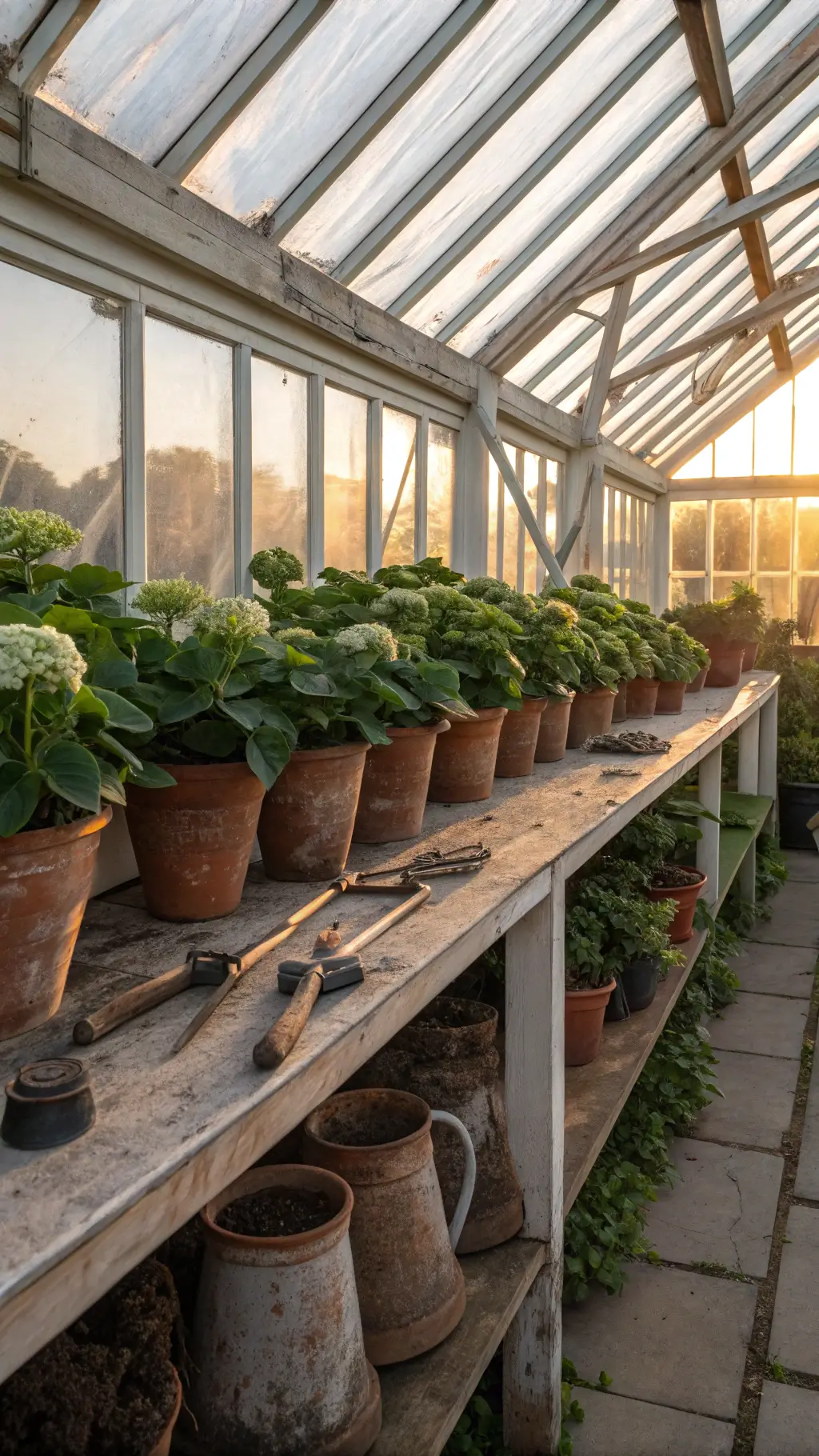
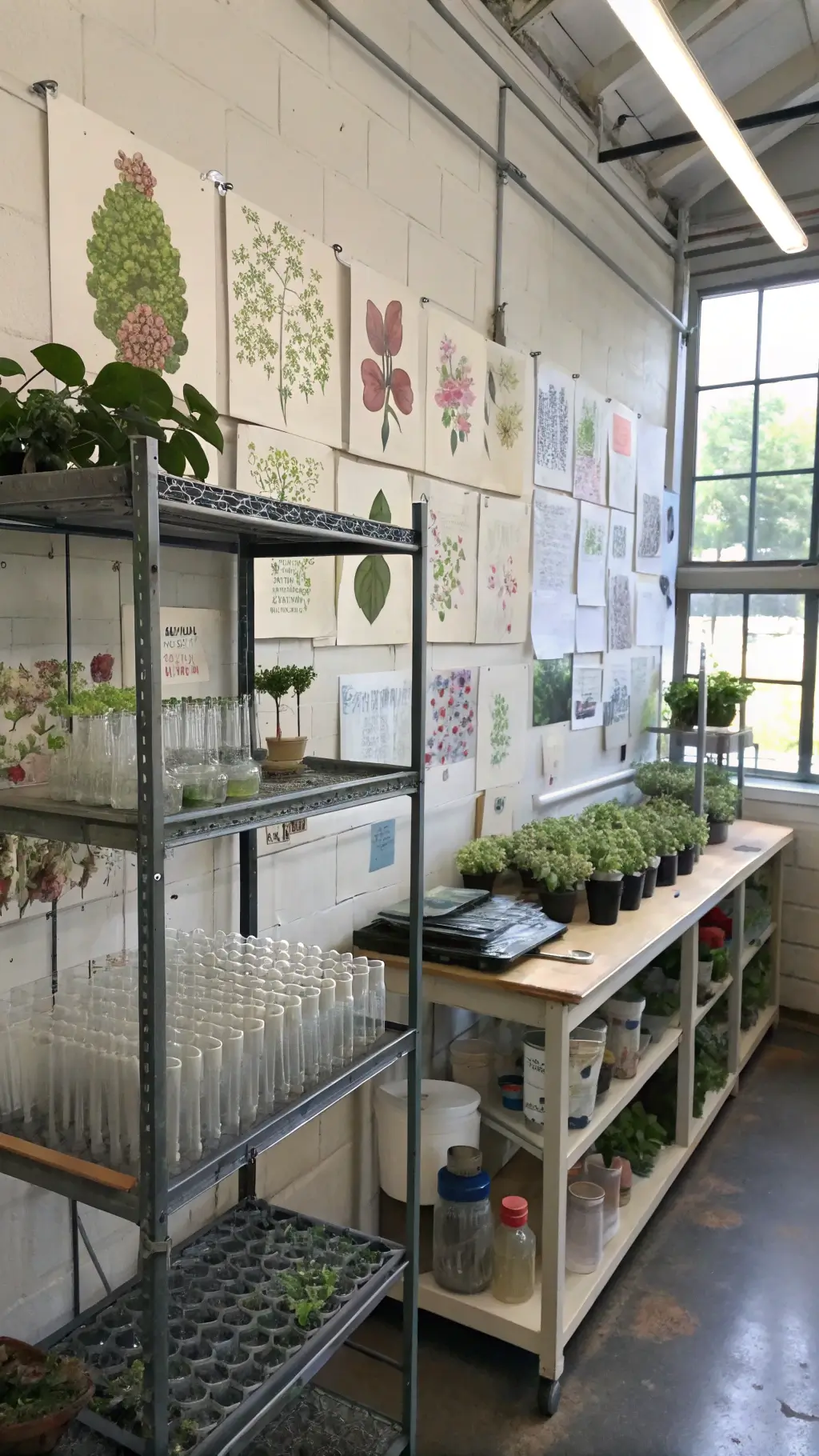
Want the deeper dive? Our How To Plant Spider Plant Babies covers it.
Step-by-Step Hydrangea Cutting Mastery
Here’s the straight talk on this one.
1. Choosing the Perfect Cutting
- Hunt for healthy stems with new growth
- Avoid stems with flower buds
- Morning is the best time to take cuttings (plants are most hydrated)
2. The Perfect Cut
Cutting Technique: Planting Your Future Hydrangea Planting Pro Tips: Use well-draining potting mix Create small holes with a pencil Insert cuttings so 1-2 leaf nodes are underground Water gently to settle soil Creating the Ultimate Rooting Environment The Mini Greenhouse Trick Place cuttings in clear plastic bag or container Use sticks to keep plastic from touching leaves Position in a warm spot with bright, indirect light Mist occasionally to maintain humidity Rooting and Care: The Waiting Game What to Expect: Roots typically develop in 2-4 weeks Check root progress by gently tugging cutting Maintain consistent moisture Open the bag briefly every few days for air circulation Transplanting Success Gradually remove plastic covering over a week Transplant when new leaf growth appears Move to larger pots or garden Pro Warnings and Wisdom Only propagate unpatented hydrangea varieties Not all cuttings will succeed – that’s okay! Practice makes perfect Bonus Tip: Track your success rate.
- Slice 4-6 inch sections from stem tips
- Cut just below a leaf node
- Remove lower leaves , keeping 2-4 top leaves
- Optional but recommended: Dip cut end in rooting hormone
3. Planting Your Future Hydrangea
Planting Pro Tips: Creating the Ultimate Rooting Environment The Mini Greenhouse Trick Place cuttings in clear plastic bag or container Use sticks to keep plastic from touching leaves Position in a warm spot with bright, indirect light Mist occasionally to maintain humidity Rooting and Care: The Waiting Game What to Expect: Roots typically develop in 2-4 weeks Check root progress by gently tugging cutting Maintain consistent moisture Open the bag briefly every few days for air circulation Transplanting Success Gradually remove plastic covering over a week Transplant when new leaf growth appears Move to larger pots or garden Pro Warnings and Wisdom Only propagate unpatented hydrangea varieties Not all cuttings will succeed – that’s okay! Practice makes perfect Bonus Tip: Track your success rate.
- Use well-draining potting mix
- Create small holes with a pencil
- Insert cuttings so 1-2 leaf nodes are underground
- Water gently to settle soil
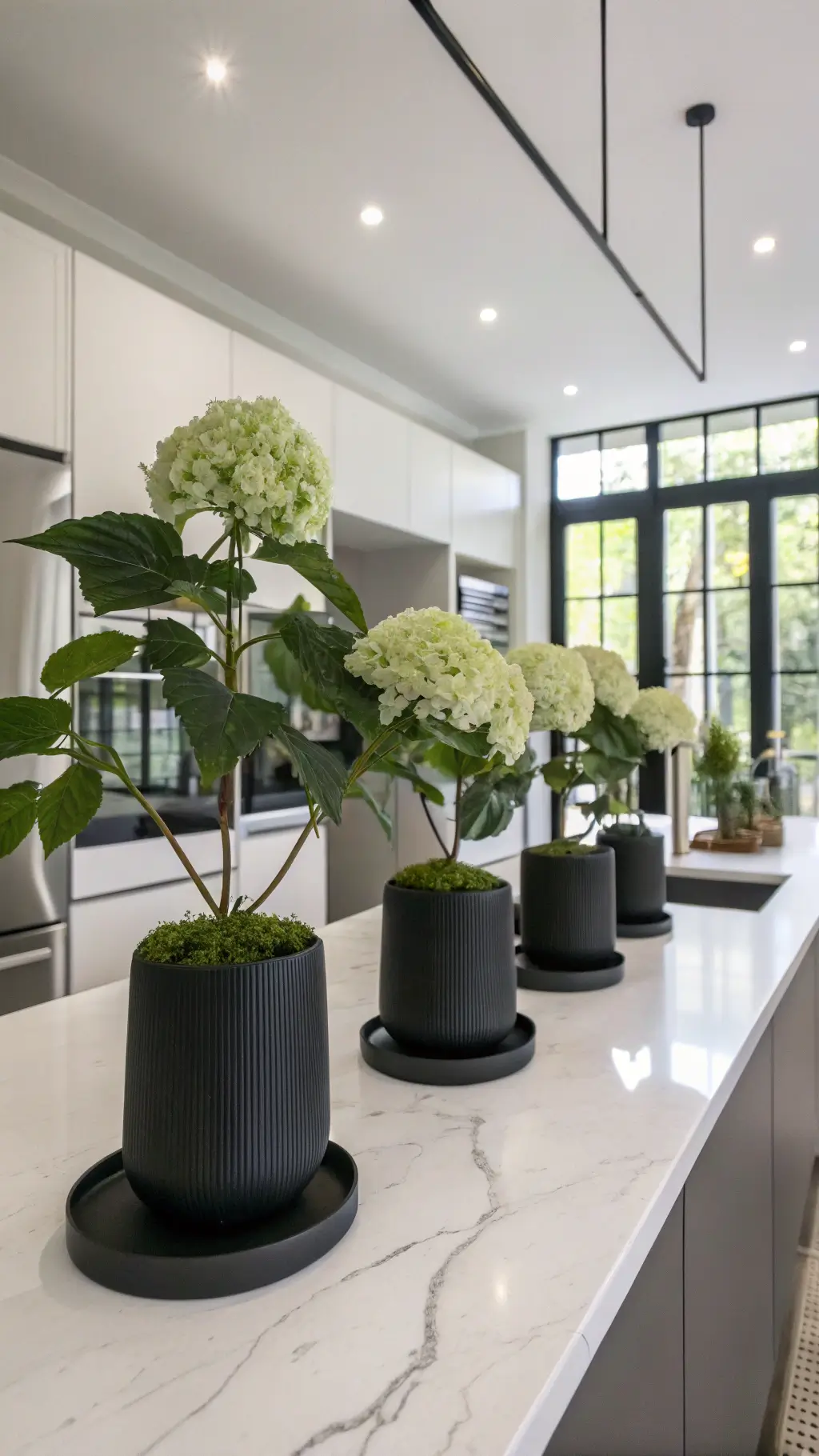
Want the deeper dive? Our healthy stems with new growth covers it.
Creating the Ultimate Rooting Environment
Turning a regular plant into a bonsai is equal parts patience and nerve.
The Mini Greenhouse Trick
Rooting and Care: The Waiting Game What to Expect: Roots typically develop in 2-4 weeks Check root progress by gently tugging cutting Maintain consistent moisture Open the bag briefly every few days for air circulation Transplanting Success Gradually remove plastic covering over a week Transplant when new leaf growth appears Move to larger pots or garden Pro Warnings and Wisdom Only propagate unpatented hydrangea varieties Not all cuttings will succeed – that’s okay! Practice makes perfect Bonus Tip: Track your success rate. Each failed cutting is a learning opportunity!
- Place cuttings in clear plastic bag or container
- Use sticks to keep plastic from touching leaves
- Position in a warm spot with bright, indirect light
- Mist occasionally to maintain humidity
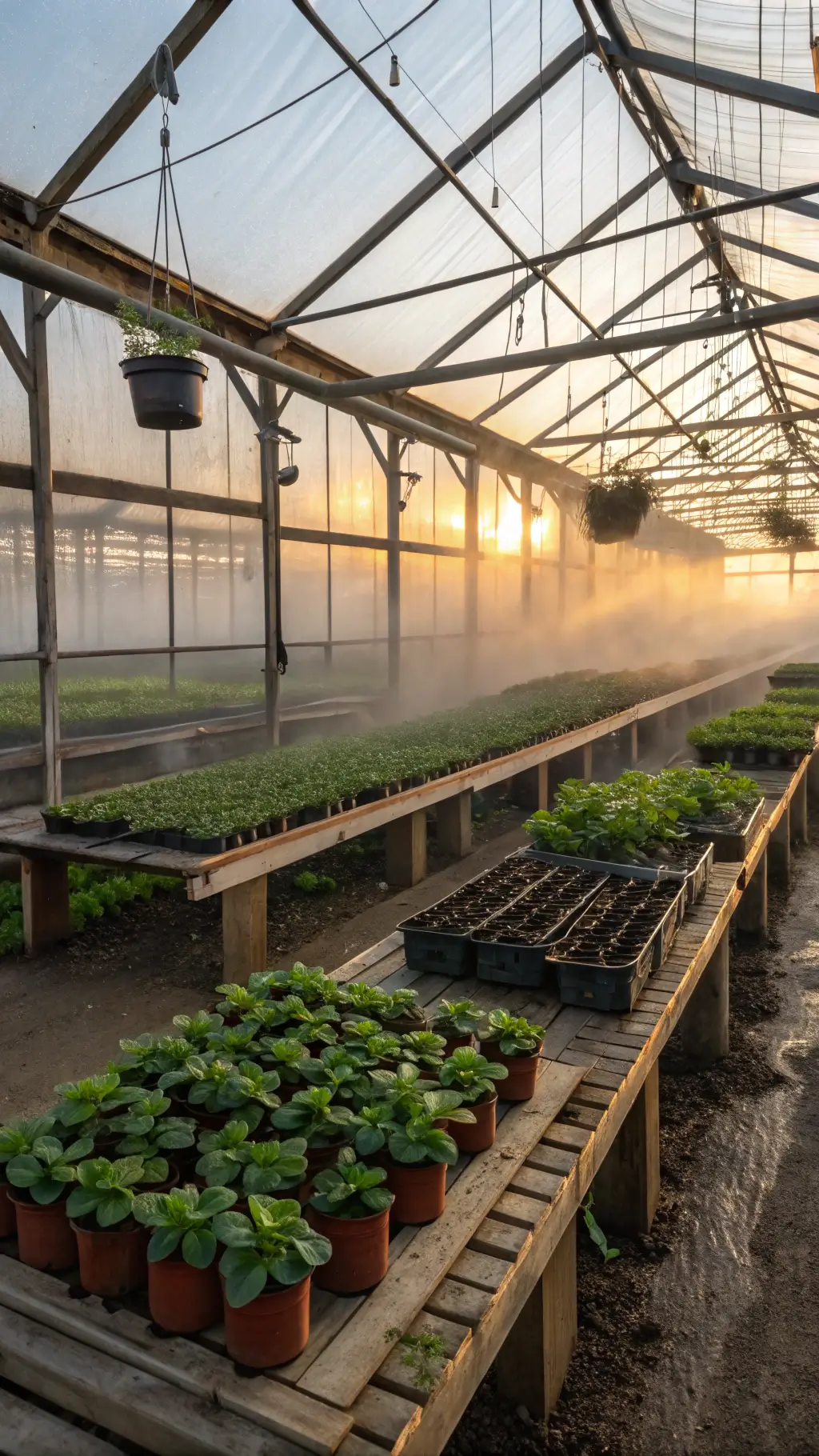
Want the deeper dive? Our How To Repot A Large Philodendron covers it.
Rooting and Care: The Waiting Game
The day-to-day rhythm is simpler than the guides make it sound.
What to Expect:
- Roots typically develop in 2-4 weeks
- Check root progress by gently tugging cutting
- Maintain consistent moisture
- Open the bag briefly every few days for air circulation
Transplanting Success
Pro Warnings and Wisdom Only propagate unpatented hydrangea varieties Not all cuttings will succeed – that’s okay! Practice makes perfect Bonus Tip: Track your success rate. Each failed cutting is a learning opportunity!
- Gradually remove plastic covering over a week
- Transplant when new leaf growth appears
- Move to larger pots or garden
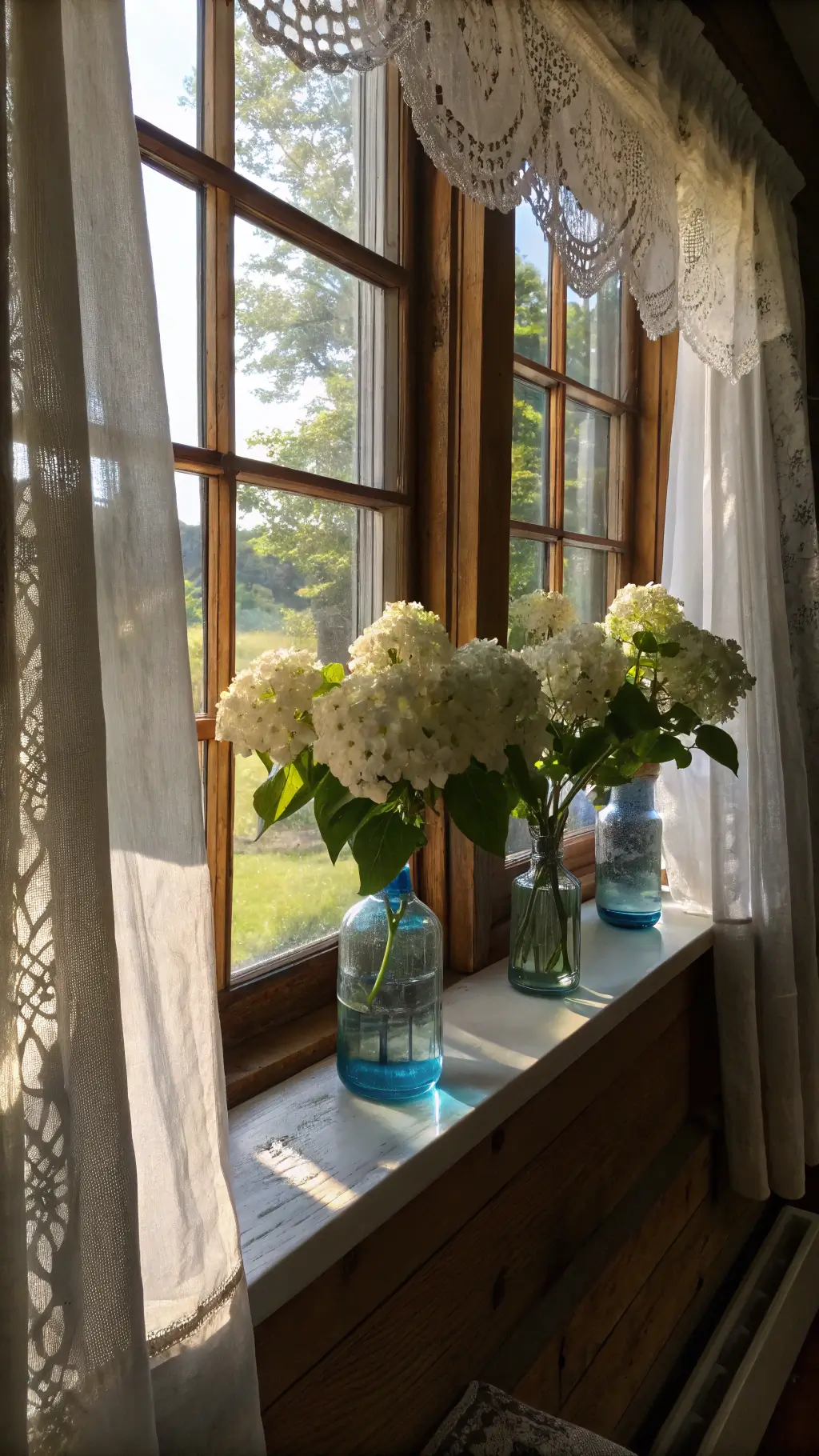
Want the deeper dive? Our Planting Pro Tips: covers it.
Pro Warnings and Wisdom
A few insider moves that separate the pros from the guessing.
Bonus Tip: Track your success rate. Each failed cutting is a learning opportunity! Late spring cuttings root fastest if you keep the soil moist and out of direct sun. Once you see new growth, transplant into ordinary garden soil and water regularly.
- Only propagate unpatented hydrangea varieties
- Not all cuttings will succeed – that’s okay!
- Practice makes perfect
Conclusion
The Why Propagate Hydrangeas? The Magic of Free Plants! rewards a little attention with a lot of personality. Nail the basics and you’ll both be happy.
Give it a shot!