
Hey there, fellow plant enthusiasts!
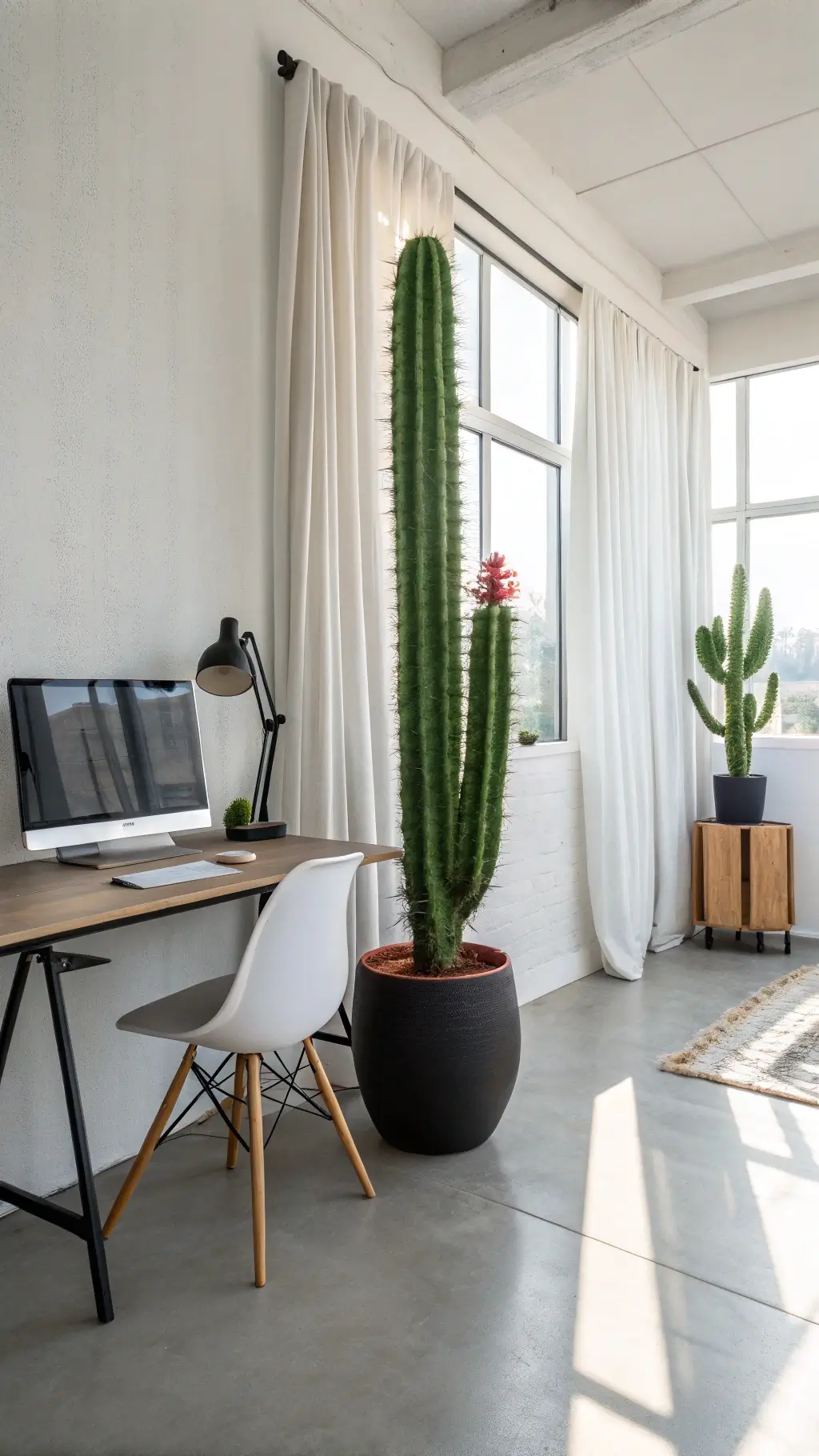
My red torch cactus was a gift from a friend who grew tired of its slow growth. I placed it in a south-facing window and within two years it had produced a second stem and bloomed with bright red tubular flowers.

Red torch cactus needs full sun and a cactus mix with excellent drainage. Water regularly during summer growth, but keep it dry and cool in winter to encourage flowering.
Why You’ll Love This Cactus
Listen, I get it. You might be thinking, “Another cactus? Really?” But trust me, when you see those fiery red blooms against the crisp green columns, you’ll understand why this one’s different.
The Basics: What Makes It Special
I remember the first time I saw my Red Torch Cactus bloom – it was like having fireworks in my garden! Here’s what makes it unique:
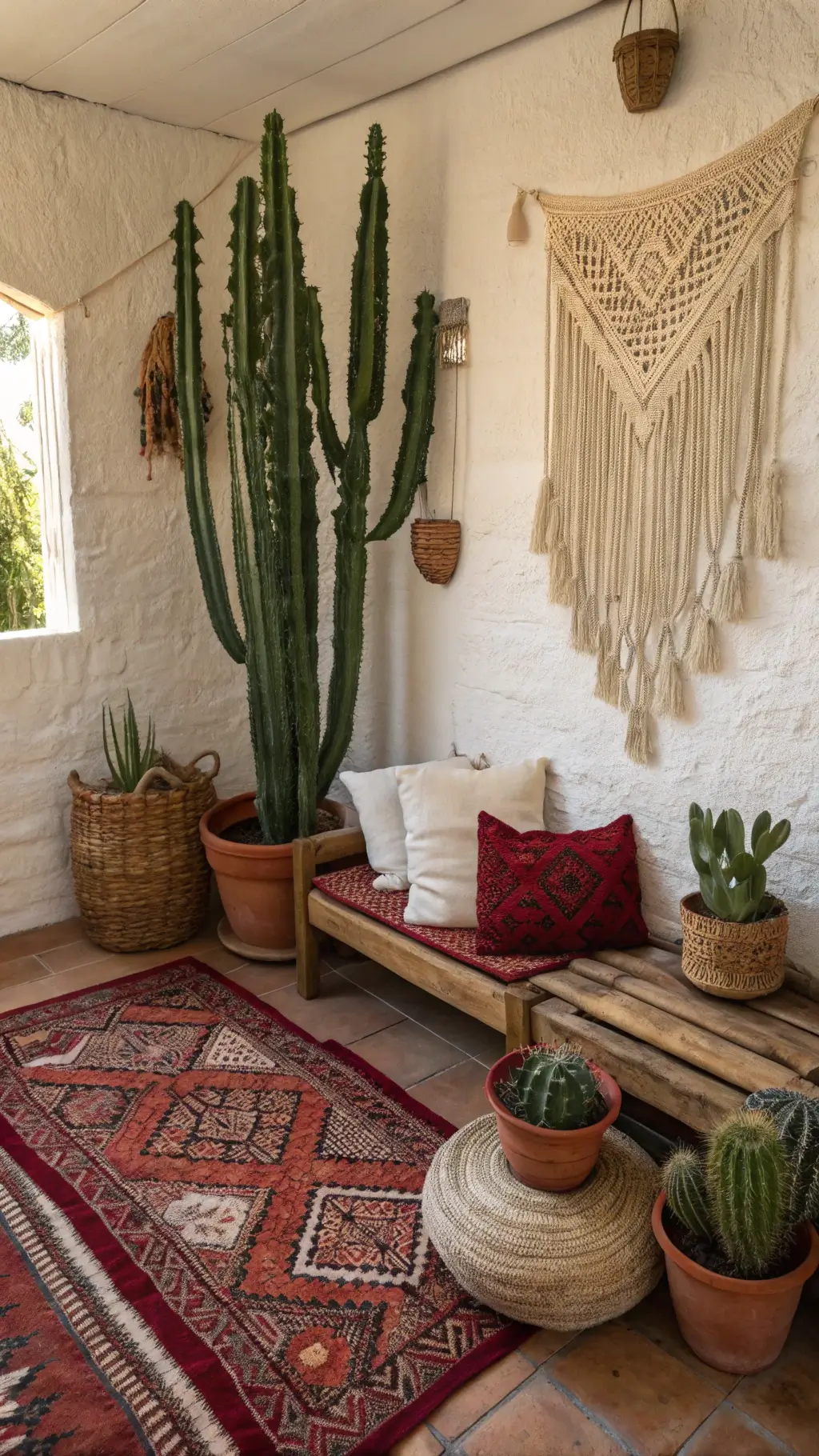
- Tall, elegant columns reaching 2-3 feet
- Stunning 4-inch flowers that’ll stop traffic
- Surprisingly easy to care for (perfect for beginners!)
Getting the Growing Conditions Right
Let me share a secret – this cactus is pretty forgiving, but there are some non-negotiables:
Light
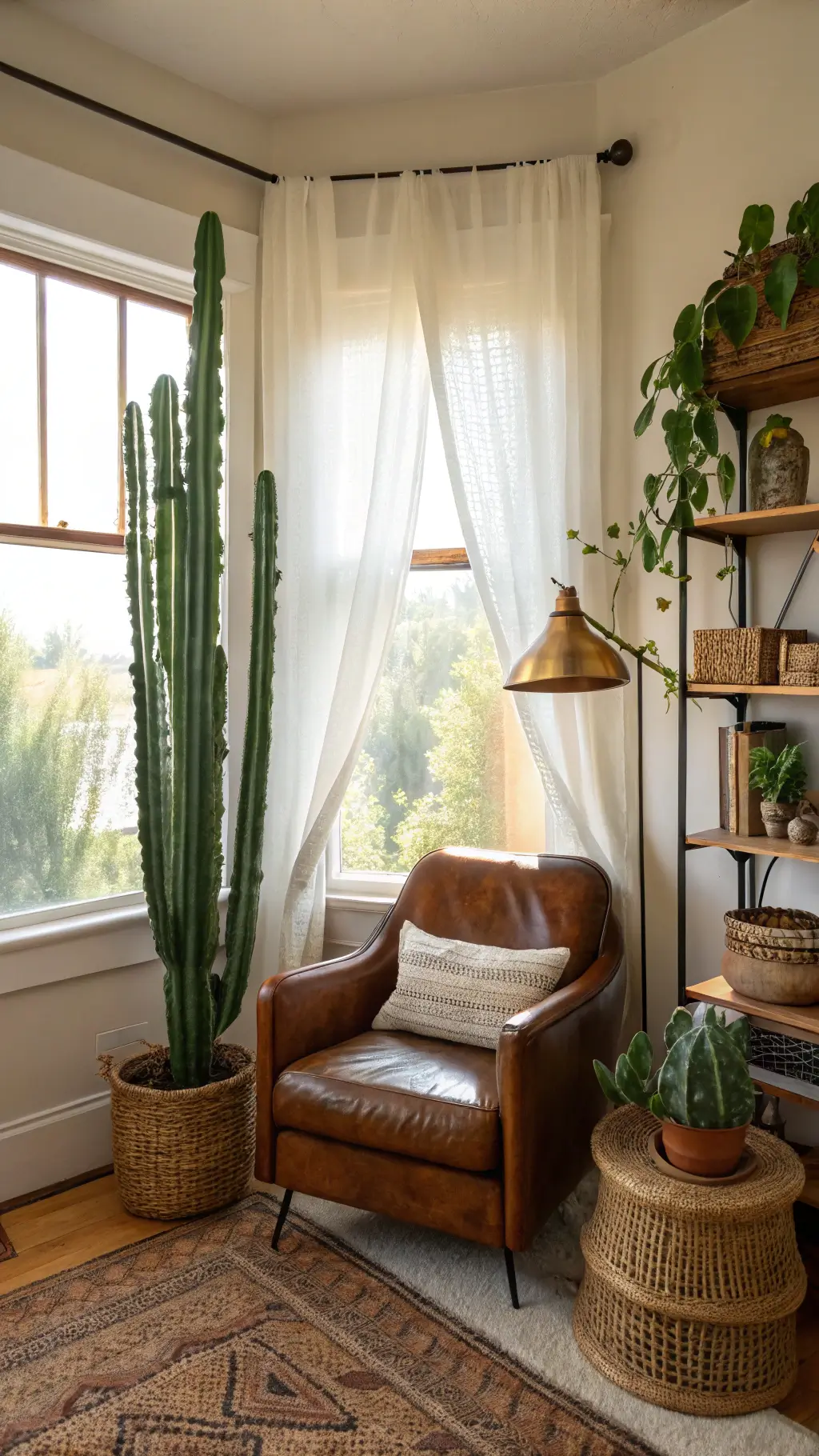
- Full sun is best (think desert conditions)
- At least 6 hours of direct sunlight daily
- Southern exposure if growing indoors
Soil & Water
I learned this the hard way – proper drainage is everything!
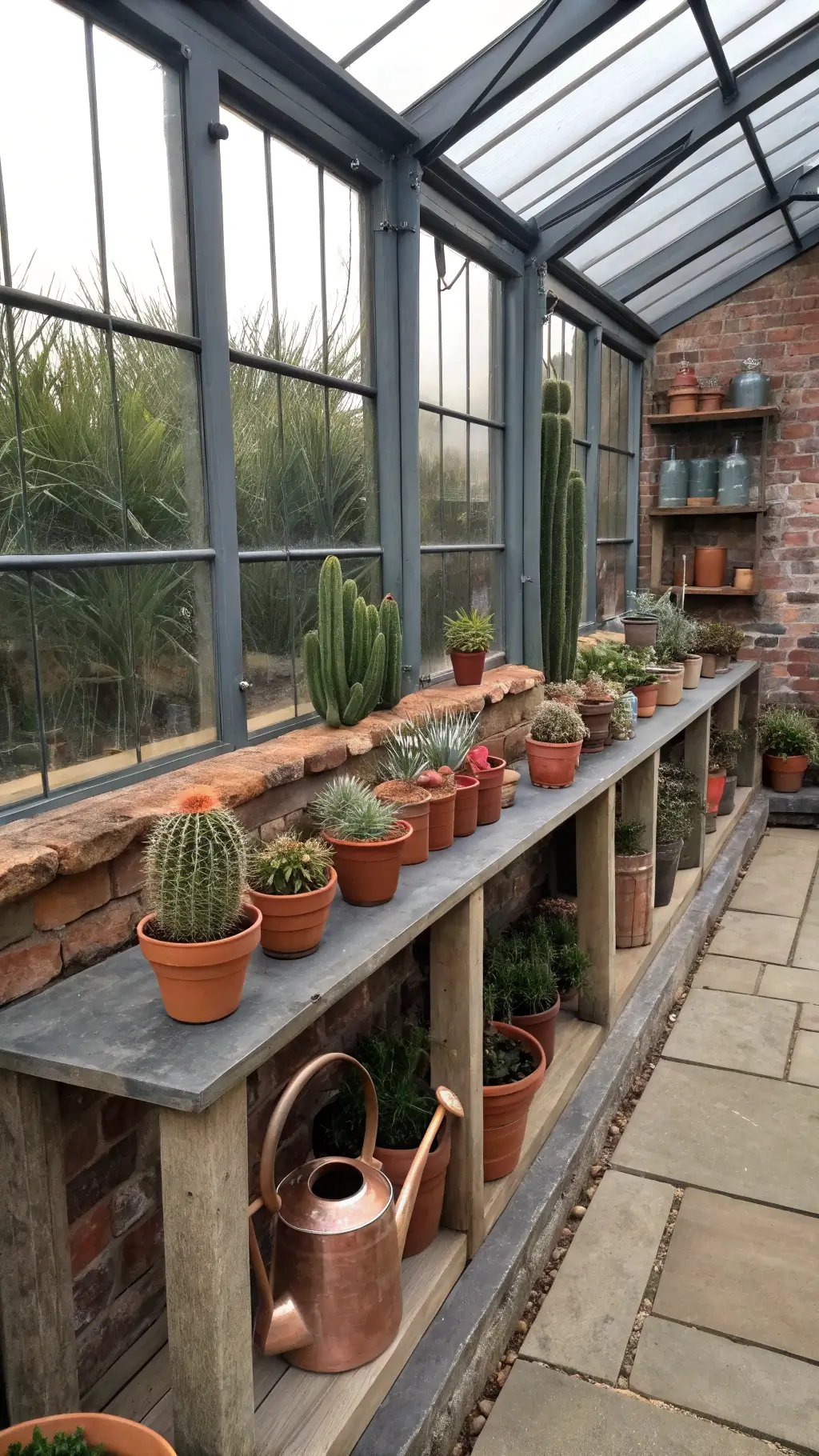
- Use cactus-specific potting mix
- Add extra perlite for better drainage
- Water only when soil is completely dry
- Cut back watering in winter
Temperature & Climate
Here’s what I’ve found works best:
- Ideal zones: 8-11
- Protect from frost
- Can handle brief cold snaps
- Perfect for indoor growing in colder regions
Flowering Magic
Want those showstopping blooms? Here’s my tried-and-true timing guide:
- Peak blooming: Midwinter to early spring
- Flowers last several days
- Colors range from fierce red to gentle pink
- Bonus: They attract hummingbirds!
Common Problems (And How to Fix Them)
After years of growing these beauties, here are the issues I’ve encountered:
- Yellow stems = too much water
- No blooms = insufficient light
- Soft spots = potential rot (reduce watering immediately)
Pro Tips from My Garden to Yours
- 🌵 Rotate your pot monthly for even growth
- 🌵 Feed with diluted cactus fertilizer during growing season
- 🌵 Place in terra cotta pots for better moisture control
Remember: patience is key with these slow-growers, but the wait is worth it when those dramatic blooms appear!
Quick Safety Note
While beautiful, keep this cactus away from curious pets and kids – those spines mean business!

There you have it, friends!
Red torch cactus needs full sun and a cactus mix with excellent drainage. Water regularly during summer growth, but keep it dry and cool in winter to encourage flowering.