
An Introduction to Threadleaf Agave
I found a threadleaf agave at a specialty nursery where the narrow, fibrous leaves were edged with curling white threads. The texture is unlike any other agave, and the threads catch light so the plant shimmers.
A good <twin flowered agave> option fits this plant well.
Whether you’re designing a modern garden or dressing up a container, the threadleaf agave is stylish yet resilient. Its knack for different environments makes it a designer favorite.
This guide walks from its history to hands-on care. I’ll share growing tricks and cultural notes so you can make the most of it.
Historical & Cultural Background
In many cultures the threadleaf agave stands for resilience and endurance. Historically it fed traditional medicine, rituals, and fiber use. That versatility made it cherished across societies.
Distinctive Aesthetic Features
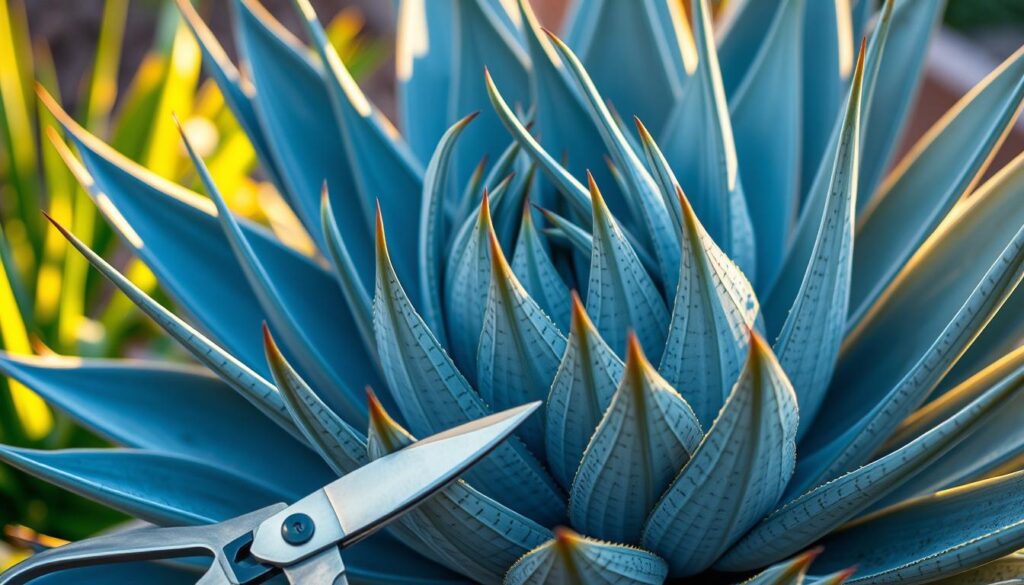
It shows mid-green to dark-green foliage, often with bronzy tints. The real showstopper is the white filaments along the leaf edges, adding delicate texture to a robust plant. Symmetrical growth and a sharp tip make it a garden standout.
| Feature | Description |
|---|---|
| Color | Mid-green, bronzy, or dark-green |
| Foliage | Robust with white filaments on margins |
| Growth Form | Symmetrical with a striking tip |
Culturally it’s a symbol of strength, and its fiber and medicinal uses made it a garden staple worldwide.
Selecting the Ideal Location and Soil Preparation
Choosing the spot and prepping soil are the first wins for this succulent.
Benefits of Full Sun Exposure
Full sun drives healthy growth and vivid color. I give at least six hours of direct sun daily so the leaves develop those bronzy hues and stay robust.
Optimizing Soil and Drainage Conditions
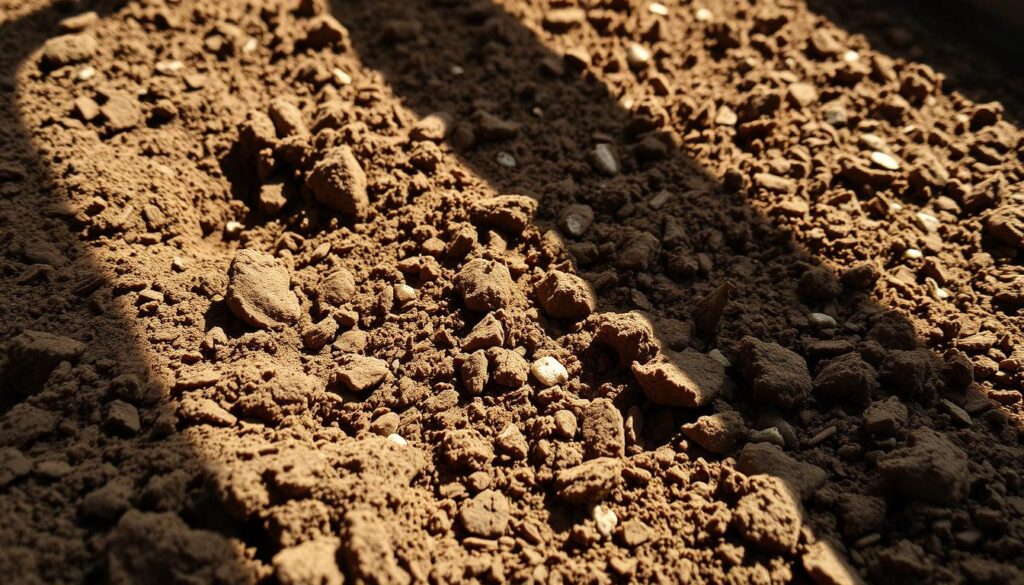
Soil must drain. A sandy or rocky mix with pH 6.0-7.0 works; I add compost for drainage while keeping acidity right. Good drainage prevents the root rot that common issue in poorly ventilated soils invites.
Containers give you control over soil and drainage and let you chase the light. Either way, steady sun and prepped soil manage water and build resilience.
Planting Techniques and Watering Guidelines
Planting is the fun step. Follow these and it thrives.
Step-by-Step Planting Process
Pick a full-sun, well-draining spot. Ease the plant out without damaging roots. Set it so the crown stays above soil, spacing plants 2-3 feet apart.
| Aspect | Guideline |
|---|---|
| Soil Preparation | Ensure soil is well-draining, ideally with a pH between 6.0 and 7.0. |
| Spacing | Plant 2 to 3 feet apart to accommodate mature size. |
| Crown Position | Keep the crown above ground to avoid rot. |
Watering Best Practices for Low Water Needs
Water only when soil is fully dry, especially in winter. Overwatering means rot, so I check to the knuckle first.
Those guidelines keep it beautiful and resilient.
Essential Threadleaf Agave Care: Fertilizing and Pruning
A balanced approach to feeding and pruning makes the difference.
Fertilizing Schedule Recommendations
I use a low-nitrogen, slow-release fertilizer in early spring and again mid-summer. That feeds color and structure without overload.
| Season | Fertilizer Application |
|---|---|
| Early Spring | Low-nitrogen, slow-release fertilizer |
| Mid-Summer | Second application of the same fertilizer |
Effective Pruning Methods for Healthy Growth
Pruning clears dead or damaged parts. I cut cleanly near the base to avoid harm and encourage new growth. In winter I ease off and let it rest.
Those steps keep it elegant and resilient.
Propagation Techniques: Seeds and Offsets
Expanding the collection is rewarding. Two solid methods here.
Seed Propagation Process
Collect ripe dry seeds, sow on sandy well-draining mix, keep warm with indirect light and lightly moist soil. Germination runs 1-3 months.
Offset Separation and Replanting
Offsets grow at the base. Slice cleanly with a sharp knife, let the pup dry a day to callus, replant in gritty soil with the crown above ground, water sparingly. Spring is ideal.
Both methods grow more of these succulents for your garden.
Unraveling the Lifecycle and Size of Threadleaf Agave
Knowing the lifecycle helps you plan care.
Growth Stages and Timeline
It starts with germination (1-3 months), then seedlings, then maturity, then a flower spike. The whole arc spans years.
Mature Dimensions and Foliage Variability
At maturity it reaches about 2 feet tall and 2-3 feet wide, compact yet striking. Foliage shifts red under water stress. The flower spike can hit 8 feet in some cultivars.
| Growth Stage | Description | Timeline |
|---|---|---|
| Germination | Seed begins to sprout | 1-3 months |
| Seedling | First leaves appear | 6-12 months |
| Maturity | Full size achieved | 5-10 years |
| Flowering | Flower spike emerges | 10+ years |
Those stages help you plan and care for it year to year.
Understanding Roots, Common Problems, and Disease Prevention
Root health is the quiet hero of beauty and survival.
Healthy Root Characteristics
Healthy roots are fibrous, firm, and light in color, soaking up moisture efficiently. They rot fast in wet soil, so drainage is everything.
Identifying and Solving Growth Issues
Root rot comes from overwatering or poor drainage. Dark mushy roots or yellowing leaves are the tell. Repot in fresh soil and cut water to recover.
Regular checks and fast action save the plant.
Pest Management, Toxicity, and Companion Planting
Care is more than water and food. Pests, toxicity, and companion plants matter too.
Managing Pest Infestations and Bugs
Spider mites and mealybugs target it; watch for webbing or cottony patches. Neem oil or insecticidal soap early is the fix.
Toxicity Considerations for Pets and Humans
The sap irritates skin and upsets pets and kids if eaten. Handle with care and keep it out of reach.
Selecting Ideal Companion Plants for Your Garden
Desert marigold and red yucca complement it, share its conditions, and help deter pests naturally. That synergy builds a healthier desert bed.
Final Reflections on a Vibrant Agave Journey
This plant brought constant joy to my garden, from its architecture to its resilience. Proper care, full sun and gritty soil, is the secret.
Propagation, by seed or offset, is the most rewarding part. Try companion planting too, it boosts beauty and health. Give it a shot.
The Bottom Line
Threadleaf agave needs intense sun and excellent-draining soil. Water deeply in summer and let it stay dry through winter. It shimmers like nothing else, give it a shot.