
Understanding the Origins and Unique Benefits of the ZZ Plant
I moved my ZZ plant from a humid bathroom to a dry office and noticed no change in growth. Its tolerance for low humidity and temperature swings makes it one of the few plants I’d trust by a drafty winter window.
The ZZ plant’s glossy foliage and robust growth with minimal care prove its resilience. This article covers ideal climate, temperature, humidity, watering, and soil, plus troubleshooting and seasonal tweaks.
Natural History and African Origins
The ZZ plant, Zamioculcas zamiifolia, hails from Kenya to South Africa in the Araceae family alongside peace lilies. In the wild it grows in shade with little water, building its hardy nature.
Why I Fell in Love with the ZZ Plant
I fell for its glossy leaves and cycad-like look. It propagates from fallen leaflets, and while it survives a closet, it shines in indirect light, ideal for beginners.
- Origin: Africa (Kenya to South Africa)
- Scientific Name: Zamioculcas zamiifolia
- Family: Araceae
- Propagation: From fallen leaflets
- Light Preference: Indirect light
Essential Climate Conditions for Optimal ZZ Plant Growth
Balancing temperature, humidity, and light keeps the ZZ plant healthy.
Temperature and Humidity Guidelines
Ideal temperature is 60-75°F with steady temps. Humidity around 40-50% prevents leaf browning.
Light Conditions and Indoor Settings
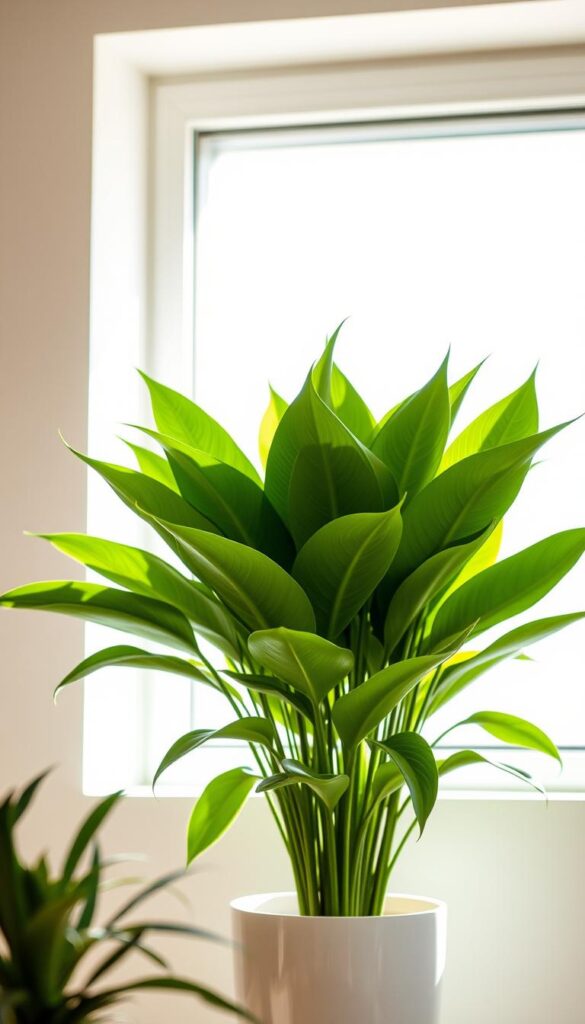
Place it in indirect light to avoid scorching. That supports healthy growth without direct sun.
| Characteristic | Details |
|---|---|
| Origin | Africa (Kenya to South Africa) |
| Scientific Name | Zamioculcas zamiifolia |
| Family | Araceae |
| Propagation | From fallen leaflets |
| Light Preference | Indirect light |
Controlled watering prevents root issues; well-draining soil balances moisture. Rhizomes store water for dry spells.
zz plant climate needs: Creating the Ideal Home Environment
The right room and window placement make a real difference. Moving mine from a foyer to a north window boosted growth and greened the leaves.
Selecting the Best Room and Window Placement
Pick a room with bright indirect light. A north- or east-facing window gives gentle light without harsh sun. My north-window move improved health fast.
Balancing Watering Schedules with Soil Dryness
Let soil dry between waterings. I check to the first knuckle; dry means go. More water in spring and summer, less in fall and winter.
Right placement and watering make it thrive.
Practical Tips for Watering and Soil Care
Watering and soil care prevent root rot.
Effective Watering Techniques to Prevent Root Rot
- Water sparingly, soil dry completely between
- Use a well-draining potting mix
Root rot shows as yellowing leaves or a soft stem. Stop watering until soil dries if you see it.
Choosing Well-Draining Soil and Pot Recommendations
A pot with drainage holes lets excess escape. I add perlite for drainage.
| Factor | Recommendation |
|---|---|
| Temperature | 60-75°F |
| Humidity | 40-50% |
| Light | Indirect light |
Caring for Your ZZ Plant Throughout the Year
Seasonal tweaks keep it healthy all year.
Seasonal Adjustments from Spring to Winter
Growing season (spring to early fall): water about weekly, fertilize monthly. Fall: ease to every 2-3 weeks. Winter: about monthly, no fertilizer.
- Spring/Summer: weekly water, monthly fertilizer
- Fall: every 2-3 weeks
- Winter: about monthly, no feed
Repot every 2-3 years in spring. Balanced care keeps it resilient.
Troubleshooting Common ZZ Plant Challenges
Every plant parent hits snags. Catch them early.
Identifying Overwatering and Underwatering Symptoms
Yellow leaves or droopy stem means too much water, stop until dry. Crispy leaves mean too little, bump water slightly.
Managing Pests and Leaf Health Issues
Spider mites or mealybugs? Insecticidal soap or neem oil. Too much sun browns leaves, too little weakens growth; indirect light is the answer.
Final Thoughts on Nurturing Your Resilient Houseplant
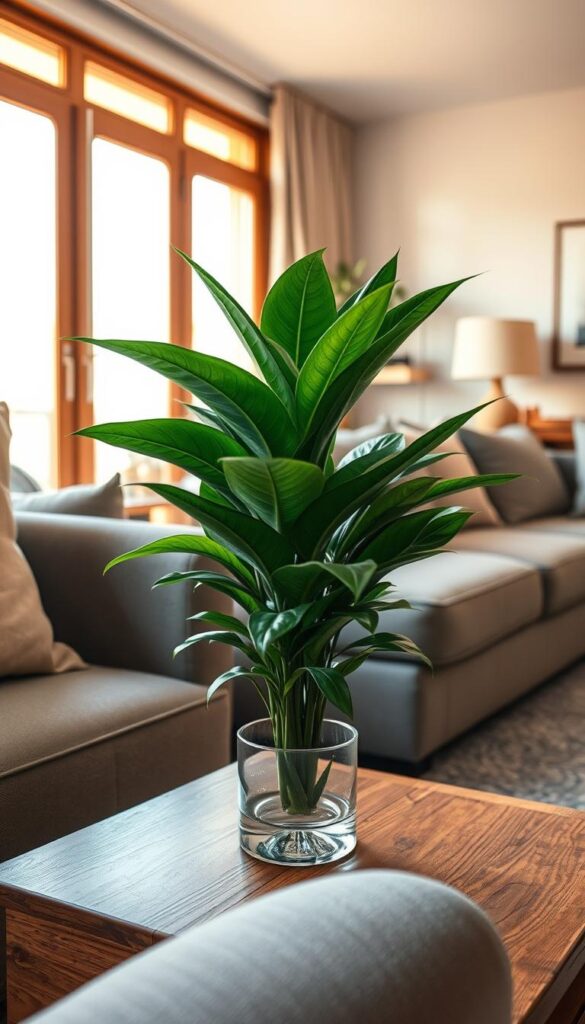
This resilient houseplant became a cornerstone of my space. The rhizome stores water, letting it survive tough conditions, and it adapts from low-light corners to brighter spots.
fascination with the ZZ plant began when I discovered how tough it is, and indoor growers will love its ease.
The Bottom Line
ZZ plants tolerate normal household temperatures and low humidity. They prefer 60-75°F but survive brief dips, and need no extra humidity. Practically unkillable, give one a shot. 🙂