
I used regular garden soil for my first houseplants and watched them sit wet for weeks. Switching to potting soil, perlite, and orchid bark fixed drainage, and they took off within a month.
Not all soils are equal. Potting soil balances air, water, and nutrients; garden soil is dense and waterlogs pots. Healthy roots start with the right medium.
A great mix holds just enough water, drains the rest, and feeds the plant. The best part? You can craft your own. This guide covers selecting or building the ideal soil. More on indoor care.
Unpacking the Importance of Quality Indoor Soil
The soil you choose is the foundation of healthy growth. A well-crafted mix ensures aeration, retention, and nutrients so roots flourish.
What Indoor Houseplants Need
Plants need a balance of air, water, and nutrients. Bad structure leads to rot or mold. Get the mix right and roots breathe.
| Characteristic | High-Quality Potting Mix | Regular Soil |
|---|---|---|
| Aeration | Excellent, promotes root health | Limited, can be dense | Water Retention | Optimal, prevents waterlogging | Often poor, may waterlog | Nutrient Content | Rich in essential nutrients | May lack necessary nutrients |
Air, Water, Nutrient Essentials
Experts stress aeration to avoid waterlogging. Overwatering and dense soil are the usual culprits. More for succulents specifically.
Role of Soil Structure
Good structure lets roots breathe and sip moisture. It should hold nutrients, too. Understand this and picking mix gets easy.
| Ingredient | Benefits | Recommended Amount |
|---|---|---|
| Compost | Rich in nutrients, improves soil fertility | 20-30% |
| Peat Moss | Retains moisture, acidic pH | 30-40% |
| Coco Coir | Excellent drainage, water retention | 20-30% |
| Perlite/Sand | Enhances drainage, prevents waterlogging | 10-20% |
| Type of Soil | Organic Potting Soil | Synthetic Potting Soil |
|---|---|---|
| Pros | Natural nutrients, eco-friendly, supports healthy root growth | Consistent quality, better drainage, cost-effective |
| Cons | May require more frequent watering, variable quality | Lacks natural nutrients, less sustainable |
What Defines High-Quality Potting Soil?
What makes potting soil high-quality? Let’s break it down.
Soil vs Potting Soil vs Mix
Garden soil is too dense. Potting soil is usually soil-less (peat, perlite) and made for indoors. Mix adds amendments for delivery. Both prevent the wet feet that kill cactus or a vibrant succulent.
Essential Ingredients
Peat moss and coco coir are staples – moisture without sog. Perlite adds drainage, bark adds structure, compost feeds. Together they support vitality.
Crafting Your Own Custom Soil
DIY lets you match each plant. Gather compost, peat, coir; add perlite or sand for cacti; worm compost for richness.
Benefits and Considerations
Organic potting soil is eco-friendly and nutrient-rich, cutting fertilizer needs. Weigh drainage, retention, and ease. Experiment – let the plant decide. Bonsai fans know this tuning game well.
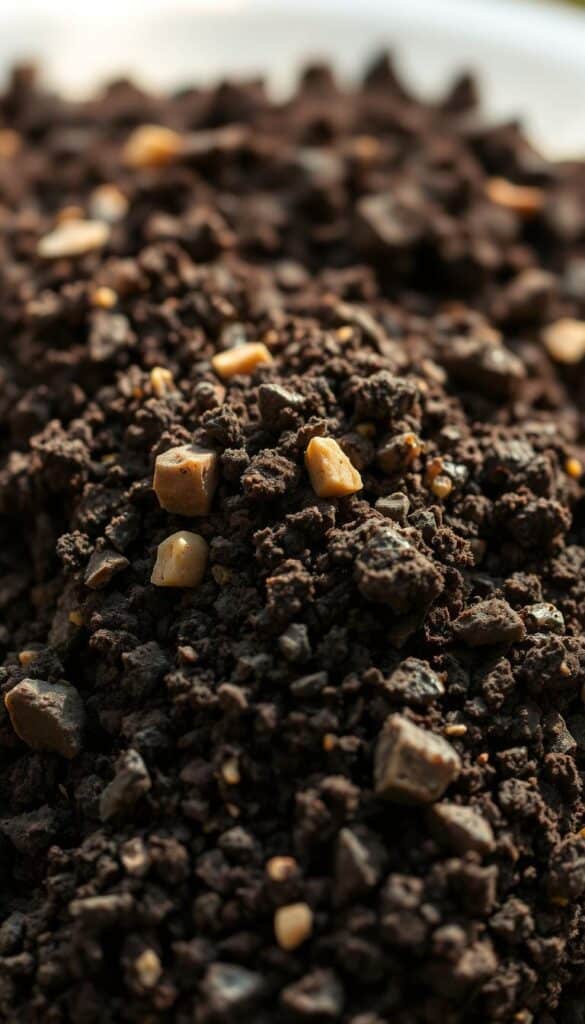
| Ingredient | Benefits | Recommended Use |
|---|---|---|
| Peat Moss | Retains moisture, prevents waterlogging | Orchids and moisture-loving plants |
| Perlite | Improves drainage, prevents root rot | All indoor plants needing better aeration |
| Organic Compost | Enriches soil with nutrients | Plants requiring nutrient-rich soil |
| Ingredient | Benefits |
|---|---|
| Wood Products | Improve drainage and aeration |
| Sphagnum Peat Moss | Retains moisture without waterlogging |
| Sand | Enhances drainage and prevents root rot |
Enhancing Your Potting Mix
Small tweaks make a big difference.
Drainage and Moisture
Peat keeps moisture without sog; perlite or sand drains. Balance prevents rot. Orchids especially love this combo.
Mixes for Succulents and Cacti
These want well-draining soil that never pools. Wood products, sphagnum peat, and sand do the job. Compost adds food, but keep the balance. Match to need and they thrive.
Cultivating Orchids
Orchids need epiphytic mixes – fir bark, sphagnum, perlite. Water sparingly; let it dry between. Skip outdoor mixes indoors; they hold too much. See our monstera piece for tropical tuning.
| Ingredient | Benefits | Recommended Use |
|---|---|---|
| Moss | Retains moisture, prevents waterlogging | Tropical plants needing consistent humidity |
| Perlite | Improves drainage, prevents root rot | All tropical plants for better aeration |
| Organic Compost | Enriches soil with nutrients | Plants requiring nutrient-rich soil |
| Ingredient | Benefits | Recommended Use |
|---|---|---|
| Pumice | Improves drainage, prevents waterlogging | Bonsai trees |
| Sand | Enhances drainage, prevents root rot | Citrus plants |
| Coco Coir | Retains moisture, ensures proper aeration | Both bonsai and citrus |
| Material | Benefits | Best For |
|---|---|---|
| Glass Beads | Enhances drainage, retains moisture, adds color | Modern, minimalist designs |
| Lava Rocks | Improves aeration, prevents root rot | Plants needing excellent drainage |
| Marble Chips | Controls moisture loss, stylish appearance | Ornamental garden displays |
| Coco Coir | Retains moisture, eco-friendly | Monstera and tropical plants |
Optimizing for Tropicals, Bonsai, and Citrus
Tropicals need water retention plus drainage. Moss and perlite nail it. Bonsai likes pumice and lava rock; citrus likes sand. Coco coir keeps balance. Amend thoughtfully – a little compost, a little perlite.
Decorative Soil Covers
Glass beads, lava rock, marble chips, or coco coir top dressers add style and help moisture. Layer thinly so roots breathe. Match the look to the plant.
Organic vs Synthetic
Organic feeds slow and supports microbes. Synthetic gives quick, consistent drainage – handy for palms. Choose by need, not hype.
Amending Pre-Mixed Soils
Even good bags benefit from tweaks. Add coco coir for moisture lovers; perlite or sand for dry-lovers like cacti. Assess the plant, adjust, repeat.
Expert Potting Tips
Check water by finger to the first knuckle. For monstera, succulent mix needs perlite or sand. If struggling, check the pot bottom for waterlog and repot. Experiment – every plant differs.
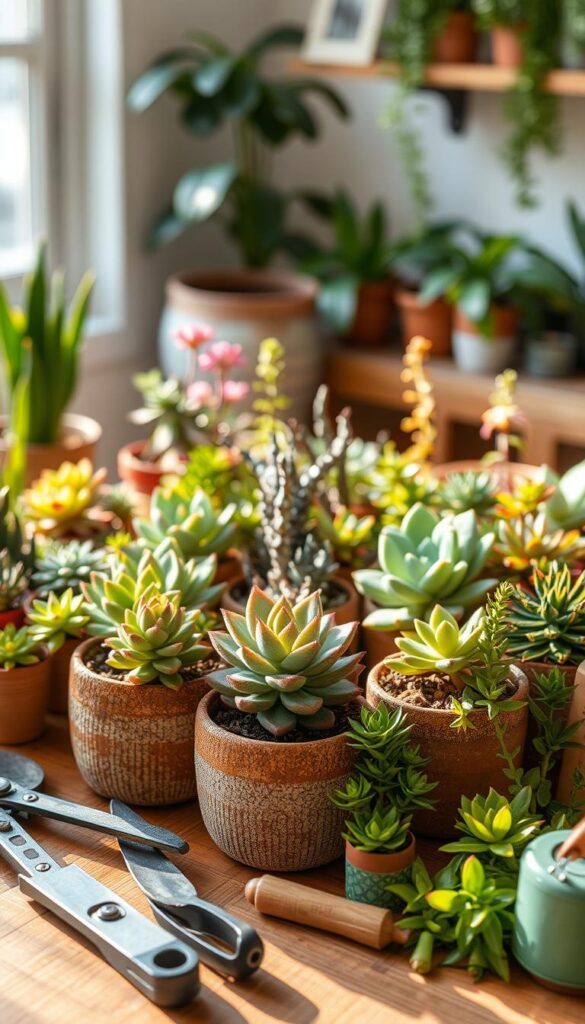
Small changes – pine bark, a decorative topper – add up. Stay curious; the indoor gardening world keeps evolving.
Indoor plants need well-draining potting mix that retains some moisture without staying soggy. Add perlite or coarse sand to standard potting soil to improve aeration and drainage.
The Bottom Line
Quality indoor soil is the difference between soggy and thriving — aerate it with perlite or sand and skip heavy garden dirt. So upgrade your mix, give it a shot, and your plants will take off. 😉