
Exploring the Origins of Plant Parenthood
I started calling myself a “plant parent” as a joke, but keeping something alive actually reshaped my mornings. Checking soil and rotating pots became non-negotiable. Turns out there’s real psychology behind why we get so attached to our greenery.
The Origins of Plant Parenthood
The bond goes back centuries. The Garden of Eden framed humanity’s harmony with plants, while Greek, Roman, and Chinese cultures prized plants for beauty, medicine, and meaning. Those time-tested rituals still shape how we care today — and a windowsill of succulents is the easiest way to tap in.
Why Plant Care Feels So Good
Watering and dusting build a quiet sense of responsibility and trust. Studies show these small acts lower stress and lift mood. plant parents will tell you the morning watering ritual sets a positive tone — plants become companions, not decor.
The Millennial Surge
Urban living with little yard space made houseplants the perfect stand-in. Per the National Garden Survey, seed and potted-plant sales jumped about 20% since 2015.
| Year | Seed Sales | Potted Plant Sales | Flower Sales |
|---|---|---|---|
| 2015 | $2.5B | $1.8B | $1.2B |
| 2020 | $3.0B | $2.2B | $1.5B |
| 2023 | $3.6B | $2.7B | $1.8B |
Social Media and the Green Community
Instagram turned plant care into a visual greenhouse. Hashtags grew from #plantsofinstagram to #houseplants, and influencers like @houseplantjournal spread joy and tips worldwide.
| Year | Popular Hashtags | Engagement Metrics |
|---|---|---|
| 2020 | #plantsofinstagram | 2.5M posts |
| 2021 | #urbanjungle | 1.8M posts |
| 2023 | #houseplants | 3.2M posts |
Mindful Daily Rituals
Starting the day with a watering moment is meditative. The repetitive care clears the mind, and watching a plant thrive delivers a real sense of accomplishment.
Turning Your Home Into a Green Sanctuary
Pick low-maintenance indoor or air plants if you’re new, and match lighting to each room. Use corners for tall plants and shelves for small ones. Rotate regularly so growth stays even and healthy.

Generational Plant Habits
Boomers gardened outdoors; millennials went Indoor plants and urban; Gen Z drives sustainable, ethical care. Each generation reshaped how we make space for plants.
| Generation | Plant Care Practices | Modern Influence |
|---|---|---|
| Baby Boomers | Outdoor gardening, seasonal planting | Inspired indoor gardening trends |
| Millennials | Indoor plants, urban gardening | Popularized small-space, low-maintenance plants |
| Gen Z | Sustainable practices, eco-friendly products | Driven demand for organic, ethical plant care |
The Science of Why We Love Plants
Biophilia — our built-in pull toward nature — explains the calm. Caring for plants lowers cortisol and releases mood-boosting endorphins. A University of Exeter study found plant-filled workplaces cut anxiety 47% and stress 45%.
Plant Types and Their Benefits
| Plant Type | Color | Benefit |
|---|---|---|
| Succulents | Green, Blue | Low-maintenance, air-purifying |
| Peace Lily | White, Green | Improves air quality, elegant appearance |
| Snake Plant | Green, Yellow | Thrives in low-light, boosts oxygen levels |
Green Spaces and Ecotherapy
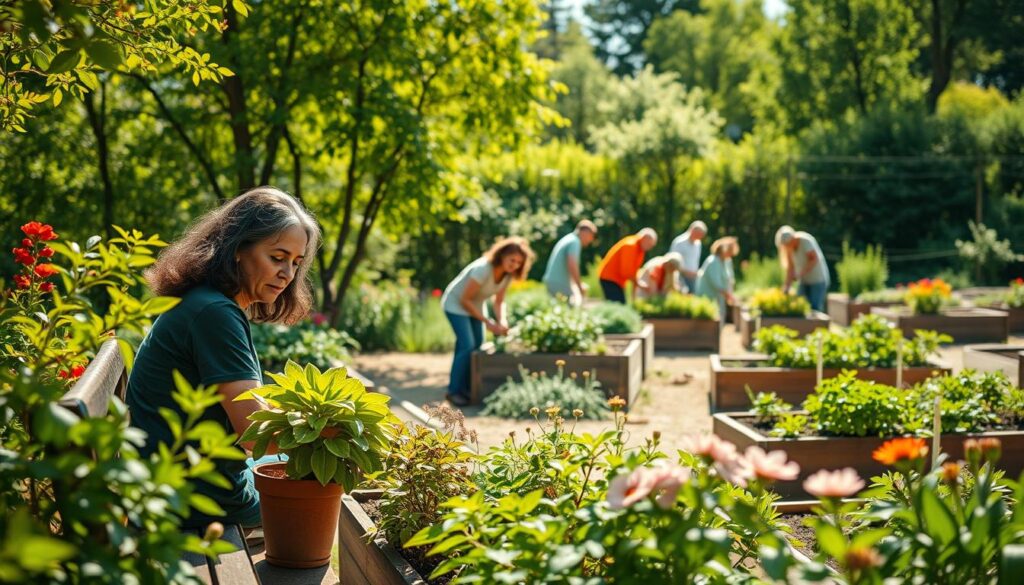
Community gardens, rooftop greens, and small parks bring nature therapy to the city. Ecotherapy techniques — gardening, nature walks, indoor plants — are accessible and genuinely healing.
| Green Space Type | Benefits | Accessibility |
|---|---|---|
| Community Gardens | Fosters connections, fresh produce, stress relief | Local neighborhoods, often free |
| Rooftop Greens | Scenic views, air quality improvement | Building rooftops, may require permission |
| Small Parks | Quick escapes, walking paths, seating areas | Throughout cities, easily accessible |
| Ecotherapy Technique | Benefits | Accessibility |
|---|---|---|
| Gardening | Reduces stress, improves mood, sense of accomplishment | Home gardens, community gardens |
| Nature Walks | Lowers cortisol levels, improves mental clarity | Parks, trails, urban green spaces |
| Indoor Plants | Purifies air, boosts mood, low maintenance | Homes, offices, apartments |
Watch and Learn
Conclusion
Plant parenthood blends ancient ritual, modern community, and real mental-health science into one calming habit. psychology reveals that plants that tending life builds routine and joy — so give it a shot, and let a little green rewrite your daily rhythm.