
Best Grow Lights for Cactus
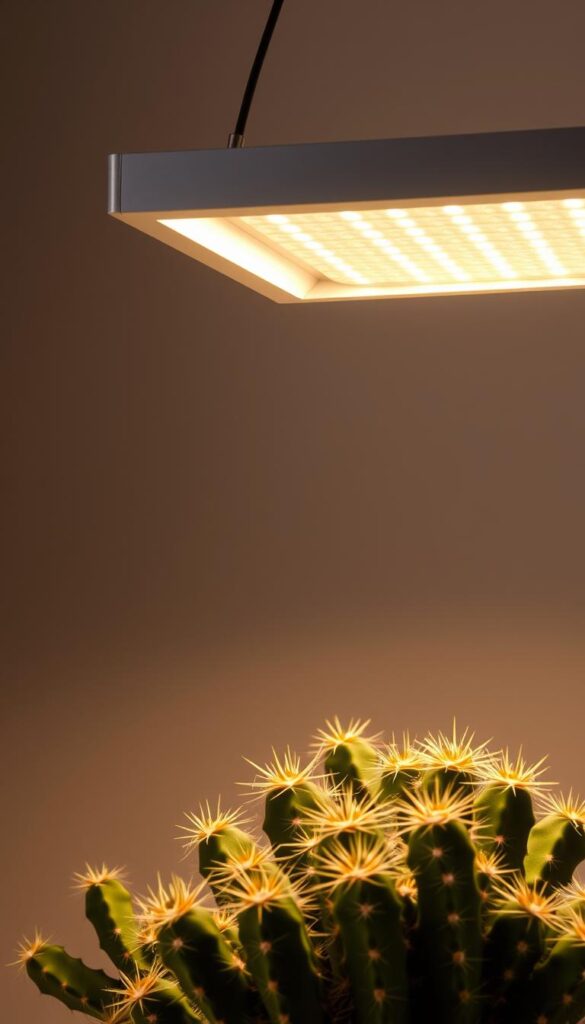
I bought my first grow light after a north window let my mammillaria stretch. A month under proper light and the new growth stayed compact with real spines. Let’s dive into grow lights and unlock the secrets to give your cactus the glow it deserves.
Why Cacti Need Supplemental Grow Lights
Indoor light often falls short, and cacti respond by stretching. A quality light mimics the sun and keeps them sturdy. This matters for any indoor plant lover.
| Type of Grow Light | Pros | Cons |
|---|---|---|
| LED Grow Lights | Energy-efficient, long-lasting | Higher initial cost |
| Fluorescent Lights | Cost-effective, easy to install | Shorter lifespan |
| HID Lights | High light output | High energy consumption |
Expert Roundup
After a year of testing, the Sansi LED Bulb, Durolux Panel, and Soltech LED stood out for succulents and cacti. Each balances spectrum, coverage, and efficiency.
Exploring Types of Grow Lights
LEDs lead on efficiency and lifespan. Fluorescents are cheap and gentle on seedlings. HID throws serious output but eats energy and runs hot.
| Type of Grow Light | Pros | Cons |
|---|---|---|
| LED Grow Lights | Energy-efficient, long-lasting | Higher initial cost |
| Fluorescent Lights | Cost-effective, easy to install | Shorter lifespan |
| HID Lights | High light output | High energy consumption |
Key Lighting Features
Full-spectrum light mirrors sunlight with the red and blue wavelengths cacti crave. Watch wattage and heat; balance output with ventilation.
How to Choose the Right Grow Light
Match the light for your indoor garden to your space and plants. Measure ceiling height and window distance, then pick a model that fits and adjusts as your garden grows.
| Model Type | Pros | Cons |
|---|---|---|
| LED Grow Lights | Energy-efficient, long-lasting, adjustable spectrum | Higher initial cost |
| Fluorescent Lights | Cost-effective, easy to install | Shorter lifespan |
| HID Lights | High light output | High energy consumption |
Setup and Placement Guidelines
Keep fluorescents 6–12 inches above the plants and LEDs 18–24 inches. A 12-hour timer mimics natural cycles and prevents stress.
Product Roundup
Small spaces love the Sansi bulb; bigger setups want the Soltech with its timer and coverage.
| Model | Pros | Cons | Price Range |
|---|---|---|---|
| Sansi LED Bulb | Compact, energy-efficient, full spectrum, dimmer feature | Higher initial cost | $40-$60 |
| Durolux LED Panel | Slim design, adjustable spectrum, easy installation | Shorter lifespan | $50-$70 |
| Soltech LED | Larger coverage, timer, durable | Higher energy consumption | $80-$100 |
Full Spectrum and Color Temperature
Cooler Kelvin (5000–6500K) drives growth; warmer (2700–3000K) encourages blooms. Adjustable spectrum lets you tune the recipe.
Energy Efficiency
LEDs convert energy to light, not heat, and a 20W LED can outrun a 40W fluorescent. The long lifespan pays back the higher upfront cost.
Maintenance Tips
Wipe bulbs every 4–6 weeks and check connections monthly. Replace dimming bulbs and shift schedules with the seasons.
Troubleshooting
Stretching means too little light; burnt spots mean too much. Raise or lower the fixture and watch the plant respond.
Conclusion
Choosing the right grow light is the key step in helping your cacti and succulents thrive indoors. The right light prevents etiolation and delivers the spectrum they need. Whether you pick LED, fluorescent, or HID, weigh energy, heat, and spectrum for your space. Cacti need intense light, so choose full-spectrum LED or T5 fluorescent fixtures placed six to twelve inches above the plants. Run the lights twelve to fourteen hours a day and adjust height as the cactus grows. Give it a shot and watch the stretch disappear. 🌵