
Lavender Lighting Needs: How to Keep This Sun-Worshipper Happy
I tried growing lavender on my kitchen windowsill and watched it stretch, lean, and generally look miserable. The plant needs at least six hours of direct sun a day — something most indoor spots just can’t deliver without help. If your lavender is getting leggy, light is almost always the culprit. 🙂
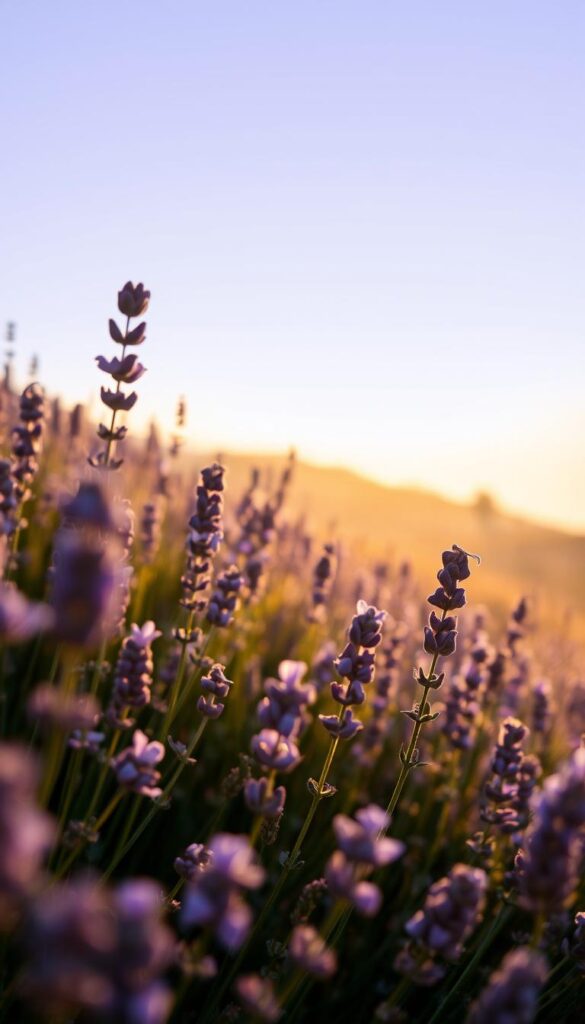
Why Direct Sunlight Matters
Direct sun is the lifeblood of lavender. It drives photosynthesis, keeps stems short and sturdy, and fuels those fragrant oils. Skimp on light and you get weak, open growth with barely any blooms.
Research backs the rule of thumb: aim for 6–8 hours of direct sunlight daily for robust health and scent. Less than that and disease risk climbs right alongside the legginess.
Indoor vs. Outdoor Lighting Needs
Indoor lavender leans on south-facing windows or LED grow lights; outdoor plants just bask in real sun. Natural light still wins on intensity and spectrum, but a good LED can close the gap during cloudy winters.
The Mediterranean Origins and Sun Worship of Lavender
Lavender evolved on hot, rocky Mediterranean slopes, so it literally learned to crave full sun. That heritage is why it shrugs off dry heat but sulks in shade. Replicate those conditions — bright, dry, sunny — and it thrives.
How to Optimize Lavender Lighting for Indoor Gardening
Selecting the Perfect South-Facing Window
A south-facing window is the goldmine — it delivers the most direct sun, usually 3–4 hours of the intense stuff plus bright ambient light the rest of the day. Park your pot there and rotate it weekly so all sides get even exposure.
Using LED Grow Lights When Natural Sunlight Falls Short
When the sun won’t cooperate, full-spectrum LEDs step in. I’ve seen lavender thrive after I introduced LED grow lights through a dim winter — keep them a foot or so above the foliage and run them 12–14 hours a day to fake a long Mediterranean day.
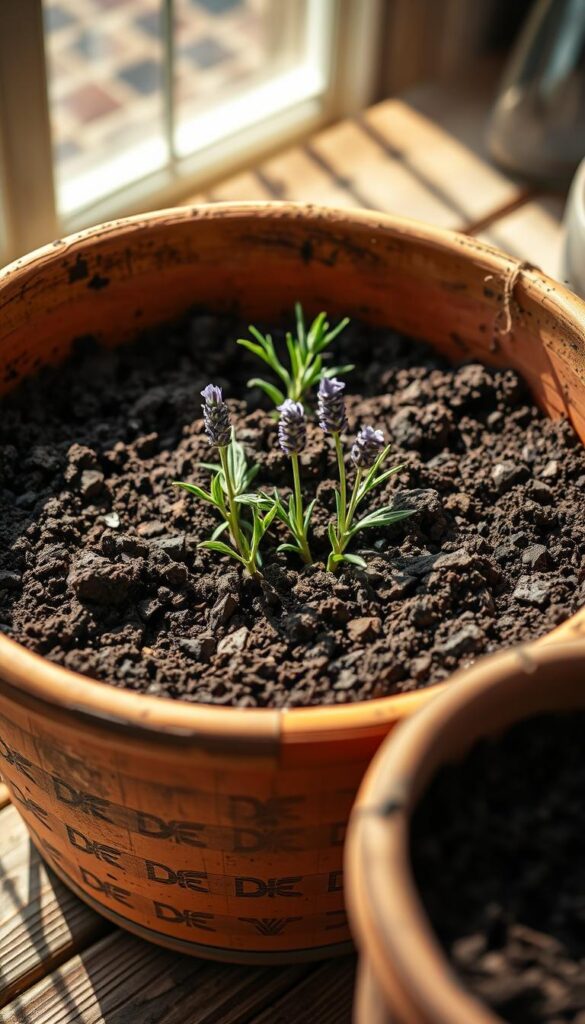
Selecting the Right Container and Soil
- Pot: Terra cotta with drainage holes — it breathes and prevents soggy roots
- Soil: Lean, sandy, slightly alkaline; skip rich potting mix
- Drainage: Gravel at the bottom helps in humid climates
Watering Practices
Lavender hates wet feet. Water only when the top inch is dry, and never let the saucer stay full. Bright light plus restrained watering is the combo that keeps it alive.
Best Practices for Outdoor Light Optimization
Achieving 6–8 Hours of Direct Sunlight
Pick the sunniest bed you’ve got — south or west exposure is ideal. If a tree shades it by mid-afternoon, move the plant or prune the canopy. Lavender wants the harsh stuff, not dappled shade.
Managing Afternoon Intensity and Seasonal Shifts
In brutal summer heat, a little afternoon relief helps, but don’t overdo it. As days shorten, prioritize the brightest spot you have and consider the grow-light strategies cactus growers use if you bring pots indoors.
The Science Behind Lavender’s Essential Oil Production
Those famous oils — the ones that make lavender smell like calm — are stress-response compounds. Strong light and mild drought trigger the plant to ramp them up. Translation: more sun equals more fragrance. That’s the science behind every “why does my lavender smell weak” complaint.
Protecting Your Lavender from Environmental Stress
Why Environmental Stress Matters
A little stress (sun, dry soil) builds oils and toughness. Too much (fungal humidity, root rot) kills it. The line between “resilient lavender” and “dead lavender” is mostly about light and drainage.
Practical Protection Methods
- Mulching: Gravel or sand at the base, never wet bark
- Shade cloth: Only in extreme heat spikes
- Proper air circulation: Space pots so air moves between them
- Monitoring health: Watch for gray, woody, or flopping stems
Avoiding Common Mistakes in Lavender Lighting
Overwatering and Its Consequences
Overwatering is the #1 lavender killer, and low light makes it worse — wet soil plus weak sun equals rot. If you’re unsure, wait another day before watering.
Improper Pruning and Spacing
Crowding blocks light; skipping pruning leaves a woody, unproductive center. Thin plants out and give them room to breathe so sun reaches every stem.
Step-by-Step: How to Grow Lavender for Perfect Light
Preparing the Right Pot, Soil, and Drainage
Start with terra cotta, lean sandy soil, and a layer of grit. This trio mimics the Mediterranean and prevents the damp that light alone can’t fix.
Effective Pruning and Rotation Techniques
Prune after bloom to keep shape, and rotate pots a quarter-turn weekly so no side stretches toward the window.
Tailoring Lavender Lighting to Seasonal Changes
Spring and summer: max sun, maybe supplemental water. Fall and winter: cut water hard, lean on grow lights indoors, and accept slower growth.
Expert Tips for Long-Term Lavender Light and Health
Think of lavender as a sun battery — the more direct light you bank, the more it gives back in blooms and scent. Track hours with a phone app if you’re serious; most “failures” are just underestimated shade.
Wrapping Up My Lavender Journey
My windowsill experiment taught me the hard way: lavender doesn’t compromise on light. Give it 6–8 hours of direct sun, lean soil, and restrained water, and it rewards you with fragrance for years.
The Bottom Line
Lavender lighting needs boil down to one word: sun. Six to eight hours of direct light, a south window or quality LEDs indoors, and lean dry soil are the whole secret. Skimp and you’ll get a leggy, scentless sprout; commit and you’ll have fragrance for years. So find the brightest spot in your home, give it a shot, and let the Mediterranean mindset take over. 😉