
Introduction to Philodendron Camposportoanum
The Philodendron Camposportoanum is one of those plants that just gets on with life while you do yours. Below I walk through the care, the gotchas, and the few habits that keep it happy.
I bought my Philodendron camposportoanum before it had a widely used common name, so I memorized the Latin from the nursery tag. The leaves start out tiny and coppery, then darken and develop deep lobes as the plant matures.
If you’re like me, you’ll fall in love with its unique foliage and the way it transforms any room into a lush oasis. Whether you’re a seasoned plant parent or just starting out, this guide is here to help you master the art of nurturing yourPhilodendronCamposportoanum. From understanding its soil preferences to managing the right amount of water and light, we’ll cover it all to make sure your plant does well. Let’s dive into the important tips and tricks to keep your Philodendron happy and healthy!
Discover the Philodendron Camposportoanum, a captivating plant beloved by many for its unique charm. Native to the lush rainforests of Brazil, this species was first identified by botanist Jose Mariano da Conceicao Vellozo. Its striking heart-shaped leaves with silvery veins make it a standout among houseplants, and its transformation from juvenile to mature leaves adds to its allure.
Plant Origins and Natural Habitat
Hailing from Brazil’s tropical rainforests, the Philodendron Camposportoanum does well in environments with filtered, indirect sunlight. This setting allows it to grow vigorously, adapting to the forest’s humid conditions and nutrient-rich soil. Understanding its natural habitat is key to replicating the idealindoorenvironment for your plant.
Distinctive Features and Beauty
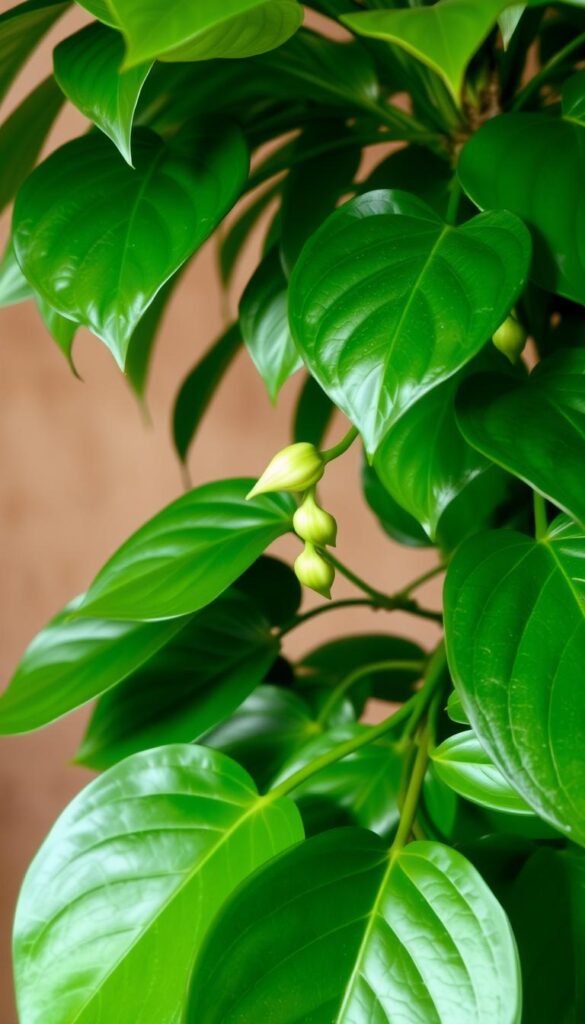
The plant’s heart-shaped, dark green leaves, adorned with silvery veins, are its most striking feature. Interestingly, the leaves change shape as the plant matures, offering a dynamic beauty. This unique transformation captivates plant enthusiasts, making it a prized addition to any collection. As a member of the Araceae family, its scientific background enhances our appreciation of its natural elegance.
By understanding the Philodendron Camposportoanum’s origins, we can better appreciate the care it needs to do well indoors. Its natural beauty and adaptability make it a rewarding plant for any enthusiast.
Essential Care Requirements for Your Plant
Now that you know more about this beautiful plant, let’s dive into the daily care essentials to keep it doing well. With the right approach, your Philodendron Camposportoanum will become a stunning centerpiece in your home.
Light and Watering Tips
When it comes to light, this plant loves bright, indirect sunlight. Placing it near an east- or west-facing window is ideal. Direct sunlight can scorch the leaves, so filtered light is best. Water your plant when the top inch of soil feels dry to the touch. Overwatering is a common mistake, so always check the soil before watering again.
Soil, Humidity, and Temperature Considerations
Use a well-draining soil mix rich in organic matter to stop waterlogged roots. High humidity helps this plant grow, so consider using a humidifier or misting the leaves often. Keep the temperature between 65-85 deg F for best growth.
Safe Placement Near Windows
Place your plant a few feet away from windows to make sure it gets enough light without direct sun exposure. Avoid areas with extreme temperature fluctuations to keep your Philodendron happy and healthy.
philodendron camposportoanum care guide
Watering is one of the most critical aspects of keeping your Philodendron Camposportoanum healthy. Establishing a steady routine can make all the difference in its growth and overall well-being.
Establishing a Watering Routine
To create an ideal watering routine, start by checking the soil moisture often. Water your plant when the top inch of soil feels dry to the touch. For small pots, this might mean watering every 7-10 days, while larger pots may need water every 10-14 days. A good rule of thumb is to water with about 0.5 cups of water for a small pot, adjusting as needed based on the size of your plant and its environment.
Preventing Root Rot and Overwatering
Overwatering is a common mistake that can lead to root rot, a serious issue that can harm your plant. To stop this, make sure your pot has good drainage holes and use a well-draining soil mix. If you notice yellowing leaves or soft, mushy stems, it may be a sign of root rot. In such cases, stop watering immediately and consider repotting your plant with fresh soil to give the roots a healthy environment to recover.
Https://www.youtube.com/watch?v=5E9GEQ6aqgk
By following these simple tips, you can create awatering routine that keeps your PhilodendronCamposportoanum doing well. Remember, consistency is key, and observing your plant’s responses will help you adjust your care practices over time.
Propagation and Planting Techniques
Ready to share your plant’s beauty with friends or expand your collection? Propagation is a great way to do that! Let’s explore two effective methods to propagate your Philodendron Camposportoanum.
Stem Cutting Method
This is the most popular way to propagate. Here’s how:
- Choose a healthy stem with at least 2 leaves and 4 inches long.
- Cut just below a node using clean scissors or a knife.
- Place the cutting in water or soil. Changewater weekly for rootsto develop.
- Once roots form, transfer to well-draining soil in indirect light.
Division for Mature Plants
For larger plants that have outgrown their pot:
- Remove the plant gently, taking care with the roots.
- Separate the roots, making sure each section has enough to grow.
- Replant in fresh soil and water lightly.
| Method | Best Time | Tools Needed | Success Tip |
|---|---|---|---|
| Stem Cutting | Spring-Fall | Knife, pot, water | Keep moist, warm |
| Division | Spring | Gloves, larger pot | Gentle handling |
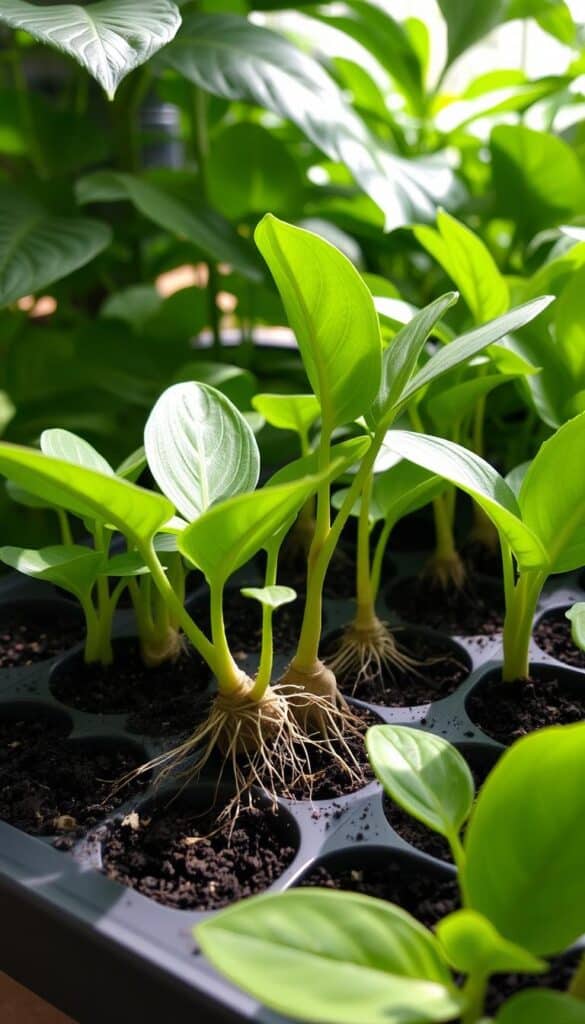
By following these steps, you can successfully propagate your Philodendron Camposportoanum.Enjoy sharing your plant’sBeauty with others!
Troubleshooting and Solving Common Issues
Every plant parent faces challenges, and your Philodendron Camposportoanum is no exception. Whether it’s yellowing leaves or pesky pests, I’ve been there too. Let’s tackle these common issues together and get your plant back to its best.
Identifying Yellowing and Browning Leaves
Yellow leaves often signal overwatering, while brown tips might mean low humidity or too much fertilizer. Adjust your watering and humidifier use to find the right balance for your plant.
Managing Pests and Fungal Concerns
Check for spider mites or mealybugs often. If you spot any, treat your plant with insecticidal soap. Fungal growth might appear due to overwatering, so make sure good drainage and airflow.
| Issue | Cause | Solution |
|---|---|---|
| Yellow Leaves | Overwatering or underwatering | Adjust watering routine |
| Brown Tips | Low humidity or excess fertilizer | Use humidifier, adjust fertilizer |
| Pests | Spider mites, mealybugs | Treat with insecticidal soap |
By staying observant and proactive, you can catch issues early and keep your Philodendron doing well. Remember, every plant is unique, so adjust your care routine as needed to make sure your plant stays healthy and happy.
Parting Insights on Nurturing a Thriving Philodendron
As I reflect on my journey with the Philodendron Camposportoanum, I’m reminded of the joy that comes from nurturing a doing well plant. It’s a beautiful blend of art and science, where every decision, from watering to repotting, plays a role in its growth.
Key to success is observing your plant’s needs and adjusting care routines. Whether it’s adjusting humidity or making sure proper drainage, each step contributes to its well-being. Remember, when your plant doubles in size, it’s time to repot, giving its roots room to do well.
Philodendron camposportoanum likes humidity above fifty percent and something to climb. Place it in bright, indirect light and keep the soil lightly moist during active growth.
Conclusion
The Philodendron Camposportoanum rewards a light touch more than a heavy hand. Get the basics right — light, water, and a well-draining mix — and it will quietly do well for years.
Ready to give yours the easy-care treatment? Give it a shot! 🌤