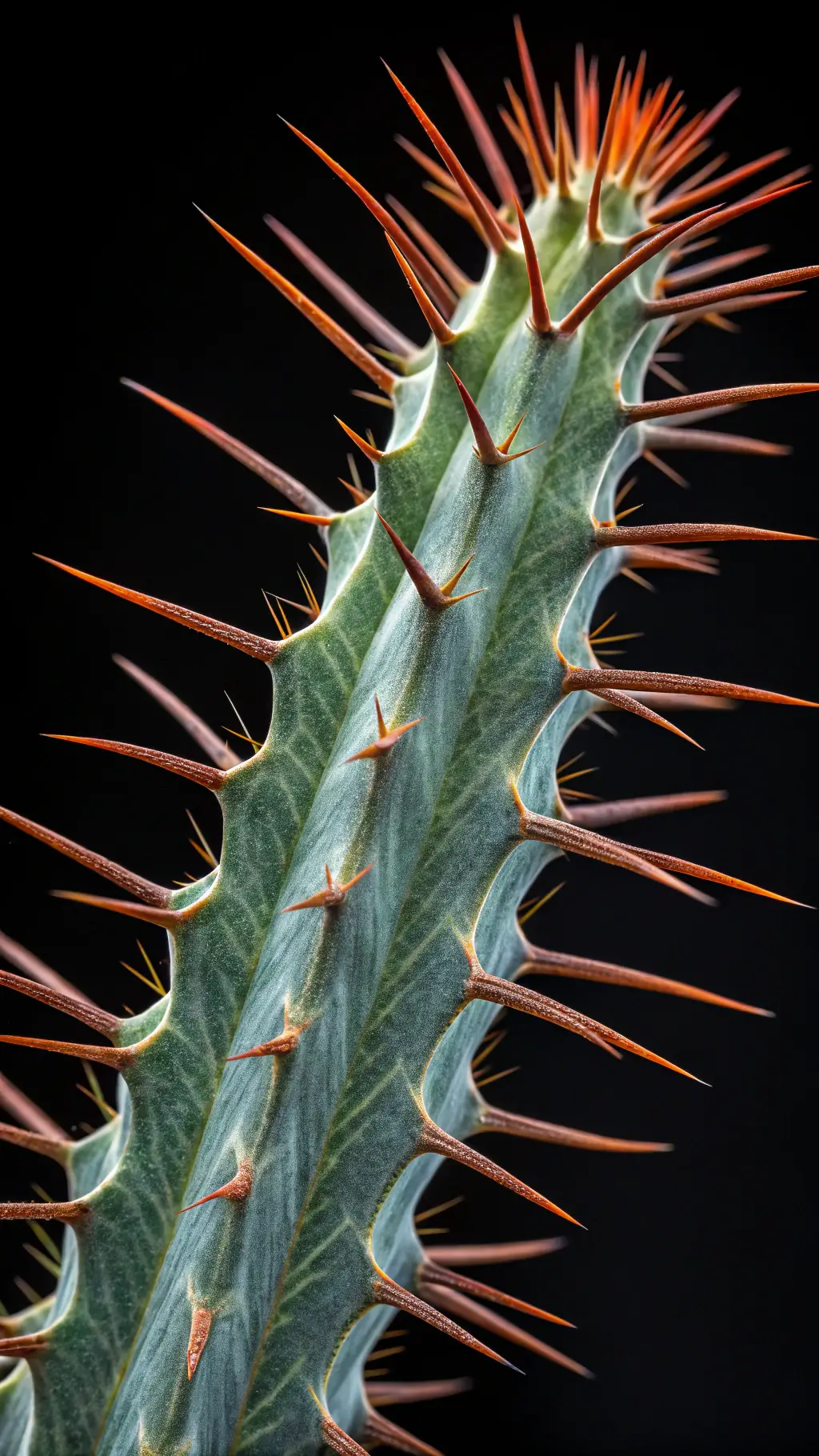
Claret Cup Cactus: The Crown Jewel of Desert Gardens (A Complete Growing Guide)
I first saw a claret cup cactus blooming in a neighbor’s rock garden one April morning. The scarlet flowers against the blue-green stems stopped me mid-step. Since then, I’ve always kept one tucked into a sunny corner of my own yard.
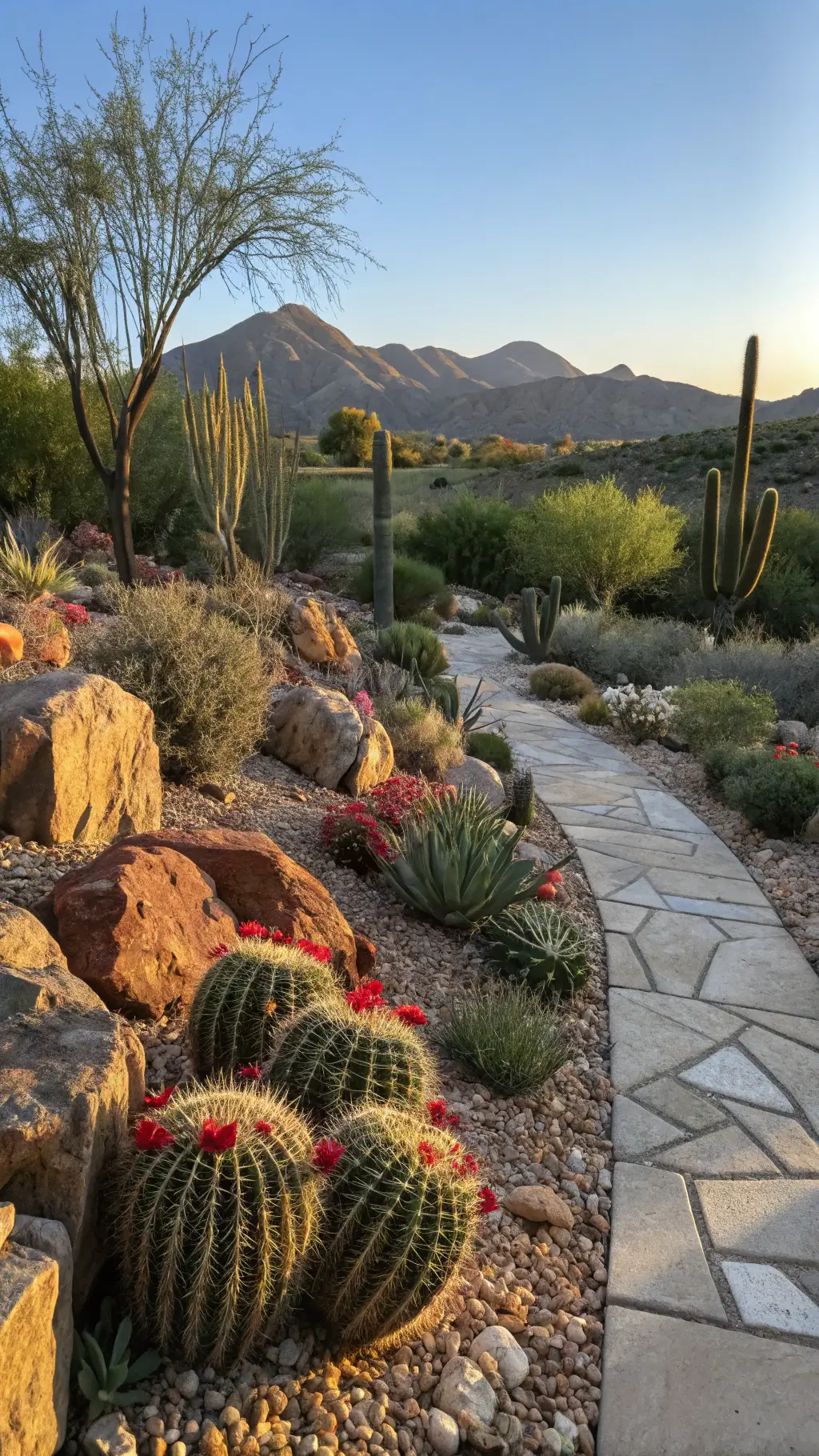
Why You’ll Love This Desert Beauty
Ever wondered how to add a pop of dramatic color to your xeriscape without the hassle? The Claret Cup Cactus (Echinocereus triglochidiatus) is your answer.
What Makes It Special?
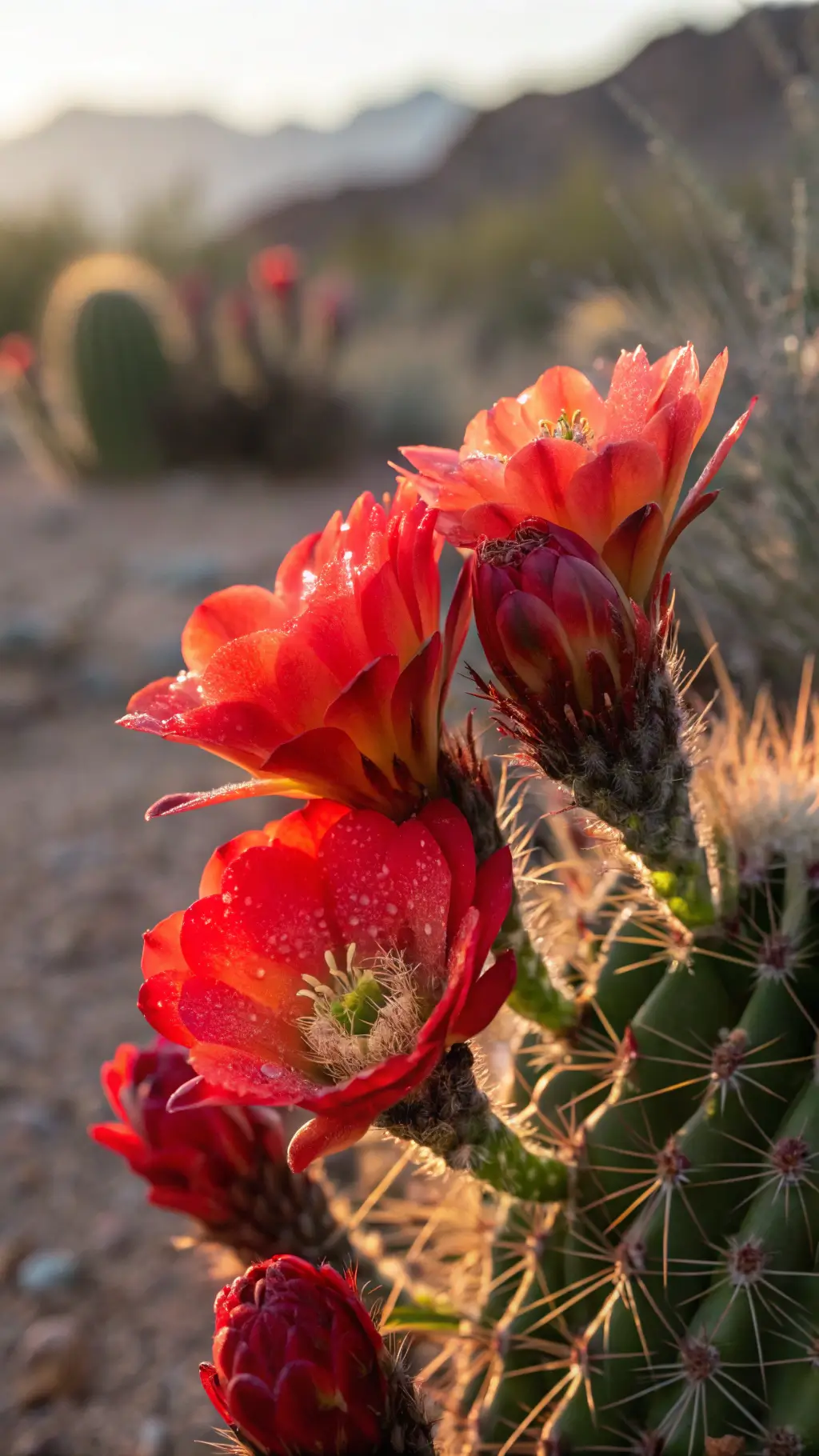
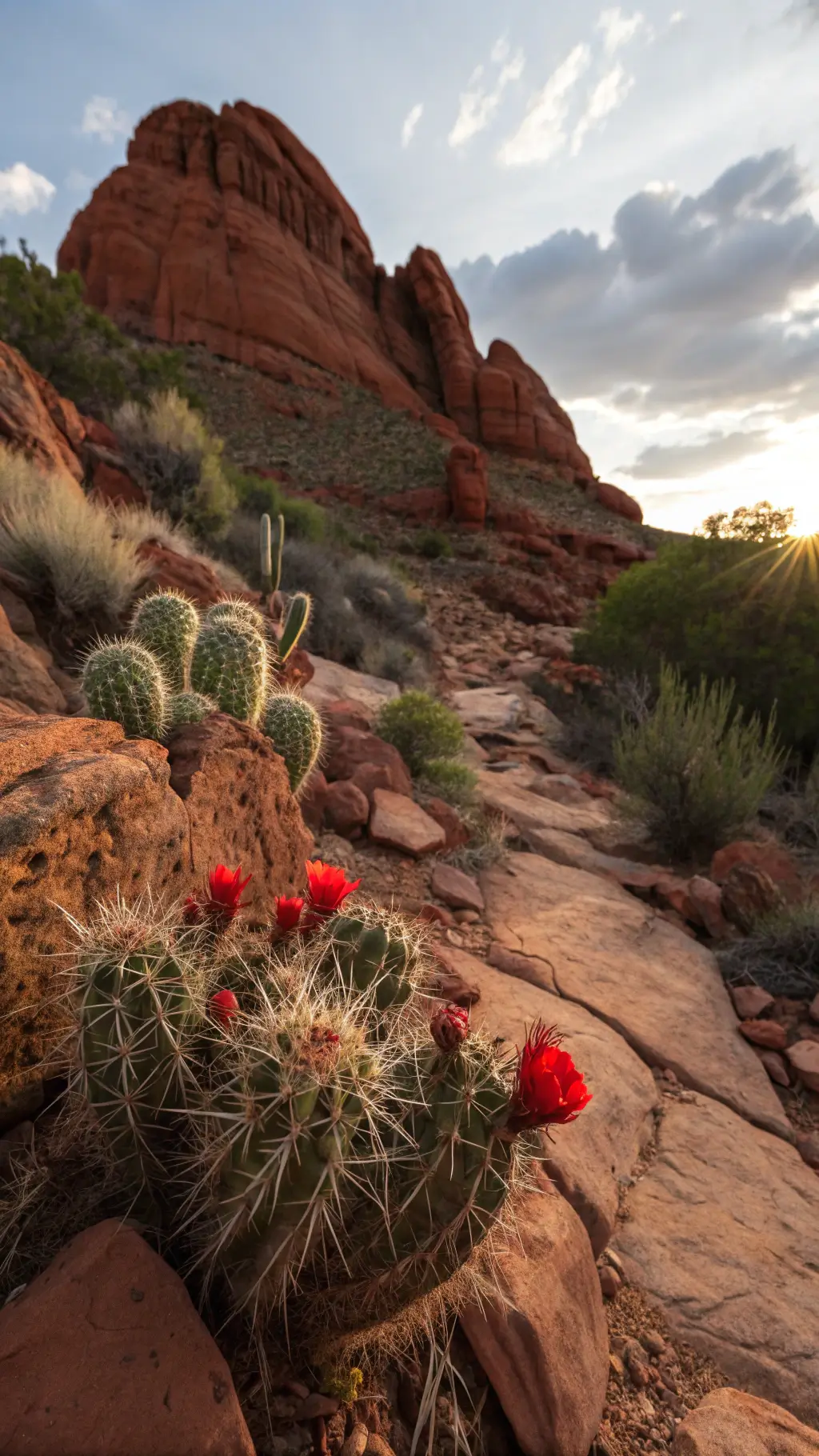
Picture this: A low-growing mound of bluish-green stems, crowned with the most spectacular scarlet-red flowers you’ve ever seen. That’s what you get with this desert stunner.
Key Features:
- Grows in attractive clumps (perfect for that natural desert look!)
- Stems reach 5-40 cm long
- Shows off 5-12 distinctive ribs
- Produces show-stopping 8-9 cm wide flowers
- Blooms from April to June
Growing Your Own Claret Cup: The Simple Guide
Sun Requirements
Trust me on this – these babies LOVE their sunshine. Give them:
- Full, direct sun exposure
- At least 6 hours of sunlight daily
- Southern or western exposure is ideal
Water Needs (Less is More!)
Here’s what I’ve learned about watering:
- Once established, they barely need any water
- Water deeply but infrequently
- Allow soil to dry completely between waterings
Soil Requirements
The secret sauce is in the soil:
- Well-draining is crucial
- Sandy or gravelly mix works best
- Add extra perlite for better drainage
Climate Tolerance
These tough cookies are surprisingly adaptable:
- Thrives in USDA zones 5-10
- Handles extreme temperature swings
- Laughs in the face of drought
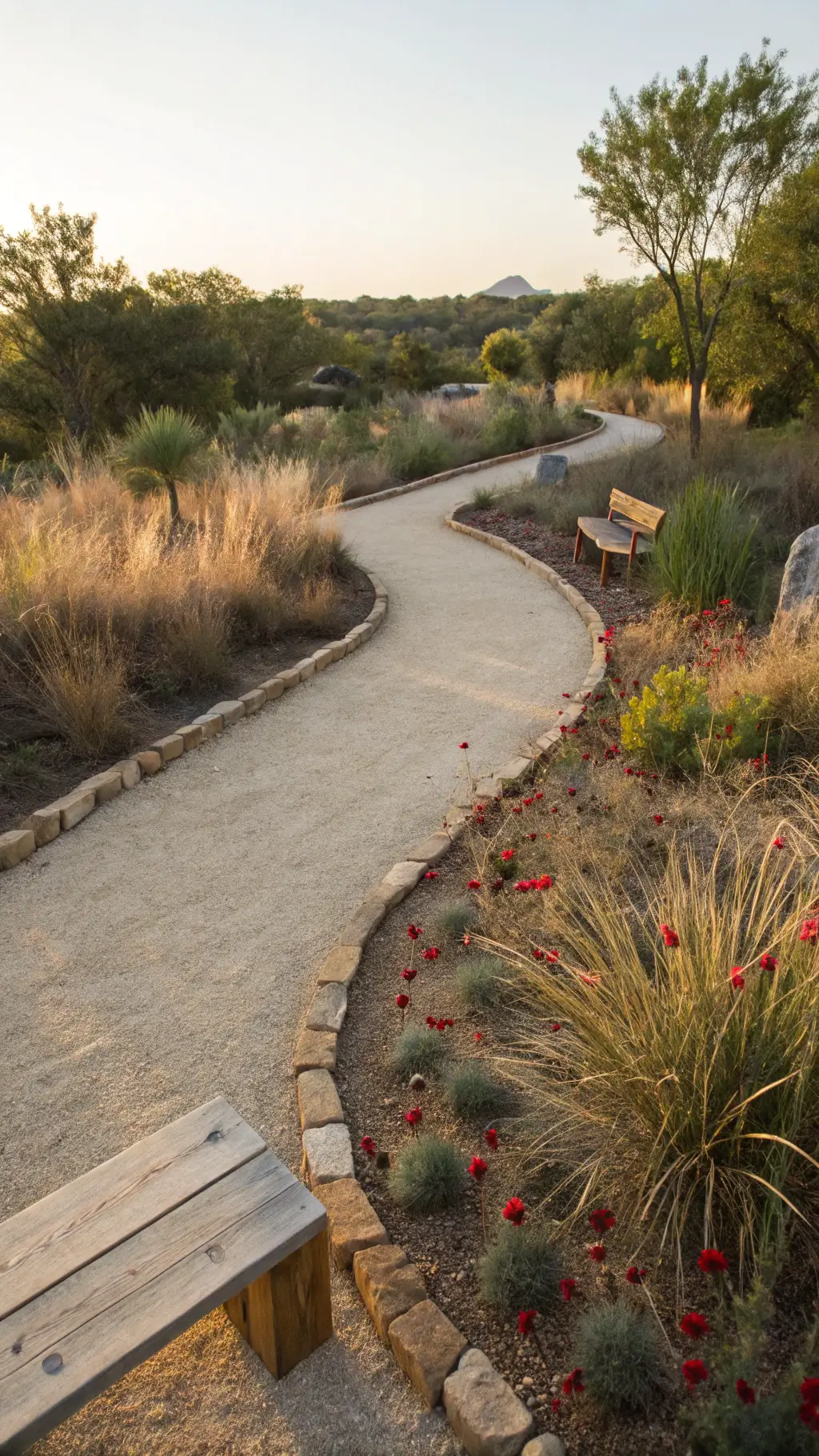
Cool Facts You Didn’t Know
Did you know this beauty is Colorado’s state cactus? Here’s more:
- Hummingbirds absolutely adore the flowers
- Produces edible fruits (bonus!)
- Deer won’t touch it (hallelujah!)
- Perfect for rock gardens and xeriscapes
Pro Tips From My Garden
After years of growing these beauties, here’s what works:
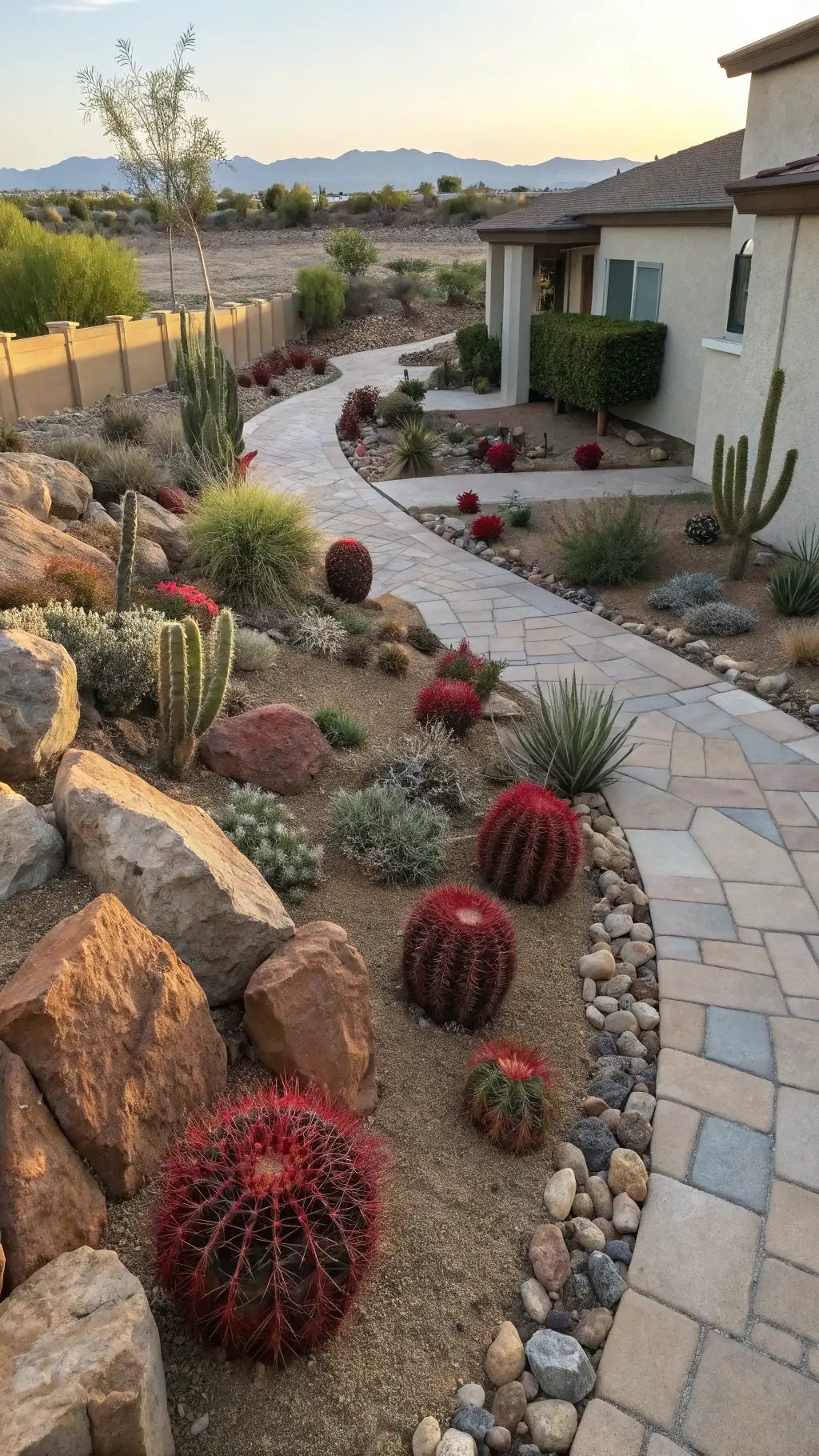
- Plant in groups of 3-5 for maximum impact
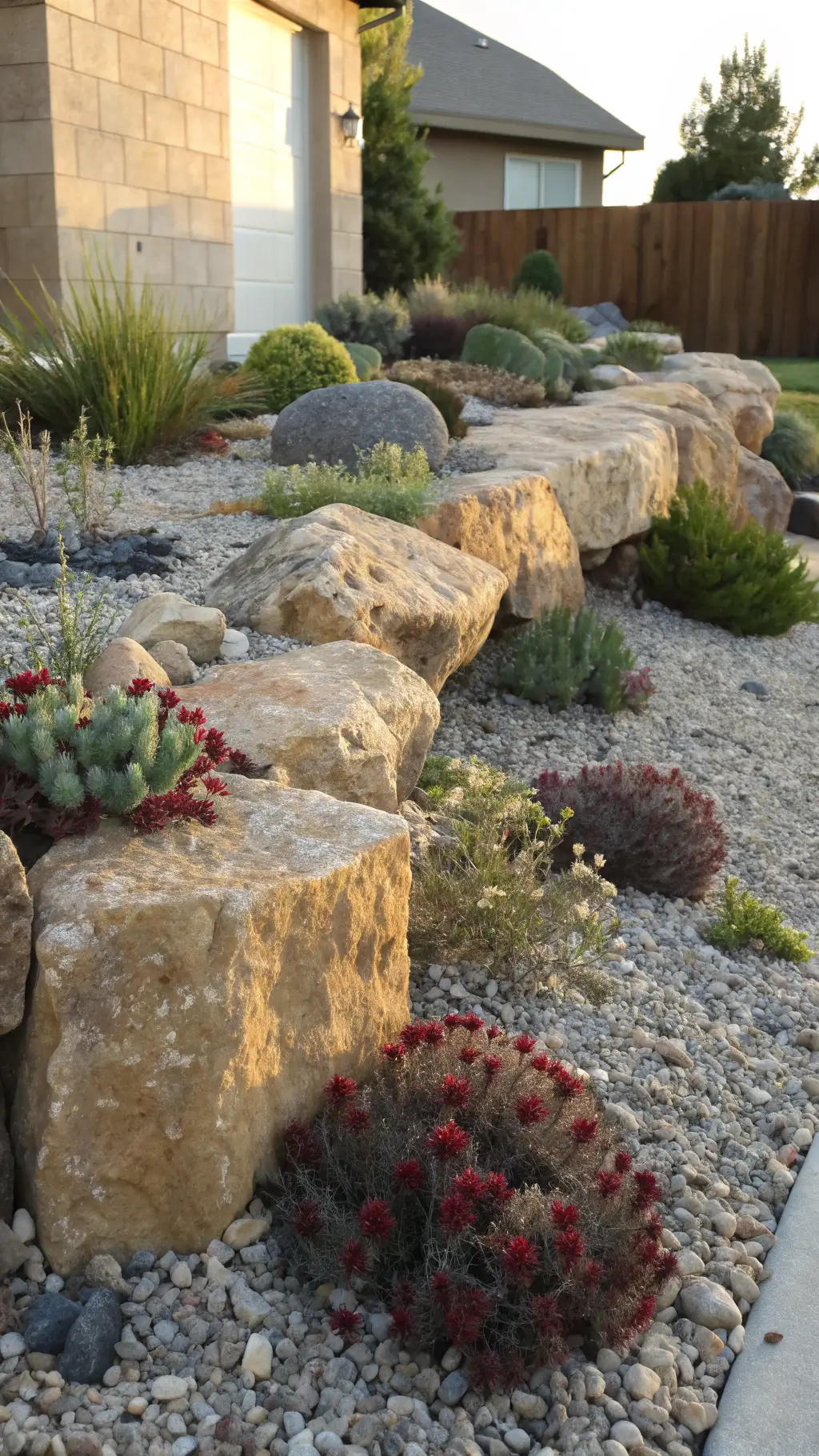
- Use gravel mulch to retain moisture and prevent weeds
- Position near pathways where you can enjoy the spring blooms
- Add larger rocks around the base for a natural desert look
Final Thoughts
If you have sandy soil and a spot that gets full sun, the claret cup cactus is a practical choice. It needs very little water once established and sends up bright red blooms each spring that last for weeks.
Start with a small cluster from a local nursery and give it a few seasons to settle in. The flowers are worth the wait, and the plant pretty much takes care of itself after that.