
What Are Cottonseed Hulls?
I started adding cottonseed hulls to my compost after a local farmer gave me a bag. The fibrous material breaks down slowly, adds bulk to the compost, and improves aeration in heavy clay soils.
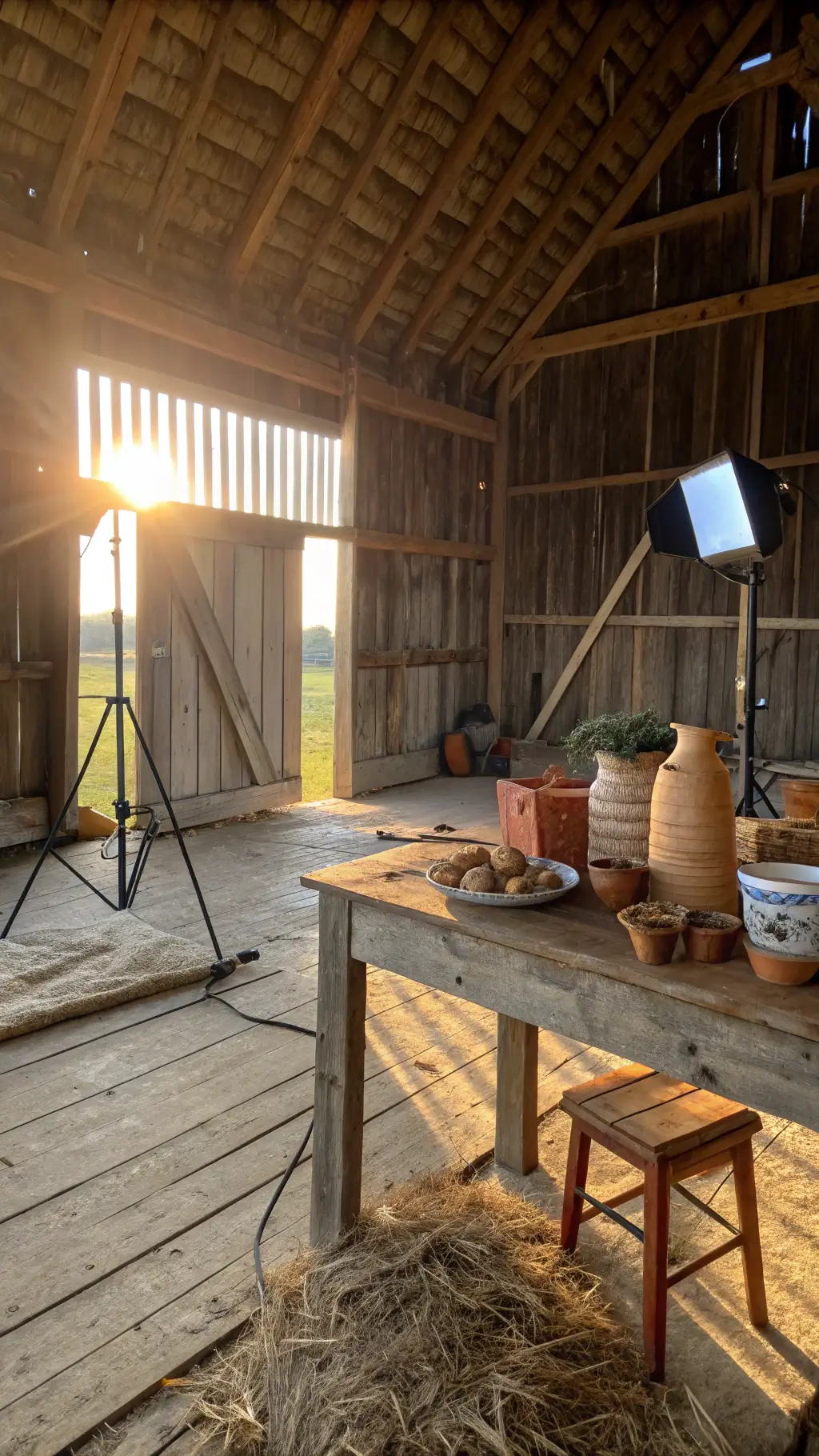
Cottonseed hulls improve soil structure and add organic matter. Mix them into compost or garden beds, and avoid using them in potting mix for seedlings since they break down slowly.
The Magic Numbers (Nutritional Breakdown)
Let me break down what’s actually in these hulls:
- A whopping 44% crude fiber
- About 3.7% protein (on the lower side)
- Around 40% total digestible nutrients
- Minimal minerals (0.1% calcium and phosphorus)
- 91% dry matter
Why I Love Using Cottonseed Hulls
In My Garden:
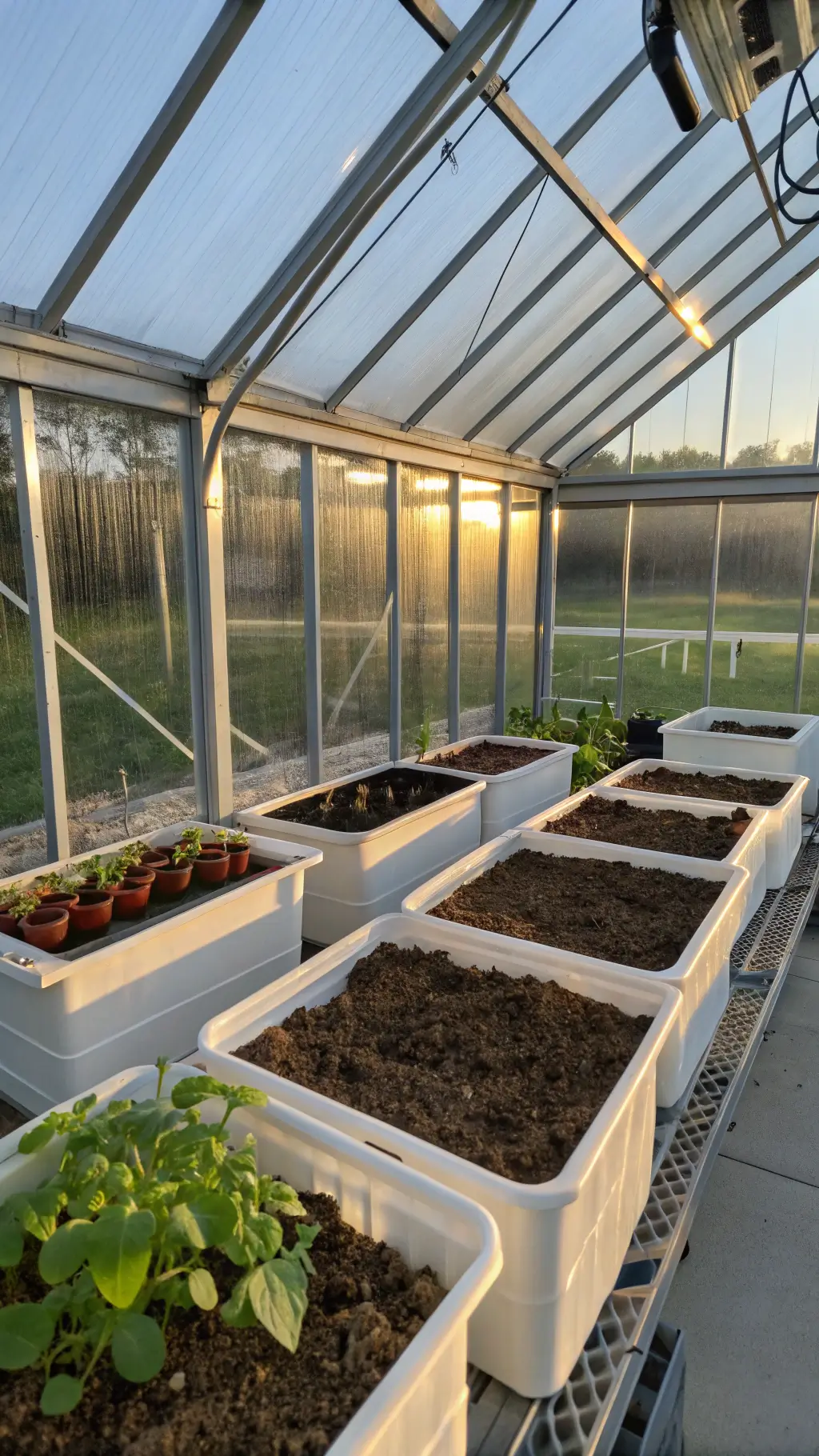
- Perfect mulch for flower beds
- Excellent moisture retention
- Helps suppress those annoying weeds
- Breaks down slowly, improving soil structure
For My Animals:
- Amazing roughage for cattle
- Great bedding material
- Helps maintain milk fat levels in dairy cows
- Works well mixed with other feeds
Getting Your Hands on Cottonseed Hulls
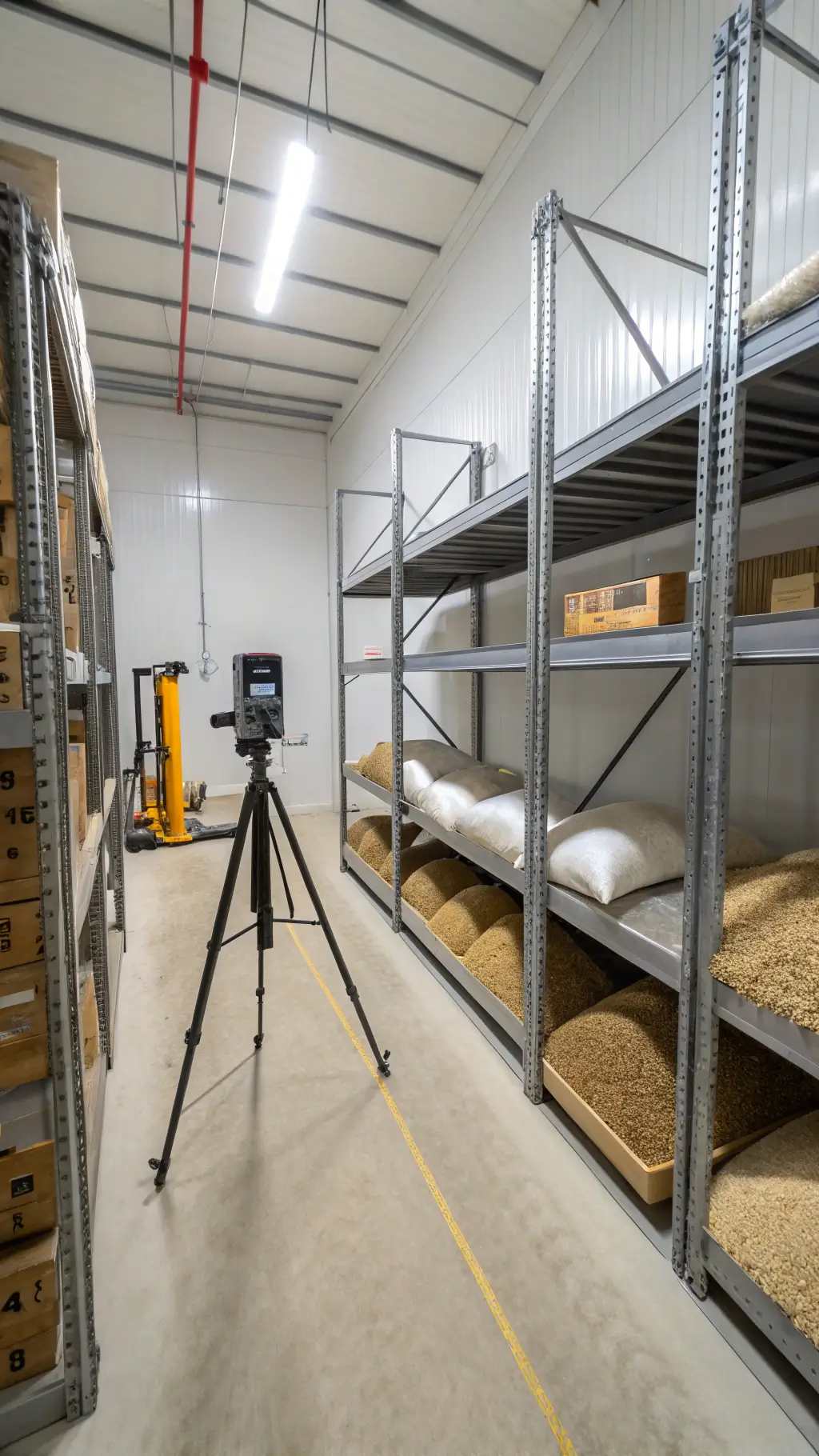
I’ve found several ways to buy them:
- Bulk delivery (great for larger projects)
- Pelleted form (easier to transport)
- 40-50 pound bags (perfect for home gardeners)
Pro Tips From My Experience
For Garden Use:
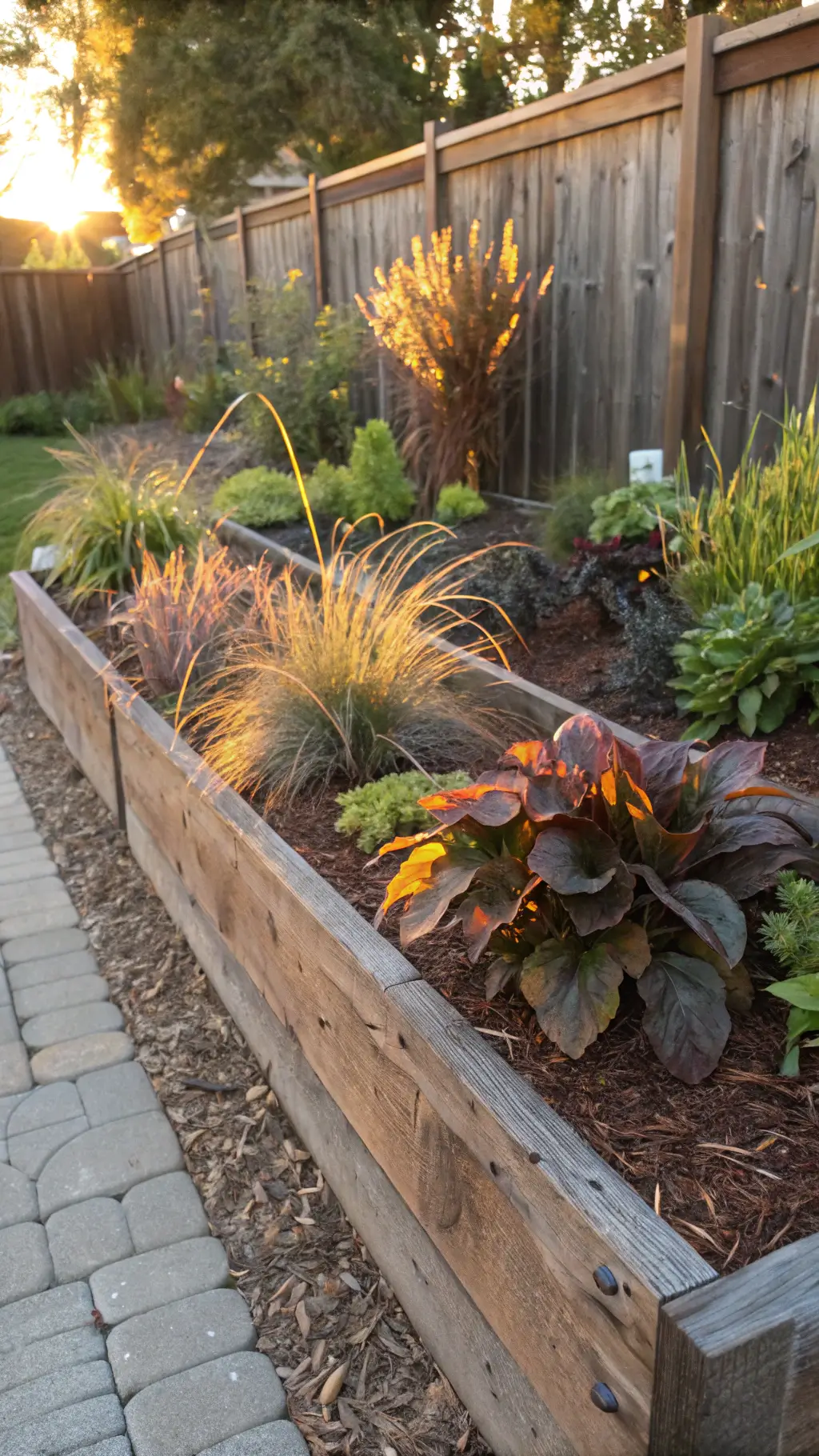
- Layer 2-3 inches deep for optimal mulching
- Pre-wet them before applying
- Keep them away from direct stem contact
For Animal Feed:
- Always mix with other feed sources
- Start with small amounts when introducing
- Monitor animal response
Watch Out For:
- Storage: Keep them dry to prevent mold
- Application: Don’t pile too deeply around plants
- Feeding: Never use as the sole feed source
My Final Thoughts
After years of working with cottonseed hulls, I can confidently say they’re an underrated resource. Whether you’re a gardener looking for effective mulch or a farmer seeking economical feed options, they’re worth considering.