
Understanding Your Philodendron Verrucosum
I snagged a Philodendron verrucosum at a rare-plant auction where the bidding climbed higher than my pride. Those bumpy petioles and dark, velvety leaves were worth it, and the new growth unfurls in a striking copper. This is a tropical showstopper that rewards a little attention.
Native to the rainforests of South and Central America, it shows off heart-shaped leaves with deep green tops and burgundy or red undersides. Heads up: it is toxic to people and pets, so keep it up and away from curious mouths. Here is the light and temperature setup that keeps mine happy:
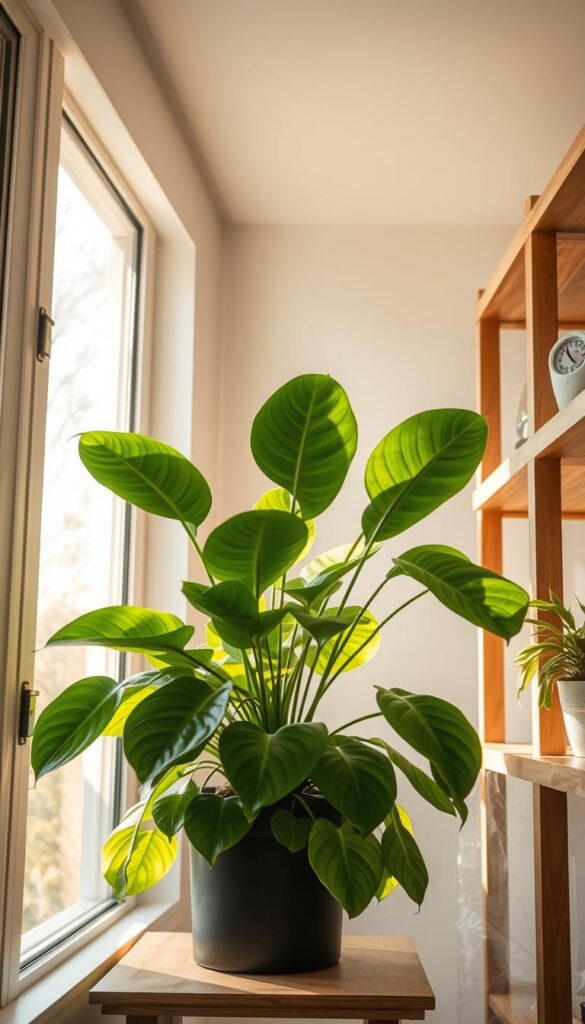
Light, Temperature, and the No-Sun Rule
Park it near an east- or west-facing window for bright, indirect light that mimics dappled rainforest canopy. Skip south-facing glass, where direct sun will scorch the leaves. A steady 78°F keeps growth vigorous and stress low.
- East- or west-facing windows for bright, indirect light
- Keep a consistent ~78°F for steady growth
- Avoid direct sun to prevent leaf scorch
Humidity and Watering Without the Rot
This plant is a humidity hog. I use a humidifier or a pebble tray, and I water only when the top inch of soil feels dry to the finger. Keep water off the leaves to dodge fungal trouble, and you are most of the way to a thriving indoor specimen.
The Right Soil and Pot
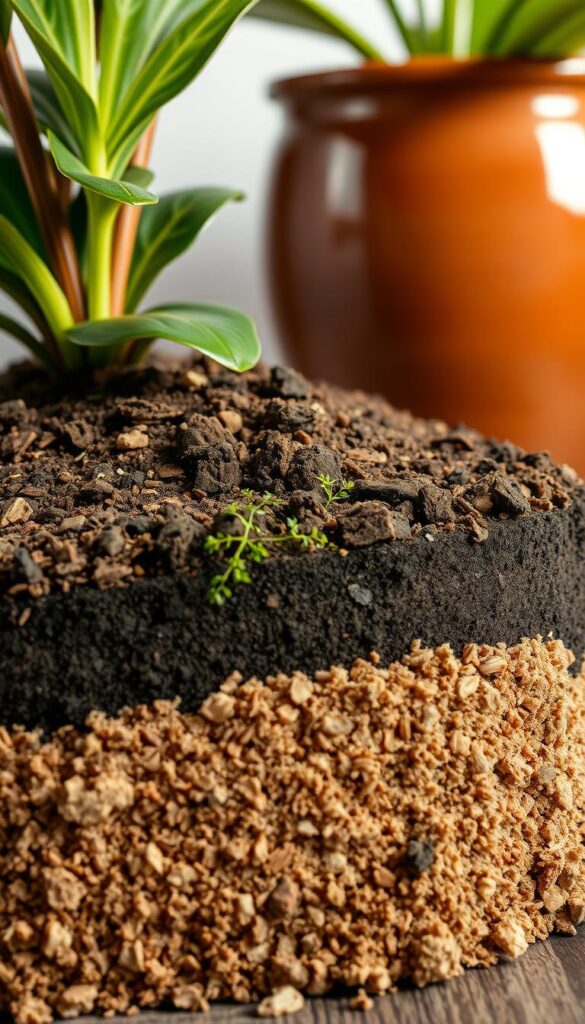
A chunky, well-draining mix is non-negotiable. Coco coir, orchid bark, and peat moss give the roots air and drainage so they never sit soggy. Pick a pot with real drainage holes and repot every 1-2 years before it gets root-bound.
| Soil Component | Benefits |
|---|---|
| Coco Coir | Improves drainage and aeration |
| Orchid Bark | Enhances root health |
| Peat Moss | Retains moisture, supports root growth |
A Simple Step-by-Step Routine
Consistency is the secret. Feed a balanced fertilizer monthly from spring through summer at half strength, prune off dead or damaged leaves with clean tools, and give it a weekly once-over for stress. Here is the soil mix that anchors all of this:
Propagation Without the Guesswork
Take a stem cutting with at least one node and root it in water or soil. In water, submerge the node and swap the water weekly; in soil, a dab of rooting hormone speeds things up. Once roots show, pot it up and keep it moist but not soggy.
| Method | Steps | Advantages |
|---|---|---|
| Water Propagation | Submerge node, change water weekly | Easy to monitor root growth |
| Soil Propagation | Use rooting hormone, keep soil moist | Faster establishment |
Troubleshooting the Usual Suspects
Overwatering is the fast track to root rot: soft, discolored leaves and soggy soil mean stop watering and repot into fresh mix. Pale, washed-out leaves signal weak light, so move it brighter. A humidifier fixes most leaf-health complaints. New to the hobby? My go-to plant parent resource covers the basics.
Show It Off
Verrucosum loves to climb, so a moss pole turns it into a sculptural centerpiece. Pair it with other tropical plants for a lush indoor jungle, and if a leaf looks off, this guide on why a Philodendron struggles is a lifesaver. A moss pole also solves the most annoying moss-pole problem:
And here is the full care-and-propagation walkthrough worth bookmarking:
Conclusion
Philodendron verrucosum asks for high humidity, bright indirect light, temps above 60°F, a well-draining aroid mix, and a moss pole to climb. Nail those and the copper new growth keeps coming. Give it a shot, you will be amazed at how dramatic those red-backed leaves get. 🌿