
Preparing for Planting: My Garden Setup Essentials
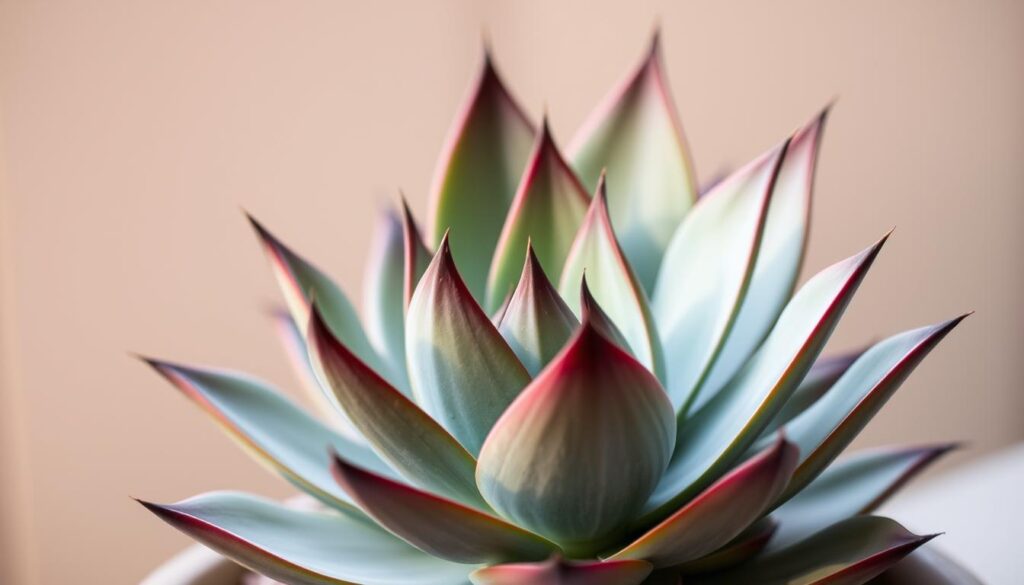
I bought a dwarf butterfly agave because it stays under a foot wide and fits a sunny kitchen windowsill. Thick pale leaves with white markings, and the compact size is way easier than the big agave species.
A good <indoor> option fits this plant well.
The powder-blue leaves with dark red teeth and a red terminal spine are genuinely ornamental. About a foot tall and wide, it’s perfect for containers or mixed plantings. Mature plants throw a tall candelabra stalk of bright yellow blooms. Native to coastal Oaxaca, Mexico, it brings exotic flair. Whether you’re into cacti, succulents, or just want a low-maintenance houseplant, it delivers.
Choosing the Perfect Pot and Location
Right pot first. I pick one slightly larger than the base with drainage holes, and a spot with filtered or morning sun to dodge harsh afternoon heat. That balance keeps the color vivid without sunburn.
Selecting a Well-Draining Soil Mix
Soil is critical. I use a mix with perlite or vermiculite for drainage so roots stay healthy. That matters for succulents like the dwarf butterfly agave, which rot fast in damp soil.
| Pot Size | Soil Mix | Location |
|---|---|---|
| Container slightly larger than plant base | Enriched with perlite or vermiculite | Filtered sun or morning sunlight |
Combine those three and you’ve built an environment that shows off the plant’s best self.
Caring for Your dwarf butterfly agave
Once planted, the right care keeps it healthy. Water, sun, and frost protection are the big three.
Watering and Sunlight Needs
I give about half a cup every 12 days in the growing season, which prevents rot. A bright south window, kept within a foot, gives sun without the burn. 🙂
Managing Soil Nutrients for Steady Growth
Soil drives growth. I repot once it doubles in size or yearly to refresh nutrients, always in a well-draining mix. Perlite or vermiculite keeps drainage sharp.
Protecting Against Cold and Frost
Cold is the enemy. I bring it in below 25°F so frost doesn’t wreck the look. The succulent resilience helps, but frost protection is non-negotiable for that vibrant color.
Monitor the leaves and adjust. That’s most of the battle.
Planting Techniques: From Offsets to Repotting
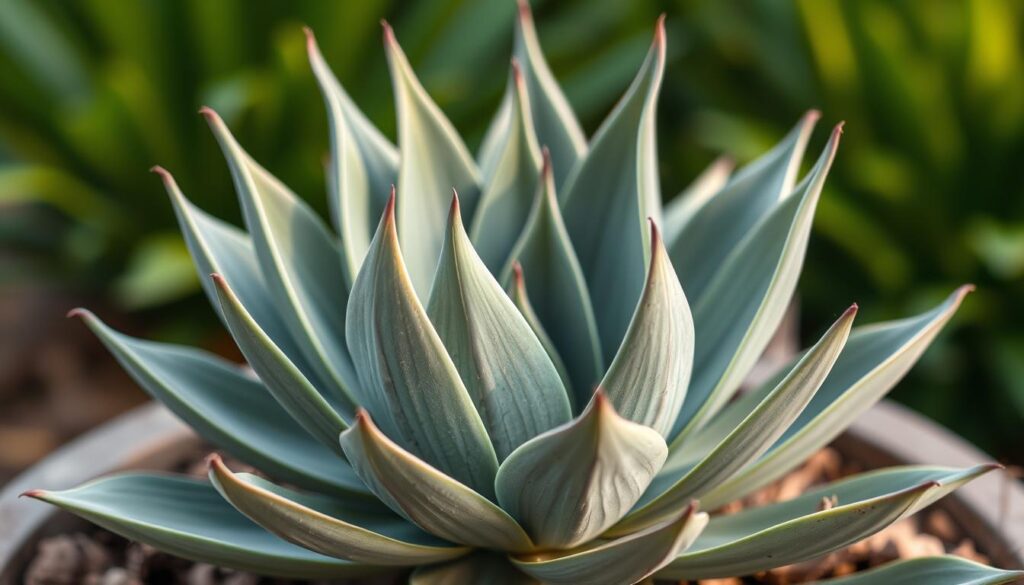
Propagating is rewarding and lets you share. The plant naturally makes offsets near the base, ideal for container gardens.
Propagating Through Offsets
Separate offsets with a sterile tool, let them dry a few days to callus, then pot in gritty soil. Bright indirect light, sparing water, keep soil moist not soggy.
Repotting for Healthy Growth
Repot into a roomier pot with fresh well-draining soil so roots can expand. During propagation, minimal water, about half a cup every 12 days, prevents rot. Once established, shift to the normal schedule.
My offset runs have been a real success. They stay true to size and form, perfect for rock gardens.
Troubleshooting and Fine-Tuning Growth
Even with good care, issues pop up. Here’s how I read them.
Identifying Signs of Overwatering and Light Stress
Yellow or droopy leaves usually mean overwatering, check the soil and pause. Pale leaves signal light stress, move it to bright indirect light.
Dealing with Pests and Fungal Issues
Watch for mealybugs or spider mites, treat with neem oil or insecticidal soap. Fungal spots need removed leaves and better air, plus fungicide if bad.
Adjusting Your Care Routine for Seasonal Changes
Winter: water every 6-8 weeks. Summer: every 7-10 days. Watch temps and frost.
Stay observant and you prevent problems before they bite.
Wrapping Up My Garden Journey
This agave transformed my garden with its compact size and color. Right pot, gritty soil, careful water, that’s the formula. Minimal water during growth, about half a cup every 12 days, prevents rot.
Offsets let me share the beauty. Separate, dry, plant, done. Troubleshooting taught me yellow means too much water, pale means more indirect light.
For a close cousin with similar charm, check the agave care notes. Give this little one a shot, it earns its shelf.
The Bottom Line
Dwarf butterfly agave needs full sun and fast-draining soil. Water only when the soil is completely dry, and protect it from frost. It’s a small plant with big personality, give it a shot.