
Getting Started on My False Sisal Journey
I spotted a false sisal tagged as Agave decipiens at a desert nursery and couldn’t resist. Those narrow, rigid leaves form a tight rosette, and unlike true sisal it stays compact enough for a big patio pot — which is exactly what my space needed.
False sisal shows off bright green, long foliage with little teeth along the edges, packing into a neat, symmetrical rosette. It can stretch up to five feet tall and wide, and in the right spot even wider. It’s not just a pretty face either; the fiber is handy for crafts and home décor projects.
Choosing the Right Spot and Light
False sisal wants full sun to light shade. I parked mine where it gets at least six hours of direct sun, and in hot months a bit of afternoon shade keeps the leaves from scorching and deepens that green. Sun first, shade as backup — that balance keeps it happy.
Preparing the Soil and Garden Space
Drainage is everything. I worked compost into the bed to enrich it and aimed for a slightly acidic to neutral pH. Poor drainage is the fast lane to root rot, so a gritty, well-draining mix sets the foundation for healthy growth.
Pick the right location and soil and you’ve already done the hard part. Those two choices drive everything that follows, from propagation to day-to-day care.
Mastering False Sisal Propagation
This plant throws offsets, which makes sharing cuttings with friends almost too easy. Spacing matters when you plant several: I keep them 3 to 5 feet apart for airflow and room to spread, and that gap also slows pests and disease from hopping plant to plant.
Water deep but rarely to build strong roots, and I aim the stream at the base so the leaves stay dry. During the growing season a balanced NPK fertilizer every 4 to 6 weeks keeps things moving.
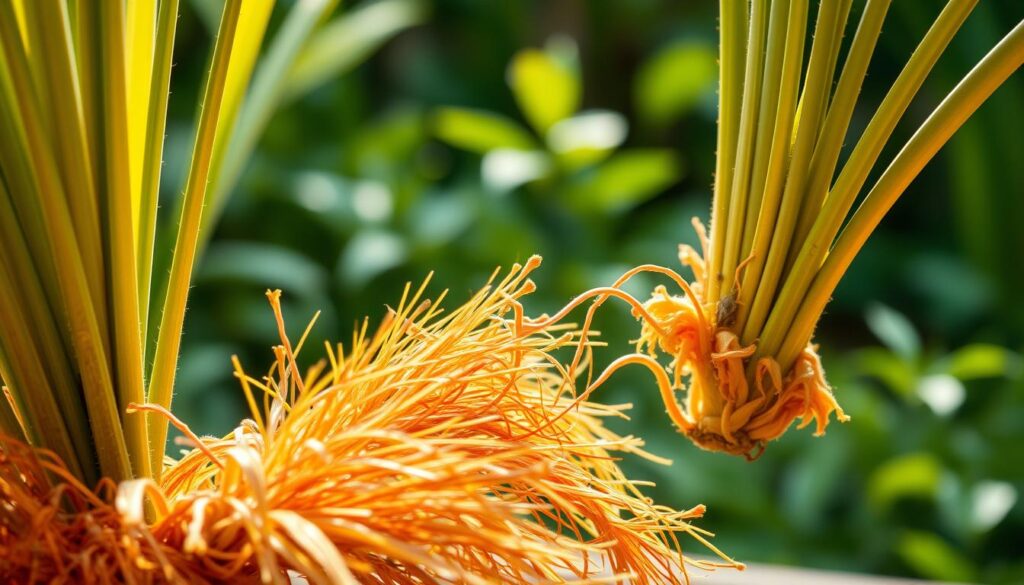
You’re now well on your way to false sisal expertise, whether your plant lives in the garden or tucked into an indoor corner.
What Makes False Sisal Special
This Florida native brings both looks and function, which is why crafters and gardeners alike love it. The lifecycle runs about 3 to 5 years from seedling to a robust rosette, and it can hit 4 to 8 feet tall — up to 20 feet once that flower stalk appears.
The drama peaks in late fall or early winter when a tall flower stalk rises up. It also feeds local wildlife and suits rock gardens, coastal restoration, and accent plantings. It’s a practical, pretty choice that gives back to the environment.
Common Problems and How to Beat Them
Every plant has its off days. Overwatering yellows the leaves; underwatering shrivels them. I water deeply but infrequently and let the soil dry between rounds — that habit alone prevents most headaches. Too little light makes it leggy, too much stresses it out.
Root rot usually traces back to poor drainage. Plant in fast-draining soil, and if you see soft black roots, trim them and repot into dry mix. For fungal issues like powdery mildew, improve air circulation around your plant and hit it with a fungicide if needed.
Spider mites and scale show up sometimes — I treat them with insecticidal soap or neem oil and check the plant weekly. Deer, rabbits, and squirrels may find the leaves irresistible, so repellents or barriers earn their keep. For the bigger pest management picture, the beneficial-insects guide is worth a read.
- Yellow leaves? Usually overwatering. Shriveled leaves? Underwatering.
- Give it enough light to avoid leggy, stressed growth.
- Catch root rot early and treat it fast.
- Fungal trouble responds to better airflow plus fungicide.
- Spot pests? Insecticidal soap or neem oil does the job.
- Keep wildlife away with repellents or physical barriers.
Conclusion
False sisal turned out to be one of my favorite low-drama plants. success is well-draining soil and careful watering, and letting the soil dry a touch between waterings encourages strong root growth. Feed it through the growing season, and a quick neem-oil wipe handles most pests. The late-fall flower stalk is the payoff — give it a shot and enjoy the show! 🌱