
Ficus abutilifolia: The Ultimate Care Guide for the Large-Leaved Rock Fig
I nearly walked right past the Ficus abutilifolia at my nursery, and that would’ve been a dumb move. This big-leaved rock fig looks like it belongs in a designer loft, not on a beginner’s shelf — but it’s tougher than it pretends to be. If you want a statement plant that doesn’t throw tantrums, give this one a real look.
Meet the Large-Leaved Rock Fig
This South African native earns its “rock fig” nickname by clinging to cliffs and boulders in the wild. Indoors it trades the cliffside for a pot, but it keeps that bold, sculptural energy. The leaves are broad, rough, and unapologetically green — exactly the kind of foliage that makes visitors ask what it is.
You’ll see it filed under Ficus care guides for good reason: it shares the genus’s love of bright light and a “less is more” watering routine. Treat it like any other houseplant that hates wet feet, and you’ll do fine.

Light and Placement
Park this fig where it gets bright, indirect light for most of the day. A south or west window behind a sheer curtain works great. Too little light and those gorgeous big leaves shrink and drop — the plant literally tells you it’s hungry for sun.
Rotate the pot a quarter turn every week so it grows evenly instead of leaning toward the glass like a sunflower on a mission.
Watering Without Drowning It
Let the top two inches of soil dry out before you water again. I stick my finger in — low tech, never wrong. Overwatering rots the roots faster than anything else, so when in doubt, wait another day.
These plants shrug off desert-level dryness better than they tolerate a soggy pot. Aim for “moist but never swampy.”
Soil and Feeding
Use a well-draining mix — cactus soil cut with perlite does the job. Feed it with a balanced liquid fertilizer once a month in spring and summer, then back off in winter when growth slows.
Propagation: Clone Your Favorite
Stem cuttings root surprisingly well if you keep them warm and humid. I start them in a clear box so I can spy on the roots without disturbing them. Within weeks you’ll have a baby rock fig to gift or hoard.

Styling It at Home
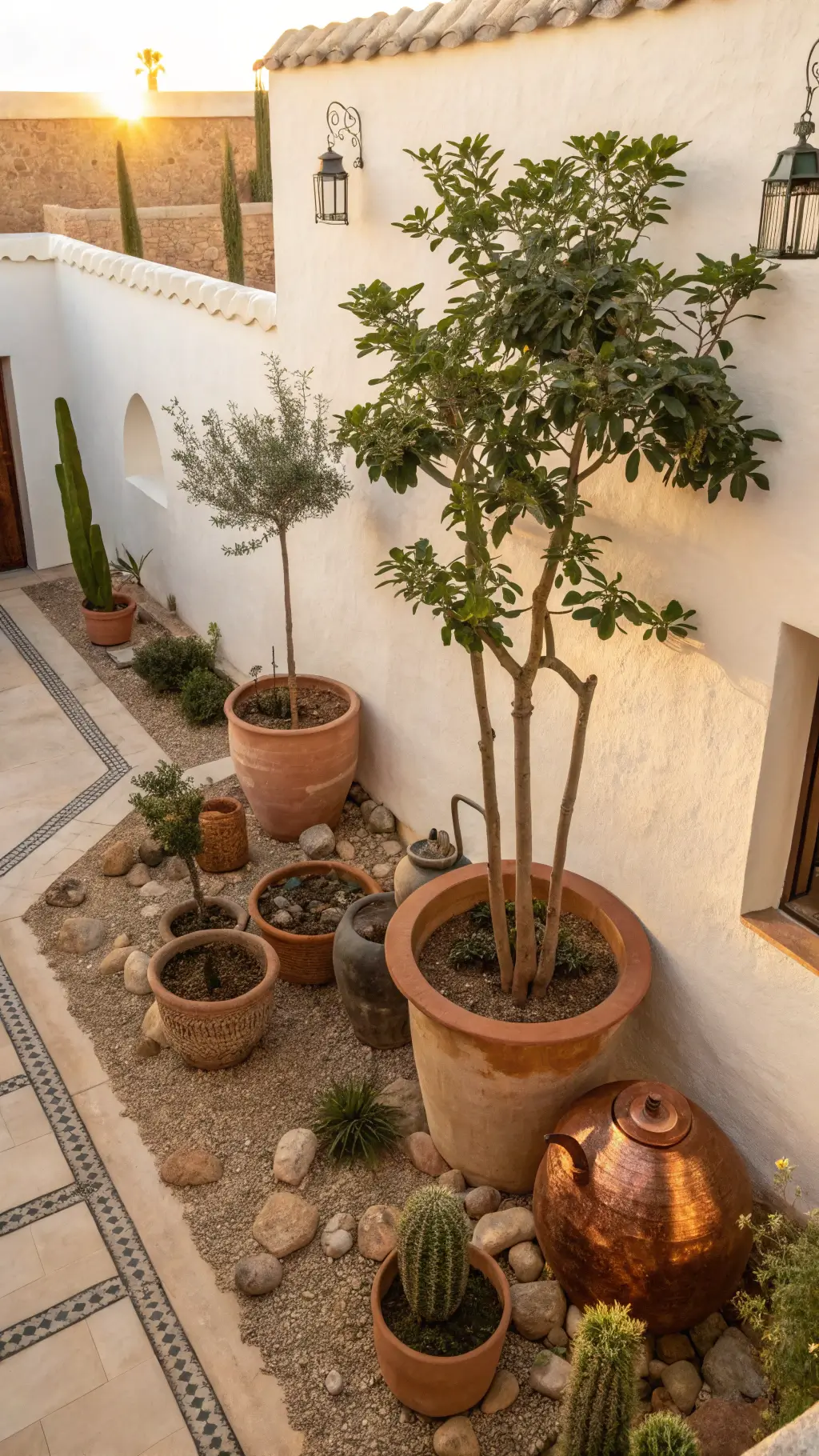
The rock fig screams “architectural,” so let it stand alone as a focal point. It pairs beautifully with terracotta and copper, and it even works as a bonsai candidate if you’re feeling ambitious with the pruning shears.

The Bottom Line
The Ficus abutilifolia delivers drama without the diva behavior. Give it bright light, let it dry between drinks, and it’ll reward you with massive, sculptural leaves for years. Give it a shot — your empty corner will thank you. 🙂