
Understanding Ficus Drupacea: Plant Basics and Features
Ficus drupacea is one of those lesser-known figs that deserves more shelf space. It’s a bold, leafy Ficus relative with big tropical energy and a surprisingly easygoing attitude once you learn its rhythm.
What Makes Drupacea Special
This fig grows large, rounded leaves and a sturdy trunk, giving it that “mini tree” look without the drama of a fiddle leaf. If you’ve already kept a ficus alive, the repotting guide is your natural next step.
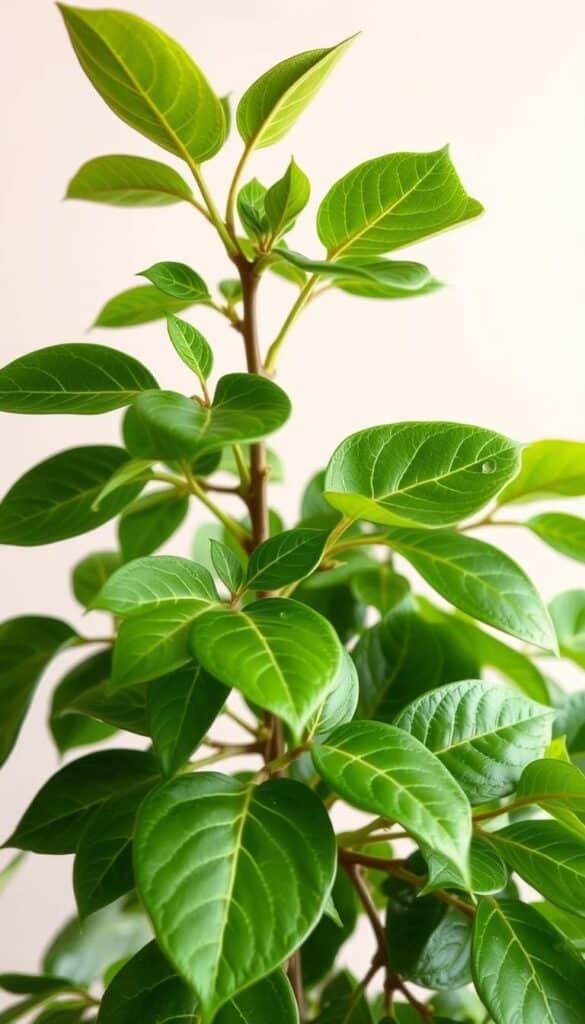
It likes things stable—same light, same watering beat—and rewards consistency with steady growth. Think of it as the chill cousin in the indoor crowd.
Light, Water, and Temperature
Bright indirect light is the sweet spot. Water when the top couple inches dry out, and don’t let it sit in a saucer of water. Drupacea hates cold drafts, so keep it away from leaky windows in winter.
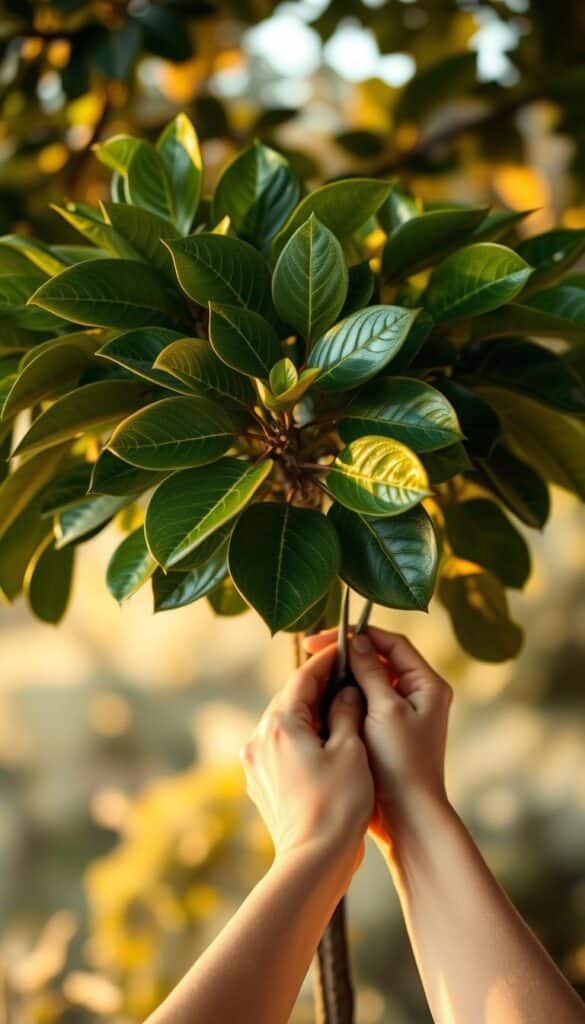
Want the deep dive on a close relative? The Ficus Drupacea care guide covers similar needs, and on moisture, remember its watering needs call for consistent sips rather than floods. Feed it during the growing season—our fertilizing tips keep the leaves lush.
Care at a Glance
Two quick tables so you’ve got the basics on one screen:
| Feature | Description | Comparison with Similar Species |
|---|---|---|
| Leaves | Leathery, elliptic to egg-shaped with prominent veins | Narrower and darker than Ficus benjamina |
| Roots | Develops aerial roots | More pronounced than Ficus lyrata |
| Fruit | Small, green figs near branches | Smaller than Ficus carica |
| Light Requirement | Details | Comparison |
|---|---|---|
| Bright Light | 4-6 hours of direct or filtered light | Similar to Ficus lyrata needs |
| Temperature | 65-75°F (18-24°C) | Warmer than Ficus benjamina preference |
See It in Action
Here’s a short video walkthrough of drupacea care:
Conclusion
Ficus drupacea is a striking, low-drama fig that thrives on stable light, even watering, and no cold drafts. Give it a shot—it might become your favorite leafy companion. 🌿