
I bought a Ficus racemosa seedling because the cluster fig fruits right on the trunk – a quirk called cauliflory. Mine’s still young and hasn’t fruited yet, but the big leaves and fast growth already make it a fun house tree.
This guide walks you through everything: picking the spot, harvesting your own figs, and building the right soil, water, and light setup. We’ll also dig into pruning and how to dodge the classic rookie mistake – root rot. Our buddy Ross (the Fig Boss) chips in too. Let’s get into it. 🙂
Understanding Your Ficus Racemosa Cluster Fig Tree
Getting to know your tree is step one. This one’s native to Australia and Southeast Asia, and it’s got some traits that set it apart from your average fig.
Identifying Unique Characteristics
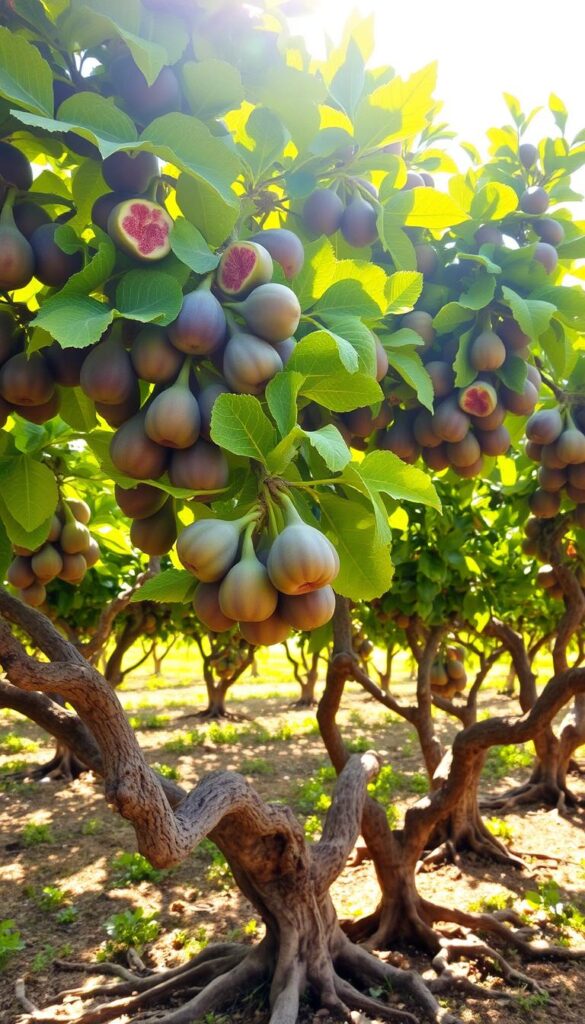
The big tell? Branch fruiting – figs grow straight on the branches, not just at the tips. That makes it easy to spot in any climate.
- Bark texture: Smooth when young, rougher with age – a quick maturity check.
- Leaf shape: Elliptical, medium-sized, and a solid green for photosynthesis.
- Size: Huge in the wild, but you can prune it to fit your space.
Site Selection and Soil Prep for Fig Success
Right spot plus right soil equals a happy, fruiting tree. Don’t skip this part – it pays off for years.
Choosing the Right Location
Your fig wants 6-8 hours of direct sun daily to build strong branches and ripen fruit. It loves warmth (USDA zones 8-10). Cooler zone? Containerize it or haul it inside before frost. If you want more Ficus ideas, we’ve got you covered.
Essential Soil and Drainage
Go well-draining and rich in organic matter. Sandy loam or loamy soil with a pH of 6.0-7.0 is the sweet spot. Clear weeds, mix in compost or rotted manure, and don’t let clay sit wet – drainage is your root-rot shield.
Pick the spot and prep the soil right, and you’ve set your tree up for a lifetime of fruit. For a deeper dive, our guide on growing a thriving fig tree is worth a read.
Planting Techniques for a Healthy Fig Tree
Good planting is the foundation. Break it into steps so you don’t miss anything.
Step-by-Step Planting
- Time it right: Plant after the last frost.
- Dig the hole: Twice the root ball’s width.
- Position: Keep the graft union above soil.
- Backfill: Carefully, no air pockets.
- Water well: Right after planting.
Spacing and Depth
| Planting Type | Spacing | Depth | Considerations |
|---|---|---|---|
| Outdoor | 20-30 feet apart | Same as root ball depth | Ensures air circulation and sunlight |
| Container | Space for mature size | 1-2 inches deeper | Use large containers with drainage |
Watering and Fertilizing Your Cluster Fig
Balanced water and food keep this tree productive. Here’s the routine.
Keeping Soil Consistently Moist
Deep-water once a week in dry spells. Don’t overdo it – yellow leaves scream too much water. Aim for moist, never soggy.
Fertilizer Schedule
Use a balanced NPK fertilizer in early spring and again mid-summer. Organic options give a gentle boost without stressing the plant. Check our pruning techniques to pair with feeding.
Consistent watering plus smart fertilizing equals healthy growth and real fruit. Tweak the routine to fit your tree and your climate.
Pruning and Maintaining Your Fig Tree
Pruning and regular upkeep keep the tree healthy and loaded. A few simple moves do the trick.
Effective Pruning Methods
Prune in late winter or early spring, before new growth. Remove dead or damaged branches, thin crowded areas for airflow, and shape it for even fruiting. Sharp, clean shears and gloves – the sap is sticky.
Seasonal Maintenance and Mulching
Mulch around the base to hold moisture and block weeds. Inspect for pests during the growing season and act fast. Mulch also feeds the soil as it breaks down.
Managing Pests and Diseases
It’s not all water and food – pests and disease show up if you’re not paying attention.
Common Pests and Control
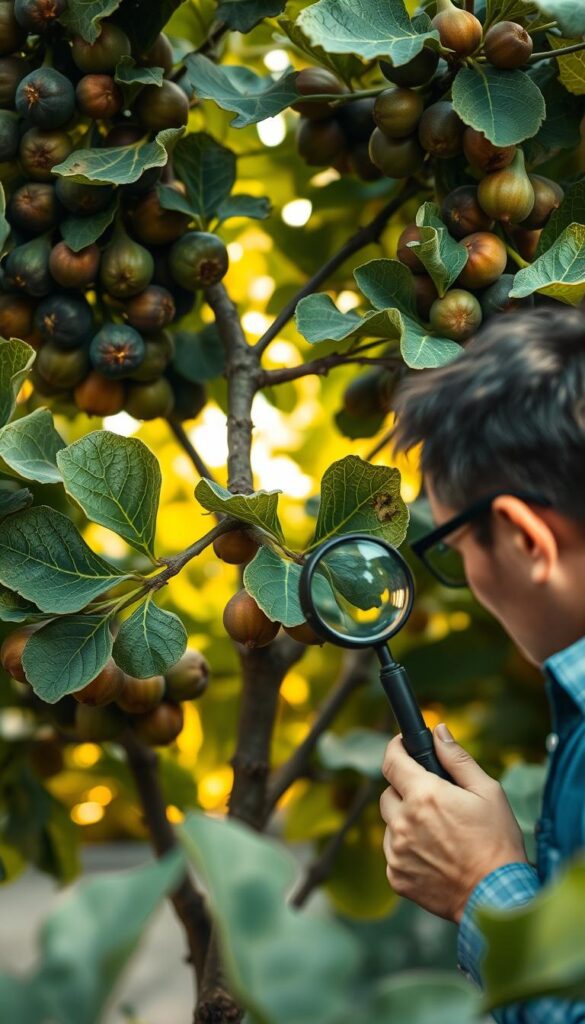
Aphids, spider mites, and beetles love figs. Release ladybugs (they eat aphids for free), or reach for neem oil and insecticidal soap – both are non-toxic.
Preventing Root Rot
Root rot usually means overwatering. Keep soil draining and don’t drown it. Regular checks catch trouble early.
Adapting to Climate and Seasonal Changes
Seasons change, and so should your care. This is where zone-aware tweaks pay off.
Adjusting for USDA Zones
- Zones 8-10: Outdoor planting, full sun, well-draining soil, regular feed.
- Cooler zones: Container growing, move indoors for frost, drainage holes required.
Hotter months? Water a bit more (without sogging). Cooler? Ease off and protect from frost.
Container Versus Outdoor Planting
Two solid options: containers or ground. Your climate and space decide.
Container Growing
Flexible and frost-proof – move it inside. You control soil and drainage. Just use a big pot (at least 18 inches deep) so roots can spread.
Outdoor Planting
Ground planting lets roots run free for bigger harvests. Needs 15-20 feet of space and well-draining soil. Warm zones only; cooler zones should containerize.
Either way, give it 6-8 hours of sun and draining soil, and your cluster fig will deliver.
Essential Tips for Success
Three pillars: watering, fertilizing, pruning. Balance them and you’re golden.
- Mulch the base for moisture and weed control.
- Adjust seasonally as temps swing.
- Prep the site and plant carefully – it sets the tone.
Maximizing Fruit Production
Want sweeter, heavier harvests? Tune the soil, water, and food.
Soil, Water, and Fertilizer Tweaks
Keep pH around 6.0-7.0 for sweeter fruit. Deep-water weekly in dry spells (no sogging). Balanced NPK in spring and mid-summer, plus a little compost, really bumps flavor.
Quick seasonal checklist I actually use:
- Test soil pH, adjust as needed.
- Deep-water weekly in dry periods.
- Fertilize spring and mid-summer.
- Mulch the base.
| Practice | Details | Frequency |
|---|---|---|
| Watering | Keep soil consistently moist but not soggy | Once a week in dry seasons |
| Fertilizing | Use balanced NPK fertilizer | Early spring and mid-summer |
| Pruning | Remove dead or damaged branches | Late winter or early spring |
| Soil Preparation | Ensure well-draining soil with organic matter | Ongoing |
| Practice | Details | Frequency |
|---|---|---|
| Soil Preparation | Maintain pH between 6.0 and 7.0 with organic matter | Ongoing |
| Watering | Water deeply once a week during dry seasons | Weekly |
| Fertilizing | Apply balanced NPK fertilizer in early spring and mid-summer | Seasonal |
Leveraging Expert Advice
Ross – the Fig Boss – has years of fig-growing behind him, and his tips work.
Insights From the Fig Boss, Ross
His go-to? Neem oil for pests (it works on mine too). He pushes pruning for airflow and even fruiting, and a balanced NPK in spring/summer. I’ve copied his branch-thinning method and my yields jumped. Watch his video tutorials – they’re gold.
Final Reflections on Your Cluster Fig Journey
Nurturing this tree is a rewarding ride. Patience and persistence beat pests and soil issues every time. Mix Ross’s advice with your own notes and you’ll get there faster.
Key practices – site selection, careful planting, diligent watering, thoughtful pruning – build the environment your fig needs for years of fruit.
Ficus racemosa needs bright light and consistent moisture. Provide a large pot and warm temperatures, as it is a fast grower that can reach significant size indoors.
The Bottom Line
Your Ficus racemosa cluster fig wants bright indirect light, weekly water when the top soil dries, and humidity to keep those aerial roots happy. So grab one, give it a shot, and watch the cluster fill in. 🙂